
Navigating the sun-drenched landscapes of Arizona comes with a unique set of considerations, especially when it comes to your vehicle. The intense desert heat and bright sunlight, while contributing to the allure of destinations like the Grand Canyon and Sedona, can also make driving uncomfortable and even dangerous without adequate protection. This is where vehicle window tinting comes into play, offering a stylish and practical solution. However, like many states, Arizona has specific laws governing how dark your window tint can be. Understanding these regulations is crucial for every driver, whether you’re a local resident, a frequent business traveler utilizing accommodations in Phoenix or Tucson, or a tourist exploring the diverse attractions of this beautiful state.
Understanding Arizona’s Window Tint Laws: A Comprehensive Guide
Arizona’s tint laws are designed to balance the benefits of reduced glare and heat with the need for law enforcement to maintain visibility into vehicle interiors for safety and security purposes. These laws are primarily detailed in the Arizona Revised Statutes, specifically ARS § 28-959.01. It’s important to note that these statutes can be updated, so it’s always wise to consult the most current official documentation or a legal professional if you have any doubts. However, for the vast majority of drivers, the established guidelines provide a clear framework.
The Basics of Light Transmission Percentage (VLT)
The core of window tint regulations revolves around the concept of Visible Light Transmission (VLT). VLT refers to the percentage of visible light that can pass through your car’s windows. A lower VLT percentage means the tint is darker, allowing less light in. Conversely, a higher VLT percentage means the tint is lighter. Arizona’s laws specify the maximum allowed VLT for different windows of a vehicle.
Front Windshield Tinting Regulations
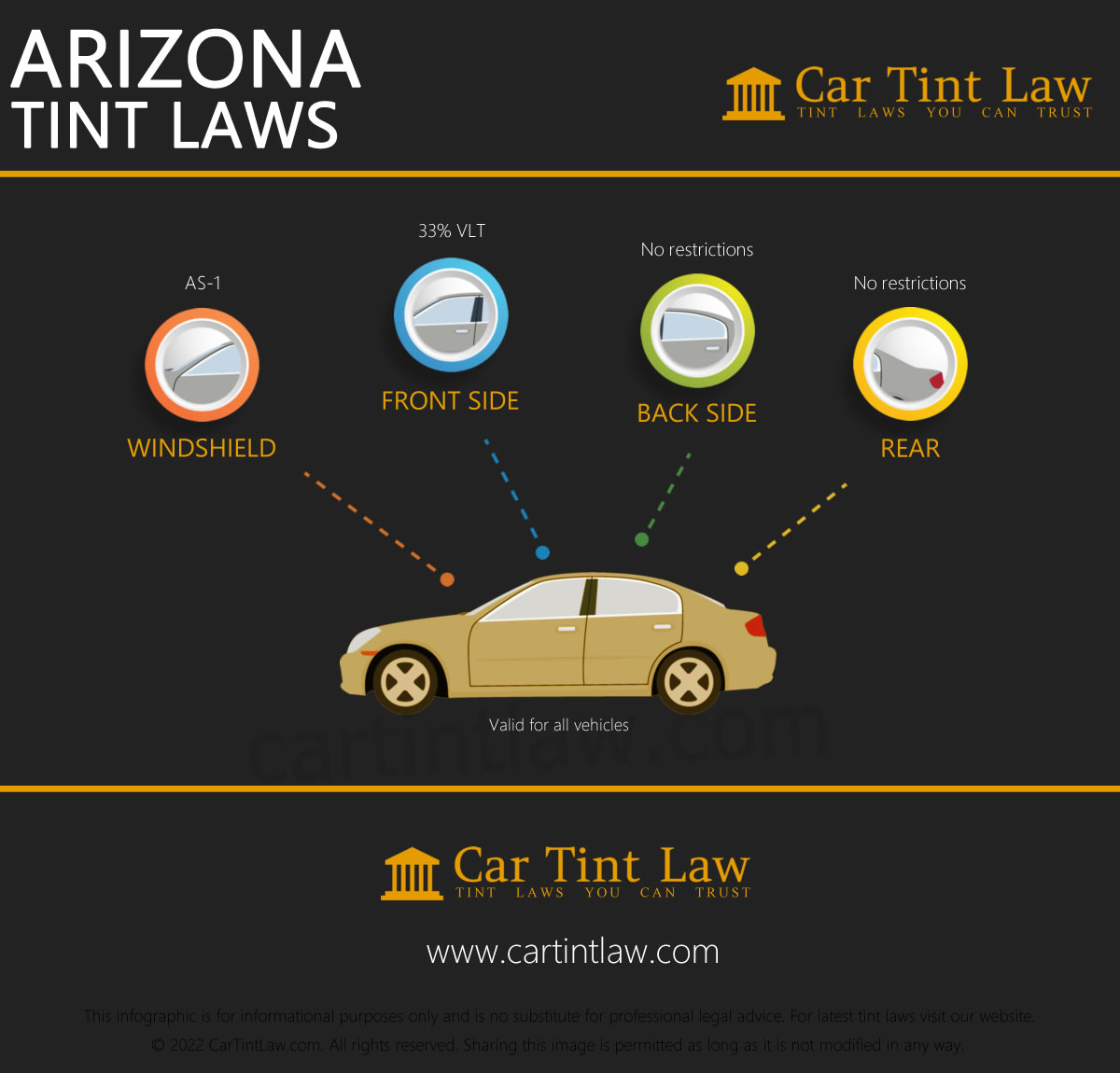
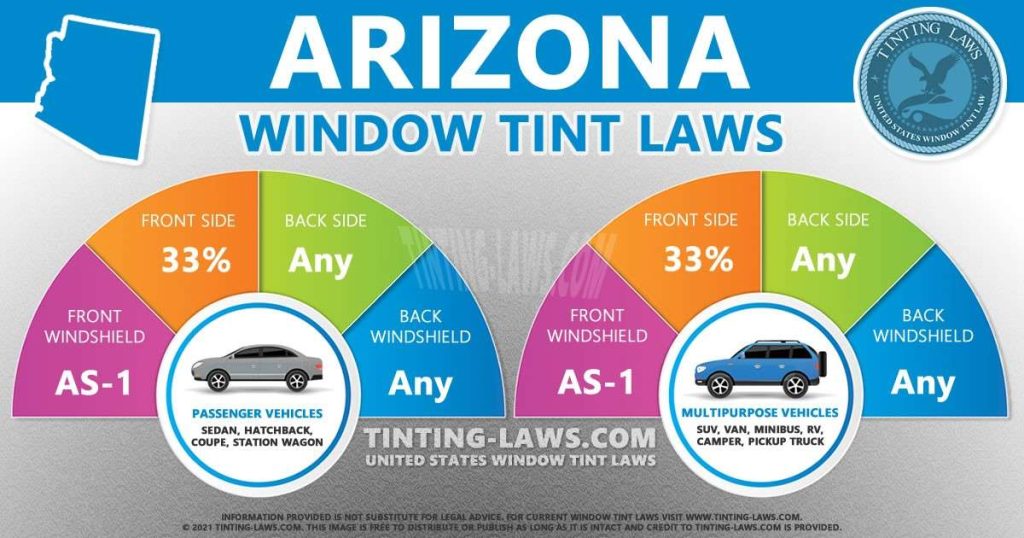
The front windshield is perhaps the most critical window for driver visibility, and as such, it has the most stringent tinting regulations. In Arizona, tinting is generally prohibited on the windshield. The only exception typically allowed is a strip of non-reflective tinting material applied to the top 4 inches of the windshield. This allows for some sun glare reduction without obstructing the driver’s primary line of sight. This specific allowance is crucial for drivers exploring the sunny expanses between cities like Flagstaff and Scottsdale.
Front Side Window Tinting Rules
For the front driver and passenger side windows, Arizona law permits a 33% VLT or lighter. This means that at least 33% of the natural light must be able to pass through these windows. This ensures that law enforcement officers can clearly see into the vehicle’s cabin from the outside. When considering window tinting services for your vehicle before a trip to experience the local culture or embark on outdoor activities near Lake Powell, ensure your chosen tint adheres to this 33% VLT limit.
Rear Window and Rear Side Window Tinting
The regulations for the rear side windows and the rear windshield are more lenient. In Arizona, these windows can be tinted to a darker level than the front windows, with the law not specifying a minimum VLT percentage. However, it’s important to note that reflective tinting is still subject to specific limitations. While you can have darker tint on these windows, excessive reflectivity can still be an issue. This provides drivers with more flexibility for privacy and heat reduction on the rear of their vehicle, which is particularly beneficial for longer road trips or when transporting family members on a budget travel adventure.
Reflectivity Limits: A Crucial Consideration
Beyond VLT, Arizona law also addresses the reflectivity of window tint. This is particularly important for reducing the glare that can be amplified by shiny surfaces.
Non-Reflective Tinting
For the front windshield and front side windows, any tint applied must be non-reflective. This means the tint should not cause a significant glare when light bounces off it.
Reflective Tinting Limits
For the rear side windows and rear windshield, there are also limits on reflectivity. While the law doesn’t explicitly state a percentage for reflectivity on these windows, excessively reflective tint can still lead to tickets. The general understanding is that the tint should not produce a glare that is disruptive to other drivers or pedestrians. This is something to discuss with your tint installer, especially if you are seeking a high-end luxury travel experience where aesthetics might play a role.
Medical Exemptions for Window Tint
Arizona law does provide for medical exemptions for individuals who require darker window tint due to specific medical conditions. These conditions often involve sensitivity to light or certain medical treatments that make exposure to sunlight particularly harmful.
How to Obtain a Medical Exemption
To qualify for a medical exemption, a driver must obtain a written statement from a licensed physician or optometrist. This statement must certify that the prescription for darker window tint is medically necessary. The statement should include the medical condition and the specific VLT percentage required. It’s crucial to carry this exemption certificate with you in your vehicle at all times, along with your driver’s license. This ensures that if you are stopped by law enforcement, you can provide documentation proving your legal right to have darker tint. This exemption is a vital consideration for individuals planning extended stays or business trips in Arizona, ensuring compliance while prioritizing health needs.
What Happens if You Violate Arizona’s Tint Laws?
Violating Arizona’s window tint laws can result in a traffic citation. The penalties typically involve a fine. In some cases, officers may issue a “fix-it ticket,” giving you a certain amount of time to have the tint removed or brought into compliance. Failure to do so can lead to a more substantial fine. It’s always best to err on the side of caution and ensure your vehicle’s tint is compliant before embarking on any travel within or through the state, whether it’s a family trip to the Arizona Science Center or a solo exploration of historical landmarks.

Tips for Choosing and Installing Window Tint
When you decide to get your windows tinted in Arizona, it’s essential to work with reputable professionals. Here are a few tips to ensure you comply with the law and get the best results for your vehicle, whether it’s a sleek sedan for a business stay or a rugged SUV for adventure travel:
- Choose a Reputable Installer: Look for tint shops with good reviews and a thorough understanding of Arizona’s tint laws. They can guide you through the VLT options and ensure the installation is done correctly.
- Know Your VLT: Before you go to the shop, familiarize yourself with the legal VLT percentages for your vehicle’s windows. This will help you communicate your needs effectively.
- Discuss Reflectivity: Even if your tint is within the legal VLT for rear windows, discuss reflectivity with your installer to avoid potential issues.
- Consider Ceramic Tint: For superior heat rejection without significantly darkening the windows, consider ceramic tint. It offers excellent UV protection and can keep your car cooler, enhancing comfort during your travels, perhaps as you check into a charming boutique hotel in a historic district.
- Keep Documentation: If you have a medical exemption, always keep the official documentation readily accessible in your vehicle.
By adhering to these guidelines and seeking professional advice, you can enjoy the benefits of window tinting – from reduced heat and glare to enhanced privacy and style – while staying fully compliant with Arizona’s legal requirements. This peace of mind allows for a more enjoyable experience, whether you’re visiting famous places, exploring architectural marvels, or simply enjoying the vibrant lifestyle of the Grand Canyon State.
LifeOutOfTheBox is a participant in the Amazon Services LLC Associates Program, an affiliate advertising program designed to provide a means for sites to earn advertising fees by advertising and linking to Amazon.com. Amazon, the Amazon logo, AmazonSupply, and the AmazonSupply logo are trademarks of Amazon.com, Inc. or its affiliates. As an Amazon Associate we earn affiliate commissions from qualifying purchases.