
When planning a trip to the vibrant Phoenix, Arizona, understanding the local tax structure is crucial for budgeting your adventures. While the allure of the Sonoran Desert, the captivating cityscape, and the myriad of attractions beckon, so too does the practical matter of sales tax. This guide delves into the nuances of sales tax in Phoenix, helping you navigate your spending whether you’re booking a luxurious stay at the Arizona Biltmore, A Waldorf Astoria Resort, exploring the Desert Botanical Garden, or enjoying the local culinary scene.
Understanding Arizona’s Transaction Privilege Tax (TPT)
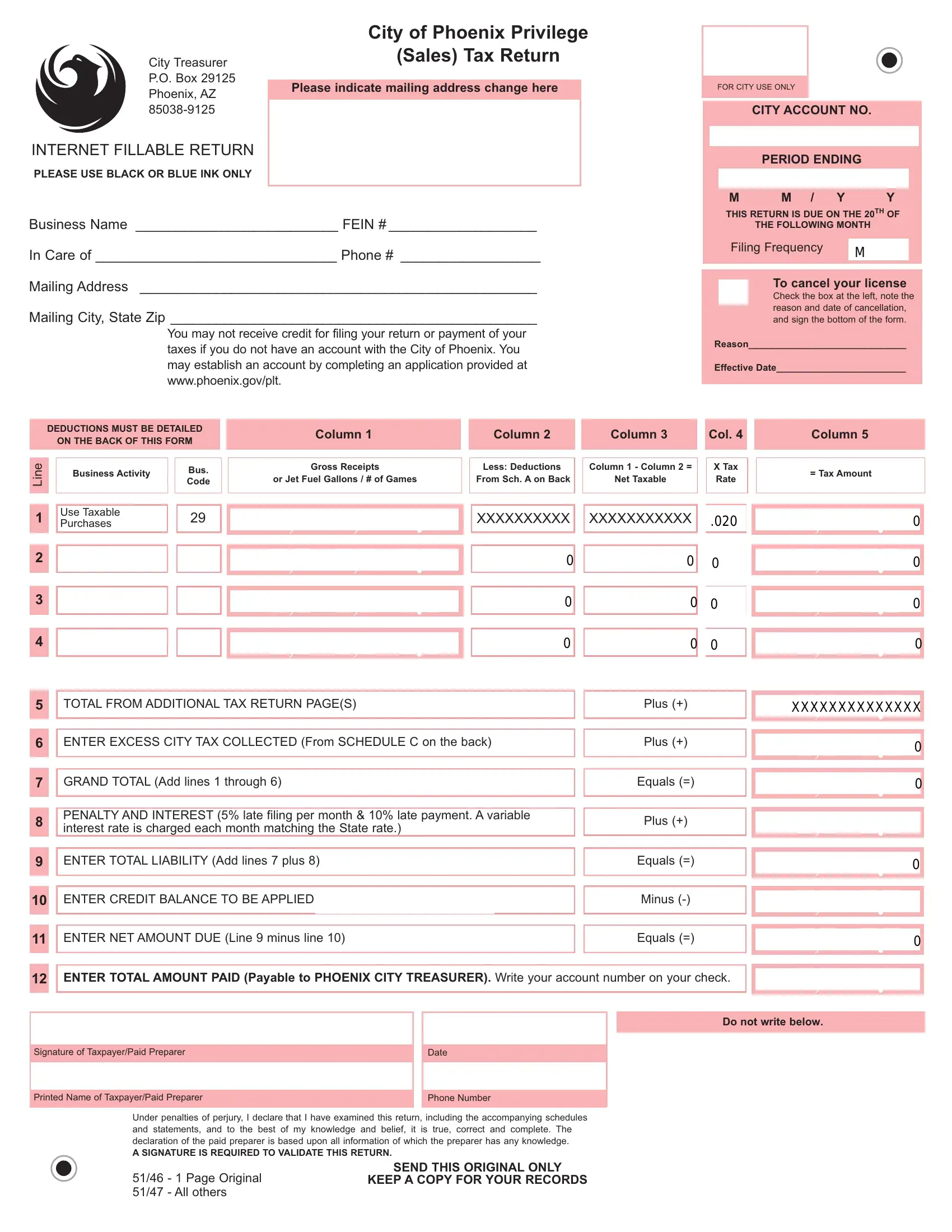
In Arizona, what is commonly referred to as “sales tax” is officially known as Transaction Privilege Tax (TPT). This tax is levied on businesses for the privilege of conducting business in the state. While it’s the seller who remits the tax to the state, the burden is ultimately passed on to the consumer as part of the purchase price. This distinction is important, as TPT is an “excise tax” rather than a retail sales tax, meaning it is imposed on the vendor rather than directly on the buyer. However, for travelers and residents alike, the practical implication is the same: an added percentage to the cost of goods and services.
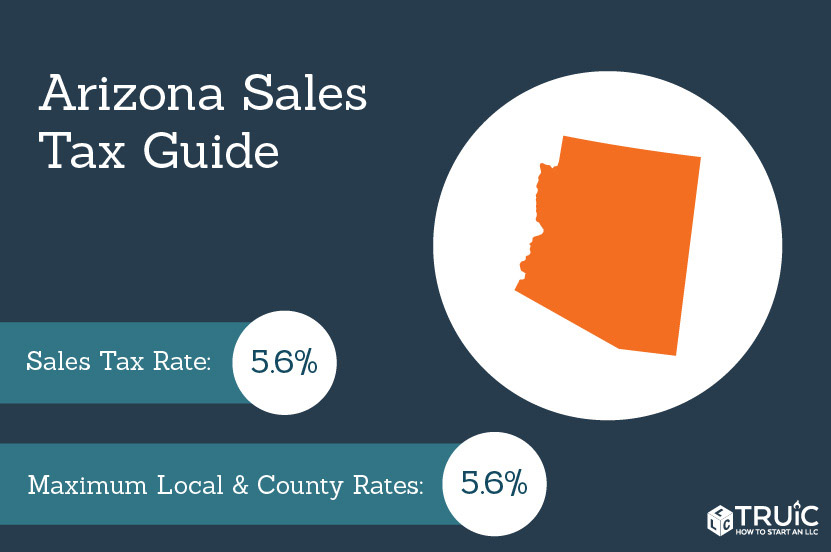
The TPT rate in Arizona is a combination of state and local taxes. The state imposes a base TPT rate, and then cities and counties can add their own local TPT rates, which can vary significantly. This is where understanding the specific location of your spending becomes paramount, especially in a sprawling metropolitan area like Phoenix.
State TPT Rate
The state of Arizona levies a base TPT rate that applies across the board. As of recent data, this state rate is 5.6%. This forms the foundational layer of the tax on most taxable transactions. However, it’s crucial to remember that this is just the state portion. The total TPT you’ll encounter in Phoenix will be higher due to local additions.
Local TPT Rates in Phoenix
Phoenix, like many major cities, has its own municipal TPT rate that is added to the state rate. The city of Phoenix has a TPT rate of 4.0%. When combined with the state rate, this brings the initial combined TPT to 9.6%.
However, the complexity doesn’t stop there. Maricopa County, where Phoenix is located, also imposes its own TPT rate. This county rate is 0.7%. Adding this to the state and city rates brings the total standard TPT for many purchases within the city limits of Phoenix to 10.3%.
Taxable vs. Non-Taxable Transactions
It’s important to note that not all goods and services are subject to TPT. Generally, the tax applies to the sale, lease, or rental of tangible personal property. Services can also be taxable, depending on the specific category and whether they are considered a “prime contracting” activity. For instance, hotel accommodations, restaurant meals, and retail purchases are typically taxable. However, certain services, such as many professional services (like legal or accounting advice), might be exempt. Always check specific local regulations if you are unsure about a particular transaction.
Examples of commonly taxed items in Phoenix:
- Tangible Personal Property: Clothing, electronics, souvenirs, furniture, groceries (with some exceptions), and most retail goods.
- Restaurant Meals: Food and beverages purchased from restaurants, cafes, and bars.
- Hotel Accommodations: The cost of staying in hotels, resorts, apartments, and other lodging facilities.
- Car Rentals: The rental cost of vehicles.
- Admissions: Tickets to events, attractions, and entertainment venues.
Examples of commonly non-taxed items (though verification is always recommended):
- Prescription medications.
- Certain groceries (e.g., unprocessed food items).
- Most financial services.
- Certain professional services.

Sales Tax on Accommodation in Phoenix
For travelers, understanding how TPT affects accommodation costs is a primary concern. Whether you’re seeking a lavish suite at the Omni Scottsdale Resort & Spa at Montelucia (located just outside Phoenix but a popular choice for visitors to the area) or a budget-friendly apartment, the TPT will be factored into your final bill.
The TPT rate for hotels and other lodging establishments in Phoenix typically aligns with the general TPT rate of 10.3%. This means that the advertised nightly rate will have this percentage added to it. For example, if a hotel room is advertised at $200 per night, you can expect to pay an additional $20.60 in TPT, bringing the total to $220.60.
Transient Lodging TPT
It’s worth noting that the tax on lodging is often referred to as “transient lodging TPT.” This is because the tax is levied on temporary stays. The Arizona Department of Revenue clearly defines what constitutes transient lodging to ensure proper tax collection. This generally includes hotels, motels, resorts, and any other establishment that furnishes rooms or accommodations for a fee for a period of less than 30 consecutive days.
When booking your accommodation through platforms like Booking.com or directly with hotels such as the Hyatt Regency Phoenix, always look for the breakdown of charges to see how TPT is applied. Many booking sites will display the estimated taxes and fees before you finalize your reservation.
Navigating Sales Tax for Tourists and Local Experiences
Beyond accommodation, TPT impacts nearly every aspect of a visitor’s experience in Phoenix. From dining at renowned restaurants like Pizzeria Bianco to purchasing souvenirs at local boutiques, the 10.3% TPT will be a consistent addition to your expenses.
Dining and Entertainment
When enjoying the vibrant food scene of Phoenix, whether it’s a casual taco stand or a fine-dining establishment, expect the TPT to be added to your bill. The same applies to tickets for attractions like the Phoenix Zoo, museums such as the Heard Museum, or sporting events at venues like Chase Field.
Shopping and Souvenirs
Shopping for unique items to remember your trip by is a common tourist activity. From the artisan crafts found in areas like Old Town Scottsdale (a neighboring city to Phoenix but a popular destination for its shopping) to the larger retail centers, all tangible goods purchased are subject to TPT. This means that that stylish cowboy hat or that locally made pottery will have the TPT added to its price.
Day Trips and Excursions
If your itinerary includes day trips to nearby attractions, such as a visit to the stunning red rocks of Sedona or the historic mining town of Jerome, remember that TPT rates can vary by city and county. While the general rate in Phoenix is 10.3%, other destinations may have slightly different TPT percentages. It’s always wise to check the specific rates for the areas you plan to visit. For instance, if you decide to stay at a resort in Scottsdale, you’ll be subject to Scottsdale’s specific TPT rates, which are also around the 9% mark but can differ slightly in their precise breakdown.
Keeping Track of Your Spending
To effectively manage your budget while exploring Phoenix, it’s recommended to factor in the TPT for all anticipated purchases. A simple mental calculation of adding approximately 10% to the listed price of goods and services can provide a good estimate. For more precise figures, especially for larger purchases like hotel stays or significant shopping sprees, always refer to your receipts, which will clearly itemize the TPT amount. This awareness will allow you to fully enjoy the incredible experiences Phoenix has to offer, from its world-class resorts and vibrant cultural landmarks to its breathtaking natural beauty, without any unexpected financial surprises.
LifeOutOfTheBox is a participant in the Amazon Services LLC Associates Program, an affiliate advertising program designed to provide a means for sites to earn advertising fees by advertising and linking to Amazon.com. Amazon, the Amazon logo, AmazonSupply, and the AmazonSupply logo are trademarks of Amazon.com, Inc. or its affiliates. As an Amazon Associate we earn affiliate commissions from qualifying purchases.