
The Sunshine State, known for its pristine beaches, vibrant theme parks, and year-round warmth, is a dream destination for many. Whether you’re planning a relaxing getaway to Miami, a family adventure in Orlando, or exploring the natural beauty of the Everglades, having a reliable vehicle is often key to experiencing all that Florida has to offer. However, a crucial, often overlooked component of vehicle reliability is the car battery. In a state characterized by its intense heat and humidity, the lifespan of a car battery can be significantly impacted. Understanding these factors is essential for any driver, whether a local resident or a tourist visiting one of the many renowned resorts or apartments.

The average lifespan of a car battery can vary, but typically, you can expect it to last anywhere from 3 to 5 years. However, this is a general guideline, and several environmental and usage factors can dramatically shorten or prolong that period. When it comes to Florida, one of the primary culprits affecting battery longevity is the relentless heat. This extreme climate poses a unique challenge to automotive components, and car batteries are particularly susceptible.
The Impact of Florida’s Climate on Car Batteries
Extreme Heat: The Silent Battery Killer
Florida‘s tropical and subtropical climate means high temperatures are a year-round reality, with summers often feeling like a persistent oven. This constant exposure to heat is detrimental to a car battery’s internal chemistry. Heat accelerates the rate of chemical reactions within the battery, leading to increased internal resistance and a faster degradation of the battery plates. This process is akin to baking a cake for too long – it speeds up the cooking but ultimately damages the final product.
The extreme heat in Florida can cause the electrolyte within the battery to evaporate more quickly. This leads to a phenomenon known as “gassing,” where the battery produces more hydrogen gas. While modern batteries are sealed, excessive gassing can still strain the battery and lead to internal damage. Furthermore, the heat can cause the battery casing to expand and contract, potentially leading to cracks and leaks, compromising the battery’s integrity. This is particularly true if the battery is already older or has been subjected to frequent deep discharges.
The constant cycling between high temperatures during the day and slightly cooler (though still warm) temperatures at night puts further stress on the battery. This thermal expansion and contraction can weaken the internal components over time, reducing the battery’s capacity to hold a charge and deliver power effectively. For tourists staying at luxurious resorts or renting villas, a dead battery can quickly turn a dream vacation into a frustrating ordeal, disrupting plans for exploring attractions like Walt Disney World or driving along the scenic Overseas Highway.
Humidity and Corrosion
Beyond the heat, Florida‘s pervasive humidity also plays a role. High humidity can contribute to corrosion on the battery terminals and connectors. When corrosion builds up, it creates a barrier that hinders the flow of electricity between the battery and the car’s electrical system. This can lead to a weak connection, making it difficult for the battery to charge properly or for the car to start, especially during the early morning hours or after a period of inactivity. Tourists might experience this even when their car has been parked at their chosen hotel for a few days.
This corrosion can be exacerbated by road salt, which is sometimes used in certain regions of Florida during rare cold snaps or to de-ice coastal areas, although less common than in northern states. However, the constant moisture in the air provides a fertile ground for electrochemical reactions that lead to terminal corrosion. For those venturing out to explore landmarks or enjoy local food experiences, a corroded battery can be a significant inconvenience.
Factors Influencing Car Battery Life in the Sunshine State
While Florida‘s climate is a dominant factor, other elements contribute to how long a car battery will serve its purpose. Understanding these can help drivers make informed decisions and potentially extend the life of their battery.
Driving Habits and Patterns
The way you drive significantly impacts your battery’s health. Short, frequent trips are particularly hard on a car battery, especially in Florida‘s heat. When you start your car, the battery expends a significant amount of energy to power the starter motor. The alternator then works to recharge the battery as you drive. However, on short trips, the engine doesn’t run long enough for the alternator to fully replenish the charge lost during startup. Over time, this can lead to a battery that is constantly undercharged, reducing its overall capacity and lifespan. This is a common scenario for residents making quick trips to the grocery store in Tampa or for tourists popping out from their suites to a nearby attraction.
Conversely, long, consistent drives allow the alternator to effectively recharge the battery. For those who frequently take their vehicles on road trips across Florida, perhaps heading towards Key West or exploring the Space Coast, their batteries may endure less strain from frequent recharges.
Vehicle Age and Electrical Load
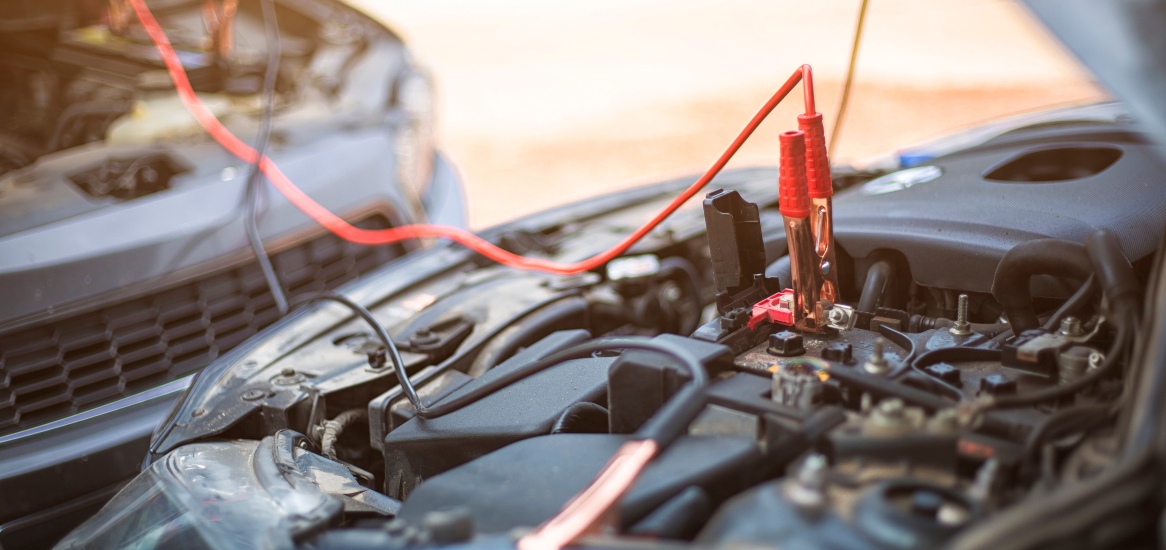
As vehicles age, their electrical systems can become less efficient, and components may draw more power. This increased electrical load puts more strain on the battery. Furthermore, older batteries naturally lose their capacity to hold a charge as their internal components degrade. In Florida, the heat accelerates this natural degradation process. A vehicle that is over five years old might be more prone to experiencing battery issues, especially if it’s been exposed to the relentless Florida sun for its entire life.
The presence of modern electronic features also contributes to the electrical load. Cars equipped with advanced infotainment systems, GPS navigation, multiple USB ports, heated seats, and other electronic amenities can draw more power from the battery, particularly when the engine is off or during short drives. For those enjoying a luxury travel experience, these features are often standard, but they can indirectly impact battery life.
Battery Quality and Maintenance
Not all car batteries are created equal. Higher-quality batteries, often made with premium materials and designed for extreme conditions, tend to last longer. Investing in a reputable brand can pay dividends, especially in a challenging climate like Florida.
Regular maintenance is also crucial. This includes checking the battery terminals for corrosion and cleaning them if necessary. Ensuring the battery is securely fastened in its tray prevents vibrations that can damage internal components. For some battery types, checking and topping up the electrolyte levels with distilled water might be recommended, although most modern batteries are maintenance-free. For tourists staying in long-term stay accommodations, performing these simple checks can prevent unexpected problems.
Maximizing Your Car Battery’s Lifespan in Florida
Given the unique environmental challenges of Florida, proactive measures can significantly extend the life of your car battery and prevent inconvenient breakdowns, whether you’re en route to a captivating landmark or returning to your apartment after a day of exploring.
Regular Battery Testing and Replacement
The most effective way to avoid unexpected battery failure is to have it tested regularly. Most auto repair shops and even many auto parts stores offer free battery testing. These tests can assess the battery’s voltage, cranking amps, and overall health, providing an indication of its remaining lifespan. It’s advisable to have your battery tested at least once a year, especially before the peak summer months in Florida.
If a battery is showing signs of weakness, such as slow cranking, dim headlights, or a warning light on the dashboard, it’s best to replace it proactively. Waiting for a battery to fail can leave you stranded, potentially at an inopportune moment, far from the comfort of your resort or villa. Replacing a battery before it dies is often more cost-effective in the long run, preventing towing fees and the inconvenience of being without your vehicle.
Smart Driving Practices
To mitigate the impact of short trips, try to combine errands into one longer drive whenever possible. If you must take short trips, try to drive for at least 20-30 minutes at a consistent speed to allow the alternator adequate time to recharge the battery. This is especially important for residents who might be navigating daily commutes in cities like Jacksonville or Fort Lauderdale.
If your vehicle will be parked for an extended period, such as during a vacation at a theme park or while staying in a long-term stay accommodation, consider using a battery tender. A battery tender is a small device that maintains the battery’s charge without overcharging it, preventing deep discharge, which can significantly shorten a battery’s life.

Protecting Your Battery from the Elements
While you can’t control the Florida heat, you can take steps to minimize its impact. Parking your car in a shaded area or a garage whenever possible can help reduce the ambient temperature around the battery. If shade isn’t available, using a sunshade for your windshield can also help keep the interior of your car cooler, indirectly benefiting the battery.
Regularly inspect the battery terminals for any signs of corrosion. If you notice white or bluish powdery deposits, clean them with a wire brush and a mixture of baking soda and water. Ensure the connections are tight. For those who enjoy outdoor activities or exploring nature, keeping these connections clean and secure is paramount to reliable transportation.
In conclusion, while the average lifespan of a car battery is typically 3 to 5 years, the unique climate of Florida, characterized by intense heat and humidity, can often shorten this period. By understanding the detrimental effects of these environmental factors, adopting smart driving habits, performing regular maintenance, and proactively testing and replacing your battery, you can significantly enhance its longevity and ensure your vehicle remains a dependable companion for all your travel adventures across the Sunshine State, from the historic streets of St. Augustine to the vibrant nightlife of South Beach.
LifeOutOfTheBox is a participant in the Amazon Services LLC Associates Program, an affiliate advertising program designed to provide a means for sites to earn advertising fees by advertising and linking to Amazon.com. Amazon, the Amazon logo, AmazonSupply, and the AmazonSupply logo are trademarks of Amazon.com, Inc. or its affiliates. As an Amazon Associate we earn affiliate commissions from qualifying purchases.