
Puerto Rico, often dubbed the “Island of Enchantment,” presents a vibrant tapestry of culture, history, and natural beauty. For travelers planning a visit, understanding the local language landscape is key to unlocking authentic experiences, whether you’re navigating the bustling streets of San Juan, exploring ancient fortresses, or relaxing on pristine beaches. While the island is a territory of the United States, its linguistic heritage is deeply rooted in Spanish, creating a fascinating bilingual environment that is both welcoming and uniquely Puerto Rican.
This article delves into the linguistic nuances of Puerto Rico, offering insights crucial for tourists. From historical context to practical tips for communication, we’ll explore how language shapes the travel experience, influences local culture, and impacts your stay, ensuring you can make the most of your adventure on this diverse Caribbean jewel.
The Official Languages of Puerto Rico: Spanish and English
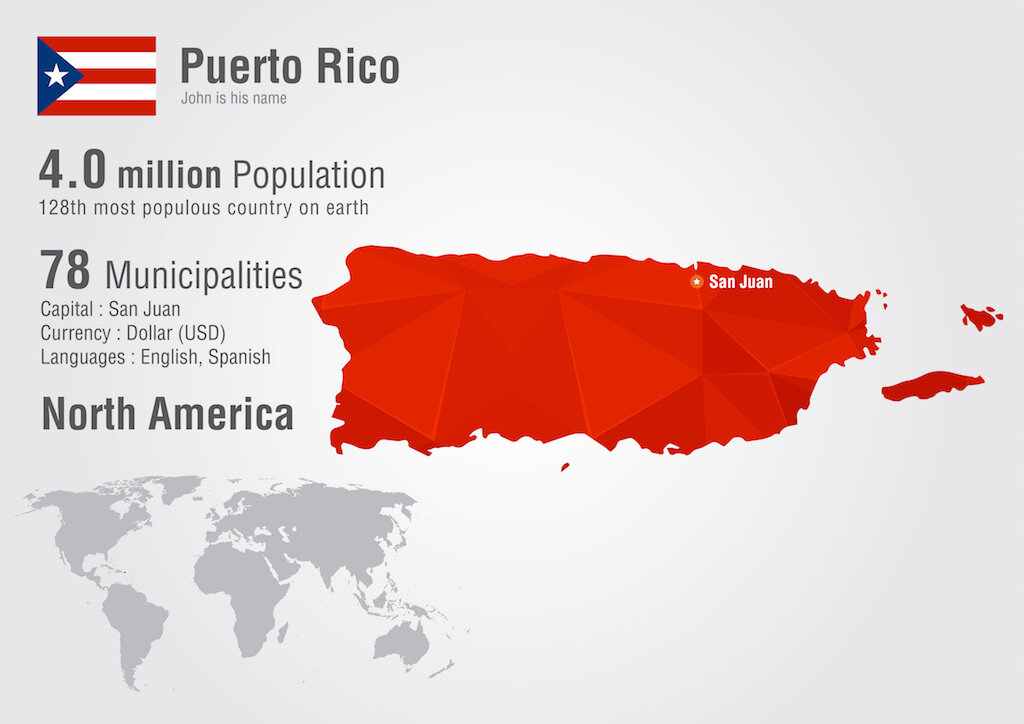
At its core, Puerto Rico is a bilingual jurisdiction. Both Spanish and English hold official language status. This dual designation stems from its unique political relationship with the United States.
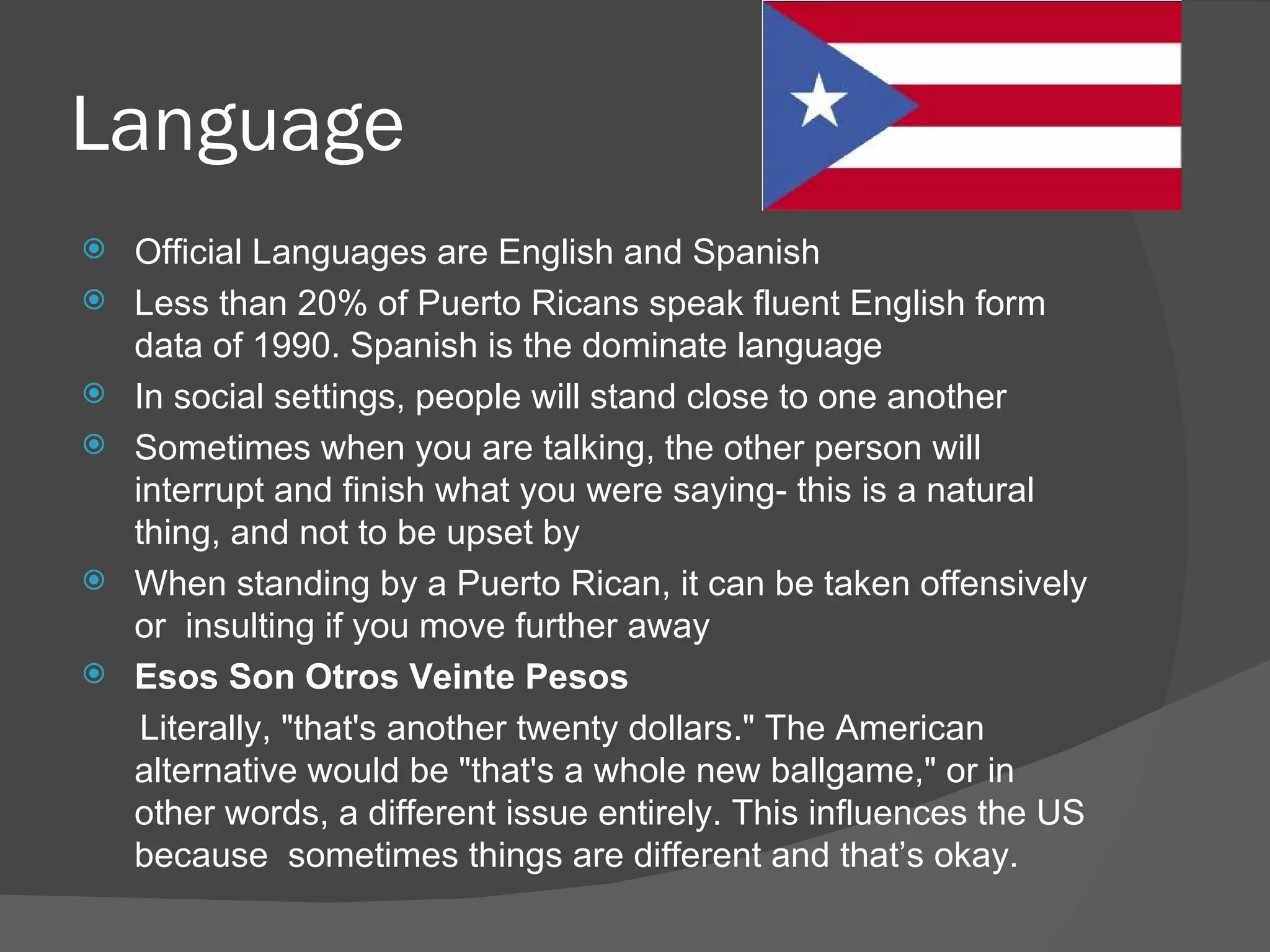
Historically, Spanish has been, and remains, the predominant language of daily life, government, education, and culture across the island. Approximately 95% of the population speaks Spanish as their primary language. This means that engaging with locals, reading street signs, understanding menus in smaller towns, and immersing yourself in the true rhythm of Puerto Rican life will primarily involve Spanish. The local dialect is a vibrant and distinct form of Caribbean Spanish, with influences from Taíno words and a unique cadence that sets it apart from other Spanish-speaking regions.
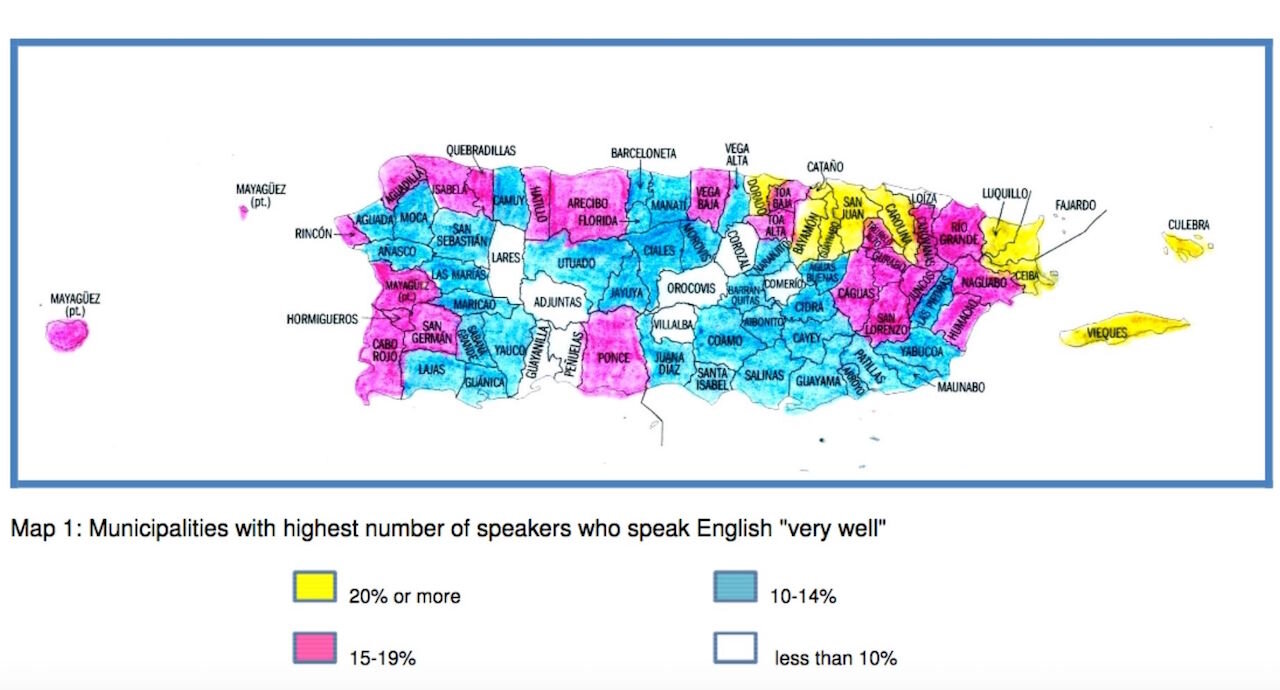
English, on the other hand, is widely taught in schools and is commonly understood, particularly in tourist-heavy areas, major cities like San Juan, and business settings. Around 10-20% of the population is considered proficient in English, with varying degrees of fluency. This percentage tends to be higher among younger generations and those working in the tourism and hospitality sectors. For visitors from English-speaking countries, this means that while navigating the island is generally manageable without fluent Spanish, making an effort to learn a few basic Spanish phrases can significantly enhance your experience and endear you to the locals.
A Glimpse into Linguistic History
To truly understand Puerto Rico’s linguistic landscape, it’s essential to look at its history. Before the arrival of Christopher Columbus in 1493, the indigenous Taíno people inhabited the island, speaking their own language. The subsequent colonization by Spain over 400 years led to the deep entrenchment of Spanish as the dominant language, effectively replacing Taíno over centuries. Many Taíno words, however, like hamaca (hammock) and huracán (hurricane), have been incorporated into Puerto Rican Spanish and, indeed, into English.
In 1898, after the Spanish-American War, Puerto Rico became a territory of the United States. For decades, there were concerted efforts by the U.S. government to promote English instruction and its use, particularly in schools. While these efforts did increase English proficiency, they never fully displaced Spanish as the primary language of the people. This historical tension between the two languages has shaped Puerto Rico’s identity and cultural resilience, making it a place where both languages coexist, sometimes in harmony, sometimes in dynamic tension.
Navigating Puerto Rico as a Tourist: Language and the Travel Experience
For tourists, the bilingual nature of Puerto Rico generally makes for a smooth and enjoyable travel experience. However, understanding where English is more prevalent and where Spanish becomes essential can significantly impact your interactions and overall trip.
Language in Major Tourist Hubs and Hotels
In popular tourist destinations such as Old San Juan, Condado, and Isla Verde, especially around major attractions like El Morro and Castillo San Cristóbal, you will find that English is widely spoken. Hotel staff at prominent establishments like Ritz-Carlton Reserve at Dorado Beach, Marriott International properties, and Hilton Hotels & Resorts will almost certainly be fluent in English. Menus in these areas are often bilingual, and tour guides will frequently offer services in both languages. Signage, especially near landmarks and in shopping districts, also tends to be in both Spanish and English.
When it comes to booking accommodation, whether it’s luxury resorts, boutique hotels, or even vacation rentals through platforms like Airbnb, communication prior to your arrival will almost certainly be in English if you initiated the inquiry in English. For those seeking an effortless experience, sticking to these well-trafficked areas and internationally branded hotels ensures minimal language barriers.
Exploring Beyond the Beaten Path
Venturing into smaller towns or less tourist-centric regions, like the mountainous interior or the charming city of Ponce (outside of its main historical center), will expose you to a more authentic Puerto Rican experience, but also a greater reliance on Spanish. In places like Luquillo for its famous kiosks, or Fajardo for bioluminescent bay tours, you’ll still find some English speakers, especially in establishments catering to visitors. However, if you plan to explore natural wonders like El Yunque National Forest or embark on a unique adventure like the Camuy River Cave Park near Arecibo, a basic grasp of Spanish will significantly enrich your interactions with local guides and vendors.
Remote islands like Vieques and Culebra, home to the world-renowned Flamenco Beach, also strike a balance. While many tourist-facing businesses will have English-speaking staff, engaging with locals outside of these spheres will primarily be in Spanish. This is where a simple “¡Hola!” or “¡Gracias!” can go a long way.
Language and Local Culture: Deeper Immersion
Language is inextricably linked to culture, and in Puerto Rico, Spanish is the beating heart of its identity. From the rhythm of salsa music echoing through La Placita de Santurce to the passionate discussions over a cup of strong Puerto Rican coffee, Spanish is the medium through which the island’s soul expresses itself.
Engaging with the local food scene, for example, is far more enriching with a basic understanding of Spanish. While larger restaurants may have bilingual menus, stepping into a local lechonera or a small panadería will often require some Spanish to order traditional dishes like mofongo, pasteles, or arroz con gandules. The experience goes beyond just ordering; it’s about understanding the stories behind the food, the recommendations from the chef, and the friendly banter among patrons.
Similarly, visiting cultural sites like the Bacardi Distillery or participating in local festivals will be more immersive. While tours often accommodate English speakers, the informal conversations, jokes, and expressions of local pride are usually in Spanish. Learning even a few cultural idioms can open doors to deeper connections and a more authentic appreciation of Puerto Rico’s heritage.
Practical Tips for Travelers: Bridging the Language Gap
While total fluency in Spanish is by no means a prerequisite for a fantastic trip to Puerto Rico, a little effort goes a long way. Here are some practical tips to help you navigate the language landscape and enhance your travel experience:
Learn Basic Spanish Phrases
Before you go, try to familiarize yourself with essential Spanish phrases. Even simple greetings and polite expressions can make a big difference:
- ¡Hola! (Hello!)
- ¡Buenos días/tardes/noches! (Good morning/afternoon/evening!)
- Por favor (Please)
- Gracias (Thank you)
- De nada (You’re welcome)
- Permiso (Excuse me / Pardon me)
- ¿Habla inglés? (Do you speak English?)
- No entiendo (I don’t understand)
- ¿Cuánto cuesta? (How much does it cost?)
- ¡Salud! (Cheers! / Bless you!)
Locals appreciate the effort, even if your pronunciation isn’t perfect. It shows respect for their culture and can lead to warmer interactions.
Utilize Technology
Smartphone apps can be invaluable tools. Google Translate or similar translation apps can help you understand menus, signs, or even hold basic conversations in real-time. Downloading an offline Spanish dictionary or phrasebook can be useful, especially in areas with limited internet access.
Choose Accommodation Wisely for Your Comfort Level
If language is a major concern, consider staying in larger, internationally branded hotels in metropolitan areas like San Juan. Resorts such as El Conquistador Resort or the aforementioned Ritz-Carlton Reserve are designed to cater to a global clientele, with multilingual staff and comprehensive services. For those seeking a more immersive, budget-friendly experience, local guesthouses or smaller apartments might mean more reliance on Spanish, but also offer richer cultural exchanges. When booking, check reviews for mentions of staff language proficiency if it’s a critical factor for you.
Embrace the Experience
Part of the joy of international travel is stepping outside your comfort zone. Don’t be afraid to try communicating, even if it’s with gestures or a mix of Spanish and English. Puerto Ricans are known for their warmth and hospitality, and most will be patient and willing to help you. Many will even be eager to practice their English with you.
In conclusion, while Puerto Rico officially embraces both Spanish and English, Spanish is undeniably the soul of the island. Travelers will find English widely spoken in tourist areas and major hotels, ensuring a comfortable visit for most. However, learning a few Spanish phrases and being open to linguistic immersion will undoubtedly deepen your connection to this vibrant culture and transform your trip into an unforgettable journey. As Discover Puerto Rico often highlights, the island’s unique blend of cultures and languages is one of its greatest treasures, inviting visitors to experience its charm firsthand.
LifeOutOfTheBox is a participant in the Amazon Services LLC Associates Program, an affiliate advertising program designed to provide a means for sites to earn advertising fees by advertising and linking to Amazon.com. Amazon, the Amazon logo, AmazonSupply, and the AmazonSupply logo are trademarks of Amazon.com, Inc. or its affiliates. As an Amazon Associate we earn affiliate commissions from qualifying purchases.