
Navigating the intricacies of time zones is a fundamental aspect of travel planning, ensuring smooth transitions and synchronized experiences, whether you’re embarking on a leisurely vacation or a critical business trip. For those looking to explore the vibrant landscapes, rich history, and dynamic culture of the United States, understanding local time is paramount. Specifically, for travelers heading to the Sooner State, a common question arises: “What time zone is Oklahoma?” The answer is straightforward, yet its implications touch upon every facet of travel, from booking accommodations to exploring landmarks and enjoying local cuisine. This comprehensive guide delves into Oklahoma’s time zone, offering invaluable insights for anyone planning a visit to this captivating corner of America.
Understanding Oklahoma’s Primary Time Zone
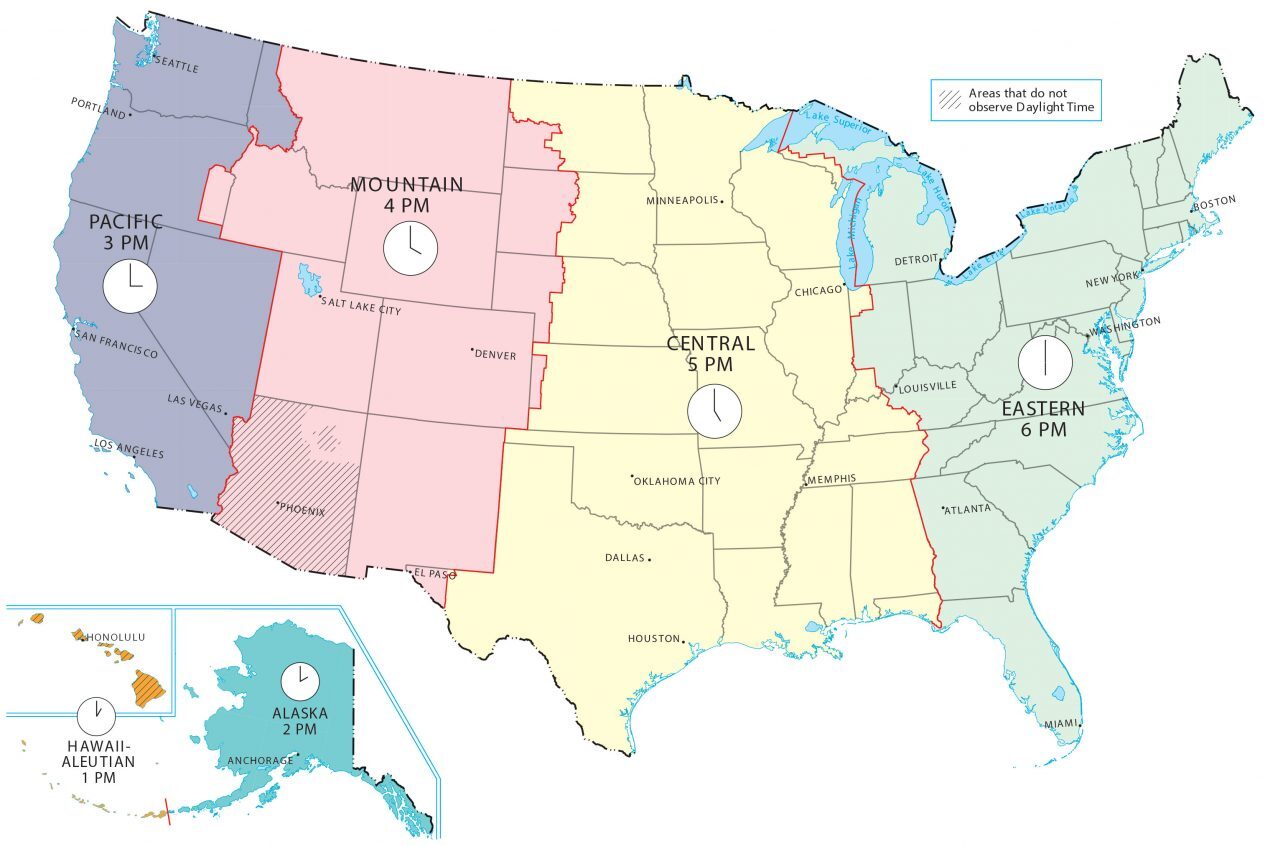
At its core, the vast majority of Oklahoma observes the Central Time Zone. This places it firmly within a band of states that share a common time reference, distinct from its neighbors to the east and west. Knowing this provides the foundation for any traveler to plan their itinerary effectively, ensuring they arrive on schedule for flights, check-ins, and pre-booked activities.
Central Standard Time (CST) and Central Daylight Time (CDT)
Like much of the United States, Oklahoma operates under a system that alternates between standard time and daylight saving time.
- Central Standard Time (CST): During the cooler months, typically from early November to early March, Oklahoma adheres to Central Standard Time. This is designated as Coordinated Universal Time (UTC-6) or Greenwich Mean Time (GMT-6). This means that Oklahoma is six hours behind Coordinated Universal Time.
- Central Daylight Time (CDT): With the arrival of spring, usually in mid-March, Oklahoma shifts to Central Daylight Time. Clocks are moved forward by one hour, making it UTC-5 or GMT-5. This change allows for longer daylight hours in the evenings, a feature much appreciated for outdoor activities and extended sightseeing during the warmer seasons.
This transition is a critical point for travelers. Forgetting to adjust your internal clock or travel plans for Daylight Saving Time can lead to missed appointments or confusion, especially when coordinating with people in different time zones. Most modern devices automatically update, but a quick double-check upon arrival or before your trip can save a lot of hassle.
The Impact of Daylight Saving Time in Oklahoma
The practice of Daylight Saving Time, while designed to conserve energy and optimize daylight use, can occasionally cause minor disruptions for travelers who are not accustomed to it. When visiting Oklahoma, especially during the spring “spring forward” or fall “fall back,” it’s advisable to:
- Confirm Reservations: Double-check all hotel bookings, flight times, and activity reservations. While most systems account for DST, individual vendors or smaller establishments might have specific operating hours.
- Adjust Internal Clocks: Give yourself time to adjust to the one-hour shift, particularly if you are sensitive to changes in sleep patterns. This is less pronounced than significant jet lag but can still affect your energy levels.
- Plan Outdoor Activities: The extra hour of daylight in the evenings during CDT is perfect for exploring Oklahoma’s natural beauty or enjoying outdoor attractions without rushing.
While the vast majority of Oklahoma observes Central Time Zone uniformly, it’s worth noting that a very small sliver of the state’s westernmost panhandle, specifically the town of Kenton and the area around Black Mesa, sometimes unofficially operates on Mountain Time Zone due to its proximity to New Mexico and Colorado. However, for practical purposes and official schedules, it remains within the Central Time Zone. Travelers rarely encounter this minor anomaly, but it’s an interesting geographical note.
Navigating Time Across Oklahoma’s Vibrant Destinations
From bustling urban centers to serene natural retreats, Oklahoma offers a diverse range of experiences. Regardless of your chosen destination within the state, you can rest assured that the time zone remains consistent, simplifying your travel plans.
Oklahoma City: A Metropolis in CST/CDT
The capital and largest city, Oklahoma City, pulses with energy, history, and modern attractions. From the solemn reflection at the Oklahoma City National Memorial to the vibrant entertainment district of Bricktown, every clock in Oklahoma City ticks to Central Time Zone.
- Attractions: When planning visits to the Myriad Botanical Gardens, the National Cowboy & Western Heritage Museum, or catching a performance, remember that all schedules are based on CST/CDT.
- Dining and Nightlife: Oklahoma City’s culinary scene, especially in Bricktown and the Plaza District, operates on local time. Reservations for popular restaurants should always be confirmed in Central Time Zone.
- Accommodation: Whether you choose a luxurious stay at The Skirvin Hilton Oklahoma City or a cozy boutique hotel, check-in and check-out times will be in CST/CDT.
Tulsa and Eastern Oklahoma: Synchronized Exploration
Further east, Tulsa, the state’s second-largest city, offers a rich blend of Art Deco architecture, a thriving arts scene, and significant historical sites. Like Oklahoma City, Tulsa also observes Central Time Zone.
- Cultural Gems: Explore the impressive collections at the Philbrook Museum of Art or enjoy the expansive green spaces of the Gathering Place with confidence in the local time.
- Historical Journeys: Venture into nearby Guthrie, Oklahoma’s first state capital, or explore the rich heritage of the Cherokee Nation and other tribal lands in eastern Oklahoma, all operating on the same Central Time Zone.
- Hotels in Tulsa: From the historic charm of the Ambassador Hotel Tulsa to modern suites, all accommodation bookings will adhere to Central Time Zone schedules.
Even destinations further east, bordering Arkansas and Missouri, such as the recreational hub around Grand Lake O’ the Cherokees or the scenic Ouachita Mountains and Ozark Mountains, remain in Central Time Zone. This consistency simplifies travel planning for those exploring the diverse regions of the state.
Western Oklahoma and the Panhandle: Uniformity Prevails
Moving westward towards the Texas, Kansas, New Mexico, and Colorado borders, the Oklahoma panhandle and western regions like Woodward and Guymon also observe the Central Time Zone. This uniformity is a blessing for travelers traversing the vast expanses of the state, particularly those exploring historic Route 66 or the rugged beauty of the Wichita Mountains Wildlife Refuge. There are no inconvenient time zone changes to worry about within the state’s official boundaries, making cross-state road trips seamless.
Travel Planning and Accommodation: Time Zone Considerations
Understanding Oklahoma’s time zone is not just an interesting fact; it’s a practical necessity for efficient travel planning. From the moment you book your flight to the last souvenir purchase, time zone awareness plays a role.
Booking Hotels and Flights: Ensuring Seamless Transitions
When coordinating travel to Oklahoma, particular attention to time zones can prevent headaches:
- Flight Schedules: If you’re flying into Will Rogers World Airport in Oklahoma City or Tulsa International Airport, always confirm departure and arrival times in relation to your originating time zone. A flight departing at 9:00 AM Eastern Time Zone will arrive in Oklahoma (CST) at a local time two hours earlier (e.g., 8:00 AM or 7:00 AM, depending on DST), which can either give you more time or less than you expected, depending on your direction of travel.
- Hotel Check-ins/Check-outs: All hotels in Oklahoma, from luxury resorts and boutique suites to budget-friendly apartments and villas, operate on local Central Time Zone hours. Confirm your check-in window and departure times to avoid extra charges or inconveniences. If arriving from a different time zone, factor in potential jet lag affecting your readiness for immediate check-in.
- Accommodation Booking Platforms: When using online booking platforms for hotels, long-term stays, or vacation rentals, ensure that all displayed times for availability, amenities, and cancellations are clearly specified in the local time zone or that you adjust them accordingly. This is especially crucial for comparing options and reading reviews from guests who might have experienced different time zone shifts.
Maximizing Your Oklahoma Experience: Activities and Dining
Effective time management, informed by the local time zone, allows you to fully immerse yourself in Oklahoma’s local culture, food, and activities.
- Attraction Operating Hours: Whether you’re planning to visit the Science Museum Oklahoma, explore the Chickasaw Cultural Center, or spend a day at Turner Falls Park, their operating hours will be in CST/CDT. Always cross-reference opening and closing times with your planned itinerary.
- Dining Reservations: Oklahoma boasts a diverse culinary scene, from traditional Native American dishes to renowned barbecue and farm-to-table restaurants. Making reservations, especially for popular spots like The Pioneer Woman Mercantile in Pawhuska or fine dining in Oklahoma City and Tulsa, requires accurate time zone conversion if you’re calling from elsewhere.
- Event Schedules: From local festivals and concerts to sporting events, all public events will adhere to the Central Time Zone. Stay informed to catch your preferred activities.
Embracing Oklahoma’s Culture and Landmarks on Local Time
Beyond the practicalities, understanding Oklahoma’s time zone allows for a more authentic and unhurried experience of its unique identity. It lets you synchronize with the rhythm of local life, from morning coffees to evening sunsets.
Iconic Landmarks and Their Operating Hours
Oklahoma is dotted with famous places, significant architecture, and historical sites that tell the story of the state. Planning your visits to these landmarks means respecting their operating hours, which are always local:
- Historical Treasures: The Oklahoma History Center in Oklahoma City, the Woolaroc Museum & Wildlife Preserve near Bartlesville, or the distinctive Arcadia Round Barn on Route 66 all have specific opening and closing times in CST/CDT.
- Natural Wonders: The gates to Beavers Bend State Park, the trails around Lake Texoma, or the visitor centers at the Wichita Mountains Wildlife Refuge will be governed by the local time. Early risers can capitalize on the morning hours, especially during CDT, for hiking, fishing, or photography.
- Unique Attractions: Even quirky roadside attractions like the Blue Whale of Catoosa might have associated gift shops or facilities with specific hours. Always check ahead.
Immersing in Local Events and Cuisine
The local lifestyle in Oklahoma is deeply intertwined with its time zone. Participating in local events and enjoying the food scene are quintessential parts of the tourism experience.
- Festivals and Fairs: Throughout the year, various cities host events, from music festivals in Norman to art shows in Edmond or rodeos in Stillwater and Lawton. Event schedules are always local, so having your internal clock set to CST/CDT ensures you don’t miss out.
- Culinary Exploration: The pace of dining in Oklahoma varies. While some establishments cater to early bird diners, others, particularly in Oklahoma City and Tulsa’s entertainment districts, extend their hours into the night. Adjusting your meal times to align with local customs can enhance your experience, making you feel less like a tourist and more like a local.
- Local Shopping: From sprawling malls in Broken Arrow to charming boutiques in Guthrie or artisan shops in Muskogee, retail hours are set according to local time. This is especially relevant for budget travelers looking for deals or luxury travelers seeking unique finds.
Time Zone Wisdom for Every Traveler
Regardless of your travel style — be it luxury, budget, family, or business — understanding Oklahoma’s time zone equips you with the knowledge to make the most of your journey.
Business Trips and Remote Work Challenges
For business travelers or those blending work with leisure, time zone differences can be particularly challenging:
- Meeting Schedules: When conducting business in Oklahoma, all local meetings, conferences, and appointments will follow the Central Time Zone. If you’re coordinating with colleagues in other time zones (e.g., Eastern Time Zone or Pacific Time Zone), precise conversion is vital to avoid scheduling conflicts.
- Remote Work: If you’re staying in Oklahoma for an extended period for remote work, aligning your working hours with your team’s primary time zone while also enjoying local life requires careful planning. Leveraging the early morning hours in CST/CDT might give you a head start on your workday if your team is on the Pacific Time Zone, or allow for a more leisurely start if they are on the Eastern Time Zone.
- Business Accommodation: Hotels catering to business travelers often offer amenities like 24-hour business centers and flexible check-in/check-out options, which can be beneficial when dealing with time zone shifts for important calls or deadlines.
Family Adventures and Leisurely Stays
Family trips and leisurely stays also benefit from a clear understanding of the time zone:
- Children’s Schedules: Traveling with children often means adhering to their routines. Knowing the local time helps plan meals, naps, and activities without disrupting their sleep patterns too much, minimizing meltdowns and maximizing fun at places like Scissortail Park or the National Weather Center.
- Maximizing Daylight: For leisure travelers, the consistent daylight hours during CDT mean more time to explore outdoor attractions, relax by the pool at a resort, or enjoy scenic drives without rushing. For budget travelers, this translates to more free outdoor activities.
- Booking Reviews and Comparisons: When researching accommodations or activities, pay attention to reviews that mention operating hours or experiences related to time, especially if they are from travelers who experienced significant time zone changes upon arrival.
In conclusion, for anyone asking, “What time zone is Oklahoma?” the resounding answer is the Central Time Zone, transitioning between Central Standard Time and Central Daylight Time. This consistent approach across the state simplifies travel and allows visitors to focus on what truly matters: experiencing the warmth, beauty, and unique culture of this incredible destination. By keeping this in mind, your journey through Oklahoma will be as seamless and enjoyable as possible.
LifeOutOfTheBox is a participant in the Amazon Services LLC Associates Program, an affiliate advertising program designed to provide a means for sites to earn advertising fees by advertising and linking to Amazon.com. Amazon, the Amazon logo, AmazonSupply, and the AmazonSupply logo are trademarks of Amazon.com, Inc. or its affiliates. As an Amazon Associate we earn affiliate commissions from qualifying purchases.