
The question “When will Florida be underwater?” is a provocative one, often sparking both concern and curiosity among those who cherish the Sunshine State as a premier travel destination. While the headline might seem alarmist, it squarely addresses a crucial conversation shaping the future of global travel and, more specifically, the captivating landscapes of Florida. For decades, Florida has captivated millions with its sun-drenched beaches, vibrant cities, and unparalleled attractions. From the theme park thrills of Orlando to the historic charm of St. Augustine, the diverse ecosystems of Everglades National Park to the lively streets of Miami, it offers an endless array of experiences for every type of traveler.
However, the reality of climate change and accelerating sea-level rise casts a long shadow over these beloved coastal destinations. As a low-lying peninsula surrounded by the Atlantic Ocean and the Gulf Coast, Florida finds itself on the front lines of this environmental challenge. This article will delve into the scientific projections concerning sea-level rise, explore which iconic Florida landmarks and tourist hubs are most vulnerable, and crucially, highlight the innovative strategies being employed to protect and preserve the state’s vibrant tourism industry. We’ll also provide guidance for travelers seeking to explore Florida responsibly, emphasizing how they can continue to enjoy its beauty while supporting sustainable practices. The aim is not to predict an imminent disappearance, but to foster an understanding of the ongoing transformations and the proactive measures being taken to ensure Florida remains a cherished destination for generations to come.
The Shifting Sands of the Sunshine State: Understanding Sea-Level Rise in Florida
The question isn’t if sea levels are rising, but rather how quickly and what the implications are for coastal regions globally, and particularly for a state as uniquely situated as Florida. Understanding the science behind these changes is paramount for both residents and visitors alike.
The Science Behind the Tide
Global sea-level rise is primarily driven by two key factors: the thermal expansion of ocean water as it warms, and the melting of glaciers and ice sheets. As the planet’s temperature increases, the vast expanse of ocean absorbs a significant portion of that heat, causing the water molecules to expand and occupy more volume. Simultaneously, massive ice formations in Greenland and Antarctica, along with mountain glaciers worldwide, are melting at an accelerated rate, adding colossal volumes of water to the oceans.
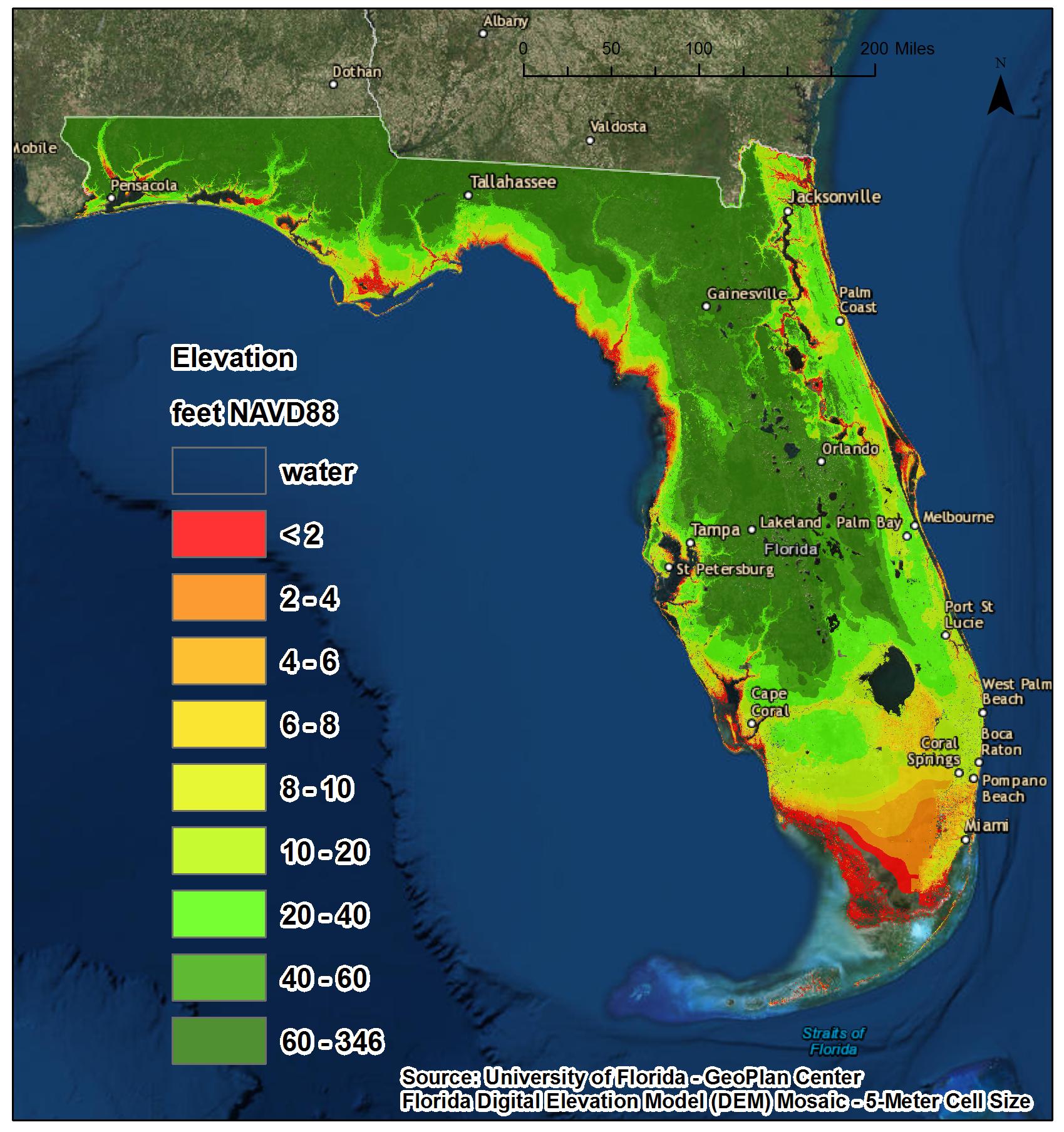
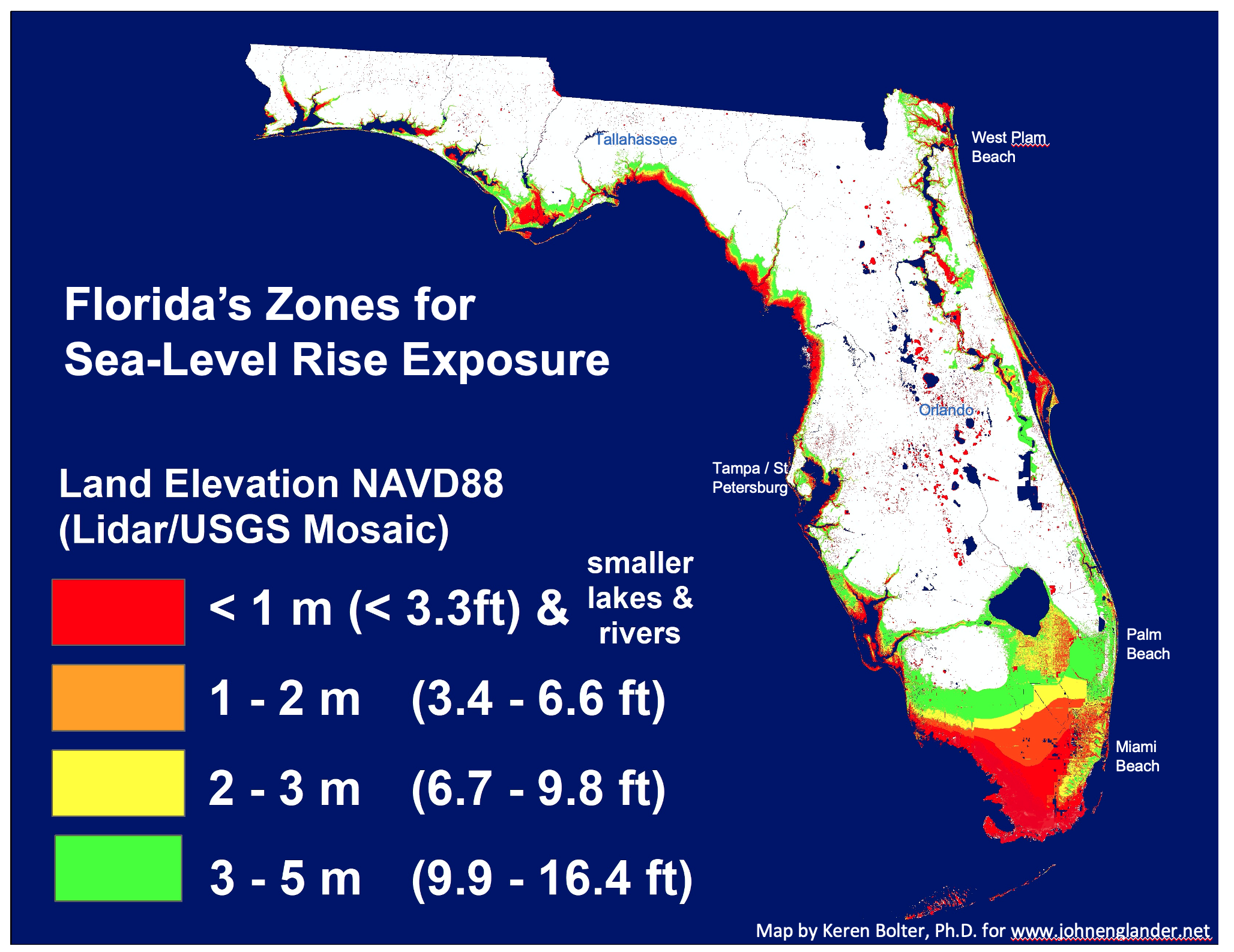
For Florida, these global phenomena are exacerbated by local geological conditions. Much of the state sits on porous limestone bedrock, making it particularly susceptible to saltwater intrusion. This means that rising sea levels don’t just affect the coastline; saltwater can push inland through the underlying rock, contaminating freshwater aquifers, impacting agricultural land, and threatening delicate ecosystems far from the immediate shore. Projections from scientific bodies like the National Oceanic and Atmospheric Administration (NOAA) suggest varying rates of rise, but a general consensus indicates that Florida could see an additional foot or more of sea-level rise by 2050, with several feet possible by the end of the century. While these numbers might sound small, even a few inches can dramatically increase the frequency and intensity of nuisance flooding, particularly during king tides or storm surges, directly affecting infrastructure, public services, and the very foundation of the state’s tourism economy.
Vulnerable Shores and Iconic Destinations
Florida’s appeal is intrinsically tied to its proximity to water, which also makes it incredibly vulnerable. Several of its most iconic cities and natural wonders are grappling with the immediate and long-term impacts of rising seas.
Miami and Miami Beach: Perhaps the most publicized example, Miami and its glamorous neighbor, Miami Beach, are ground zero for sea-level rise adaptation efforts. Areas like South Beach routinely experience sunny day flooding, disrupting pedestrian access, local businesses, and road networks. The city’s reliance on a vibrant beachfront for its luxury resorts, hotels, and lifestyle makes this an existential challenge for its travel and tourism sector.
The Florida Keys: This string of picturesque islands stretching into the Caribbean is arguably the most imperiled region. With an average elevation of just a few feet above sea level, roads like the Overseas Highway (which could be slugified as overseas-highway) and historic sites in Key West are increasingly at risk. Resorts, marinas, and charming guesthouses on islands like Key West, already feel the pinch, requiring extensive and costly infrastructure upgrades to remain viable. Popular attractions such as Bahia Honda State Park and the remote beauty of Dry Tortugas National Park face threats to their natural and historic integrity.
Everglades National Park: This unique wetland ecosystem, a UNESCO World Heritage site, is delicately balanced between freshwater and saltwater. Rising sea levels push saltwater further inland, fundamentally altering the habitat for its iconic wildlife, including alligators, crocodiles, and countless bird species. The park’s famous airboat tours, hiking trails, and visitor centers are vulnerable to habitat destruction and increased inundation.
Coastal Cities on Both Coasts: Cities like St. Petersburg and Tampa on the Gulf Coast, and Fort Lauderdale, Jacksonville, Sarasota, Naples, and West Palm Beach on the Atlantic Ocean, are all grappling with increased flooding. Historic districts, beachfront properties, and crucial infrastructure are under threat, posing significant challenges for urban tourism, property values, and the overall visitor experience. Even the famous white sands of Panama City Beach, Destin, and Clearwater Beach are experiencing erosion that demands ongoing intervention.

Adapting to a New Reality: Resilience and Innovation in Florida Tourism
Despite the profound challenges, Florida is not succumbing passively to the rising tides. Instead, the state, its local governments, and its robust tourism industry are actively engaging in innovative adaptation and mitigation strategies. These efforts are not only about protecting property but also about preserving the unique travel experiences that define Florida.
Engineering Solutions and Urban Planning
Coastal Florida is becoming a living laboratory for cutting-edge engineering and urban planning aimed at climate resilience. Cities like Miami Beach have invested hundreds of millions of dollars in a comprehensive plan that includes elevating roads, installing advanced pump stations to clear floodwaters, and raising seawalls. While this means some temporary disruptions for visitors, these projects are essential for the long-term viability of the destination. New building codes increasingly require higher foundations for new construction, and some historic buildings in areas like Coral Gables or St. Augustine are undergoing sensitive elevation projects. For tourists, this might translate to slightly different urban landscapes, with elevated pedestrian paths offering unique vantage points, or new architectural styles integrating flood protection features. Iconic resorts such as The Breakers in Palm Beach (West Palm Beach covers it) or The Diplomat Beach Resort in Hollywood (which would be the slug for Hollywood, FL) are also actively retrofitting their properties, investing in resilient landscaping, and exploring advanced water management systems to safeguard guest experiences and amenities.
Sustainable Tourism and Conservation Efforts
Beyond hard infrastructure, there’s a growing focus on leveraging natural systems and promoting sustainable tourism practices to build resilience. Florida is renowned for its diverse ecosystems, and protecting these natural assets is critical for both environmental health and tourism appeal.
- Mangrove Restoration: Mangrove forests act as natural buffers against storm surge and erosion, absorbing wave energy and stabilizing shorelines. Extensive projects are underway to restore and expand these vital coastal habitats, creating healthier environments for marine life and protecting adjacent communities and beaches popular with visitors.
- Coral Reef Protection: The Florida Keys boast the continental United States’ only living coral barrier reef. Conservation efforts, including reef restoration programs and strict regulations on boating and diving, are crucial. Travelers can participate in eco-tours that support these initiatives, learning about the fragile ecosystem and its importance.
- Wetland Preservation: Areas like Everglades National Park are undergoing massive restoration projects aimed at restoring natural water flow, which helps combat saltwater intrusion and preserves critical habitats. Eco-tourism in these areas often highlights these conservation successes.
For visitors, this emphasis on sustainability creates opportunities for more meaningful and responsible travel. Exploring preserved state parks, engaging with local conservation groups, or choosing hotels and resorts committed to environmental stewardship provides a richer experience that aligns with the future of travel.
Redefining the Tourist Experience
As coastal landscapes evolve, so too will the tourist experience in Florida. This isn’t necessarily a negative; it opens doors for new types of adventures and highlights the state’s incredible diversity beyond its immediate shores.
- Elevated and Resilient Attractions: Future coastal developments might feature elevated boardwalks, viewing platforms, and even “floating” architecture designed to adapt to higher water levels, offering novel perspectives on the landscape.
- New Water-Based Activities: With changing waterways, new opportunities for kayaking, paddleboarding, and boat tours exploring altered coastlines or rehabilitated mangrove tunnels could emerge.
- Focus on Inland and Higher Ground: The shift in focus may increasingly steer visitors towards Florida’s expansive inland offerings. This includes the world-famous theme parks of Orlando, the historic charm of St. Augustine, the natural springs near Gainesville and Ocala, and the vast network of Florida State Parks. This diversification will ensure Florida continues to offer compelling travel experiences even as its coastline transforms. Many communities are actively promoting their unique cultural aspects, local cuisine, and lesser-known natural wonders as integral parts of the Florida story.
Planning Your Florida Escape: Travel in a Changing Climate
The evolving landscape of Florida necessitates a thoughtful approach to travel planning, ensuring that your trip is both enjoyable and contributes positively to the state’s resilience efforts. Florida’s allure remains undeniable, but a discerning traveler can make choices that enhance their experience while supporting a sustainable future.
Exploring Florida’s Diverse Offerings
While its beaches are world-renowned, Florida offers a treasure trove of experiences far beyond the immediate coastline, many of which are inherently less susceptible to the direct impacts of sea-level rise.
- Theme Park Capital: Orlando remains the undisputed theme park capital of the world. Immerse yourself in the magic of Walt Disney World Resort with its four distinct parks—Magic Kingdom, Epcot, Hollywood Studios, and Animal Kingdom—or explore the thrilling worlds of Universal Orlando Resort, home to Universal Studios Florida, Islands of Adventure, and the enchanting The Wizarding World of Harry Potter.
- Historic Gems: Step back in time in St. Augustine, the nation’s oldest continuously inhabited European-established settlement. Its cobblestone streets, ancient forts, and charming architecture offer a distinct cultural experience. Ybor City in Tampa provides a vibrant historical and culinary journey.
- Natural Springs and Forests: Discover Florida’s “other” water wonders – its crystalline freshwater springs. Areas around Gainesville and Ocala are dotted with incredible natural pools perfect for swimming, snorkeling, and diving. Silver Springs State Park, Weeki Wachee Springs State Park, and Devil’s Den Spring are just a few examples of these enchanting natural landmarks.
- Space Exploration: Visit the Kennedy Space Center Visitor Complex near Daytona Beach for an awe-inspiring look at space exploration, far removed from coastal flood concerns.
- Inland Cultural Experiences: Explore the arts and culture scenes in cities like Sarasota (beyond its beaches), Fort Myers, or the charming boutiques and restaurants of Amelia Island in northern Florida.
Choosing Resilient Accommodations and Experiences
When planning your stay, consider accommodations that are either located in areas less prone to coastal flooding or that actively demonstrate a commitment to sustainability and resilience.
- Research Locations: For coastal trips, choose areas that have invested heavily in flood protection, or consider staying slightly inland while still enjoying easy access to the beaches.
- Eco-Certified Hotels and Resorts: Look for properties with eco-certifications or those that highlight their sustainable practices, such as water conservation, energy efficiency, and waste reduction. Many hotels, resorts, apartments, and villas in Florida are increasingly adopting green initiatives.
- Support Local, Sustainable Businesses: Opt for tour operators who prioritize eco-friendly practices, use electric or hybrid vehicles, and focus on educational experiences about Florida’s natural environment.
Supporting Responsible Tourism
Your choices as a traveler have a direct impact. By being mindful and supportive, you can contribute to Florida’s ongoing efforts to adapt and thrive.
- Educate Yourself: Learn about the local environment and the challenges it faces. Respect natural habitats, especially in sensitive areas like the Everglades National Park or the Florida Keys.
- Reduce Your Footprint: Practice responsible tourism by minimizing waste, conserving water and energy, and choosing public transport or carpooling when possible.
- Engage with Conservation: Consider voluntourism opportunities where you can directly contribute to coastal cleanup efforts, habitat restoration, or wildlife protection programs. Many Florida State Parks welcome volunteers.
- Shop Local: Support local businesses, artists, and farmers, ensuring that your tourism dollars circulate within the community and contribute to local economies that are investing in resilience.
In conclusion, the question of “When will Florida be underwater?” serves as a powerful reminder of the imperative to address climate change. However, it also highlights the profound resilience and innovative spirit of a state determined to protect its natural beauty and vibrant culture. Florida’s future as a premier travel destination is not one of disappearance, but one of transformation, adaptation, and continued exploration. By understanding these dynamics and making responsible travel choices, visitors can continue to enjoy the unparalleled experiences Florida offers, contributing to its sustainable future for generations to come.
LifeOutOfTheBox is a participant in the Amazon Services LLC Associates Program, an affiliate advertising program designed to provide a means for sites to earn advertising fees by advertising and linking to Amazon.com. Amazon, the Amazon logo, AmazonSupply, and the AmazonSupply logo are trademarks of Amazon.com, Inc. or its affiliates. As an Amazon Associate we earn affiliate commissions from qualifying purchases.