
The question of when Puerto Rico became part of the United States is more than just a historical footnote; it’s the origin story of a vibrant Caribbean destination with a unique cultural identity and a fascinating political status. For travelers and history buffs alike, understanding this relationship enriches any visit to the island, shedding light on everything from its currency and language to its diverse architecture and the ease of travel for U.S. citizens.
In essence, Puerto Rico formally became a U.S. territory on December 10, 1898, following the signing of the Treaty of Paris. This pivotal moment marked the end of the Spanish-American War and set the stage for over a century of evolving ties between the island and the mainland United States. Today, Puerto Rico stands as an alluring travel hub, offering a blend of historical depth, breathtaking natural beauty, and modern amenities that cater to every type of lifestyle traveler.
A Historical Junction: From Spanish Colony to U.S. Territory
The journey of Puerto Rico from a Spanish colony to a U.S. territory is a compelling narrative that begins in the late 19th century, shaped by geopolitical shifts and the pursuit of new global influence.
The Spanish-American War and the Treaty of Paris
For over 400 years, Puerto Rico was a colony of Spain, serving as a strategic military outpost and a hub for trade in the Caribbean. However, the late 1800s saw Spain’s imperial power wane, while the United States emerged as a burgeoning global force. The catalyst for change came with the Spanish-American War in 1898. The conflict, largely centered around Cuba’s fight for independence, quickly spread, leading to U.S. forces landing in Puerto Rico in July 1898.
The war was brief, and its conclusion was sealed with the signing of the Treaty of Paris on December 10, 1898. Under this treaty, Spain ceded Puerto Rico, Cuba (which gained independence), and Guam to the United States for the sum of $20 million. The Philippines was also sold to the U.S. in the same treaty. This date, December 10, 1898, is the precise answer to “when” Puerto Rico officially became a U.S. territory, marking a definitive end to Spanish rule and the beginning of a new chapter under American sovereignty.

Establishing U.S. Governance and Citizenship
Following the Treaty of Paris, Puerto Rico initially operated under U.S. military rule. This period was characterized by significant administrative changes and the gradual introduction of American institutions. In 1900, the U.S. Congress passed the Foraker Act (also known as the Organic Act of 1900), establishing a civilian government in Puerto Rico. This act made Puerto Rico an unincorporated territory, meaning that while it was owned by the United States, not all provisions of the U.S. Constitution automatically applied to it.
A more profound shift occurred in 1917 with the passage of the Jones-Shafroth Act. This landmark legislation granted U.S. citizenship to all Puerto Ricans, allowing them to travel freely to the mainland United States and participate in federal services, though they still could not vote in U.S. presidential elections and had no voting representation in Congress. This act solidified the ties between the island and the mainland, paving the way for easier movement of people and the deepening of cultural and economic connections, which are palpable for travelers exploring the bustling streets of San Juan or the serene countryside.
Puerto Rico’s Unique Status: A Commonwealth Under the U.S. Flag
The political status of Puerto Rico is one of its most defining characteristics, shaping both its internal governance and its relationship with the United States. This unique arrangement has significant implications for travelers, making the island an incredibly accessible and appealing destination for U.S. citizens.
The Road to Commonwealth
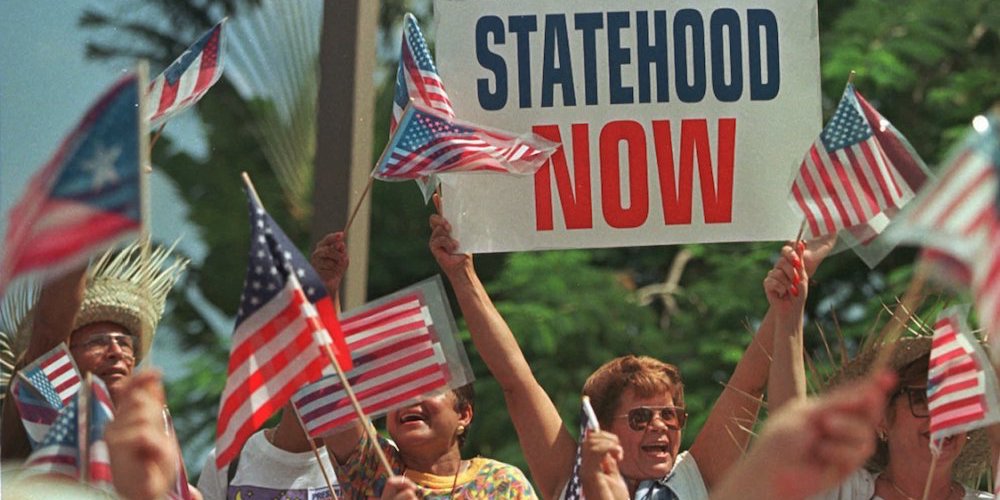
The political evolution of Puerto Rico continued throughout the 20th century. In 1950, Congress passed Public Law 600, allowing Puerto Ricans to draft their own constitution. This led to the adoption of the Commonwealth Constitution in 1952, establishing the Estado Libre Asociado (Free Associated State), or Commonwealth of Puerto Rico. Under this status, Puerto Rico has a significant degree of self-governance, including its own elected governor and legislative assembly, while remaining subject to U.S. federal laws, jurisdiction, and protection.
This commonwealth status creates a fascinating dynamic. While Puerto Ricans are U.S. citizens, pay federal taxes like Social Security and Medicare, and use the U.S. dollar, they do not pay federal income tax on income earned in Puerto Rico. This unique blend of autonomy and integration contributes to the island’s distinct identity, often described as “two cultures, one flag.” For visitors, this translates into a destination that feels both familiar and exotically different, offering the comfort of U.S. standards alongside the vibrant traditions of Caribbean and Latin American heritage.

Travel Advantages for U.S. Citizens
One of the most compelling aspects of Puerto Rico’s status as a U.S. territory is the sheer ease of travel it affords U.S. citizens. Unlike international destinations, U.S. citizens do not need a passport to visit Puerto Rico. A valid government-issued ID, such as a driver’s license, is all that’s required for entry, making it as simple as traveling between states. This removes a significant barrier for many, encouraging spontaneous trips and family vacations.
Furthermore, the U.S. dollar is the official currency, eliminating the need for currency exchange and simplifying budgeting. English and Spanish are both official languages, with Spanish being the dominant everyday language, but English widely understood, especially in tourist areas and major cities like San Juan and Ponce. This linguistic familiarity, combined with readily available U.S. services (like postal service and mobile networks), makes navigating the island incredibly straightforward. For those looking for a truly “out-of-the-box” travel experience without the complexities of international travel, Puerto Rico presents an unparalleled choice, bridging the gap between an exotic escape and a domestic getaway.
Unveiling the Charms of Puerto Rico: A Traveler’s Paradise
Beyond its unique political history, Puerto Rico is a captivating destination brimming with diverse landscapes, rich culture, and endless adventures. It caters to a wide array of traveler preferences, from luxury seekers to budget-conscious adventurers, families, and solo explorers.
San Juan: A Blend of Old World Charm and Modern Vibrancy
The capital city, San Juan, is often the first stop for visitors and a microcosm of the island’s allure. At its heart lies Old San Juan, a UNESCO World Heritage Site defined by its colorful colonial buildings, cobblestone streets, and formidable fortresses. Walking through Old San Juan is like stepping back in time, with every corner revealing centuries of history.
Iconic landmarks such as El Morro (Castillo San Felipe del Morro) and San Cristobal Castle stand as powerful reminders of the island’s strategic importance under Spanish rule. These impressive fortifications offer breathtaking ocean views and a deep dive into military history. Another must-visit is La Fortaleza, the official residence of the Governor of Puerto Rico and the oldest executive mansion in continuous use in the Western Hemisphere. Beyond history, Old San Juan pulsates with life, boasting boutique hotels, lively plazas, art galleries, and acclaimed restaurants serving traditional Puerto Rican cuisine.
Just outside Old San Juan, districts like Condado and Isla Verde showcase Puerto Rico’s modern, luxurious side. Here, travelers will find pristine beaches, upscale shopping, and a selection of world-class accommodations, from the historic Caribe Hilton, famous for inventing the piña colada, to chic boutique hotels and lavish resorts. These areas offer a perfect blend of sun, sand, and sophisticated urban living, making them ideal for those seeking a vibrant resort experience.
Beyond the Capital: Exploring Natural Wonders and Cultural Gems
While San Juan is undoubtedly a highlight, Puerto Rico’s true magic often lies in its diverse natural landscapes and charming towns scattered across the island.
The El Yunque National Forest, the only tropical rainforest in the U.S. National Forest System, is a verdant paradise perfect for nature lovers and adventure seekers. Visitors can hike through lush trails, discover hidden waterfalls like La Mina Falls, and marvel at the incredible biodiversity, including the iconic coqui frog.
For a truly unique experience, Puerto Rico is home to three of the world’s five bioluminescent bays. Mosquito Bay on the island of Vieques is arguably the brightest, where microscopic organisms light up the water with every movement, creating a magical, glowing spectacle. Other notable bioluminescent bays include Laguna Grande in Fajardo and La Parguera in Lajas, each offering a slightly different, but equally mesmerizing, experience by kayak or boat.
The nearby islands of Vieques and Culebra are easily accessible by ferry or small plane and offer an escape to unspoiled beaches. Culebra’s Flamenco Beach consistently ranks among the world’s best, renowned for its crescent-shaped white sands and crystal-clear turquoise waters. These islands are perfect for snorkeling, diving, and simply unwinding in a tranquil setting.
Moving south, Ponce, known as the “Pearl of the South,” captivates with its distinctive Neoclassical architecture, grand plazas, and the renowned Ponce Museum of Art. The city provides a different historical perspective and cultural flavor compared to San Juan. Meanwhile, on the west coast, the town of Rincón is a surfing haven, drawing enthusiasts from around the globe to its world-class waves and laid-back, bohemian vibe.
Planning Your Puerto Rican Adventure: Accommodation, Cuisine, and Lifestyle
A trip to Puerto Rico offers more than just sightseeing; it’s an immersion into a unique lifestyle, complete with delectable food, diverse accommodation, and a wide range of activities tailored to every traveler.
Diverse Accommodation Options
Puerto Rico excels in offering a comprehensive selection of accommodation options, ensuring every visitor finds their perfect stay. For those seeking unparalleled luxury and pampering, resorts like the St. Regis Bahia Beach Resort or the Dorado Beach, a Ritz-Carlton Reserve provide opulent suites, private villas, championship golf courses, and exquisite dining, often set against stunning beachfront backdrops. These establishments are ideal for romantic getaways, honeymoons, or family trips where every amenity is desired. The El Conquistador Resort, perched on a cliffside, offers its own private island and a massive waterpark, perfect for families and active travelers.
Beyond the high-end, a wealth of boutique hotels can be found in Old San Juan and other charming towns, offering personalized service and a deep dive into local aesthetics. For budget-conscious travelers or those seeking a more authentic experience, guesthouses, smaller inns, and vacation rentals (apartments and villas often available through platforms like Airbnb) provide comfortable and affordable alternatives, allowing for longer stays and a more local feel. Whether you envision waking up to ocean views in a lavish suite or enjoying coffee on a balcony overlooking a historic plaza, Puerto Rico has a place for you.
Savoring Puerto Rican Cuisine
The culinary scene in Puerto Rico is a delightful fusion of Spanish, African, and indigenous Taíno influences, creating flavors that are both familiar and excitingly new. No visit is complete without sampling mofongo, a quintessential dish made from mashed plantains, garlic, and pork cracklings, often served with a savory broth or seafood. Other must-try delicacies include lechón (spit-roasted pork), alcapurrias (fried fritters), and pastelillos (savory pastries).
For refreshment, the iconic piña colada, rumored to have been invented in San Juan, is a tropical delight. Travelers can explore local markets, participate in food tours, or simply dine at one of the countless restaurants ranging from casual beachfront eateries to upscale gourmet establishments. The island’s emphasis on fresh, local ingredients ensures a vibrant and memorable gastronomic journey, reflecting the warmth and passion of its people.
Lifestyle and Activities
Puerto Rico caters to a spectrum of lifestyles and interests. For the adventure traveler, opportunities abound: ziplining through the rainforest canopy, caving in the immense Río Camuy Cave Park, or embarking on a thrilling surf lesson in Rincón. Water sports enthusiasts can indulge in snorkeling, diving, paddleboarding, and sailing in the clear Caribbean waters.
Those seeking relaxation will find solace on the island’s many stunning beaches, whether soaking up the sun on Flamenco Beach or enjoying a tranquil sunset from their resort balcony. Cultural immersion is also a key part of the Puerto Rican experience, from vibrant festivals and live music performances (especially salsa dancing in local clubs) to exploring art galleries and historical museums. The island also offers excellent golf courses for enthusiasts and ample shopping opportunities for every budget. Whether it’s a luxurious escape, a budget-friendly adventure, a memorable family trip, or a unique business stay, Puerto Rico promises an enriching and unforgettable experience, shaped by its deep history and vibrant present.
In conclusion, while Puerto Rico’s formal integration into the United States occurred in 1898, its journey and unique status have continuously evolved, creating a destination that offers the familiarity of home with the enchantment of an exotic getaway. This blend makes Puerto Rico not just a place on a map, but a rich tapestry of history, culture, and natural beauty waiting to be explored by every kind of traveler.
LifeOutOfTheBox is a participant in the Amazon Services LLC Associates Program, an affiliate advertising program designed to provide a means for sites to earn advertising fees by advertising and linking to Amazon.com. Amazon, the Amazon logo, AmazonSupply, and the AmazonSupply logo are trademarks of Amazon.com, Inc. or its affiliates. As an Amazon Associate we earn affiliate commissions from qualifying purchases.