
Planning a trip to the enchanting islands of Hawaii is often a dream come true for many, conjuring images of pristine beaches, lush rainforests, and vibrant culture. However, amidst the excitement of booking flights and choosing the perfect resort, one crucial detail often overlooked by first-time visitors is understanding the local time zone. This seemingly small piece of information can significantly impact your travel experience, from managing jet lag to scheduling your adventures and staying connected with the world back home. So, what time zone is Hawaii in? The answer is straightforward: Hawaii observes Hawaii Standard Time (HST) year-round, without any adjustments for Daylight Saving Time. This unique consistency is a defining characteristic of life in the Aloha State, offering both simplicity and a distinct rhythm for locals and visitors alike.
Understanding Hawaii Standard Time (HST)
To fully appreciate the implications of Hawaii’s time zone, it’s essential to grasp the fundamentals of Hawaii-Standard Time (HST) and how it compares to other global time standards. This understanding will serve as your compass as you navigate your pre-trip planning and on-island experiences.
The Basics of HST
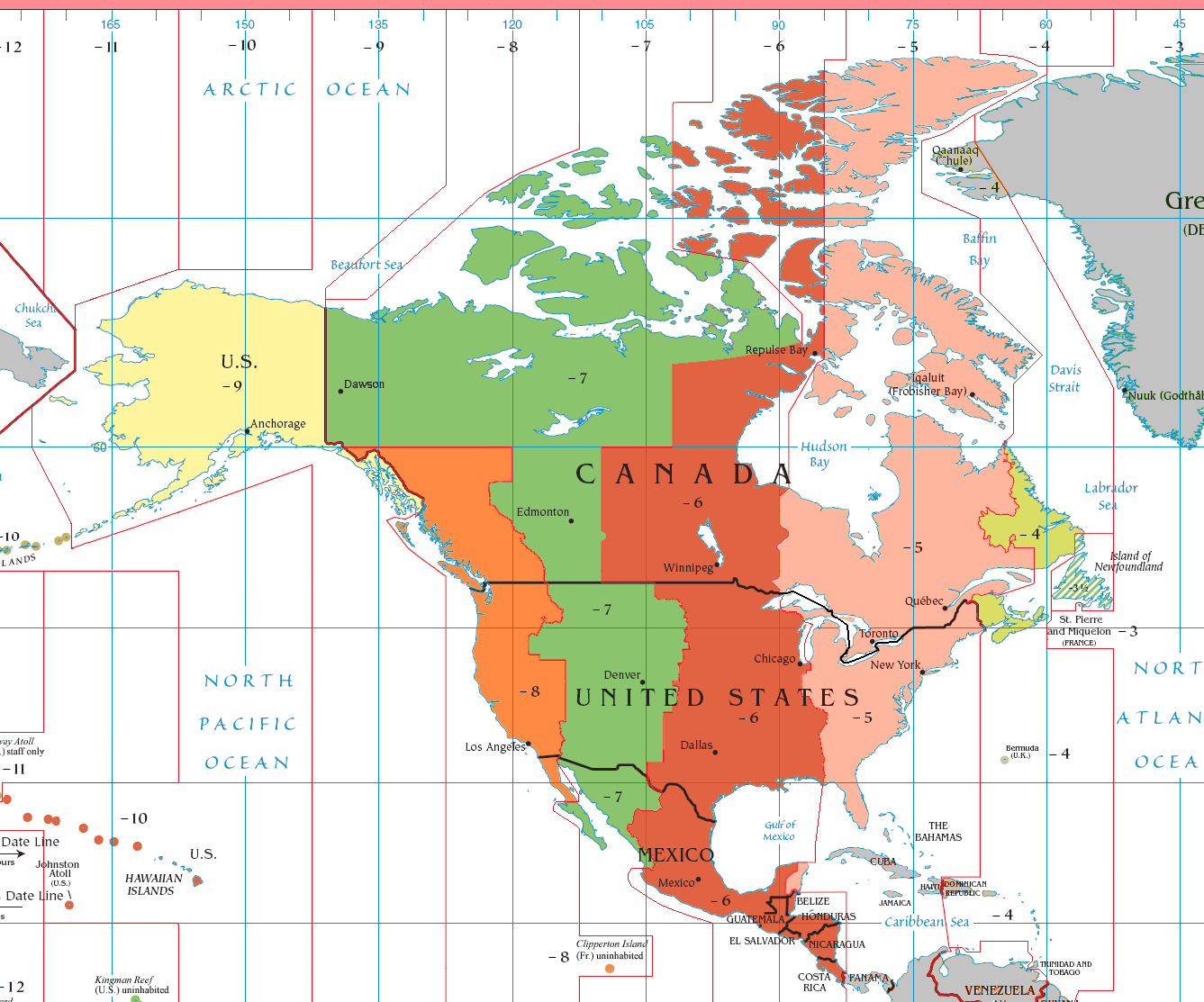
Hawaii Standard Time (HST) is designated as UTC-10. This means it is ten hours behind Coordinated Universal Time (UTC), which is the primary time standard by which the world regulates clocks and time. The “Standard” in HST is particularly significant because, unlike most of the continental United States and many other countries, Hawaii does not observe Daylight Saving Time. This means that clocks in Hawaii never “spring forward” or “fall back.” The time remains constant throughout the entire year, offering a predictable and unchanging schedule, which is a blessing for both residents and regular travelers.
This consistent time difference means that while the difference between Hawaii and the U.S. mainland shifts seasonally, HST itself does not. For example:
- When Daylight Saving Time is in effect on the mainland (March to November), Hawaii is:
- 2 hours behind Alaska Standard Time (AKDT)
- 3 hours behind Pacific Daylight Time (PDT)
- 4 hours behind Mountain Daylight Time (MDT)
- 5 hours behind Central Daylight Time (CDT)
- 6 hours behind Eastern Daylight Time (EDT)
- When Daylight Saving Time is not in effect on the mainland (November to March), Hawaii is:
- 1 hour behind Alaska Standard Time (AKST)
- 2 hours behind Pacific Standard Time (PST)
- 3 hours behind Mountain Standard Time (MST)
- 4 hours behind Central Standard Time (CST)
- 5 hours behind Eastern Standard Time (EST)
This consistent lag makes Hawaii feel pleasantly detached from the hurried pace of the mainland, contributing to its reputation as a serene escape. Historically, Hawaii implemented Daylight Saving Time briefly during World War II to conserve energy, but it was quickly repealed. The state has since maintained its year-round observation of HST, a decision largely supported by its population who appreciate the consistency and the natural alignment of their daily routines with daylight hours, given Hawaii’s close proximity to the equator.
Geographic Consistency Across the Islands
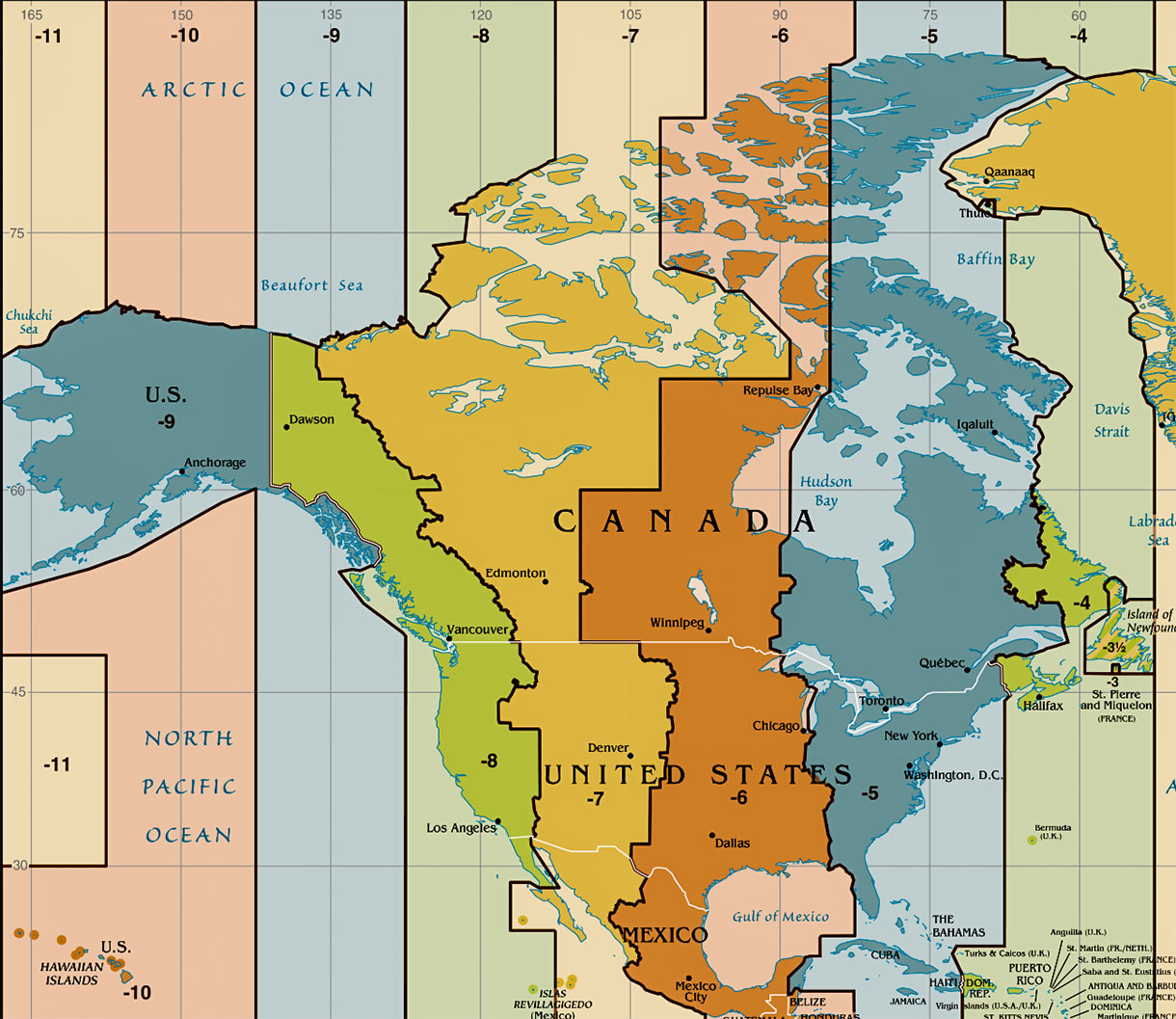
One of the most convenient aspects of Hawaii’s time zone is its uniformity across the entire archipelago. Whether you are basking on the shores of Waikiki Beach on Oahu, exploring the lush Road to Hana on Maui, hiking the dramatic cliffs of the Na Pali Coast on Kauai, or stargazing atop Mauna Kea on the Big Island (also known as Hawaii Island), your watch will display the same time.
This means there are no internal time zone changes as you island-hop, simplifying travel logistics significantly. From the easternmost tip of the Big Island to the western reaches of Kauai, and including the smaller, more secluded islands of Molokai and Lanai, everyone operates on HST. This geographical consistency is a blessing for travelers planning multi-island itineraries, as it eliminates any potential confusion when booking inter-island flights, restaurant reservations, or activity tours. You can seamlessly transition from one island paradise to another without having to recalibrate your internal clock or manually adjust your devices. This unified time zone reinforces the sense of a cohesive state, despite the distances between its landmasses, allowing visitors to immerse themselves fully in the unique experiences each island offers without temporal distractions.
Navigating Time Differences: What Travelers Need to Know
The allure of Hawaii is undeniable, but arriving from a distant time zone can present challenges, primarily in the form of jet lag. Understanding the time difference and proactively planning for its effects can make a significant difference in how quickly you adapt to “island time” and begin enjoying your vacation.
Planning Your Arrival and Departure
The substantial time difference between Hawaii and many other parts of the world necessitates careful consideration when planning your flights and itinerary. For travelers coming from mainland North America, especially the East Coast, the time shift can be significant.
- From California (PDT/PST): A 2-3 hour difference means a relatively mild adjustment, often allowing travelers to feel fairly normal by their second day.
- From New York (EDT/EST): A 5-6 hour difference, which can be quite jarring. An afternoon flight landing in Honolulu at 3 PM local time might feel like 9 PM to your body, making you ready for bed even before dinner.
For international travelers from regions like Asia or Australia, the time difference can be even more pronounced, potentially spanning half a day or more. For instance, Tokyo, Japan is 19 hours ahead of HST (or 5 hours behind the next day), and Sydney, Australia can be 20 hours ahead (4 hours behind the next day, depending on Daylight Saving Time in Australia). This means careful planning is paramount.
When booking flights, consider the arrival time. Many travelers prefer to arrive in Hawaii in the late afternoon or early evening. This allows enough time to check into your accommodation, have a light meal, and then head straight to bed, aligning your body with the local time as quickly as possible. Conversely, an early morning arrival might mean you’re exhausted by midday, struggling to stay awake and potentially disrupting your sleep cycle further. Also, remember to factor in the time difference when communicating with family, friends, or colleagues back home. A quick call in the morning from Honolulu might be the middle of the night for someone on the East Coast, so scheduling is key.

Beating Jet Lag in Paradise
Jet lag is the physiological disruption of the body’s internal clock (circadian rhythm) caused by rapid long-distance travel across multiple time zones. Symptoms can include fatigue, insomnia, headaches, irritability, and digestive issues. While jet lag can be an unwelcome companion, there are several effective strategies to minimize its impact and help you quickly adjust to the serene pace of [Hawaii](https://lifeoutofthebox.com/hawaii].
- Pre-Adjust Gradually: Before your trip, try shifting your sleep schedule by an hour or two each day to align closer with HST. If traveling west, go to bed later; if traveling east, go to bed earlier.
- Stay Hydrated: Dehydration can exacerbate jet lag symptoms. Drink plenty of water before, during, and after your flight. Avoid excessive alcohol and caffeine, which can interfere with sleep and hydration.
- Embrace Sunlight: Upon arrival in Hawaii, seek out natural light, especially in the morning. Sunlight helps reset your circadian rhythm, signaling to your brain that it’s daytime. Spend time outdoors, perhaps enjoying an early morning walk on the beach or a leisurely breakfast on your lanai.
- Manage Sleep Strategically: Try to stay awake until the local bedtime. If you must nap, keep it short (20-30 minutes) and early in the afternoon to avoid disrupting nighttime sleep. Melatonin supplements can be helpful for some in establishing a new sleep pattern, but consult a doctor first.
- Eat Light and Healthy: Heavy meals can make jet lag worse. Opt for lighter, fresh Hawaiian cuisine, rich in fruits and vegetables, which are easier for your body to digest.
- Exercise Lightly: A gentle walk or swim can boost energy levels and help promote better sleep, but avoid strenuous workouts immediately upon arrival.
- Adjust Your Watch Immediately: As soon as your plane lands, change your watch to HST. This small psychological shift can help your brain begin to acclimate to the new time.
The “aloha time” philosophy, a relaxed approach to scheduling and life, is inherently suited to recovering from jet lag. Embrace the slower pace, listen to your body, and allow yourself a few days to fully adjust before diving into a packed itinerary. Many seasoned travelers recommend scheduling less demanding activities for your first day or two, allowing your body to naturally find its rhythm in paradise.
Time and Tourism: Making the Most of Your Hawaiian Experience
The consistent nature of Hawaii’s time zone makes planning activities relatively straightforward once you’ve adjusted. However, being mindful of local timings is still crucial for a seamless and enjoyable vacation, from booking tours to experiencing local culture.
Scheduling Activities and Excursions
Hawaii’s natural beauty and rich cultural heritage offer an endless array of activities, from historical landmarks to thrilling outdoor adventures. Your understanding of HST will be invaluable when organizing your daily excursions.
- Sunrise and Sunset Activities: These are often time-sensitive and incredibly popular. For example, witnessing the sunrise from the summit of Haleakala on Maui requires a very early start, sometimes as early as 2 AM from coastal resorts like Kaanapali or Wailea. Similarly, sunset cruises along the Na Pali Coast on Kauai or evening luaus are scheduled around the setting sun. Always confirm precise meeting or departure times and plan your travel accordingly.
- Historical Sites and Attractions: Iconic sites like Pearl Harbor on Oahu have specific operating hours, and often require advance booking due to high demand. Arriving early is often recommended to avoid crowds, especially for popular attractions like the USS Arizona Memorial.
- Outdoor Adventures: Whether you’re planning a snorkeling trip in Hanauma Bay, a surf lesson in Waikiki, or a hike through Waimea Canyon, tour operators will clearly state their meeting times in HST. Confirm these details and factor in travel time from your accommodation.
- Dining Reservations: Popular restaurants, especially those offering stunning sunset views in areas like Lahaina or Kona, often book up weeks in advance. Making reservations in HST will ensure you secure your desired dining experience.
The absence of Daylight Saving Time means that once you’ve adjusted to HST, your daily planning remains consistent throughout your stay, regardless of the month. This removes a layer of complexity that can sometimes catch travelers off guard in other destinations.
Daily Rhythms and Local Culture
Hawaii’s time zone profoundly influences its daily rhythm and the local lifestyle, which often moves at a more relaxed pace than the bustling cities of the mainland. Embracing this “Hawaii time” philosophy is key to truly immersing yourself in the local culture.
- Early Starts: Due to the tropical climate and abundant daylight hours, many locals and businesses start their day relatively early. Farmers’ markets open in the early morning, and popular hiking trails fill up before the midday heat sets in. Many tours and activities, particularly water-based ones, begin early to take advantage of calmer morning conditions.
- Evening Events: Evenings in Hawaii are often filled with vibrant cultural performances, luaus, and leisurely dinners. With spectacular sunsets happening year-round at a consistent time (roughly between 5:45 PM and 7:15 PM, depending on the season), planning your evening activities around this natural spectacle is a popular choice.
- Checking Operating Hours: While the time zone is consistent, it’s always wise to double-check the operating hours of specific attractions, shops, and restaurants, especially for smaller, family-run businesses or during holidays. Many shops and local eateries, particularly in less tourist-heavy areas like Hilo or Kaunakakai, might have earlier closing times compared to major metropolitan areas.
- The Aloha Spirit: The relaxed “Hawaii time” extends beyond mere clock-watching; it reflects the Aloha Spirit, an ethos of graciousness, hospitality, and living in harmony. While tour operators and hotels operate efficiently, there’s often a greater emphasis on savoring the moment rather than rushing. This cultural nuance can be incredibly refreshing for visitors seeking to unwind and disconnect from the hurried pace of modern life. By respecting and adapting to this rhythm, you’ll not only avoid unnecessary stress but also gain a deeper appreciation for the Hawaiian way of life.
Accommodation and Communication: Practicalities for Your Stay
Beyond scheduling tours and embracing the local pace, the time zone also impacts practical aspects of your trip, particularly concerning your accommodation and how you stay connected with the outside world.
Hotel Check-ins and Check-outs
Most hotels and resorts in Hawaii adhere to standard international check-in and check-out times, typically 3:00 PM or 4:00 PM for check-in and 11:00 AM or 12:00 PM for check-out, all in HST. However, the time difference can make these standard times feel inconvenient, especially after a long flight.
- Early Arrivals: If you arrive on an early morning flight, you might find yourself with several hours to spare before your room is ready. Many resorts, such as the Grand Hyatt Kauai Resort & Spa or the Four Seasons Resort Maui at Wailea, are accustomed to early arrivals and often provide amenities like a hospitality lounge, changing rooms, or secure baggage storage, allowing you to start enjoying the resort facilities immediately. Some offer early check-in for an additional fee or based on availability.
- Late Departures: Similarly, if you have a late evening flight out of Hawaii, you might face hours between check-out and your departure. Options often include:
- Late Check-out: Inquire with your hotel if a late check-out is possible, often for an extra charge, depending on availability.
- Baggage Storage: Most accommodations, from luxury resorts like the Hilton Hawaiian Village to boutique hotels in Lahaina, offer complimentary luggage storage. You can leave your bags, enjoy the pool or a final island adventure, and return to freshen up before heading to the airport.
- Day Use Rooms: Some larger resorts might offer “day use” rooms or access to a shower facility at their fitness center for guests with late flights, allowing you to relax and refresh after a day of exploration. Always confirm these options directly with your accommodation in advance to plan your final day smoothly.
Staying Connected
In today’s interconnected world, staying in touch with home, managing work, or simply sharing your travel experiences on social media is a common desire. The time difference, however, requires a strategic approach to communication.
- International Roaming and Local SIM Cards: Ensure your phone is set to automatically update its time zone. While international roaming is an option, consider purchasing a local SIM card or an e-SIM plan upon arrival in Hawaii if you plan extensive data usage. This can be more cost-effective and provide reliable local coverage.
- Video Calls and Scheduled Communication: If you need to connect with family or business colleagues in vastly different time zones, schedule calls in advance. A midday call in Hawaii (12:00 PM HST) would be 5:00 PM on the East Coast of the United States and 6:00 AM the following day in Tokyo. Apps with built-in time zone converters can be incredibly useful.
- Business Travel Considerations: For business travelers, being in HST means a significant lag behind mainland U.S. business hours. Early morning in Hawaii might be the tail end of the workday in New York, and vice versa. Plan your meetings and communication strategically, using tools like shared calendars with time zone displays to avoid missed connections.
- Digital Detox: Paradoxically, the time difference can also be an opportunity for a digital detox. The substantial lag can naturally discourage constant connectivity, allowing you to fully immerse yourself in the present moment and the beauty of your Hawaiian surroundings without the incessant pings of emails and messages from another time. Embrace this chance to disconnect and truly experience the mana (power and spirit) of Hawaii.
In conclusion, understanding that Hawaii operates on Hawaii Standard Time (HST), UTC-10, year-round without Daylight Saving Time is a fundamental piece of information for any visitor. This consistency, coupled with the unique time difference from other major global hubs, requires thoughtful planning but ultimately simplifies your on-island experience. By preparing for jet lag, coordinating your activities, and managing your communication with awareness, you can ensure your journey to the Hawaiian Islands is as smooth, enjoyable, and unforgettable as the breathtaking landscapes themselves. Embrace the “aloha time” and allow yourself to sink into the relaxed rhythm of this extraordinary destination.
LifeOutOfTheBox is a participant in the Amazon Services LLC Associates Program, an affiliate advertising program designed to provide a means for sites to earn advertising fees by advertising and linking to Amazon.com. Amazon, the Amazon logo, AmazonSupply, and the AmazonSupply logo are trademarks of Amazon.com, Inc. or its affiliates. As an Amazon Associate we earn affiliate commissions from qualifying purchases.