
Arizona, a state renowned for its vast deserts, iconic red rocks, and scorching summer temperatures, might not be the first place that springs to mind when you think of snowfall. Yet, surprisingly, the Grand Canyon State experiences its fair share of winter wonderlands. While the Sonoran Desert remains largely snow-free, the higher elevations of Arizona transform into picturesque, snow-dusted landscapes, offering a unique and often overlooked winter travel experience. For those seeking a crisp, cool getaway or a chance to witness Arizona’s diverse natural beauty in a different light, understanding where the snow falls is key. This guide will explore the prime locations in Arizona where you can experience snow, offering insights into potential activities, accommodation, and the overall allure of a snowy Arizona adventure.
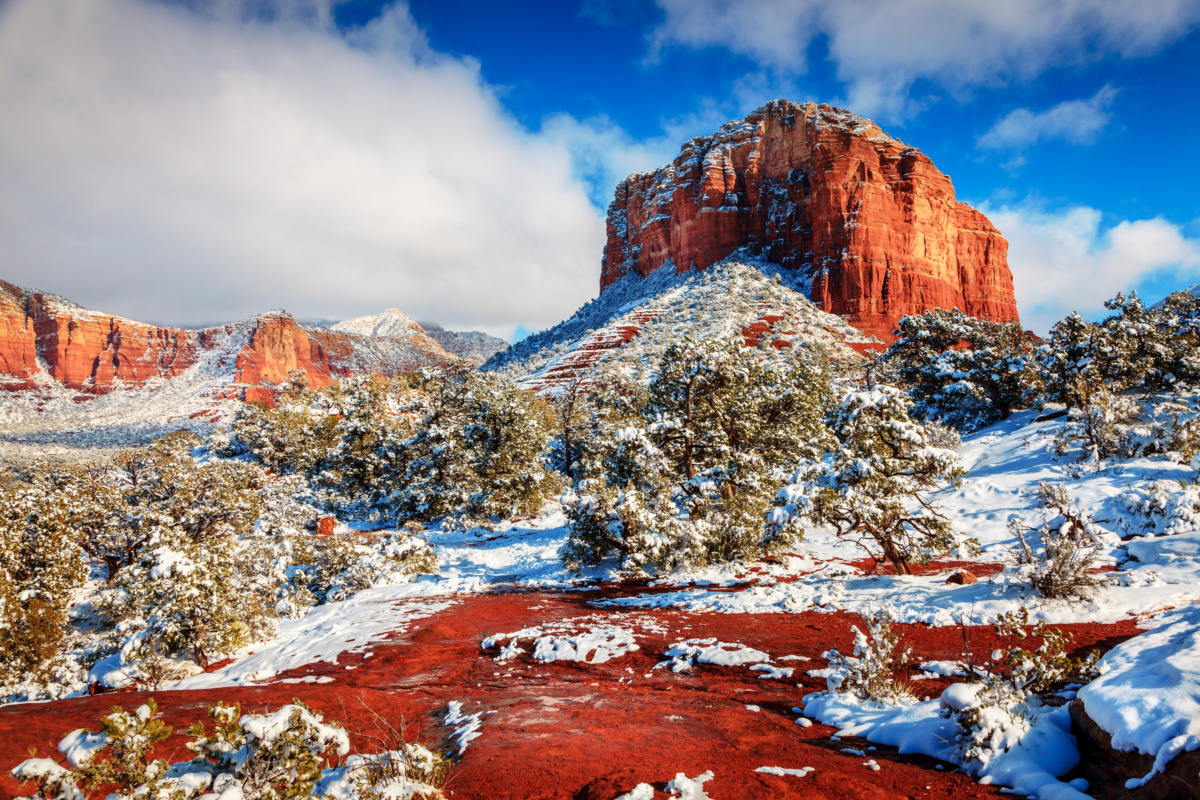
Embracing the Winter Wonderland: Arizona’s High-Elevation Snow Havens
When winter casts its spell across the United States, Arizona’s higher elevations often become the unexpected recipients of beautiful snowfall. These regions, characterized by towering ponderosa pines, dramatic mountain ranges, and cooler climates, provide a stark contrast to the arid lowlands for which the state is famously known. For travelers, these snowy locales offer a chance to participate in winter sports, enjoy scenic drives blanketed in white, or simply savor the tranquility of a quiet, snow-covered landscape.
The Majestic Peaks of Northern Arizona
The northern part of Arizona is where the magic of winter truly happens. Here, several mountain ranges receive consistent snowfall, turning them into charming winter destinations. The primary drivers of this phenomenon are the increased elevation and proximity to weather systems that bring moisture from the Pacific Ocean.
The White Mountains: Arizona’s Premier Ski Destination
Dominating the southeastern corner of northern Arizona, the White Mountains are arguably the state’s most prolific snow destination. This mountain range boasts Arizona’s highest peaks, including Mount Baldy and Mount Ord, creating an alpine environment conducive to snow.
-
Sunrise Park Resort: This is Arizona’s largest and only ski resort, offering a fantastic opportunity for skiing, snowboarding, and snowshoeing. With multiple peaks and a variety of runs, it caters to both beginners and experienced winter sports enthusiasts. The resort typically opens in late November or early December, depending on snowfall, and remains operational through March or April. The crisp mountain air and stunning panoramic views from the slopes make for an unforgettable experience. Beyond the slopes, the resort often offers lodging and dining options, making it a convenient base for exploring the winter beauty of the White Mountains.
-
The Apache-Sitgreaves National Forests: Surrounding Sunrise Park Resort, these vast national forests provide ample opportunities for cross-country skiing, snowmobiling, and snowshoeing on designated trails. The quiet solitude of the forests, coupled with the pristine snow, creates a serene escape. Many areas within the forests offer primitive camping, but for those seeking more comfort, there are cabins and lodges available in nearby towns like Pinetop-Lakeside and Show Low. These towns also provide access to amenities such as restaurants and shops, offering a blend of outdoor adventure and cozy comfort.
-
The Mogollon Rim: This dramatic escarpment, forming the southern edge of the Colorado Plateau, also experiences snowfall. While not a primary ski destination, the scenic overlooks along the Mogollon Rim can offer breathtaking views of snow-covered forests and valleys. Driving along State Route 87 and State Route 260 during winter can be a beautiful, albeit sometimes challenging, experience, with potential for snow and ice. It’s essential to check road conditions before venturing out.
Flagstaff: The Snow-Kissed Mountain City
Flagstaff, situated at an elevation of over 7,000 feet, is Arizona’s highest-elevation city and a prime location for experiencing winter weather. Its position at the base of the San Francisco Peaks ensures that it receives consistent snowfall throughout the winter months.
-
Arizona Snowbowl: Just a short drive north of Flagstaff, Arizona Snowbowl is another popular destination for skiing and snowboarding. With a higher base elevation than Sunrise Park Resort, it often enjoys a longer ski season and abundant snowfall, thanks to its location on the slopes of Humphreys Peak, the highest point in Arizona. The resort offers a range of terrain suitable for all skill levels, and its scenic gondola ride provides unparalleled views of the surrounding landscape, even for non-skiers.
-
Urban Snowfall: Unlike many other Arizona cities, Flagstaff itself frequently experiences snowfall, transforming its charming downtown area into a picturesque winter scene. Visitors can enjoy strolling through the historic streets, browsing boutiques, and warming up in cozy cafes, all while surrounded by snow. The city’s proximity to other attractions like the Grand Canyon National Park (South Rim) means that a snowy Flagstaff can serve as a convenient and atmospheric base for exploring these iconic landmarks.
-
Outdoor Activities: Beyond the ski resorts, the national forests surrounding Flagstaff, including the Coconino National Forest, offer opportunities for snowshoeing and cross-country skiing. Trails such as the Fatman’s Loop Trail and areas around the Arizona Snowbowl provide accessible routes for enjoying the winter landscape.
Payson and the Rim Country
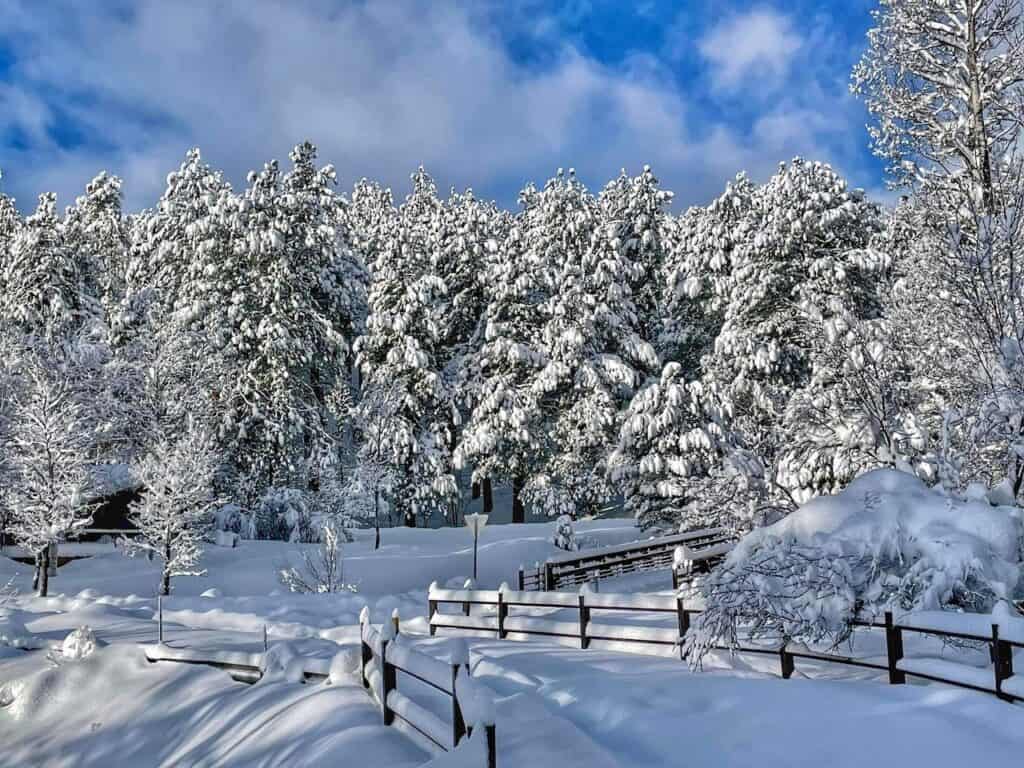
While generally receiving less snow than the higher peaks, the Rim Country, including areas around Payson, can experience significant snowfall during strong winter storms. The higher elevations of the Tonto National Forest in this region are more prone to accumulation.
- Scenic Drives and Views: Driving along scenic byways like the Beeline Highway (State Route 87) can offer glimpses of snow-covered forests and valleys, particularly at higher elevations. Towns like Payson offer cozy lodging and dining options, making them a good stopping point for those exploring the winter scenery. While major ski resorts are absent, the area provides a more laid-back winter experience with opportunities for nature walks and enjoying the quiet beauty of a snow-dusted landscape.
Snow in the Grand Canyon Region
The world-famous Grand Canyon National Park experiences snowfall primarily at its higher elevations, with the South Rim receiving more frequent and significant accumulations than the West Rim or the desert floor.
-
The South Rim: During winter, the Grand Canyon can transform into a breathtaking spectacle of snow. The stark contrast of white snow against the rust-colored canyon walls is a sight that many visitors find awe-inspiring. The Grand Canyon Village area, including lodges like the El Tovar Hotel and viewpoints such as Mather Point and Yavapai Point, can be dusted with snow. While hiking trails can become icy and require caution, the snow often enhances the dramatic scenery, creating a sense of solitude and wonder. Roads within the park are generally kept open, but visitors should always check for weather advisories and road conditions.
-
Winter Activities: Limited winter activities are available within the park itself. However, the snow provides a unique backdrop for photography and contemplation. Many visitors find that experiencing the Grand Canyon in winter offers a more peaceful and less crowded experience compared to the peak tourist seasons. Nearby towns like Tusayan offer accommodation options for those planning a winter visit.
Preparing for a Snowy Arizona Adventure
Experiencing snow in Arizona requires a bit of planning, especially considering the dramatic shifts in weather at higher elevations. Even in areas that don’t typically receive heavy snowfall, unexpected winter storms can occur.
Packing for Winter Conditions
When planning a trip to a snowy region of Arizona, packing appropriately is crucial. Layers are key, allowing you to adjust to changing temperatures.
- Apparel: Warm, waterproof outerwear, including a heavy coat, waterproof pants, gloves, and a hat, is essential. Insulated, waterproof boots with good traction are vital for navigating snowy and icy surfaces.
- Footwear: Consider bringing microspikes or traction cleats that can be attached to your boots for added grip on icy trails.
- Sun Protection: Even in winter, the sun’s rays can be intense, especially at higher altitudes and when reflecting off snow. Sunglasses and sunscreen are recommended.
Driving and Road Safety
Driving in snowy conditions requires extra caution.
- Vehicle Preparation: Ensure your vehicle is equipped with good tires, and consider carrying tire chains if traveling to higher mountain passes, as they may be required during winter storms. A full tank of gas is always advisable.
- Road Conditions: Always check road conditions and weather forecasts before departing. Websites and apps from the Arizona Department of Transportation (ADOT) provide real-time updates.
- Emergency Kit: It’s wise to have an emergency kit in your vehicle, including blankets, non-perishable food, water, a first-aid kit, and a flashlight.
Accommodation and Booking
For those looking to stay overnight in Arizona’s winter destinations, a range of accommodations is available.
- Resorts and Lodges: Ski resorts like Sunrise Park Resort and Arizona Snowbowl offer on-site lodging, providing convenient access to winter sports.
- Hotels and Motels: Cities like Flagstaff, Pinetop-Lakeside, and Show Low have a variety of hotels and motels catering to different budgets.
- Cabin Rentals and Vacation Homes: For a more secluded experience, consider renting a cabin or vacation home, especially in areas like the White Mountains or around Payson. Booking in advance is recommended, especially during peak winter season or holidays.
Arizona’s snowy landscapes offer a refreshing and often surprising winter escape. From the ski slopes of the White Mountains and Flagstaff to the majestic snow-dusted vistas of the Grand Canyon, the Grand Canyon State proves that it offers more than just desert sunshine. By understanding where to find the snow and preparing accordingly, travelers can discover a unique side of Arizona, one that is crisp, serene, and beautifully white.
LifeOutOfTheBox is a participant in the Amazon Services LLC Associates Program, an affiliate advertising program designed to provide a means for sites to earn advertising fees by advertising and linking to Amazon.com. Amazon, the Amazon logo, AmazonSupply, and the AmazonSupply logo are trademarks of Amazon.com, Inc. or its affiliates. As an Amazon Associate we earn affiliate commissions from qualifying purchases.