
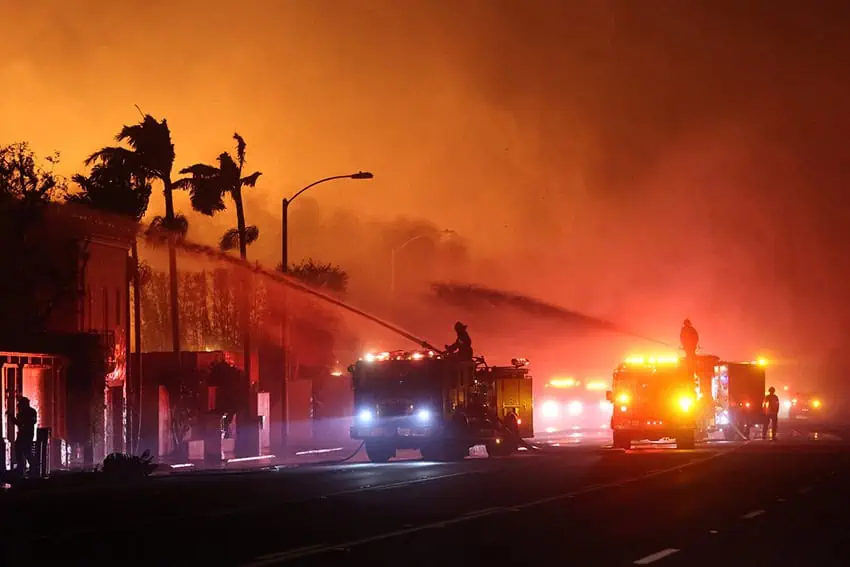
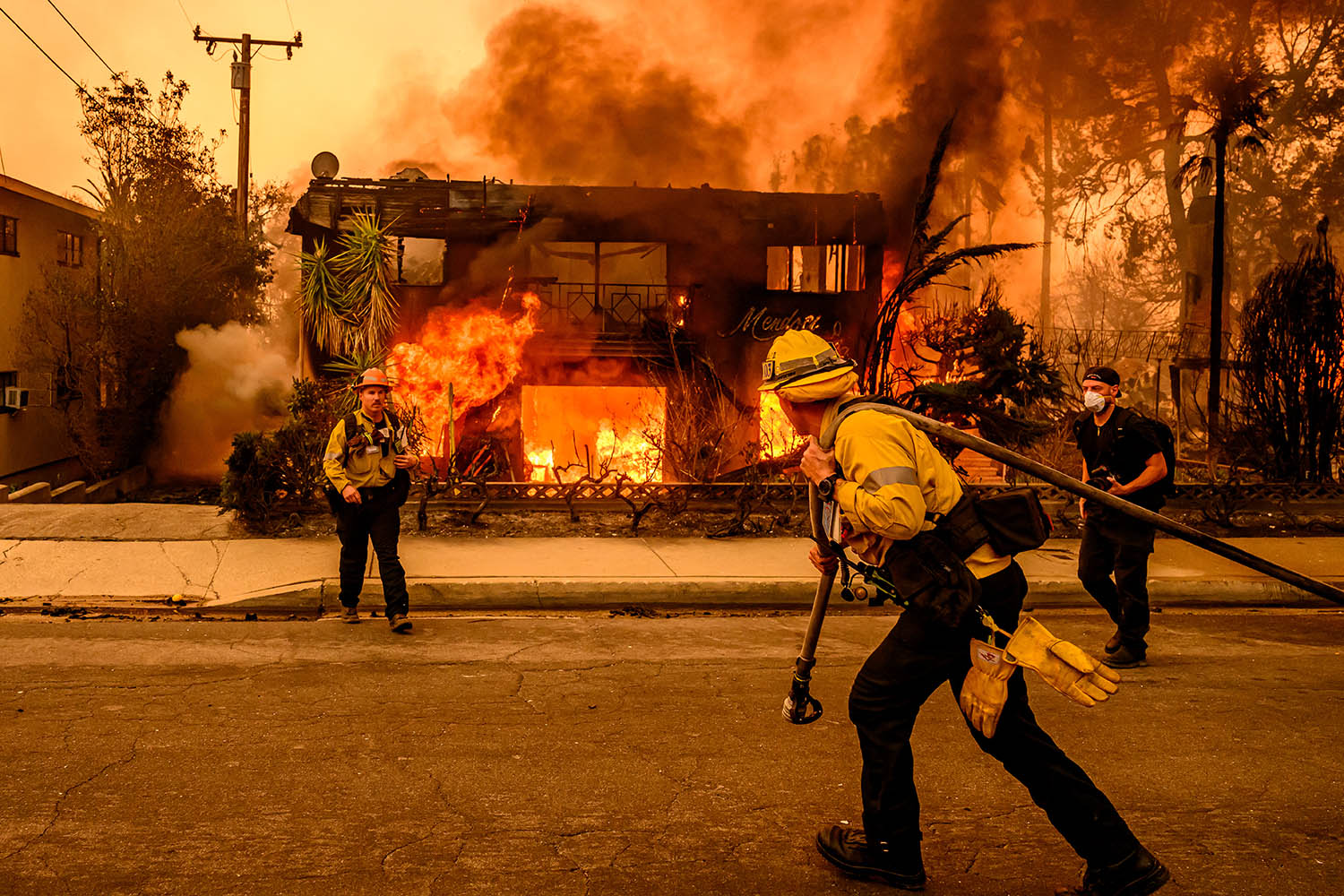
The skies over California have often been painted with an ominous hue, a stark reminder of the destructive power of wildfires. In times of such crisis, the spirit of collaboration and mutual aid can emerge from unexpected corners. One question that has arisen, particularly during particularly severe fire seasons, is whether our neighbors to the south, Mexico, have extended a helping hand in the form of their brave firefighters. This inquiry delves into the reality of international cooperation in disaster response, specifically focusing on the possibility of Mexican firefighters assisting in California.
The relationship between Mexico and the United States, especially California, is deeply intertwined. Beyond shared borders and economic ties, there’s a rich tapestry of cultural exchange, tourism, and, crucially, a shared responsibility for environmental stewardship across the Californian landscape. Wildfires, by their very nature, do not recognize political boundaries. Smoke drifts, embers fly, and the ecological impact can be felt on both sides of the U.S.-Mexico border. This shared vulnerability naturally leads to discussions about how each nation can support the other in times of need.

When massive wildfires erupt in California, the scale of the disaster often overwhelms even the most well-equipped and trained local fire departments. This is when mutual aid agreements and international partnerships become invaluable. The California Department of Forestry and Fire Protection (CAL FIRE) and other state and federal agencies have established protocols for requesting and receiving assistance from various sources, both domestic and, in some cases, international. The question then becomes: have these protocols ever involved personnel from Mexico?
The Reality of Cross-Border Firefighting Support
To understand the potential for Mexican firefighters to assist in California, it’s important to consider the frameworks that govern such deployments. International disaster response is a complex undertaking, involving not just the goodwill of participating nations but also logistical challenges, legal agreements, and the specific needs of the receiving region.
International Agreements and Mutual Aid
The concept of mutual aid is well-established in emergency services. Within the United States, states routinely assist each other during large-scale incidents. This assistance is often formalized through compacts and agreements, such as the Emergency Management Assistance Compact (EMAC). However, when considering international aid, the legal and diplomatic landscape becomes more intricate.
While there isn’t a specific, standing agreement solely for Mexican firefighters to deploy to California for wildfires in the same way states might assist each other, there are broader avenues for international cooperation. Both Mexico and the United States are members of various international disaster response networks and participate in joint exercises. These collaborations foster understanding and build relationships that can be activated during emergencies.
Furthermore, organizations like the United Nations and regional bodies often play a role in coordinating international assistance during major humanitarian crises, which can include natural disasters like wildfires. In such scenarios, specialized teams, which could include firefighters, might be deployed under an international umbrella.
Historical Precedents and Similar Scenarios
While a direct, widely publicized deployment of Mexican firefighting crews to combat California wildfires might not be a common headline, it’s not entirely outside the realm of possibility, especially in a broader context of disaster response. Both nations have faced significant natural disasters, and the spirit of aid has been demonstrated in other contexts.
For instance, during severe floods or earthquakes, emergency response teams from various countries have been dispatched to assist with search and rescue, medical aid, and humanitarian relief. Firefighting is a critical component of such efforts, especially when infrastructure is damaged or there’s a risk of secondary fires.
The proximity and interconnectedness of California and Mexico mean that any major environmental challenge affecting one is likely to have implications for the other. The Colorado River, the Salton Sea, and shared air quality are all examples of environmental concerns that transcend the border. Wildfires are another such concern, with smoke from Mexico impacting air quality in California, and vice versa, and the potential for fires to spread across borders.
The Nature of Wildfire Suppression
Wildfire suppression is a highly specialized and physically demanding endeavor. It requires trained personnel, specific equipment, and adherence to strict safety protocols. When requesting international assistance for wildfires, the receiving country typically looks for teams that can integrate seamlessly into existing command structures and possess comparable training and certifications.
Mexico has its own dedicated firefighting services, including units within the national civil protection system and specialized groups trained for wildland firefighting. These crews are experienced in dealing with the unique challenges of fires in Mexican ecosystems. The question of their deployment to California would hinge on mutual recognition of training standards, operational interoperability, and the specific needs of the incident.
While a large-scale, official deployment of Mexican firefighters to actively battle blazes in California might be rare or unpublicized, smaller-scale collaborations or exchanges are more feasible. This could involve:
- Joint Training Exercises: Bringing Mexican and Californian firefighters together for training can build camaraderie and familiarize them with each other’s tactics and equipment. This proactive measure ensures that if a situation arises where mutual aid is needed, there’s a foundation of understanding.
- Information Sharing: Sharing real-time data on fire behavior, weather patterns, and resource availability between agencies on both sides of the border is crucial for effective management of trans-boundary fire risks.
- Technical Assistance and Expertise Exchange: Sharing best practices in fire prevention, fuels management, and post-fire recovery can benefit both nations.
Factors Influencing International Firefighting Aid
Several factors come into play when considering the deployment of firefighting resources across international borders, particularly in the context of a dynamic and dangerous situation like a wildfire. These are not just logistical considerations but also diplomatic and practical realities.
Operational Interoperability and Equipment
For any firefighting team to be effective in a foreign environment, their equipment and operational procedures must be compatible with the host nation’s. This includes communication systems, water delivery methods, safety gear, and the ability to integrate into the incident command structure. When Californian agencies request aid, they often specify the type of resources needed, and international partners would need to confirm they can meet those specifications.
Mexico possesses firefighting expertise and equipment, but the specific types and capabilities might differ from those standardized by U.S. agencies. The cost and complexity of ensuring interoperability for a contingent of Mexican firefighters would be a significant consideration. This might involve providing Mexican crews with U.S.-compatible gear or ensuring their existing equipment can function effectively within the Californian incident management system.
Legal and Diplomatic Frameworks
The deployment of personnel, especially emergency responders, across international borders requires clear legal and diplomatic frameworks. This involves:
- Mutual Recognition of Credentials: Ensuring that Mexican firefighters’ training and certifications are recognized by U.S. authorities.
- Liability and Insurance: Addressing issues of liability and insurance for personnel operating in a foreign country.
- Logistical Support: Arranging for transportation, accommodation, food, and other essential support for deployed crews.
- Sovereignty and Command: Establishing clear lines of command and control to avoid any misunderstandings during a high-stress situation.
While bilateral agreements for specific types of disaster response do exist between the U.S. and Mexico, they might not always explicitly detail the deployment of firefighting crews for wildfire suppression in the same way that domestic mutual aid compacts function. The process would likely involve high-level coordination between government agencies on both sides.
Cost and Resource Allocation
Deploying international firefighters involves significant costs, including transportation, accommodation, food, and potential hazard pay. For California, which is often managing a substantial budget for its own firefighting efforts, the decision to request and fund international aid would be carefully weighed against the available resources and the urgency of the situation. Similarly, Mexico would need to consider the allocation of its own resources and personnel.
In many instances, international aid is most effective when it involves specialized teams or equipment that might be in short supply domestically, or when the scale of the disaster necessitates broader assistance. For routine wildfire suppression, California has extensive resources from within the state and from other U.S. states. International aid is often reserved for catastrophic events or for specific technical capabilities.
The Broader Context of Environmental Cooperation
The question of whether Mexico sends firefighters to California is part of a larger conversation about environmental cooperation and mutual support between the two nations. The challenges posed by climate change, including the increasing frequency and intensity of wildfires, demand a collaborative approach.
Trans-Boundary Environmental Issues
Wildfires are not the only environmental concern that transcends the U.S.-Mexico border. Air pollution, water resource management, and biodiversity conservation are all areas where joint efforts are essential. Smoke from wildfires in Baja California can significantly impact air quality in Southern California, leading to health advisories and affecting tourism. Similarly, fires in California can send smoke south.
This interconnectedness means that effective environmental management and disaster preparedness require close collaboration between Mexican and U.S. agencies. This can manifest in various ways, from joint monitoring of environmental conditions to coordinated response plans for spills or other environmental emergencies.
The Role of Community and Cultural Ties
Beyond formal government agreements, the strong community and cultural ties between California and Mexico can also foster a spirit of mutual support. Many Californians have family in Mexico, and vice versa. This personal connection can translate into a greater willingness to assist each other during times of crisis, sometimes through informal networks or community-driven initiatives.
For example, during past disasters, individuals and non-governmental organizations from both countries have often been at the forefront of providing aid and support to affected communities. While not official government deployments, these acts of solidarity highlight the deep-rooted connection between the people of Mexico and California.
Future Possibilities and Ongoing Partnerships
As the impacts of climate change continue to intensify, the need for robust international cooperation in disaster response will only grow. The possibility of Mexican firefighters deploying to California, or vice versa, remains a viable option for future collaboration. Continued investment in joint training, information sharing, and the development of clear protocols for cross-border emergency response will be crucial.
The relationship between Mexico and California is multifaceted, extending far beyond just travel and tourism. It encompasses shared environmental challenges, economic interdependence, and a profound cultural connection. In the face of natural disasters, like the devastating wildfires that have become a recurring feature of Californian life, the potential for mutual aid between these two closely linked regions is a testament to a shared future and a collective responsibility for the well-being of their people and their shared environment. While a specific, headline-grabbing deployment of Mexican firefighters to California might not be a common occurrence, the underlying spirit of cooperation and the potential for such assistance are very real and likely to become even more important in the years to come.
LifeOutOfTheBox is a participant in the Amazon Services LLC Associates Program, an affiliate advertising program designed to provide a means for sites to earn advertising fees by advertising and linking to Amazon.com. Amazon, the Amazon logo, AmazonSupply, and the AmazonSupply logo are trademarks of Amazon.com, Inc. or its affiliates. As an Amazon Associate we earn affiliate commissions from qualifying purchases.