
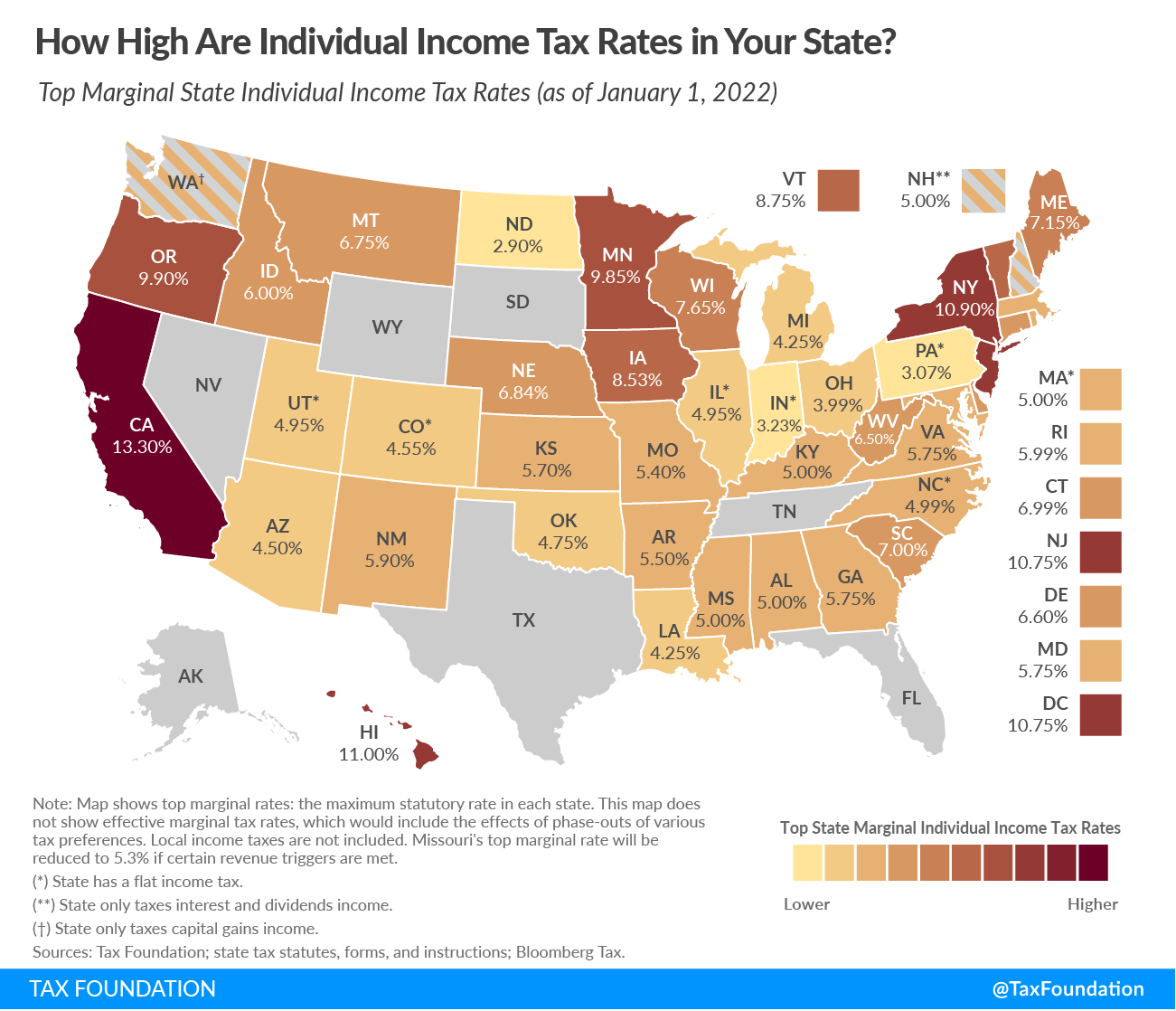
Navigating the financial landscape of any state can be a complex endeavor, especially when it comes to understanding tax obligations. For many, the allure of Florida lies not only in its sun-drenched beaches, vibrant theme parks, and diverse cultural experiences but also in its unique tax structure. One of the most frequently asked questions by both residents and prospective visitors who might consider making the Sunshine State their home is: “What is income tax in Florida?” The answer, in short, is refreshingly straightforward for individuals: Florida does not impose a state income tax on its residents. This distinction is a significant draw, influencing decisions ranging from where to establish a primary residence to where to invest in vacation homes and properties.
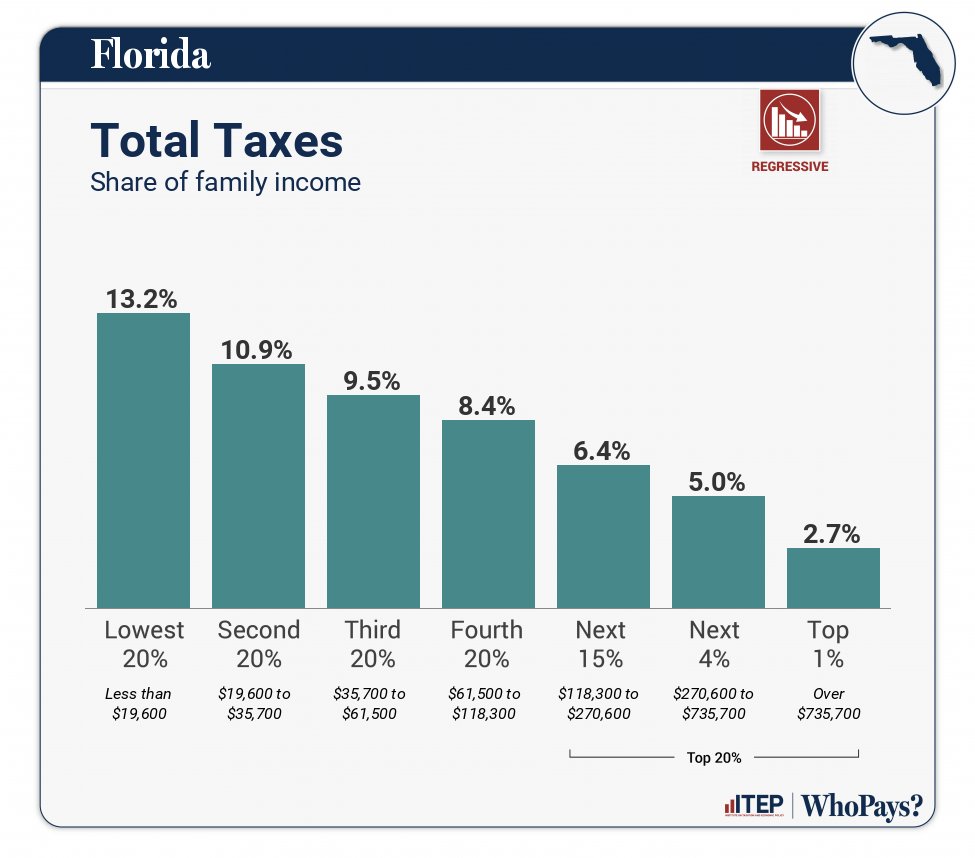
This lack of a state income tax is a cornerstone of Florida’s appeal, impacting everything from the cost of living to its attractiveness as a business-friendly environment. It means that individuals who earn income within Florida keep more of their earnings compared to those living in states with higher income tax rates. This economic advantage can translate into more disposable income for residents, which often fuels the state’s robust tourism and hospitality sectors. Travelers planning a trip to Orlando to experience the magic of Walt Disney World, those seeking a luxurious escape at a Miami resort, or families exploring the historic charm of St. Augustine can all appreciate how this tax policy indirectly contributes to the state’s overall economic vitality and its capacity to offer world-class attractions and accommodations.
The implications of Florida’s income tax policy extend beyond individual finances; they shape the state’s broader economic development and its appeal to a diverse range of individuals and businesses. Understanding this fundamental aspect of Florida’s tax system is crucial for anyone considering relocation, investment, or even extended stays within the state, particularly for those who might be accustomed to paying state income taxes elsewhere.
The Absence of State Income Tax: A Florida Hallmark
The defining characteristic of Florida’s tax system, particularly from the perspective of individual earners, is its complete absence of a state-level income tax. This policy has been in place for decades and stands as a significant differentiator from many other United States states. Unlike states such as California, New York, or Illinois, where residents are subject to a percentage of their income being remitted to the state government, Floridians enjoy the benefit of retaining their entire earned income before federal taxes.
Why No Income Tax? Historical and Economic Drivers
The decision to forgo a state income tax in Florida is rooted in a combination of historical factors and a deliberate economic strategy. Early lawmakers recognized the potential of Florida as a destination for tourism and retirement, and a tax-friendly environment was seen as a powerful incentive. By not levying an income tax, the state aimed to attract individuals and businesses seeking to maximize their financial well-being. This strategy has largely proven successful, contributing to the state’s rapid population growth and its status as a major economic hub.
Furthermore, Florida has historically relied on other revenue streams to fund its state government and public services. These include a substantial amount of revenue generated from sales taxes, property taxes, and various business-related taxes and fees. The state’s robust tourism industry, with millions of visitors spending money on accommodations, dining, attractions, and retail, provides a significant and consistent source of sales tax revenue. This reliance on consumption taxes means that individuals who spend more in Florida, including tourists, contribute more directly to the state’s coffers, while residents who save or invest a larger portion of their income are less impacted by state taxation.
The economic rationale is clear: a lower tax burden on individuals and businesses is believed to stimulate economic activity. By allowing residents and incoming populations to keep more of their earnings, Florida aims to foster increased consumer spending, encourage investment in local businesses, and create a more attractive environment for entrepreneurs and corporations. This, in turn, is expected to generate economic growth, job creation, and a stronger overall economy, which can then lead to increased revenue through other tax channels. The success of this model is evident in the state’s dynamic economy and its continuous influx of new residents and businesses, many of whom are drawn by the prospect of significant tax savings.
What Does This Mean for Residents and Visitors?
The absence of a state income tax in Florida has profound and tangible implications for a wide spectrum of people, from long-term residents to seasonal visitors and those considering a permanent move. This financial advantage directly impacts disposable income, cost of living considerations, and the overall financial planning for individuals and families.
Financial Advantages for Residents
For Florida residents, the most immediate benefit is the increased disposable income. Every dollar earned is retained by the individual, allowing for greater financial flexibility. This extra money can be allocated towards savings, investments, discretionary spending on lifestyle choices, or reinvested into the local economy. For families, this can mean more resources for education, housing, or leisure activities. For retirees, it can translate into a more comfortable and financially secure retirement, especially when combined with the state’s favorable property tax rates in some areas and the absence of estate or inheritance taxes.
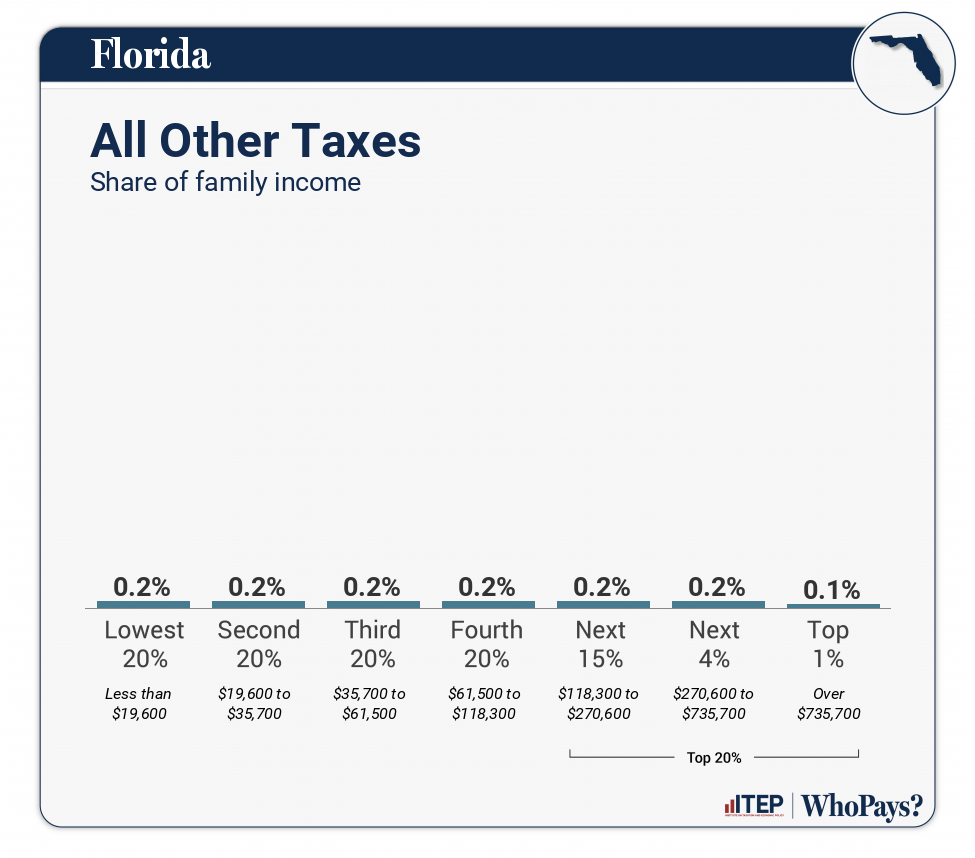
The financial appeal is a significant factor in why many individuals choose Florida as their permanent home. Whether they are drawn to the vibrant nightlife of South Beach, the serene beauty of the Florida Keys, or the family-friendly atmosphere of Tampa, the prospect of keeping their entire earned income is a powerful motivator. This benefit is particularly pronounced for high-earning individuals and professionals who would face substantial tax liabilities in states with progressive income tax systems. The ability to save and invest more freely also makes Florida an attractive location for wealth accumulation.
Impact on Tourism and Business Investment
The economic strategy behind Florida’s income tax policy is intrinsically linked to its booming tourism industry. The state actively markets itself as an affordable and attractive destination, and the absence of state income tax contributes to this perception by potentially lowering the overall cost of living for residents, which can indirectly influence the pricing of goods and services. While tourists do not directly benefit from not paying income tax, the overall economic health and attractiveness of the state, partly fueled by tax policies, make it a premier destination.
Consider a visitor planning a trip to Orlando to visit theme parks like Universal Orlando Resort or explore the natural wonders of the Everglades. While their travel expenses are not directly affected by Florida’s income tax policies, the state’s ability to invest in infrastructure, maintain its attractions, and support its hospitality sector is indirectly bolstered by its tax revenue from sales and other sources. This creates a more robust and enjoyable experience for tourists.
For businesses, the absence of a corporate income tax (with some exceptions for specific industries and the presence of the Florida Corporate Income Tax) and the lack of individual income tax for employees can be a significant draw. Companies may find it more attractive to establish operations in Florida, leading to job creation and economic diversification. This can range from small businesses in Jacksonville to large corporations setting up headquarters in Tampa Bay. The state’s pro-business environment, often highlighted by its tax structure, fosters growth and innovation.
Understanding Florida’s Tax Structure Beyond Income Tax
While the absence of state income tax is a headline feature, it’s essential to understand that Florida does have other forms of taxation that contribute to its state revenue. These taxes, while different in nature, are crucial for funding public services and infrastructure that benefit residents and visitors alike.
Sales Tax: A Primary Revenue Generator
The most significant revenue source for Florida, aside from federal contributions, is the sales tax. This tax is levied on the retail sale of tangible personal property and specific services. The statewide sales tax rate is 6%, with an additional 0.5% allocated to the Local Government Half-Cent Sales Tax. Many counties also impose discretionary sales surtaxes, bringing the total sales tax rate in some areas to as high as 8.5%.
This means that every time a resident or visitor purchases goods or services, they contribute to the state’s revenue. This includes everything from groceries (though some essential items are exempt) and clothing to hotel stays at a Clearwater resort, restaurant meals in Key West, and tickets to attractions like Busch Gardens in Tampa. The high volume of tourism in Florida significantly boosts sales tax collections, making it a vital component of the state’s financial foundation.
Property Tax and Other State Levies
Another critical source of revenue for Florida is property tax. This tax is levied by local governments (counties, municipalities, and special taxing districts) on real estate and tangible personal property. The rates vary significantly depending on the specific taxing district. While Florida has no state property tax, local property taxes are a major funding source for public schools, fire services, police departments, and other local infrastructure projects.
Beyond sales and property taxes, Florida also imposes other taxes and fees, such as excise taxes on gasoline, tobacco, and alcoholic beverages, intangible taxes, documentary stamp taxes on real estate transactions, and taxes on specific industries like insurance and utilities. These various revenue streams collectively allow the state to operate without resorting to an individual income tax.
The comprehensive tax structure of Florida is designed to support its vibrant economy and its status as a premier destination for living, working, and vacationing. While the absence of state income tax remains a major draw, understanding the role of sales tax, property tax, and other levies provides a more complete picture of how the state funds its operations and services. This knowledge is invaluable for anyone considering a move to Florida, planning an extended stay, or simply seeking to appreciate the financial underpinnings of the Sunshine State.
LifeOutOfTheBox is a participant in the Amazon Services LLC Associates Program, an affiliate advertising program designed to provide a means for sites to earn advertising fees by advertising and linking to Amazon.com. Amazon, the Amazon logo, AmazonSupply, and the AmazonSupply logo are trademarks of Amazon.com, Inc. or its affiliates. As an Amazon Associate we earn affiliate commissions from qualifying purchases.