
Hawaii, the Aloha State, beckons with its sun-drenched beaches, lush volcanic landscapes, and vibrant Polynesian culture. It’s a dream destination for many, whether for a fleeting vacation or a more permanent escape. However, as with any paradise, living the Hawaiian dream comes with a price tag, and for those considering a longer stay, understanding the cost of rent is paramount. This guide delves into the intricacies of Hawaiian rental markets, exploring the factors that influence pricing and providing insights into what you can expect across different islands and accommodation types.
The allure of Hawaii extends beyond its natural beauty; it’s also a significant tourism hub, drawing millions of visitors annually. This constant influx of tourists, coupled with a limited landmass and a high demand for housing, significantly impacts rental prices. The economics of supply and demand are particularly acute here, making it essential for potential renters to be well-informed. Whether you’re contemplating a long-term vacation rental, a short-term lease, or even exploring the possibility of buying property, a clear picture of the rental landscape is crucial for budgeting and planning.
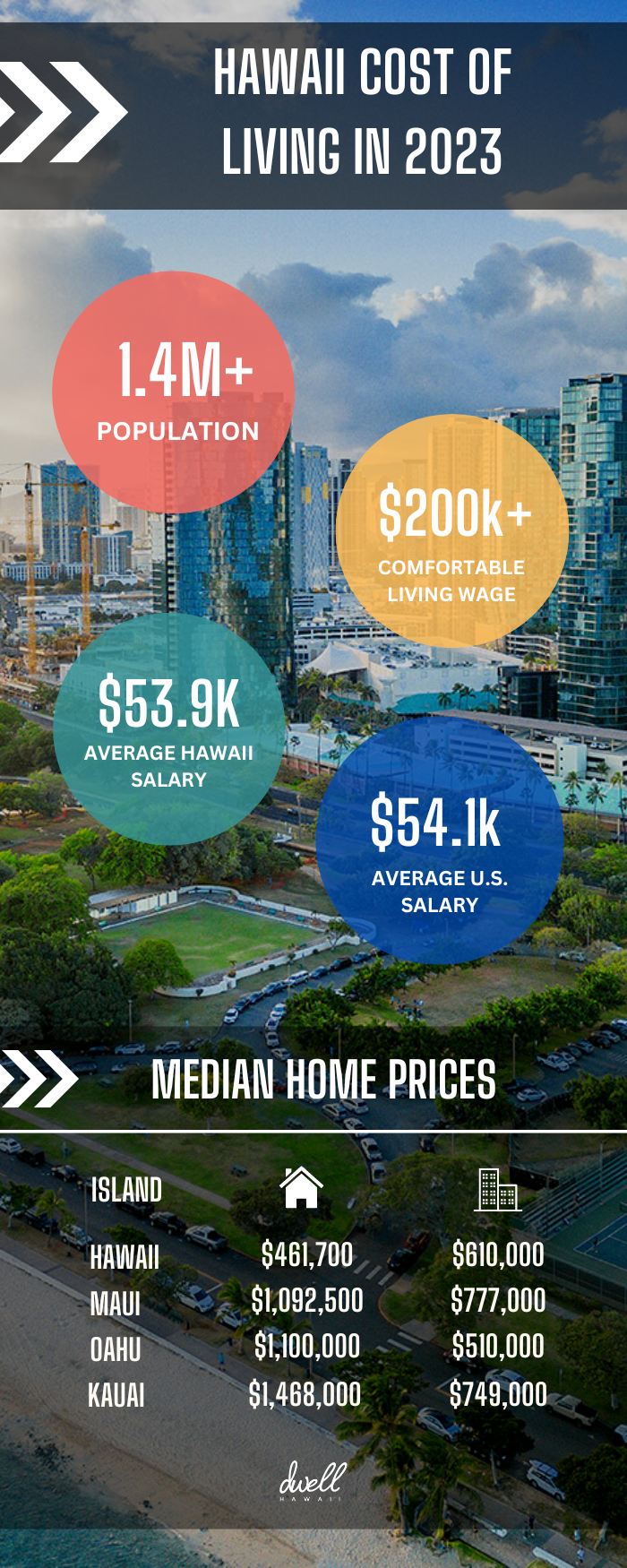
The primary driver of high rent in Hawaii is the island’s geographic isolation. Shipping goods, including construction materials and everyday necessities, is expensive, and this cost is often passed on to consumers, including renters. Furthermore, a significant portion of the housing stock is dedicated to the thriving tourism industry, with many properties operating as short-term vacation rentals. This reduces the availability of long-term housing options, pushing rental prices upwards for both residents and longer-term visitors. The unique island environment also means that land is a precious commodity, further contributing to the premium placed on real estate.
Understanding the nuances of the Hawaiian rental market requires looking beyond just a single number. Factors such as the specific island, the proximity to popular tourist areas or major cities like Honolulu, the type of property, and the amenities offered all play a significant role in determining the monthly rent. This article aims to provide a comprehensive overview, empowering you with the knowledge to navigate this unique rental environment.
Understanding the Factors Influencing Rent in Hawaii
The cost of renting in Hawaii is not a monolithic figure; it’s a complex tapestry woven from numerous threads. To accurately answer “How Much Is Rent In Hawaii?”, we must dissect the primary components that contribute to the overall expense. These factors are interconnected and can lead to substantial variations in pricing, even within the same island.
Island-Specific Market Dynamics
Hawaii is an archipelago, and each of its major islands boasts its own distinct character, economy, and consequently, rental market. This is perhaps the most significant differentiator in rent prices.
-
Oahu: As the most populated island and home to the state capital, Honolulu, Oahu generally experiences the highest rental costs. The concentration of businesses, educational institutions, and major tourist attractions like Pearl Harbor and the iconic Waikiki beach drives up demand and, therefore, prices. Renters can expect to pay a premium for the convenience and access to amenities that Oahu offers, especially in popular areas like Honolulu and Waikiki. This is also where you’ll find a vast array of hotels and resorts, from luxury establishments like Halekulani to more budget-friendly options, all competing for tourist dollars, which indirectly impacts residential rental availability.
-
Maui: Known for its luxurious resorts and stunning natural beauty, including the scenic Road to Hana and the dormant volcano Haleakalā, Maui also commands high rental prices. Areas like Lahaina and Ka’anapali are prime tourist destinations, leading to a high demand for both short-term and long-term accommodations. While perhaps not as densely populated as Oahu, the lifestyle and vacation appeal of Maui attract affluent residents and visitors, pushing rental rates up. The availability of high-end resorts and villas, such as those found in Wailea, further accentuates the luxury segment of the market.
-
Kauai: Often referred to as the “Garden Isle,” Kauai offers a more laid-back atmosphere, attracting nature lovers and those seeking a quieter escape. While generally less expensive than Oahu or Maui, rental prices on Kauai are still considerable due to its popularity as a tourist destination and its remote location. Towns like Poipu and Kapa’a are popular hubs, and rental demand can be high, especially for properties with ocean views or close to attractions like the Na Pali Coast.
-
Island of Hawaii (Big Island): The largest of the Hawaiian Islands, the Big Island offers a diverse range of environments, from the active volcanoes of Hawaii Volcanoes National Park to the black sand beaches and coffee plantations of the Kona coast. Rental prices can vary significantly across the island. The Kona side, being more developed and a popular tourist spot, tends to have higher rents than the Hilo side. The sheer size of the island means that while some areas might offer more affordable options, popular resort towns and areas with easy access to attractions will still command higher prices.
Property Type and Size
The type and size of the rental unit are fundamental determinants of cost.
-
Studios and 1-Bedroom Apartments: These are typically the most affordable options, ideal for individuals or couples. Even in more rural areas, studios can be surprisingly costly due to the overall high cost of living.
-
2-Bedroom and 3-Bedroom Apartments/Houses: As the number of bedrooms increases, so does the rent. Families or groups looking for more space will naturally face higher rental expenses. The demand for larger family homes, especially those with yards or in desirable school districts, can drive prices up significantly.
-
Condominiums and Townhouses: These offer a middle ground, often providing amenities like shared pools or fitness centers. Their pricing often falls between apartments and single-family homes, influenced by the HOA fees and the specific amenities offered.
-
Single-Family Homes: These are generally the most expensive rental option, offering the most space and privacy. Properties with ocean views, beachfront locations, or ample land will command top dollar. The availability of single-family homes for long-term rental can also be limited, especially in popular tourist areas.
-
Luxury Villas and Estates: For those seeking unparalleled comfort and exclusivity, Hawaii offers a plethora of high-end rental properties. These can include beachfront villas, estates with private pools and breathtaking views, and exclusive resort residences. The price for such accommodations can be astronomical, catering to a niche market of luxury travelers and high-net-worth individuals. Resorts like the Four Seasons Resort Maui at Wailea offer luxurious suites and villas that set a benchmark for high-end stays.
Location and Proximity to Amenities
As with any real estate market, location is key in Hawaii.
-
Proximity to Beaches and Tourist Attractions: Properties located near popular beaches, iconic landmarks like Diamond Head, or major tourist hubs will almost always be more expensive. The convenience of being close to the ocean, restaurants, shops, and entertainment drives up demand and rental prices.
-
Urban vs. Rural: Major cities like Honolulu and its surrounding areas generally have higher rents than more remote, rural parts of the islands. However, even rural areas on islands like Maui or Kauai can be expensive due to their desirable lifestyle and limited housing stock.
-
Access to Transportation and Employment Centers: Areas with good public transportation links or proximity to major employment centers often see higher rental demand and prices.
Duration of Stay
The length of your rental agreement can also impact the monthly cost.
-
Short-Term Rentals (Vacation Rentals): These are typically the most expensive on a per-night or per-week basis. They cater to tourists and often include all utilities and furnishings. Websites like Airbnb and VRBO are rife with such listings.
-
Medium-Term Rentals (3-6 Months): Some property owners offer discounts for medium-term leases, providing a more affordable option than weekly rentals for longer visits, but often still at a premium compared to traditional long-term leases.
-
Long-Term Leases (1 Year or More): These usually offer the lowest monthly rent. Standard residential leases are for a year or more, and tenants are typically responsible for utilities. These are the most cost-effective for those planning an extended stay or relocating.
Average Rental Costs Across Different Property Types
To provide a more concrete understanding of “How Much Is Rent In Hawaii?”, let’s look at some estimated average rental costs. It’s crucial to remember that these are averages and can fluctuate significantly based on the factors discussed above. These figures are for long-term leases (1 year+) and do not include utilities unless specified.
Apartment Rentals
Apartments are a popular choice for many, offering a balance of affordability and convenience.
-
Studio Apartment: On average, expect to pay anywhere from $1,500 to $2,500+ per month. In prime locations on Oahu, especially near Honolulu and Waikiki, this figure can easily exceed $2,500.
-
1-Bedroom Apartment: These typically range from $1,800 to $3,000+ per month. Again, high-demand areas will push these prices higher.
-
2-Bedroom Apartment: For a 2-bedroom unit, prices generally start around $2,200 and can go up to $4,000+. Families or those needing extra space will find this to be a significant part of their budget.
-
3-Bedroom Apartment: These are less common in many apartment buildings, but where available, they can range from $2,800 to $5,000+.
House Rentals
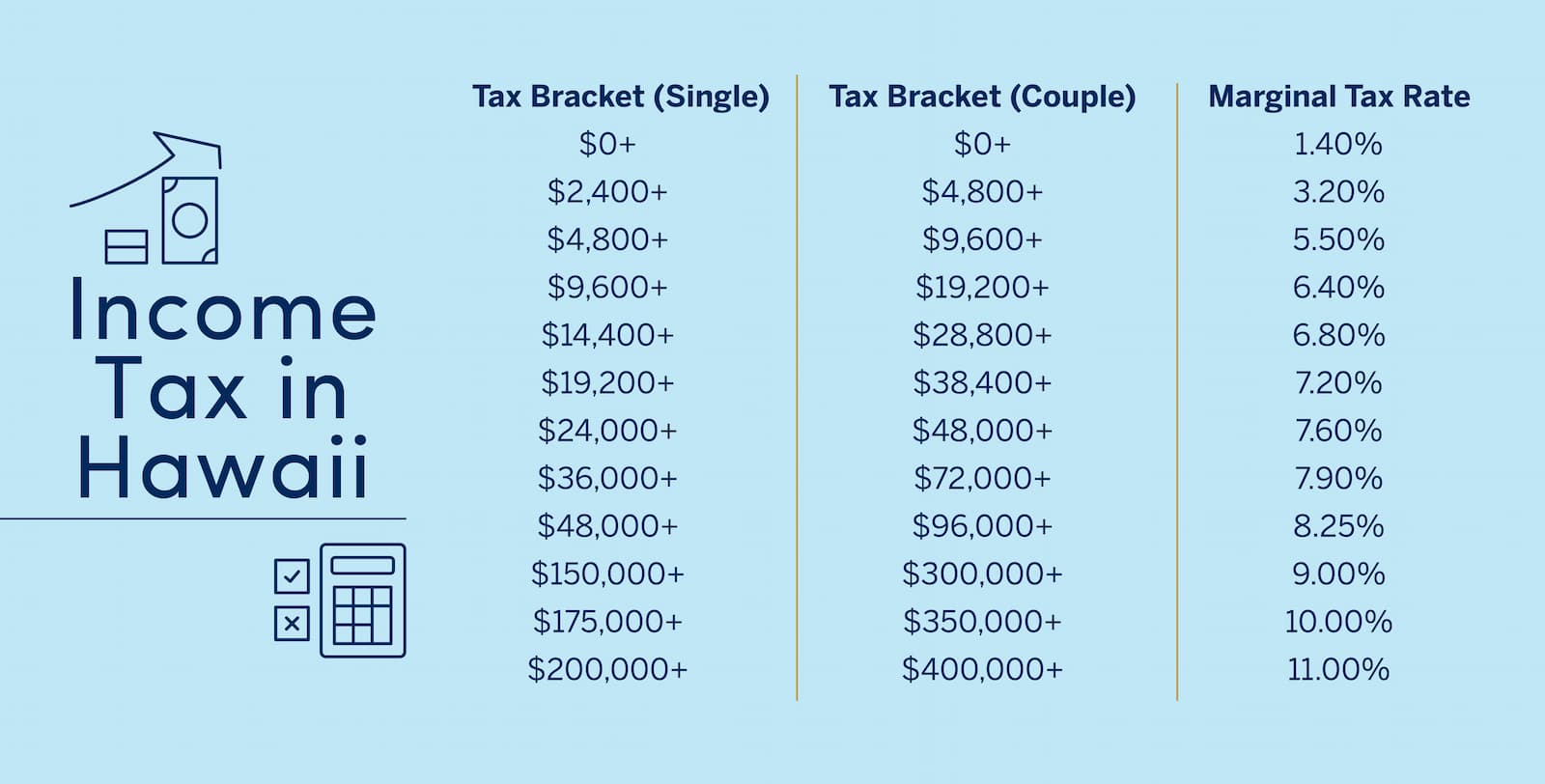
Renting a single-family home in Hawaii offers more space but comes with a higher price tag.
-
1-Bedroom House: While less common than apartments, these can range from $2,000 to $3,500+.
-
2-Bedroom House: Expect to pay between $2,500 and $4,500+ per month for a 2-bedroom house. Properties with desirable features or locations will be at the higher end of this spectrum.
-
3-Bedroom House: These are highly sought after and can cost anywhere from $3,000 to $6,000+. Luxury homes in exclusive neighborhoods or with ocean views can far exceed these averages.
Condominiums and Townhouses
Condos and townhouses offer a middle ground, often with shared amenities.
-
1-Bedroom Condo/Townhouse: Prices typically fall between $1,900 and $3,200+.
-
2-Bedroom Condo/Townhouse: These generally range from $2,300 to $4,200+. The addition of amenities like a pool, gym, or security can influence the price.
Luxury and High-End Rentals
For those seeking premium living, the sky is the limit. Luxury apartments in prime Honolulu high-rises, oceanfront villas on Maui, or sprawling estates on the Big Island can command rents from $5,000 to $10,000+ per month, and for truly exceptional properties, even upwards of $20,000 or more. These often come with breathtaking views, private pools, high-end finishes, and exclusive access to resort-like amenities, making them attractive for discerning travelers and residents.
Budgeting for Your Hawaiian Rental: Additional Costs to Consider
Beyond the monthly rent, several other expenses are associated with renting in Hawaii that need to be factored into your budget. These can significantly increase the overall cost of living.
Utilities
-
Electricity: Hawaii has some of the highest electricity rates in the United States. This is primarily due to the reliance on imported fossil fuels. Expect to pay $100-$300+ per month for electricity, depending on usage and the size of your dwelling. Air conditioning, which is often necessary in the humid climate, can be a major contributor to high electricity bills.
-
Water and Sewer: These costs are generally more moderate, often ranging from $50 to $100+ per month, though this can vary by island and the specific provider.
-
Internet and Cable TV: Standard internet and cable packages can cost $80 to $150+ per month. Bundled packages might offer slight savings.
-
Trash and Recycling: In some areas, these services are included in rent or HOA fees, but in others, they may be a separate monthly charge, typically $20-$50.
Other Potential Fees
-
Application Fees: Landlords often charge a non-refundable application fee, typically $25-$75, to cover credit and background checks.
-
Security Deposit: A security deposit, usually equivalent to one month’s rent, is standard. Some landlords may require more for properties with pets or for longer-term stays.
-
Pet Fees: If you plan to bring a pet, expect to pay an additional pet deposit (refundable) and/or a monthly pet rent, which can add $25-$100+ per pet to your monthly expenses.
-
Parking: While some apartments and houses include parking, it can be an additional cost, especially in dense urban areas like Honolulu. Monthly parking fees can range from $50 to $200+.
-
HOA Fees: For condominiums and townhouses, Homeowners Association (HOA) fees are common and can range from $100 to $500+ per month, depending on the amenities and services provided by the association. These fees often cover maintenance of common areas, landscaping, pool access, and sometimes even water or trash removal.
-
Moving Costs: The cost of transporting your belongings to Hawaii can be substantial, especially if you’re coming from the mainland. Shipping furniture and vehicles can add thousands of dollars to your relocation budget.
-
Rental Insurance: While not always mandatory, landlord insurance typically does not cover your personal belongings. It is highly recommended to get renters insurance, which can cost $15-$30+ per month.
Tips for Finding Affordable Rent in Hawaii
Navigating the high cost of rent in Hawaii requires a strategic approach. While Hawaii is undeniably an expensive place to live, there are ways to mitigate costs and find more affordable options.
Be Flexible with Location
-
Consider Less Touristy Areas: While living directly on the beach in Waikiki might be out of reach, exploring neighborhoods slightly inland or in less developed parts of the islands can lead to significant savings. For example, on Oahu, looking beyond the most sought-after areas of Honolulu might reveal more affordable options.
-
Explore Different Islands: If you have the flexibility, compare rental prices across the islands. While Oahu and Maui are generally the most expensive, islands like the Big Island or Kauai might offer relatively more affordable options in certain regions, though this is not always the case.
Explore Various Accommodation Types
-
Roommates: Sharing a house or apartment with roommates is a classic way to reduce individual rent burdens. This is a common practice for many residents in Hawaii.
-
Accessory Dwelling Units (ADUs): Also known as “Ohana units” or “in-law suites,” these are secondary housing units on a single-family property. They are often smaller and more affordable than main homes.
-
Long-Term Vacation Rentals: While generally more expensive, sometimes properties listed as vacation rentals might offer discounted rates for longer stays (several months) if they are between peak tourist seasons. Negotiating directly with the owner or property manager can be beneficial.

Be Prepared and Act Quickly
-
Have Your Documents Ready: When you find a place you like, landlords expect applicants to be prepared. Have copies of your ID, proof of income (pay stubs, bank statements), and references readily available.
-
Act Fast: The rental market in Hawaii can move very quickly, especially for desirable and affordable units. Be ready to submit an application and deposit as soon as you find a suitable place.
-
Network: Talk to locals, friends, and colleagues. Often, the best rental deals are found through word-of-mouth before they are even advertised.
-
Consider Furnished vs. Unfurnished: Unfurnished apartments generally have lower monthly rents, but you’ll need to factor in the cost of purchasing furniture. Furnished options offer convenience but come at a higher price. If you’re planning a long-term stay, investing in unfurnished might be more economical in the long run.
By understanding the multifaceted nature of Hawaiian rental costs and employing smart strategies, you can better prepare for the financial realities of living in this beautiful archipelago. While the dream of living in Hawaii might seem financially daunting, with careful planning and realistic expectations, it can certainly be an achievable goal.
LifeOutOfTheBox is a participant in the Amazon Services LLC Associates Program, an affiliate advertising program designed to provide a means for sites to earn advertising fees by advertising and linking to Amazon.com. Amazon, the Amazon logo, AmazonSupply, and the AmazonSupply logo are trademarks of Amazon.com, Inc. or its affiliates. As an Amazon Associate we earn affiliate commissions from qualifying purchases.