
Nestled in the dramatic embrace of the Black Mountains of western Arizona, the unincorporated community of Oatman beckons travelers seeking a genuine step back in time. Far from the bustling metropolises and well-trodden tourist trails, Oatman offers a unique glimpse into the rugged allure of the American West, a place where history whispers from the weathered facades of its buildings and the wild spirit of the desert still roams free. If you’ve ever found yourself captivated by tales of cowboys, gold rushes, and the untamed frontier, then Oatman is a destination that deserves a prominent spot on your travel itinerary.

This charming, albeit small, town is not merely a dot on the map; it’s an experience. Its isolation, once a challenge for settlers and miners, has become its greatest asset in the modern era, preserving an authentic atmosphere that larger, more commercialized destinations often struggle to maintain. For those who appreciate destinations steeped in character and history, and who find beauty in the stark, natural landscapes of the Southwest, Oatman is a treasure waiting to be discovered. It’s a place where the silence is punctuated by the braying of wild burros and the echoes of a bygone era, inviting you to slow down and immerse yourself in its distinctive charm.
Unveiling the Location and Setting of Oatman
To truly appreciate Oatman, understanding its geographical context is key. This historic mining town is strategically, and picturesquely, situated along the legendary Historic Route 66, a ribbon of asphalt that snakes its way through the heart of America, connecting myriad stories and landscapes. Its location places it roughly 30 miles southeast of Kingman, Arizona, and a comparable distance northeast of Needles, California, right on the edge of the Colorado River. This proximity to the Colorado River has historically been significant, influencing the development and sustenance of the region.
The journey to Oatman is an integral part of the adventure. As you approach, the landscape transforms, revealing the rugged beauty of the Mojave Desert. The Black Mountains rise majestically, their arid slopes dotted with resilient desert flora. The drive itself, especially along the winding sections of Historic Route 66, is an experience that builds anticipation. The road twists and turns, offering breathtaking vistas of canyons and valleys, a prelude to the wildness that defines Oatman. This scenic approach prepares visitors for the raw, untamed beauty of the Southwest, setting the stage for the historical immersion that awaits.
The Historic Route 66 Connection
The very essence of Oatman is intertwined with Historic Route 66. This iconic highway, often dubbed the “Main Street of America,” played a pivotal role in the town’s development and its subsequent rediscovery as a tourist destination. Before the advent of the interstate highway system, Route 66 was the primary artery connecting Chicago to Los Angeles, carrying millions of travelers, migrants, and dreamers westward. Oatman, with its convenient location and burgeoning mining industry, became a vital stop for those traversing this historic route.
Today, Oatman stands as one of the best-preserved and most evocative towns along Historic Route 66. While much of the original highway has been bypassed by modern freeways, the spirit of Route 66 endures in places like Oatman. Visitors can still drive portions of the original road, experiencing the same scenic beauty and sense of adventure that travelers did decades ago. This connection to Route 66 imbues Oatman with a nostalgic aura, drawing in enthusiasts of classic Americana, road trip culture, and those seeking an authentic vintage travel experience. It’s a living museum of a bygone era, where every turn in the road tells a story.
Gateway to the Colorado River and Mojave Desert
The geographical positioning of Oatman makes it a natural gateway to the vast and captivating landscapes of the Mojave Desert and the mighty Colorado River. This region is characterized by its stark, dramatic beauty, where towering rock formations, expansive sand dunes, and a surprisingly diverse array of plant and animal life create a unique and unforgettable environment. For nature lovers and outdoor adventurers, Oatman serves as an excellent base for exploring these natural wonders.
The Colorado River, forming a natural border with California, offers opportunities for various water activities, though access and activities can vary depending on the specific location and season. More broadly, the surrounding desert terrain provides ample opportunities for hiking, off-roading, and simply soaking in the immense, quiet solitude that defines desert life. The stark beauty of the Mojave Desert, with its rugged canyons and panoramic views, is a constant companion as you explore the area around Oatman. This natural setting contributes significantly to the town’s appeal, offering a stark contrast to the historical architecture and the bustling (albeit small) town center.
Experiencing the Charm and Attractions of Oatman
Oatman is more than just its location; it’s a town that has embraced its rich history and transformed it into a captivating tourist experience. The preserved Old West architecture, the presence of wild burros, and the unique local businesses all contribute to its undeniable charm. This is a place where you can truly feel like you’ve stepped onto a movie set, with the added benefit of genuine history and living culture.
Wild Burros of Oatman
Perhaps the most unique and beloved inhabitants of Oatman are its wild burros. These descendants of pack animals used by miners in the late 19th and early 20th centuries now roam freely through the town streets. They are a living testament to the town’s mining past and have become an iconic symbol of Oatman. Visitors are often delighted by the sight of these gentle creatures, who are accustomed to human interaction and can often be seen munching on grass or posing for photos.
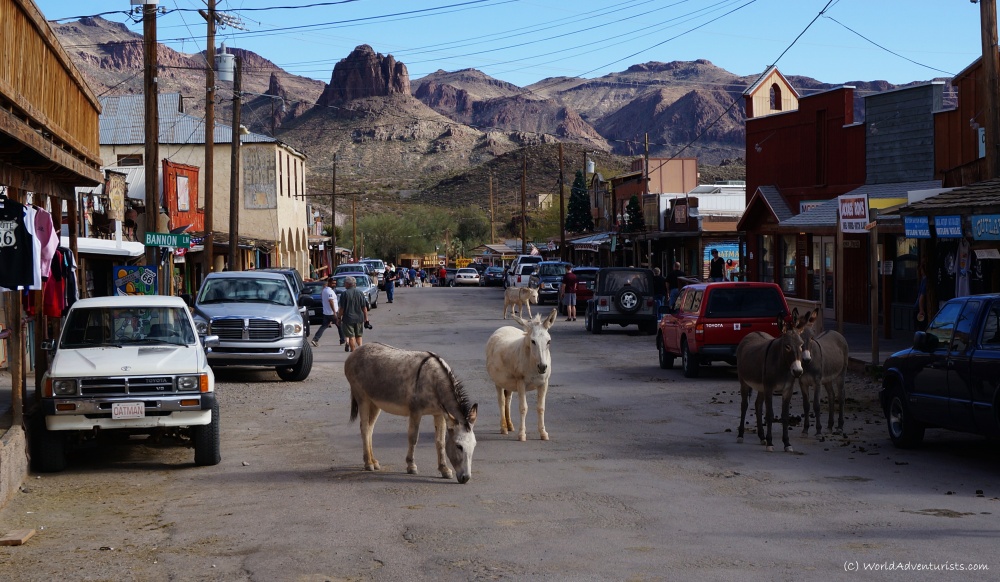
It’s important for visitors to remember that while the burros are friendly, they are still wild animals. It’s recommended to observe them from a safe distance and refrain from feeding them anything other than specially designated burro feed, which can often be purchased at local shops. Responsible interaction ensures the well-being of the burros and preserves their wild nature for future generations of visitors to enjoy. Their presence adds an unparalleled level of authenticity and whimsy to the Oatman experience, making it unlike any other destination.
Historic Buildings and Old West Atmosphere
The heart of Oatman lies in its remarkably preserved historic district. Walking down Oatman’s main street is like stepping back in time. The wooden boardwalks, the false-front buildings, and the weathered facades all evoke the spirit of the Old West. Many of the buildings that line the street have a story to tell, having served as saloons, general stores, hotels, and assay offices during the town’s heyday as a booming mining center.
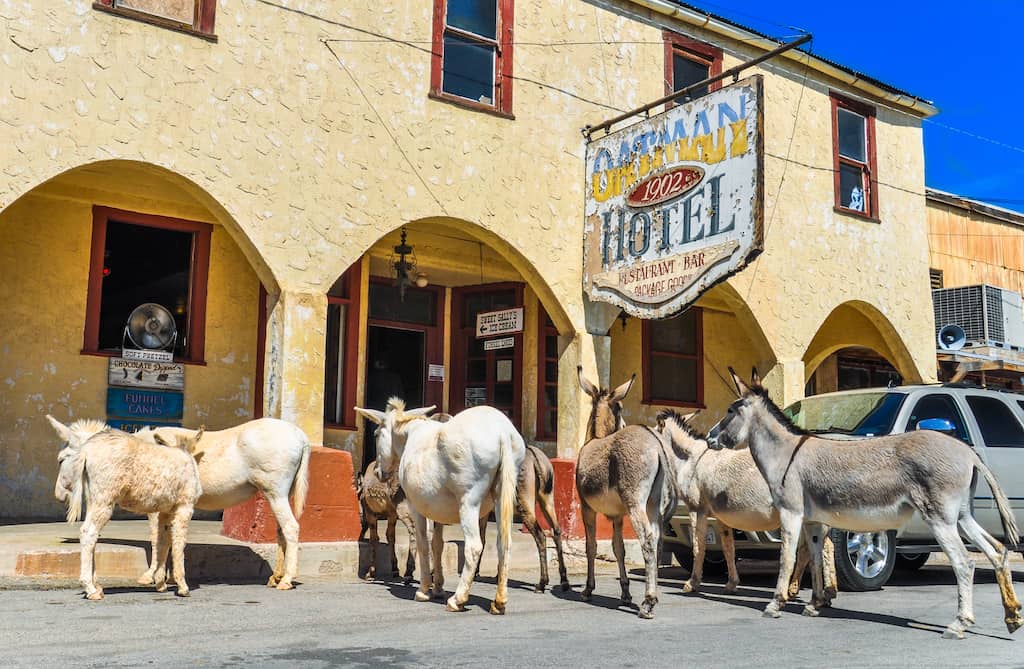
Key landmarks include the Oatman Hotel, a historic establishment that once hosted such notable figures as Clark Gable and Carole Lombard, and the Oatman Jail, a small, rustic structure that offers a glimpse into the rough-and-tumble justice of the frontier. The Oatman Ghost Town Museum provides further insight into the town’s rich history, showcasing artifacts and stories from its mining past. The entire street is a living museum, with shops and businesses that have artfully incorporated the Old West theme into their offerings, selling souvenirs, Western wear, and local crafts. This commitment to preservation allows visitors to fully immerse themselves in the atmosphere of a genuine frontier town.
Local Shops, Eateries, and Entertainment
Beyond the historical sights, Oatman offers a vibrant, albeit small, selection of local shops, eateries, and entertainment options that cater to its visitors. The shops lining Oatman’s main street are perfect for finding unique souvenirs and gifts. You can pick up Western-themed memorabilia, local art, handmade crafts, and of course, items related to Oatman’s famous burros. These establishments are not just places to buy things; they are part of the fabric of the town, often run by locals with a deep connection to Oatman’s history and character.
When hunger strikes, Oatman offers a taste of classic American diner fare and Western-style cooking. Several saloons and cafes serve up hearty meals, perfect for refueling after a day of exploring. You might find yourself enjoying a juicy burger, some regional specialties, or simply a cool drink in a setting that feels straight out of a Western film. In addition to dining and shopping, Oatman sometimes features live entertainment, often in the form of old-time Western music or staged gunfights, further enhancing the immersive experience. These elements, combined with the friendly atmosphere, make Oatman a delightful place to spend a day or an extended weekend.
Planning Your Visit to Oatman
A visit to Oatman is a unique travel experience, and with a little planning, you can make the most of your journey into this historic frontier town. Understanding the best times to visit, how to get there, and what to expect regarding accommodation will ensure a smooth and enjoyable trip.
Best Time to Visit
The climate in Oatman mirrors that of the surrounding Mojave Desert, characterized by hot summers and mild winters. For those who prefer cooler temperatures, the spring (March to May) and fall (September to November) months are generally considered the best times to visit. During these periods, the desert temperatures are more comfortable for exploring the town and its surroundings. Summer (June to August) can be extremely hot, with temperatures frequently exceeding 100°F (38°C), making daytime exploration challenging for some. Winter (December to February) offers milder weather, though occasional cold snaps can occur. Ultimately, the “best” time to visit often depends on personal preference and tolerance for heat.
Getting to Oatman
Reaching Oatman primarily involves driving, as it is not served by public transportation. The most common route is via Historic Route 66. From Kingman, Arizona, you will head west on I-40 and then take exit 53 for Historic Route 66. Follow the signs for Oatman – this will lead you onto a scenic and winding stretch of the old highway that descends into the valley where the town is located. Alternatively, from the west, if you are coming from California, you can take Historic Route 66 east from Needles, California.
The drive along this section of Historic Route 66 is an attraction in itself, offering stunning desert scenery. Be prepared for narrow, winding roads with sheer drop-offs in some sections, especially as you descend into Oatman. These roads are generally well-maintained, but it’s wise to drive cautiously and be aware of your surroundings, especially if you are not accustomed to mountain or desert driving. Ensure your vehicle is in good condition, and consider filling up on gas before embarking on this stretch of road, as services can be sparse.
Accommodation and Nearby Stays
Given its small size, Oatman itself offers limited accommodation options, primarily consisting of the historic Oatman Hotel and a few other small inns or rental properties. These can provide an authentic experience, allowing you to sleep amidst the history of the town. However, for travelers seeking a wider range of amenities or booking flexibility, nearby towns offer more choices.
Kingman, Arizona, located about 30 minutes away, boasts a variety of chain hotels and motels, providing comfortable and convenient lodging. For those looking for a resort experience or more upscale accommodations, you would likely need to travel further afield to larger cities in Arizona or California. When planning your stay, it’s advisable to book in advance, especially during peak travel seasons or weekends, as Oatman and its limited accommodations can fill up quickly. Exploring options in Kingman or even Laughlin, Nevada, which offers a casino resort atmosphere, might be necessary for those requiring specific amenities or a broader selection of hotels. Remember to consider the driving distance when choosing your base if you plan to spend extensive time exploring the Oatman area.
LifeOutOfTheBox is a participant in the Amazon Services LLC Associates Program, an affiliate advertising program designed to provide a means for sites to earn advertising fees by advertising and linking to Amazon.com. Amazon, the Amazon logo, AmazonSupply, and the AmazonSupply logo are trademarks of Amazon.com, Inc. or its affiliates. As an Amazon Associate we earn affiliate commissions from qualifying purchases.