
The vast, untamed expanse of the Oregon Territory once represented the ultimate frontier, a land shrouded in mystery and promise at the far western edge of the North American continent. For the young and ambitious United States, securing this immense region was not merely an act of territorial expansion; it was a multifaceted endeavor driven by economic ambition, geopolitical strategy, ideological conviction, and the relentless spirit of exploration. The journey to acquire the Oregon Territory encapsulates a pivotal chapter in American history, transforming the nation’s destiny and laying the groundwork for future travel, settlement, and lifestyle development across the American West. It was a grand quest for a nation eager to define its boundaries, exploit its resources, and project its influence, turning an arduous trek into a legendary migration that shaped a continent.
The Lure of the Uncharted West: Manifest Destiny and Expansion
At the heart of America’s westward expansion lay a powerful, almost spiritual belief system known as Manifest Destiny. This conviction held that the United States was divinely ordained to expand its dominion from the Atlantic to the Pacific Ocean, spreading democracy and American ideals across the continent. The acquisition of the Oregon Territory was seen as a crucial, almost inevitable, step in fulfilling this grand vision.
A Nation’s Destiny: From Coast to Coast
The idea of a contiguous United States stretching from “sea to shining sea” captivated the American imagination in the 19th century. The Oregon Territory, with its fertile valleys, majestic mountains, and a coastline reaching the Pacific Ocean, represented the missing piece in this continental puzzle. Acquiring it was not just about adding square miles to the national map; it was about solidifying the nation’s identity and providing a vast canvas for future generations to build new lives and communities. This drive for westward expansion fueled an unprecedented era of exploration and migration, painting a landscape for future travelers eager to experience the vastness and beauty of the American West. For those in the burgeoning Eastern cities, the Oregon Territory was more than just land; it was a dream of limitless possibility, a destination for reinvention, and a testament to American ambition.
Strategic Access to Global Trade
Beyond ideological considerations, the practical benefits of gaining a Pacific port were immense. The acquisition of the Oregon Territory promised the United States direct access to lucrative trade routes across the Pacific Ocean to Asia. Nations like China, Japan, and the Philippines represented untapped markets, and having a western deep-water port would dramatically reduce shipping times and costs compared to sailing around South America.
Early American explorers and traders understood the strategic value of harbors like Astoria at the mouth of the Columbia River, foreseeing them as future hubs of international commerce. This forward-thinking vision laid the groundwork for the establishment of major port cities such as Portland in modern-day Oregon, which would become vital gateways for goods and people traveling between the continents. The prospect of economic prosperity through trans-Pacific trade was a powerful incentive, promising to elevate the United States’s standing as a global economic power and open new avenues for international travel and cultural exchange.
Economic Drivers: Furs, Farms, and Fortune
The economic potential of the Oregon Territory was a significant draw, captivating the imaginations of entrepreneurs and ordinary citizens alike. From the abundant natural resources to the promise of fertile farmlands, the territory offered diverse opportunities for wealth and a new way of life.
The Lucrative Fur Trade
In the early 19th century, the fur trade was a dominant economic activity across North America, and the Oregon Territory was rich in beaver, otter, and other valuable pelts. Both British and American companies established a presence in the region, vying for control of this lucrative industry. The Hudson’s Bay Company, a powerful British entity, had long dominated the northern fur trade, establishing trading posts and routes that mapped much of the interior. American entrepreneurs, such as John Jacob Astor’s American Fur Company, saw immense potential to compete and extend American economic influence westward.
The intrepid fur trappers, often referred to as mountain men, were among the first non-indigenous people to extensively explore the rugged terrain of the Oregon Territory. Their journals and tales provided valuable intelligence about the land, its geography, and its indigenous inhabitants, fueling further interest in the region. Their lifestyle was one of ultimate self-reliance and adventure, traversing vast wildernesses and establishing temporary camps, making them early pioneers of rugged travel and extreme exploration. The pursuit of these valuable furs served as a primary catalyst for early American presence and claims in the territory, highlighting its resourcefulness as a destination.
Agricultural Abundance and Settler Dreams
While furs sparked the initial interest, it was the promise of fertile agricultural land that ultimately drove mass migration to the Oregon Territory. Reports from explorers and missionaries painted a picture of the Willamette Valley as an agricultural paradise, with rich volcanic soil, ample rainfall, and a mild climate ideal for farming. For many Americans in the crowded eastern states, suffering from economic downturns or seeking a fresh start, the idea of free land and the chance to build an independent life was incredibly alluring.
This vision of agricultural abundance directly appealed to the “lifestyle” aspects of westward expansion. Settlers dreamed of establishing prosperous farms, building communities, and securing a legacy for their families. The prospect of self-sufficiency and escaping the social and economic constraints of the East was a powerful magnet. These future farmers were not merely seeking land; they were pursuing a dream of a better life, transforming a wild frontier into a productive agricultural region and a burgeoning destination for those seeking new horizons. The promise of the Willamette Valley became a central theme in the calls for American acquisition, linking the territory’s natural endowments to the dreams of everyday Americans.

Geopolitical Maneuvering: A Prize for the Taking
The Oregon Territory was not an unclaimed wilderness; it was a complex mosaic of overlapping claims by multiple powerful nations, making its acquisition a significant diplomatic and military challenge.
Competing Claims and International Rivalries
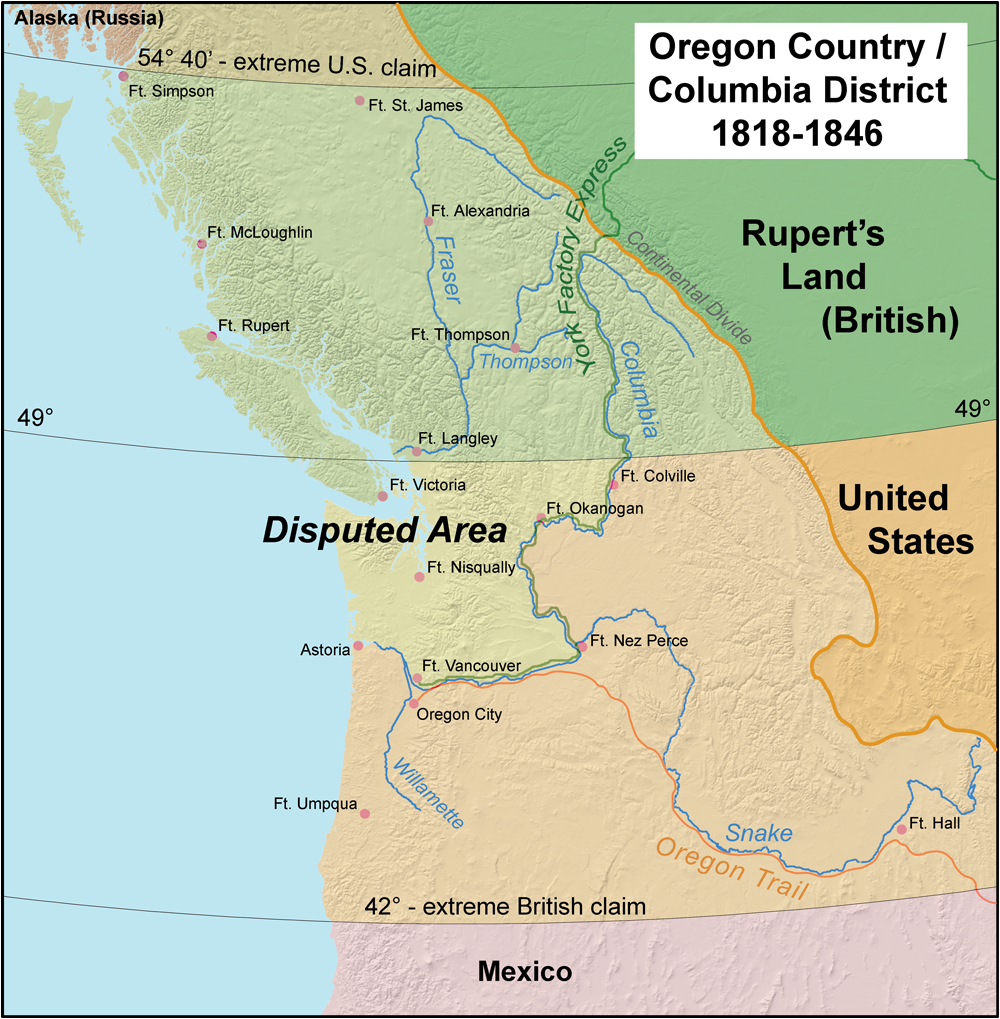
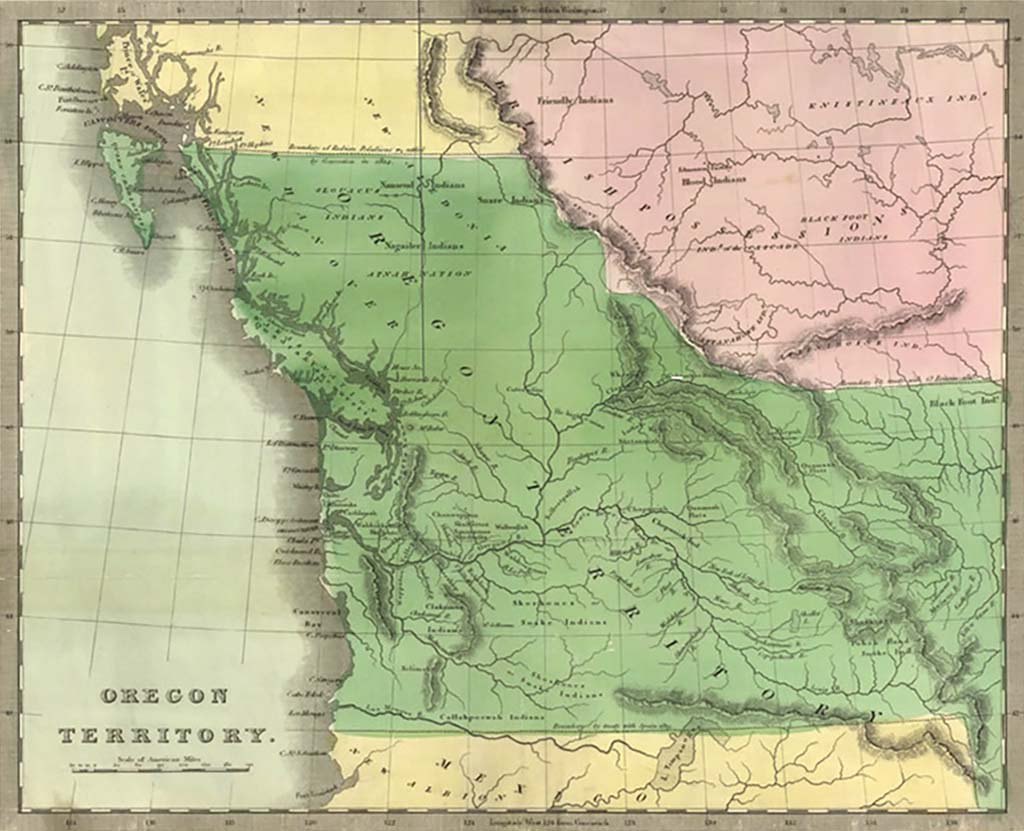
At various points, Spain, Russia, Great Britain, and the United States all asserted claims to parts of the Oregon Territory. Spain based its claim on early explorations of the Pacific coast, eventually ceding its rights to the United States in the 1819 Adams-Onís Treaty. Russia also had claims stemming from its presence in Alaska and fur trading activities along the coast, but these were eventually relinquished through treaties in 1824 and 1825.
This left Great Britain and the United States as the primary contenders. Great Britain’s claims were strong, based on early discovery, exploration by the likes of George Vancouver, and the extensive presence of the Hudson’s Bay Company. The two nations initially agreed to a “joint occupation” in 1818, allowing citizens of both countries to settle and trade freely, a precarious arrangement that lasted for decades. For the United States, acquiring exclusive rights to the territory was a matter of national prestige and securing its territorial integrity against a powerful European rival, highlighting the global significance of this remote land.
The People’s Push: The Oregon Trail and American Presence
While diplomatic negotiations proceeded slowly, a more potent force was at work: American migration. Starting in the early 1840s, thousands of American pioneers embarked on the arduous 2,000-mile journey known as the Oregon Trail. This epic overland route, beginning in towns like Independence, Missouri, and traversing plains, mountains, and deserts, became one of the most significant migrations in human history. It was the ultimate “adventure travel” experience of its time, a grueling six-month odyssey fraught with danger from disease, accidents, and environmental challenges.
The sheer volume of American settlers establishing farms and communities in the Willamette Valley dramatically strengthened the United States’s claim to the territory. Their presence on the ground created a powerful demographic argument that outweighed British claims based on historical exploration or company presence. Landmarks along the Oregon Trail, such as Chimney Rock and Independence Rock, became iconic symbols of this westward movement, visible testaments to the determination of the pioneers.
The political slogan “Fifty-Four Forty or Fight!”, referring to the parallel of latitude that marked the northernmost desired boundary for the United States, encapsulated the aggressive public sentiment for acquiring the entire territory. Although this extreme claim was eventually moderated, the immense pressure from American settlers and public opinion played a crucial role in compelling Great Britain to negotiate. The eventual Oregon Treaty of 1846 formally divided the territory at the 49th parallel, establishing the present-day boundary between the United States and Canada and confirming American sovereignty over what would become the states of Oregon, Washington, Idaho, and parts of Montana and Wyoming.
Legacy and Lasting Impact: A Land of Tourism and Discovery
The acquisition of the Oregon Territory was a defining moment for the United States, one whose ripple effects continue to shape the region and resonate in the realms of travel, tourism, and lifestyle. The historical motivations for its acquisition have evolved into compelling reasons for modern exploration and appreciation.
From Frontier to Famed Destination
What was once a distant, untamed frontier sought for its resources and strategic position has transformed into a vibrant and highly sought-after destination for travelers worldwide. The historical narratives of the Oregon Trail and the pioneering spirit are preserved and celebrated in numerous museums, interpretive centers, and historical landmarks along the original route. Visitors today can trace the footsteps of the pioneers, gaining a profound appreciation for their journey and the immense challenges they overcame. These historical sites serve as powerful educational landmarks, connecting contemporary travelers to the enduring spirit of discovery that defined the American experience.
Beyond its historical significance, the modern state of Oregon, a direct legacy of the acquired territory, boasts an incredible array of natural attractions that draw millions of tourists annually. From the breathtaking vistas of the Columbia River Gorge and the serene beauty of Crater Lake National Park to the rugged coastline and dense forests, Oregon offers diverse outdoor experiences. Cities like Portland have become renowned for their unique culture, thriving food scenes, craft breweries, and quirky independent businesses, offering a distinctly modern urban travel experience. The foresight of those who sought access to the Pacific Ocean has materialized into a bustling coastline dotted with charming towns and resorts, popular destinations for relaxation and adventure.
A Tapestry of Lifestyle and Leisure
The diverse reasons for acquiring the Oregon Territory – from the promise of fertile land to the strategic importance of Pacific ports – have profoundly influenced the lifestyles and leisure opportunities available in the region today. The agricultural legacy lives on in the Willamette Valley’s world-class vineyards and farm-to-table culinary experiences, attracting gourmands and oenophiles. The pioneering spirit of adventure endures in the popularity of hiking, skiing, cycling, and water sports across the state’s varied landscapes, catering to all forms of active travel.
The region’s hotels, resorts, and accommodation options reflect this diverse appeal, ranging from luxurious urban suites to rustic cabin rentals and boutique hotels nestled in wine country. Whether seeking a tranquil escape into nature, an immersive cultural experience in a bustling city, or an adventurous exploration of historical trails, Oregon offers a lifestyle for every traveler. The very land that was once a battleground for international claims and a grueling passage for pioneers is now a beacon for tourism, providing unforgettable experiences and embodying a rich tapestry of American history and contemporary living.
In conclusion, the acquisition of the Oregon Territory was not driven by a single motive but a confluence of powerful forces: the ideological imperative of Manifest Destiny, the economic allure of furs and fertile farmland, the strategic necessity of Pacific Ocean ports for Asian trade, and the geopolitical ambition to consolidate American power against rival nations. This complex interplay of desires culminated in the arduous journey of the Oregon Trail pioneers and the skillful diplomacy that secured this vast and valuable region for the United States. Its legacy is not just one of expanded borders but of a new landscape for human endeavor, a rich history that continues to draw visitors and shape the vibrant travel, lifestyle, and tourism experiences found in the Pacific Northwest today.
LifeOutOfTheBox is a participant in the Amazon Services LLC Associates Program, an affiliate advertising program designed to provide a means for sites to earn advertising fees by advertising and linking to Amazon.com. Amazon, the Amazon logo, AmazonSupply, and the AmazonSupply logo are trademarks of Amazon.com, Inc. or its affiliates. As an Amazon Associate we earn affiliate commissions from qualifying purchases.