
The question of whether Boston College is religious is a complex one, evoking nuanced answers that delve into its historical roots, its present-day identity, and the evolving landscape of higher education. While the name itself, “Boston College,” might suggest a straightforward affiliation, the reality is far more intricate. To truly understand Boston College’s religious character, one must explore its founding principles, the ongoing influence of its Jesuit tradition, and how this heritage intersects with its commitment to academic excellence and a diverse student body. This exploration will shed light on how Boston College navigates its religious identity within the contemporary academic world, offering a unique blend of intellectual rigor and spiritual engagement that resonates with many, while also embracing individuals from all backgrounds.
A Jesuit Foundation: Shaping Identity and Mission
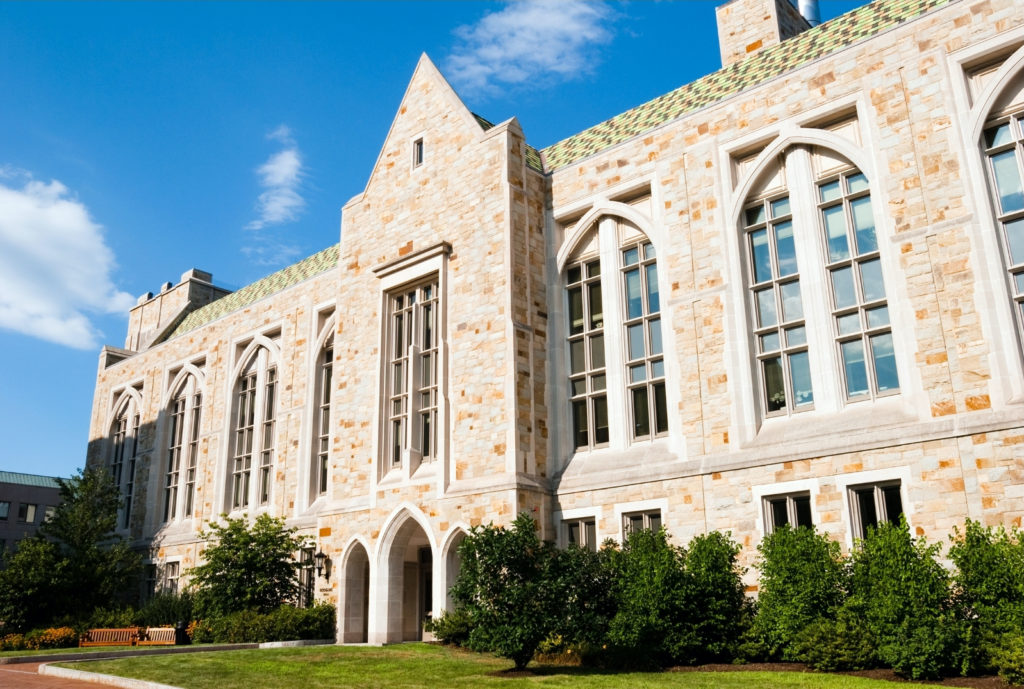
The bedrock of Boston College’s identity is undeniably its Jesuit heritage. Founded in 1863 by the Society of Jesus, the university was established with a clear mission: to provide a rigorous, liberal arts education rooted in the Catholic intellectual tradition. This foundational commitment continues to shape the institution’s ethos, influencing its curriculum, its commitment to service, and its broader understanding of its role in the world. The Jesuits, a Catholic order known for their intellectual pursuits and dedication to education, instilled a philosophy that emphasizes “cura personalis,” a Latin phrase meaning “care for the whole person.” This holistic approach to education goes beyond mere academic instruction, aiming to foster intellectual, moral, and spiritual development in each student.
The Enduring Influence of Jesuit Pedagogy
The Jesuit pedagogical approach at Boston College manifests in several key areas. Firstly, there is a strong emphasis on critical thinking and intellectual inquiry. Students are encouraged to question, to analyze, and to engage deeply with complex ideas, not just within their chosen fields of study, but across disciplines. This aligns with the Jesuit tradition of rigorous scholarship and the pursuit of truth. Secondly, the commitment to social justice and service is a hallmark of a Jesuit education. Boston College actively promotes opportunities for students to engage in community service, both locally and globally, reflecting the Jesuit mandate to serve the marginalized and to work for a more just and equitable world. This emphasis on service is not merely an extracurricular activity; it is woven into the fabric of the academic experience, with many courses incorporating service-learning components.
Furthermore, the concept of “men and women for others” is a central tenet that permeates the Boston College experience. This means fostering a sense of responsibility and a commitment to using one’s talents and education to benefit society. This ethos encourages graduates to be not only successful professionals but also compassionate and engaged citizens who contribute positively to their communities. This focus on ethical leadership and social responsibility is a direct legacy of its Jesuit founding.
Navigating Modern Diversity: Faith and Inclusion
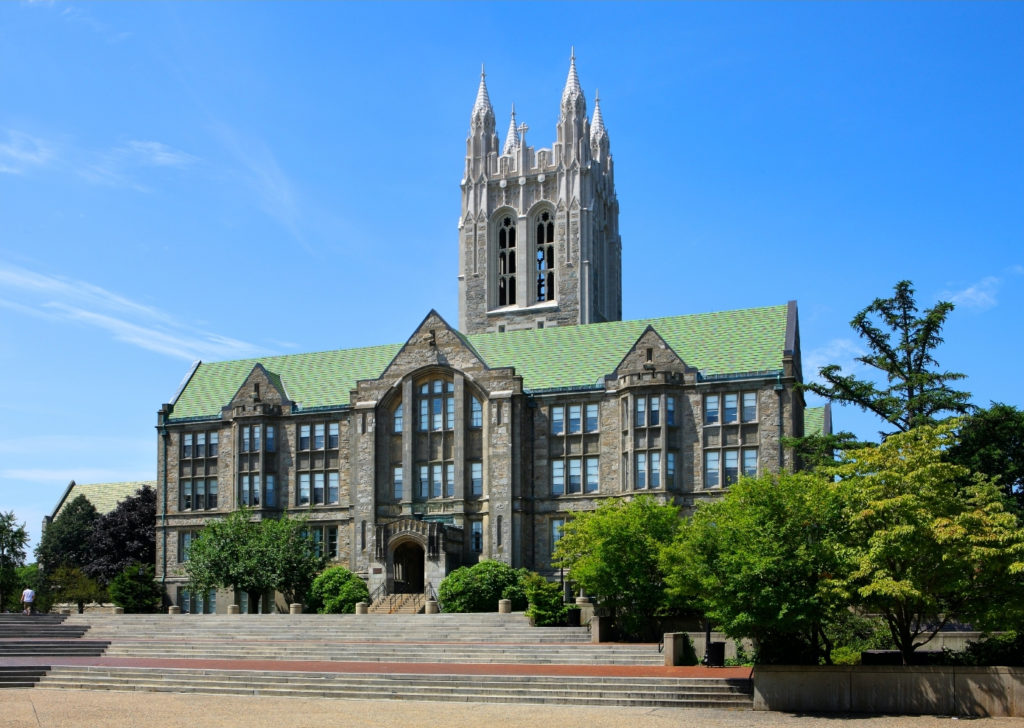
While Boston College is undeniably rooted in its Jesuit and Catholic tradition, the university has evolved to become a diverse and inclusive community that welcomes students, faculty, and staff from a wide array of religious, ethnic, and socioeconomic backgrounds. This commitment to diversity is not at odds with its Jesuit heritage; rather, it is seen as an opportunity to enrich the educational experience and to foster understanding and dialogue among people of different beliefs. The university strives to create an environment where individuals of all faiths and no faith can feel welcomed, respected, and supported.
Embracing a Pluralistic Community
The student body at Boston College is a vibrant tapestry of individuals. While a significant portion of students may identify as Catholic, there is a substantial presence of students from other Christian denominations, as well as those who are Jewish, Muslim, Hindu, Buddhist, and of no religious affiliation. This pluralism is actively fostered through various campus initiatives and policies. The university offers resources and support for students of all faiths, including religious services, interfaith dialogue programs, and opportunities for spiritual exploration. The presence of diverse religious and cultural groups on campus creates a dynamic environment where students can learn from each other’s perspectives and develop a broader understanding of the world.
The academic offerings at Boston College also reflect this commitment to inclusivity. While theology and philosophy courses often explore Catholic and Jesuit thought, the curriculum also encompasses a wide range of religious studies, comparative religion, and ethics, inviting critical engagement with diverse belief systems. This academic approach ensures that students are exposed to a comprehensive understanding of religious traditions and their impact on human culture and society.
The Modern Identity: A Religious University in a Secular Age
In an era where many universities, even those with historical religious ties, have become largely secularized, Boston College occupies a unique space. It maintains a distinct religious identity while simultaneously embracing the values of academic freedom and intellectual inquiry that are paramount in modern higher education. The question of whether it is “religious” is therefore best answered by understanding that it is a religious institution in the sense that its founding mission, its core values, and a significant aspect of its programming remain deeply connected to its Jesuit Catholic roots. However, it is also a university that actively engages with a diverse, pluralistic, and increasingly secular world.
Balancing Tradition and Progress
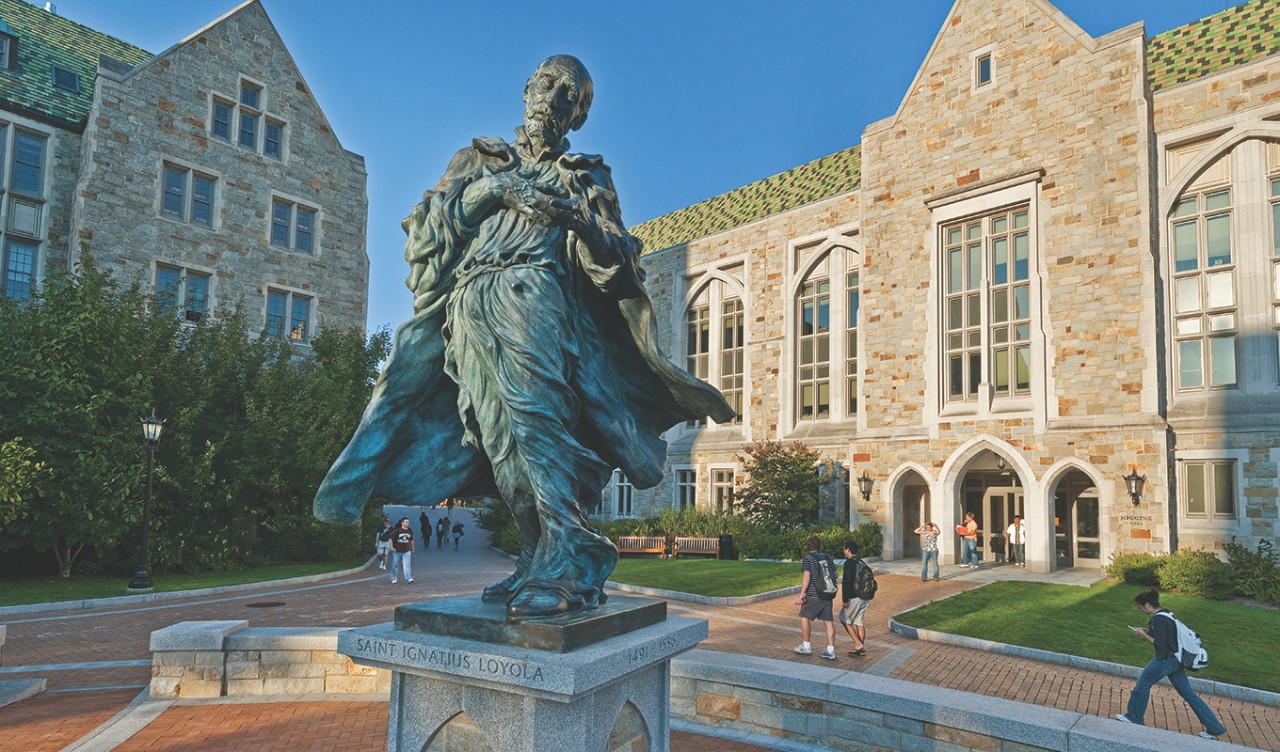
The balance that Boston College strikes between its religious tradition and its commitment to contemporary academic standards is a testament to its adaptive nature. The Jesuit emphasis on critical thinking and the pursuit of knowledge aligns seamlessly with the goals of secular higher education. This allows the university to attract students and faculty from diverse backgrounds who are drawn to its strong academic reputation, its commitment to service, and its unique ethos. The presence of religious services, chapels, and opportunities for spiritual reflection are integral to the university’s identity, providing a spiritual anchor for those who seek it. Yet, these offerings are made in a spirit of openness and invitation, not coercion.
Ultimately, Boston College is a religious university that embraces a pluralistic future. Its Jesuit heritage provides a distinctive framework for its educational mission, fostering intellectual curiosity, ethical leadership, and a commitment to service. At the same time, its dedication to diversity and inclusion ensures that it remains a welcoming and enriching environment for individuals of all backgrounds. The ongoing dialogue between its tradition and its contemporary mission makes Boston College a compelling example of how a religious institution can thrive in the 21st century, offering a holistic education that prepares students to make a meaningful impact on the world. Whether one is visiting for its historic architecture, exploring its academic programs, or seeking accommodation in the surrounding area, the unique blend of intellectual rigor and spiritual depth is palpable. This blend is a defining characteristic that draws many to Boston College, making it a landmark institution in the landscape of higher education.
LifeOutOfTheBox is a participant in the Amazon Services LLC Associates Program, an affiliate advertising program designed to provide a means for sites to earn advertising fees by advertising and linking to Amazon.com. Amazon, the Amazon logo, AmazonSupply, and the AmazonSupply logo are trademarks of Amazon.com, Inc. or its affiliates. As an Amazon Associate we earn affiliate commissions from qualifying purchases.