
The allure of Hawaii is undeniable. With its pristine beaches, lush volcanic landscapes, and vibrant Polynesian culture, the Hawaiian Islands beckon travelers seeking an escape into paradise. But for many, the question lingers: “How far is Hawaii, really?” This isn’t just about geographical distance; it’s about the journey, the planning, and the anticipation of an unforgettable experience. Whether you’re dreaming of the iconic surf breaks of Oahu, the dramatic cliffs of Kauai, the active volcanoes of the Big Island, or the luxury resorts of Maui, understanding your travel to Hawaii is the first step toward making that dream a reality.
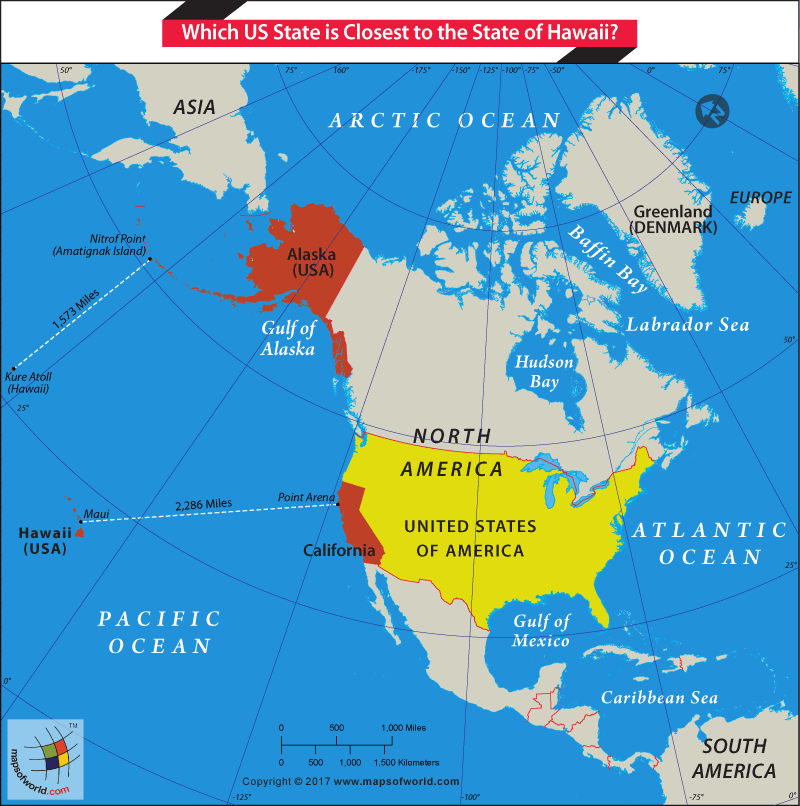
This comprehensive guide will delve into what it means to travel to Hawaii, covering everything from flight durations and the best times to visit to the diverse experiences awaiting you across its eight main islands. We’ll explore the nuances of accommodation, the richness of local culture and cuisine, and the unforgettable landmarks that define this Pacific archipelago. So, let’s embark on a journey to answer that fundamental question and paint a vivid picture of what lies between you and the Aloha State.
The Journey to Paradise: Flights and Getting There
The most common way to reach Hawaii is by air. Given its remote location in the Pacific Ocean, flights are the practical solution for most international and mainland travelers. The duration of your flight will, naturally, be a significant factor in your overall travel time and planning.
Flight Durations from Major Hubs
- West Coast United States: Flights from cities like Los Angeles, San Francisco, and Seattle are generally the shortest, typically ranging from 5 to 6 hours to reach Honolulu International Airport on Oahu. This makes Hawaii a relatively accessible destination for those on the western seaboard.
- Mountain and Central United States: Traveling from Denver or Chicago will add a couple of hours to your flight, with durations usually falling between 7 to 9 hours.
- East Coast United States: For those embarking on their Hawaiian adventure from New York, Miami, or other East Coast cities, expect longer flight times, often between 9 to 11 hours, and sometimes longer if there are layovers.
- International Travel: For travelers coming from further afield, such as Europe or Asia, flights will be significantly longer, often involving one or more layovers. For instance, a flight from London might take upwards of 18-20 hours, while a journey from Sydney could be around 10-12 hours.
It’s important to remember that these are approximate flight times and can vary based on factors like wind speed, aircraft type, and specific flight routes. Always check with your airline for the most accurate flight duration for your chosen itinerary.
Planning Your Air Travel
Beyond flight duration, several other considerations are crucial when planning your air travel to Hawaii:
- Booking in Advance: To secure the best fares and preferred flight times, booking your flights several months in advance is highly recommended, especially if you plan to travel during peak seasons like the winter holidays or summer vacation.
- Direct vs. Connecting Flights: While direct flights are ideal for minimizing travel time and the hassle of layovers, they might not always be the most cost-effective option. Weigh the convenience of a direct flight against the potential savings of a flight with one or more stops.
- Arrival Airports: Most international and mainland flights arrive at Daniel K. Inouye International Airport (HNL) in Honolulu, Oahu. However, depending on your final destination, you might consider flying directly into airports on other islands like Kahului Airport (OGG) in Maui, Lihue Airport (LIH) in Kauai, or Ellison Onizuka Kona International Airport at Keahole (KOA) on the Big Island. Inter-island flights are frequent and relatively short, making it easy to hop between islands.
Island Hopping: Exploring Hawaii’s Diverse Landscape
Hawaii is not a single destination but an archipelago of islands, each offering a unique personality and a wealth of experiences. Once you arrive, your “how far” question might shift to exploring the distinct charms of each island.
Oahu: The Heart of Hawaii
Often the first point of entry for many travelers, Oahu is a vibrant blend of history, culture, and modern attractions.
- Honolulu: The bustling capital city is home to iconic landmarks like the Pearl Harbor National Memorial, a poignant reminder of World War II history. Waikiki Beach, with its legendary surf and lively atmosphere, is a must-visit for sunbathers and surfers alike. The Diamond Head State Monument offers a rewarding hike with panoramic views of the coastline.
- North Shore: Renowned for its world-class surfing spots like Banzai Pipeline and Waimea Bay, the North Shore is a more laid-back counterpoint to the urban energy of Honolulu. During the summer months, the waves are gentler, making it ideal for swimming and snorkeling.
Maui: The Valley Isle
Maui is often associated with romance and luxury, offering stunning natural beauty and a sophisticated tourism infrastructure.
- Haleakala National Park: Witnessing a sunrise or sunset from the summit of the dormant volcano Haleakala is an awe-inspiring experience. The stark, lunar-like landscape at its peak contrasts beautifully with the lush valleys and coastlines below.
- Road to Hana: This iconic scenic drive winds through lush rainforests, past cascading waterfalls, and along dramatic coastal cliffs. Numerous stops allow for swimming, hiking, and exploring hidden gems.
- Ka’anapali Beach: This stretch of golden sand is home to numerous resorts and offers excellent opportunities for snorkeling and whale watching during the winter months.
Kauai: The Garden Isle
Known for its dramatic cliffs and verdant interior, Kauai is a paradise for nature lovers and adventurers.
- Na Pali Coast: The breathtaking cliffs of the Na Pali Coast are best viewed from a boat tour or a helicopter ride, revealing sea caves, waterfalls, and untouched beaches.
- Waimea Canyon: Often called the “Grand Canyon of the Pacific,” Waimea Canyon offers spectacular views of its colorful, eroded landscape.
- Poipu Beach: This sunny southern coast is famous for its beautiful beaches and abundant marine life, including Hawaiian monk seals.
The Big Island (Hawaii Island): A Land of Fire and Ice

Hawaii Island, commonly known as the Big Island, is the youngest and largest of the Hawaiian Islands, characterized by its incredible geological diversity.
- Hawaii Volcanoes National Park: Home to two active volcanoes, Kilauea and Mauna Loa, this park offers a unique opportunity to witness the raw power of volcanic activity. Hiking through lava tubes and observing steam vents are unforgettable experiences.
- Kona Coast: This drier, sunnier side of the island is famous for its coffee plantations and excellent snorkeling and diving sites, including the Kealakekua Bay Marine Life Conservation District.
- Hilo: The wetter, lush side of the island, Hilo, is known for its beautiful waterfalls like Rainbow Falls and Akaka Falls, and its botanical gardens.
Experiencing the Aloha Spirit: Culture, Food, and Lifestyle
Beyond the geographical distance and the physical journey, “how far Hawaii” also speaks to the immersion into its unique culture, delightful cuisine, and diverse lifestyles. The Aloha spirit is more than a greeting; it’s a way of life that embraces warmth, hospitality, and a deep connection to the land and sea.
Immersing in Local Culture
- Luaus: Attending a traditional luau is a quintessential Hawaiian experience. These festive gatherings often feature authentic Hawaiian food, music, hula dancing, and storytelling, offering a glimpse into Polynesian traditions.
- Historical Sites: Exploring ancient Hawaiian sites, such as the Pu’uhonua o Honaunau National Historical Park on the Big Island, provides insight into the island’s rich history and the spiritual practices of its ancient inhabitants.
- Museums and Cultural Centers: From the Bishop Museum in Honolulu, dedicated to Hawaiian and Pacific cultural artifacts, to smaller community cultural centers, learning about the islands’ heritage is a rewarding part of any visit.
- Local Crafts and Music: Engaging with local artisans selling their crafts, from wood carvings to floral arrangements, and enjoying live Hawaiian music in local venues will deepen your appreciation for the islands’ artistic expression.
A Culinary Journey
Hawaiian cuisine is a delicious fusion of native Polynesian traditions and influences from the various immigrant groups who have settled there over the centuries, including Japanese, Chinese, Filipino, and Portuguese.
- Local Delicacies: Don’t miss trying poke, a raw fish salad that has become internationally popular. Shave ice, a refreshing treat, is a local favorite on hot days. Kalua pig, slow-cooked in an imu (underground oven), is a staple at luaus.
- Fresh Seafood: With its abundant coastline, Hawaii offers incredibly fresh seafood. From grilled mahi-mahi to seared ahi, the ocean’s bounty is a highlight of any meal.
- Tropical Fruits: Indulge in the sweet and juicy flavors of Hawaii’s tropical fruits, including pineapple, mango, papaya, and the unique passion fruit (lilikoi).
- Farm-to-Table: Many restaurants and resorts emphasize farm-to-table dining, showcasing locally sourced ingredients that capture the essence of the islands.
Lifestyle Choices for Every Traveler
Hawaii caters to a wide spectrum of travel styles, ensuring that every visitor can find their ideal way to experience the islands.
- Luxury Travel: For those seeking indulgence, Hawaii boasts world-class resorts with opulent amenities, fine dining, and exclusive experiences. Think of the upscale resorts in Wailea, Maui, or the luxurious villas nestled along the coast.
- Budget Travel: It is possible to experience Hawaii on a budget. Camping in designated state parks, staying in hostels or budget-friendly vacation rentals, and enjoying local eateries and free natural attractions can make a trip more affordable.
- Family Trips: Hawaii is a fantastic destination for families, with its safe beaches, engaging activities like snorkeling and exploring Atlantis Submarines, and the inherent wonder of its natural environment. Many resorts offer family-friendly amenities and kids’ clubs.
- Adventure and Eco-Tourism: For the active traveler, Hawaii offers endless opportunities for hiking, surfing, diving, ziplining, and exploring its diverse ecosystems. Many tours focus on sustainable practices and educating visitors about conservation.
- Long-Term Stays and Remote Work: With its beautiful environment and growing remote work trend, Hawaii is becoming an attractive destination for longer stays, offering a unique lifestyle change. Many apartments and villas are available for extended rentals, providing a home away from home.
Accommodation: Your Home in Paradise
Choosing the right accommodation is a crucial part of your Hawaiian experience. From luxurious resorts to cozy apartments, there’s a perfect place to stay for every budget and preference.
Resorts and Hotels
Hawaii is dotted with an incredible array of hotels and resorts, catering to every taste and budget.
- Luxury Resorts: Destinations like Wailea in Maui are renowned for their high-end resorts, offering impeccable service, world-class spas, championship golf courses, and gourmet dining. Examples include the Four Seasons Resort Maui at Wailea and the Grand Wailea, A Waldorf Astoria Resort. Waikiki on Oahu also features iconic hotels like the Halekulani and the Moana Surfrider, A Westin Resort & Spa.
- Boutique Hotels: For a more intimate and personalized experience, consider boutique hotels that often reflect the unique character of their island location.
- Chain Hotels: Major hotel chains are present across the islands, offering familiar comfort and amenities.
Vacation Rentals and Apartments
For travelers seeking more space, privacy, or a home-like atmosphere, vacation rentals and apartments are an excellent choice.
- Villas: Renting a private villa, especially on islands like Kauai or Maui, can offer unparalleled luxury and seclusion, often with private pools and stunning ocean views.
- Condos and Apartments: Many complexes offer fully equipped condos and apartments, ideal for families or longer stays. These often include kitchens, living areas, and sometimes access to shared amenities like pools and fitness centers.
- Booking Platforms: Websites specializing in accommodation bookings provide extensive options for comparing prices, reading reviews, and securing your perfect stay, whether for a short vacation or a longer term.
Factors to Consider When Booking Accommodation
- Location: Decide whether you prefer to be beachfront, close to attractions, in a secluded area, or in a bustling town.
- Amenities: Consider what amenities are important to you, such as a pool, on-site dining, Wi-Fi, laundry facilities, or kitchenette.
- Reviews: Always read recent guest reviews to get an honest perspective on the accommodation and its services.
- Budget: Establish your budget beforehand to narrow down your options effectively.
In conclusion, “How Far Hawaii?” is a question with a multifaceted answer. It encompasses the tangible distance measured in flight hours, the vastness of its geographical and cultural diversity, and the personal journey of discovery each traveler undertakes. From the moment you book your flight to the last sunset you witness on its shores, Hawaii offers an escape that is both a physical journey and a profound experience for the soul. The islands await, ready to share their magic.
LifeOutOfTheBox is a participant in the Amazon Services LLC Associates Program, an affiliate advertising program designed to provide a means for sites to earn advertising fees by advertising and linking to Amazon.com. Amazon, the Amazon logo, AmazonSupply, and the AmazonSupply logo are trademarks of Amazon.com, Inc. or its affiliates. As an Amazon Associate we earn affiliate commissions from qualifying purchases.