
As devoted pet parents, we often transform our living spaces into verdant havens, bringing the beauty of the natural world indoors. This often involves an array of houseplants, from the dramatic Bird of Paradise to the resilient Snake Plant. Among the most popular choices for their lush, feathery fronds and air-purifying qualities is the Boston Fern, scientifically known as Nephrolepis exaltata. Its cascading greenery can soften a room, add a touch of the tropics to a New York City apartment, or complement the historic charm of a Boston brownstone. However, as we curate our indoor jungles, a crucial question arises: is this beloved houseplant a potential hazard to our feline companions? This article delves into the toxicity of the Boston Fern to cats, providing a comprehensive guide for pet owners.

Understanding Plant Toxicity in Cats
Cats, with their independent nature and curious exploration habits, can sometimes view houseplants as potential playthings or even snacks. This curiosity, coupled with their unique physiology, makes understanding plant toxicity paramount for any cat owner who enjoys botanical décor. The ASPCA, a leading authority on animal welfare and toxicology, offers extensive databases detailing the safety of thousands of plants for pets. This information is vital for making informed decisions about which plants to introduce into a home shared with cats.
The ASPCA’s Stance on Boston Ferns
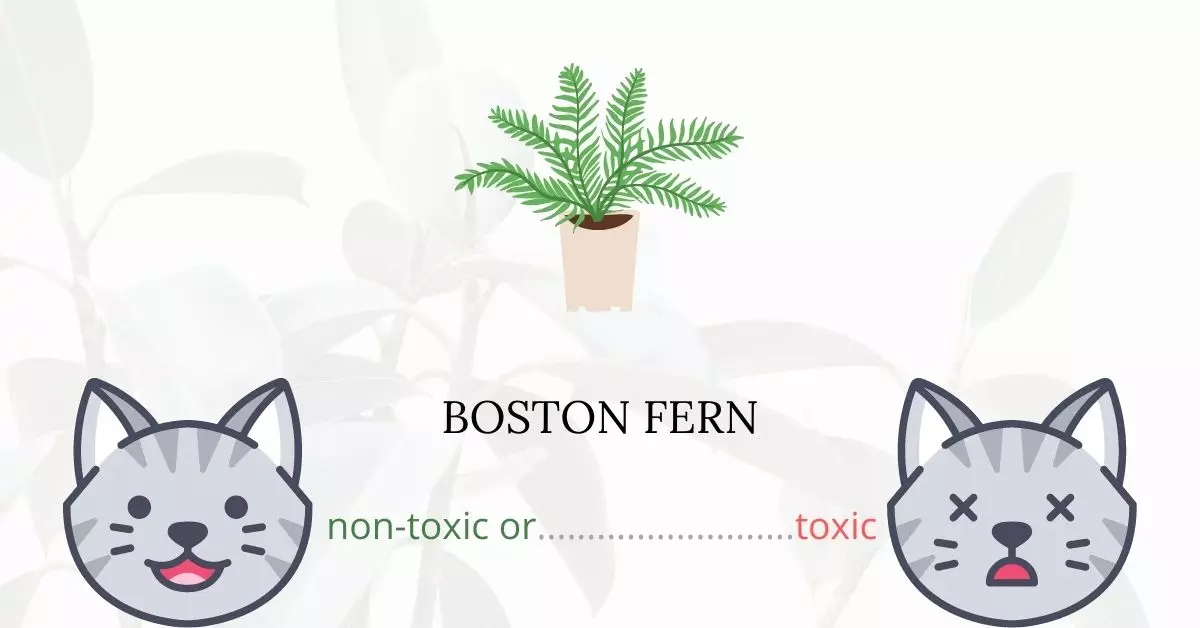
The good news for enthusiasts of this popular fern is that, according to the ASPCA, the Boston Fern is non-toxic to cats. This classification is a significant relief for many pet owners who admire its aesthetic appeal but worry about accidental ingestion. This means that if your cat decides to nibble on a frond or two, you are unlikely to see any severe adverse reactions.
The ASPCA’s assessment is based on scientific studies and reported incidents. Their comprehensive database serves as an invaluable resource, allowing pet owners to cross-reference their plant collection with known toxic or non-toxic species. For those who dream of a vibrant, plant-filled home, the Boston Fern offers a fantastic opportunity to enjoy indoor greenery without the constant anxiety of poisoning.
Common Symptoms of Plant Poisoning in Cats
While the Boston Fern is safe, it’s still crucial for cat owners to be aware of the general signs of plant poisoning. Understanding these symptoms can help you react quickly if your cat does ingest a toxic plant, whether it’s a new addition to your home or a plant you may have overlooked.
Symptoms can vary widely depending on the plant species and the amount ingested. However, some common indicators include:
- Gastrointestinal Upset: Vomiting and diarrhea are frequently the first signs that a cat has eaten something it shouldn’t have. This is the body’s way of trying to expel the offending substance.
- Drooling and Oral Irritation: Some plants contain compounds that irritate the mouth, leading to excessive salivation, pawing at the mouth, or difficulty swallowing.
- Lethargy and Weakness: A poisoned cat might become unusually tired, reluctant to move, or appear generally unwell.
- Appetite Loss: If a cat is feeling sick, it will likely lose interest in food.
- Neurological Symptoms: In more severe cases of poisoning, cats may exhibit tremors, seizures, or changes in behavior.
- Skin Irritation: Some plants can cause contact dermatitis, leading to redness, itching, or rashes on the skin, particularly if the sap is particularly irritating.
- Organ Damage: Certain highly toxic plants can cause significant damage to vital organs like the kidneys or liver.
It’s important to remember that even non-toxic plants can cause mild gastrointestinal upset if consumed in large quantities. If your cat ingests any part of a plant and shows any of these symptoms, even if the plant is deemed non-toxic, it’s always best to err on the side of caution and contact your veterinarian.
Creating a Cat-Safe Indoor Garden
The knowledge that the Boston Fern is safe for our feline friends opens up many possibilities for enhancing our living spaces. However, the principle of “better safe than sorry” still applies. Even with non-toxic plants, it’s wise to create an environment where your cat’s natural instincts don’t lead to potential problems. This involves thoughtful plant selection, strategic placement, and understanding your cat’s behavior.
Selecting Cat-Friendly Flora
Beyond the Boston Fern, numerous other plants are recognized as safe for cats. Diversifying your plant collection can add different textures, colors, and forms to your home, creating a truly captivating indoor landscape.
- Spider Plant (Chlorophytum comosum): Another incredibly popular and easy-to-care-for plant, the Spider Plant is completely safe for cats. Its arching leaves and plantlets, resembling tiny spiders, make it a delightful addition.
- Areca Palm (Dypsis lutescens): For a touch of tropical elegance, the Areca Palm is a wonderful choice. It’s non-toxic and adds a significant green statement to any room.
- Haworthia (Haworthia spp.): These succulent plants, with their zebra-like stripes or star-shaped rosettes, are safe and offer a unique textural element.
- Calathea (Calathea spp.): Known for their stunning leaf patterns, many Calathea varieties, often referred to as “Prayer Plants,” are non-toxic to cats. Their leaves move throughout the day, adding an element of dynamic beauty.
- Cast Iron Plant (Aspidistra elatior): True to its name, this plant is incredibly hardy and, most importantly, non-toxic to cats. It thrives in low light conditions, making it ideal for shadier corners of a home, perhaps in a London flat or a Parisian apartment.
- Herbs: Many common culinary herbs are also safe and beneficial for cats to nibble on. Catnip (Nepeta cataria), valerian (Valeriana officinalis), and rosemary (Rosmarinus officinalis) are great options to consider, perhaps grown in a small herb garden on a windowsill in a coastal town or a countryside cottage.
When in doubt, always consult the ASPCA’s toxic and non-toxic plant list before bringing a new plant into your home. This resource is an indispensable tool for creating a harmonious living environment for both you and your feline companions.
Strategic Placement and Deterrents
Even with non-toxic plants, responsible pet ownership involves managing potential issues. Cats might still be drawn to plants for various reasons, such as the texture of the leaves, the novelty, or simply boredom. Strategic placement and the use of deterrents can help mitigate these behaviors.
- Height and Accessibility: Place plants on high shelves, hanging baskets, or in rooms that your cat doesn’t frequently access. This keeps them out of paw’s reach, reducing the temptation for play or munching. For instance, a vibrant collection of ferns could hang near the windows of a luxury hotel suite in Dubai, safely out of reach.
- Enclosed Terrariums: For delicate or particularly enticing plants, consider using terrariums. These enclosed environments protect the plants and prevent your cat from interacting with them.
- Repellent Sprays: Commercial or DIY repellent sprays can be applied to the base of plants or the surrounding soil. Many cats dislike the scent of citrus, and diluted citrus oils or sprays can be effective deterrents.
- Bitter Sprays: For cats that are particularly persistent chewers, bitter-tasting sprays can be applied to leaves. These sprays are designed to be unappealing to cats, discouraging them from nibbling. Always ensure the spray is specifically formulated for pets and non-toxic.
- Provide Alternatives: Sometimes, a cat’s interest in plants stems from a need for roughage or something to chew on. Offering safe alternatives, such as dedicated cat grass or chew toys, can redirect their attention. Growing cat grass in a sunny spot on a balcony overlooking the Sydney Opera House can be a fun and safe outlet for your cat’s chewing instincts.
- Training and Positive Reinforcement: Gently redirect your cat away from plants and reward them with praise or a treat when they engage with appropriate toys or cat grass. Consistency is key in training.
By implementing these strategies, you can enjoy the beauty and benefits of houseplants like the Boston Fern while ensuring your cat’s safety and well-being. The goal is to create a living space that is both aesthetically pleasing and a secure sanctuary for all its inhabitants, whether you’re residing in a bustling Tokyo metropolis or a serene countryside retreat.
Beyond Boston Ferns: Exploring Other Houseplant Considerations
While the Boston Fern is a safe bet, the world of houseplants is vast, and not all are as benign. Understanding the broader landscape of plant toxicity is crucial for any conscientious pet owner. This includes recognizing plants that pose moderate risks, those that require immediate veterinary attention, and how to navigate plant shopping when you have curious cats.
Moderately Toxic Plants and Their Symptoms
Some plants are not lethal but can still cause discomfort and require attention. These often fall into categories of irritants.
- Lily of the Valley (Convallaria majalis): While beautiful, all parts of this plant are toxic and can cause cardiac issues.
- Tulips (Tulipa spp.): The bulbs of tulips are particularly toxic and can cause severe gastrointestinal upset, drooling, and lethargy.
- Daffodils (Narcissus spp.): Similar to tulips, daffodils contain compounds in their bulbs that can be harmful.
- Pothos (Epipremnum aureum): Commonly found in many homes and offices, Pothos contains insoluble calcium oxalates, which can cause oral irritation, drooling, vomiting, and difficulty swallowing if ingested.
- Peace Lily (Spathiphyllum spp.): Another popular choice for its elegant white blooms, the Peace Lily also contains insoluble calcium oxalates, leading to similar symptoms as Pothos.
If you suspect your cat has ingested any part of these or similarly toxic plants, contact your veterinarian or a pet poison control center immediately. Prompt action can significantly impact the outcome.
Plants to Avoid Entirely
Then there are plants that are highly toxic and can cause severe illness or even be fatal. These should be avoided altogether if you share your home with cats.
- Lilies (Lilium spp. and Hemerocallis spp.): This is a critical one. All parts of true lilies, including the Easter lily, Tiger lily, Daylily, and Asiatic lily, are extremely toxic to cats. Even a small amount ingested can cause acute kidney failure. Symptoms might not appear immediately, making it even more dangerous. Avoid these plants at all costs.
- Sago Palm (Cycas revoluta): This plant, often mistaken for a palm, is highly toxic, particularly its seeds. Ingestion can lead to liver damage, seizures, and death.
- Oleander (Nerium oleander): A common ornamental shrub, Oleander is extremely poisonous and can affect the heart, nervous system, and digestive tract.
- Azaleas and Rhododendrons (Rhododendron spp.): These flowering shrubs contain toxins that can cause vomiting, diarrhea, tremors, and even coma.
- Dieffenbachia (Dieffenbachia spp.): Also known as Dumb Cane, this plant can cause severe oral irritation, swelling, and difficulty breathing if ingested.
When visiting places like the Conservatoire Botanique de Genève or the botanical gardens at the Kew Gardens, always exercise caution and keep your feline companions at a safe distance from any plants you are unsure about.

Navigating Plant Purchases and Travel
For those who love to bring home new botanical treasures, whether from a local nursery in Austin, Texas, or a market in Marrakech, a few practices can ensure your feline friend’s safety.
- Research Before Buying: Make it a habit to research a plant’s toxicity to pets before purchasing it. The ASPCA database is an excellent resource for this.
- Educate Yourself on Common Names: Many plants have multiple common names. Be sure to look up the scientific name (Nephrolepis exaltata for Boston Fern) to ensure you are researching the correct plant.
- When Traveling with Pets: If you are traveling with your cat, for instance, on a road trip across the United States or a visit to a pet-friendly resort in the Alps, be mindful of plants you encounter. Even if a hotel like the Ritz Paris has beautiful floral arrangements, ensure they do not contain toxic plants that could be within your cat’s reach. Always ask hotel staff or tour guides about the flora present if you have any concerns.
- Inform Visitors: If you have guests visiting your home, especially those who may not be aware of your cat’s dietary habits, gently inform them about your cat-safe plant choices.
By staying informed and proactive, you can continue to enjoy the beauty and benefits of houseplants, creating a safe and thriving environment for both yourself and your beloved feline companions, no matter where your lifestyle takes you, from a business stay in Singapore to a leisurely exploration of Machu Picchu.
LifeOutOfTheBox is a participant in the Amazon Services LLC Associates Program, an affiliate advertising program designed to provide a means for sites to earn advertising fees by advertising and linking to Amazon.com. Amazon, the Amazon logo, AmazonSupply, and the AmazonSupply logo are trademarks of Amazon.com, Inc. or its affiliates. As an Amazon Associate we earn affiliate commissions from qualifying purchases.