
The Sunshine State, a perennial favorite for travelers seeking sun-drenched beaches, thrilling theme parks, and a vibrant cultural scene, is a destination that draws millions of visitors annually. Understanding the local time in Florida is a fundamental aspect of planning any trip to this sprawling peninsula. Whether you’re coordinating arrival times, scheduling excursions to iconic landmarks, or simply trying to sync up with friends and family back home, knowing the current time in Florida ensures a smoother and more enjoyable experience.
Florida is a geographically diverse state, and this diversity extends to its time zones. While the majority of the state observes Eastern Standard Time (EST) and Eastern Daylight Time (EDT), a small portion of the western Panhandle adheres to Central Standard Time (CST) and Central Daylight Time (CDT). This distinction, while perhaps seemingly minor, can be crucial for travelers, especially those flying into or out of airports located in the affected areas. Navigating these time zones requires a bit of forethought, but with a little knowledge, it becomes an easily managed detail of your travel preparations.

The purpose of this guide is to demystify the time in Florida, providing clarity on its time zone divisions, the implications for travelers, and how this knowledge can enhance your overall journey. From booking your stay at a luxurious resort in Miami to planning your adventure through the Everglades, understanding the clockwork of the Sunshine State is your first step to unlocking its myriad wonders.
Understanding Florida’s Time Zones
Florida is a large state, and its temporal landscape is divided by the passage of time itself. The primary temporal demarcation splits the state into two distinct time zones: the Eastern Time Zone and the Central Time Zone. This division is not arbitrary but rather follows geographical and historical lines, impacting everything from business operations to the scheduling of popular attractions.
The Dominance of Eastern Time
The vast majority of Florida, encompassing its most populous cities and renowned tourist destinations, operates within the Eastern Time Zone. This includes major hubs like Miami, Orlando, Tampa, Fort Lauderdale, and the state capital, Tallahassee. The Eastern Time Zone is UTC-5 during standard time (EST) and advances to UTC-4 during daylight saving time (EDT). This means that when it’s noon in New York City, it’s also noon in most of Florida during the summer months when daylight saving is observed, and one hour earlier during standard time.
For travelers planning visits to iconic destinations such as Walt Disney World Resort in Orlando, the magical kingdom of Universal Orlando Resort, or the pristine beaches of South Beach, understanding they are in the Eastern Time Zone is paramount. This zone aligns with much of the eastern half of the United States, making it the most frequently encountered temporal designation for domestic and international visitors.
The Western Panhandle’s Central Time
A smaller, yet significant, portion of Florida adheres to the Central Time Zone. This primarily affects the westernmost counties of the Florida Panhandle. Notable cities and areas within this time zone include Pensacola, Panama City, and Destin. The Central Time Zone is UTC-6 during standard time (CST) and observes daylight saving time, shifting to UTC-5 (CDT).
This means that when it is noon in the Eastern Time Zone of Florida, it is only 11:00 AM in the Central Time Zone counties of the Panhandle. This one-hour difference is critical for anyone planning travel between these two regions of the state, especially for those coordinating flights or ferry services. For instance, a traveler booking a flight from Orlando to Pensacola must account for this temporal shift to avoid confusion and missed connections. Understanding this distinction is key to seamless travel across the entire state.
Practical Implications for Travelers
The existence of two time zones within Florida has several practical implications for visitors, impacting everything from flight bookings to daily itineraries. Being aware of these differences can prevent logistical headaches and ensure that your vacation runs as smoothly as possible.
Coordinating Travel Plans
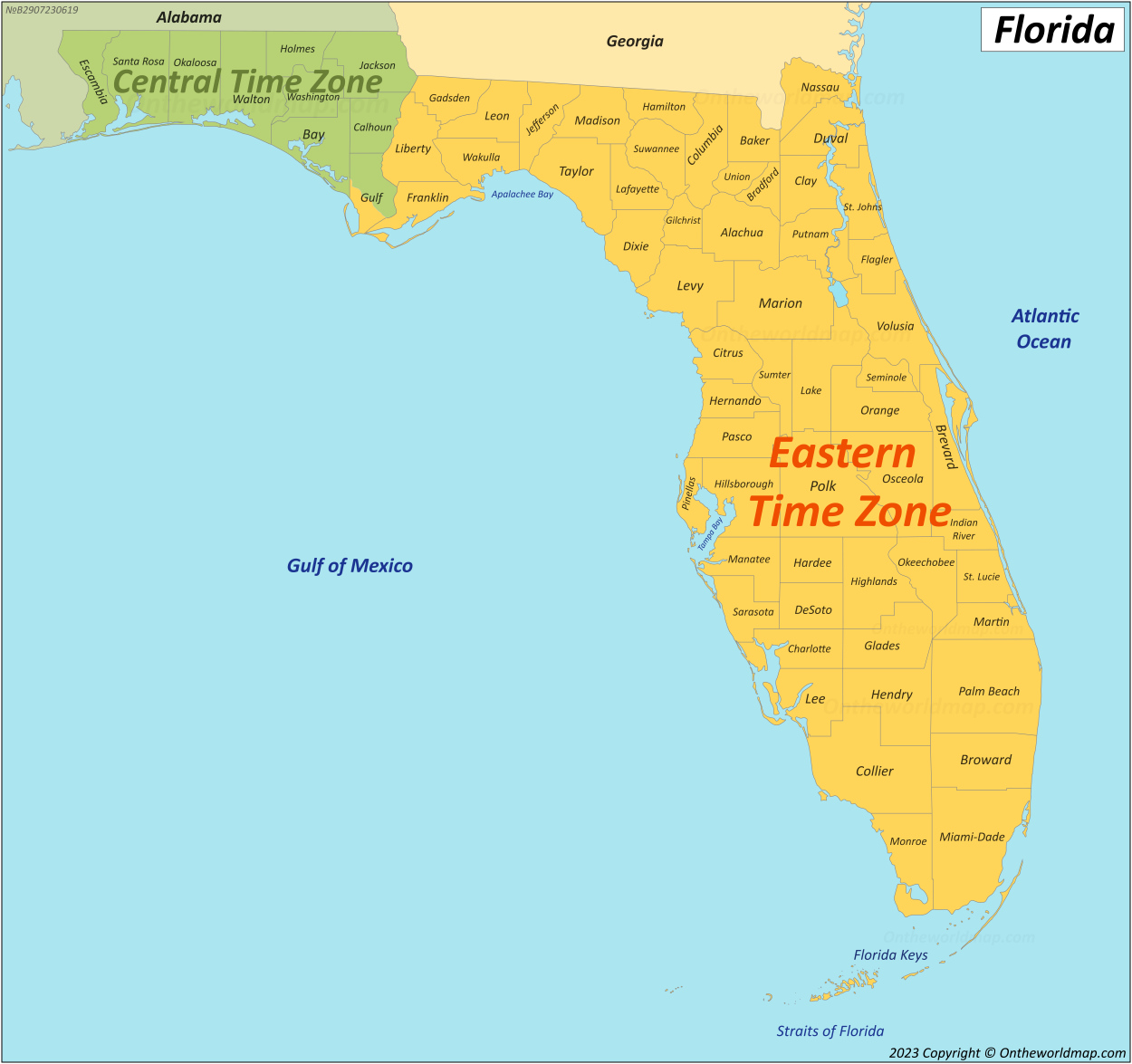
When booking flights, accommodations, or rental cars, it is essential to be mindful of the time zone of your arrival and departure points. If you are flying into Pensacola International Airport, for example, your flight’s departure time will be listed according to the time zone of your origin city, but your arrival time will be in Central Time. Conversely, if you’re arriving at Orlando International Airport, you’ll be dealing with Eastern Time. This is especially important if you’re driving across time zones within Florida for different parts of your trip. For example, if you spend a few days exploring the historic charm of St. Augustine (Eastern Time) and then head west to enjoy the beaches of Destin (Central Time), you’ll effectively gain an hour as you cross into the Central Time Zone. This can be beneficial if you have an early morning activity planned in the western Panhandle.
Similarly, when booking tours and activities, always confirm the time zone in which the activity is scheduled. Most tour operators in the popular tourist areas of southern and central Florida operate on Eastern Time. However, if you are in the Panhandle, local operators will be on Central Time. Misunderstanding this can lead to arriving an hour late for a scheduled dolphin-watching tour in Clearwater (Eastern Time) or missing the start of a sunset cruise in Panama City Beach (Central Time). Always double-check the local time zone when making reservations.
Scheduling and Daily Itineraries
Beyond travel logistics, understanding the time zones is crucial for managing your daily schedule and maximizing your enjoyment of Florida’s diverse offerings. Many attractions, particularly theme parks like Walt Disney World Resort and Universal Orlando Resort, have specific opening and closing times. If you’re staying in a hotel in Tampa and planning a day trip to Orlando, you are within the same Eastern Time Zone, simplifying your planning. However, if your itinerary involves visiting both a historical site in Tallahassee (Eastern Time) and then heading west to experience the natural beauty of Florida Caverns State Park (Central Time), you’ll need to adjust your clock accordingly.
For those interested in experiencing the local culture, understanding the time can influence when you enjoy meals or visit local markets. For example, dinner reservations in Miami at 8:00 PM are considerably later in the evening than 8:00 PM in Pensacola. This difference can also impact your perception of daylight hours. While both zones observe daylight saving time, the sunsets will occur an hour earlier in the Central Time Zone counties compared to the rest of the state. This is particularly relevant for planning beach activities or enjoying evening strolls along the coast.
Staying Connected with Home
For many travelers, staying connected with family and friends in different time zones is an important part of their journey. When you’re in Florida, understanding the time difference between your current location and your home time zone is essential for making calls, sending messages, or scheduling video chats. If you’re in the Eastern Time Zone of Florida and calling someone on the West Coast of the United States, you’ll need to remember there’s a three-hour difference. If you’re in the Central Time Zone of the Panhandle, the difference is two hours. Being mindful of these temporal relationships ensures you don’t disturb loved ones during their sleep or miss important communications. This is also true for business travelers who need to coordinate with offices in different parts of the country or world.
Navigating Daylight Saving Time in Florida
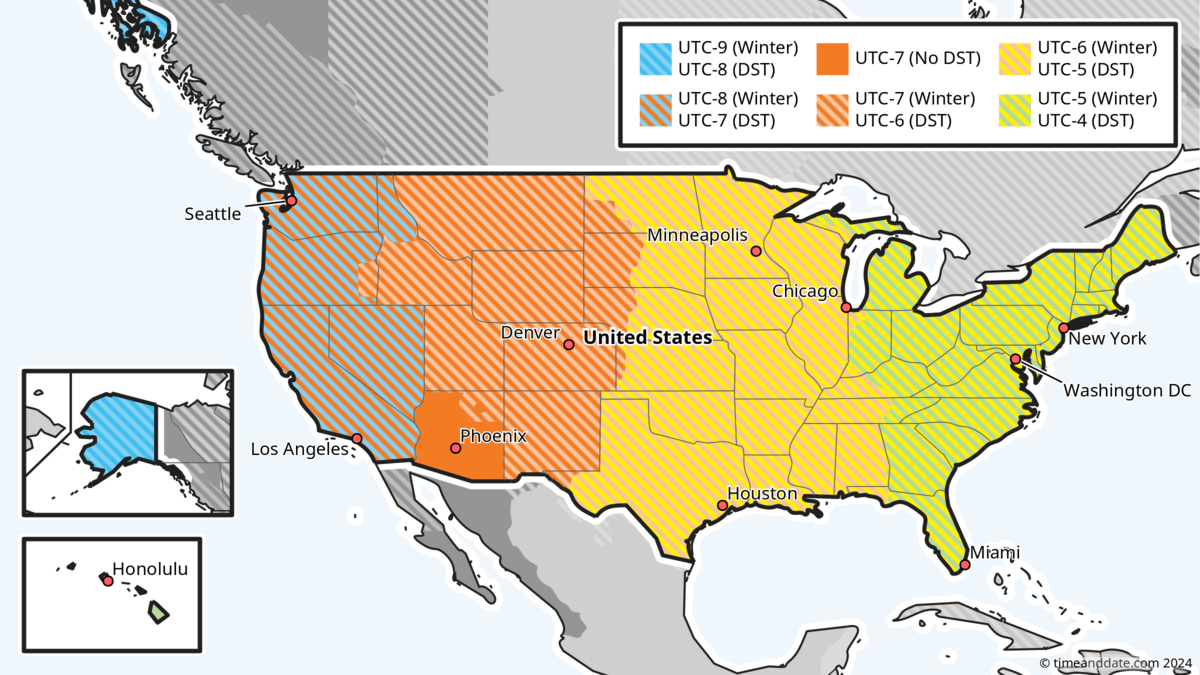
Florida, like much of the United States, observes Daylight Saving Time (DST). This practice involves advancing clocks by one hour forward during the warmer months and then setting them back one hour in the autumn. Understanding when DST begins and ends in Florida is crucial for accurate timekeeping throughout the year.
The Observance of DST
Daylight Saving Time in Florida typically begins on the second Sunday in March and ends on the first Sunday in November. During this period, the Eastern Time Zone observes Eastern Daylight Time (EDT), and the Central Time Zone observes Central Daylight Time (CDT). This means that during the summer months, Florida is effectively two hours behind Coordinated Universal Time (UTC) in the Panhandle (UTC-5) and one hour behind UTC for the rest of the state (UTC-4).
This shift has a noticeable impact on daily life and travel. For instance, the longer daylight hours in the evening during DST are a significant draw for tourists looking to enjoy outdoor activities. It means you can enjoy a sunset dinner on the beach in Clearwater well after 7:00 PM or have ample daylight for exploring historical landmarks like Castillo de San Marcos National Monument in St. Augustine well into the late afternoon.
Potential for Confusion and Tips
While DST is a familiar concept for many, the transition periods can sometimes lead to confusion. It’s always a good idea to double-check your devices to ensure they have automatically adjusted to the new time. Many electronic devices, such as smartphones and computers, are programmed to update automatically, but it’s wise to confirm, especially when traveling.
For travelers, a simple tip is to note the specific time zone of your destination within Florida and whether DST is currently in effect. Websites and apps that provide current time information for different cities are invaluable tools. For example, if you’re planning a business meeting in Miami while you are in Pensacola, remember that Miami is in the Eastern Time Zone and will be one hour ahead of Pensacola during both standard and daylight saving time.
It is also worth noting that there have been legislative discussions in Florida regarding the potential to permanently adopt DST, effectively aligning the state with Atlantic Standard Time year-round. While this has not yet been enacted, it is a subject that occasionally surfaces in political discourse. For the time being, travelers can rely on the standard DST schedule for accurate temporal planning. The most important thing is to be aware of the time zone of your specific destination within Florida and to confirm if daylight saving is currently being observed. This attention to detail will ensure that your Florida adventure is timed perfectly.
LifeOutOfTheBox is a participant in the Amazon Services LLC Associates Program, an affiliate advertising program designed to provide a means for sites to earn advertising fees by advertising and linking to Amazon.com. Amazon, the Amazon logo, AmazonSupply, and the AmazonSupply logo are trademarks of Amazon.com, Inc. or its affiliates. As an Amazon Associate we earn affiliate commissions from qualifying purchases.