
Navigating Boston, a city steeped in history and brimming with iconic attractions, can be a truly rewarding experience. From the cobblestone streets of the North End to the architectural marvels of Back Bay, there’s a treasure trove of sights and sounds waiting to be discovered. However, for those arriving by car, the perennial question arises: “Where can I park in Boston?” Parking in a bustling metropolis like Boston can seem daunting, but with a little planning and knowledge, you can find convenient and suitable options to ensure your visit is as smooth as possible, allowing you to focus on the incredible experiences the city offers, whether you’re exploring historic landmarks, indulging in world-class dining, or enjoying the vibrant local culture.
This guide aims to demystify the parking landscape of Boston, providing you with the essential information to secure a spot, whether you’re visiting for a day trip, a weekend getaway, or a longer stay. We’ll delve into the various parking options available, from public garages to street parking regulations, and offer tips to make your Boston parking experience less stressful. Understanding the city’s unique layout and its transportation challenges is key to unlocking a seamless arrival, allowing you to fully immerse yourself in all that Boston has to offer, from its famous Freedom Trail to its renowned museums and beyond.
Understanding Boston’s Parking Landscape
Boston is a city that balances its rich past with a dynamic present, and this is reflected in its urban planning, including its parking infrastructure. The city’s historic core, characterized by narrow streets and a dense urban fabric, presents unique challenges for drivers. However, the modern city has evolved to accommodate vehicular traffic through a network of parking facilities designed to serve residents and visitors alike. Whether you’re heading to the Financial District, seeking to explore the academic institutions of Cambridge, or simply enjoying a leisurely stroll through Boston Common, knowing your parking options is paramount.
Public Parking Garages: Your Most Reliable Bet
For most visitors, public parking garages offer the most straightforward and secure parking solution in Boston. These facilities are strategically located throughout the city, providing convenient access to major attractions, business districts, and popular neighborhoods. The Boston Parking Authority operates several key garages, but a significant number are also managed by private companies, each with its own pricing structures and operating hours. It’s always a good idea to research the garage closest to your intended destination beforehand, as this can save you considerable time and frustration upon arrival.
Many of these garages offer both hourly and daily rates, with longer-term parking often becoming more economical for extended visits. Some facilities even provide special event parking rates, which can be a lifesaver during major sporting events at Fenway Park or concerts at the TD Garden. When choosing a garage, consider factors such as height restrictions (especially if you’re driving an oversized vehicle), security measures, and proximity to public transportation if you plan to venture further into the city without your car.
Notable Public Parking Garages in Boston:
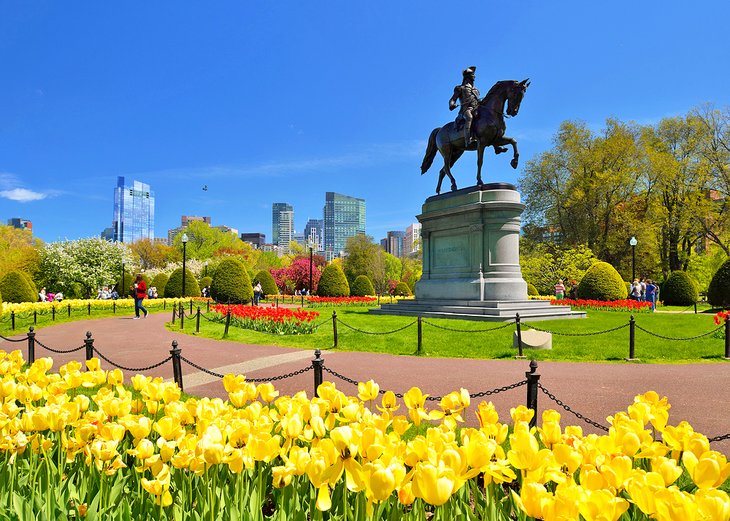
- Boston Common Garage: Located directly beneath Boston Common, this is one of the largest and most centrally located garages in the city. Its prime position makes it ideal for exploring Downtown Boston, the Public Garden, and the Theater District. It offers direct access to the Boylston Street and Charles Street areas, making it a convenient starting point for a variety of Boston adventures.
- Government Center Garage: Situated near City Hall and the TD Garden, this garage is a popular choice for those attending events or conducting business in the Government Center area. It provides easy access to the North End and the Waterfront.
- Prudential Center Garage: Located in the heart of Back Bay, this garage serves the Prudential Center, Copley Place, and the surrounding shopping and dining establishments. It’s an excellent option for those looking to explore the upscale boutiques and iconic architecture of Back Bay.
- North End Parking Garages: Several garages serve the historic North End, offering convenient access to its renowned Italian restaurants and charming streets. These can fill up quickly, especially on weekends and during holidays.
- Seaport District Garages: The rapidly developing Seaport District boasts several modern parking garages that cater to both residents and visitors enjoying its burgeoning culinary scene and waterfront attractions.
When utilizing these garages, be sure to note your parking level and stall number to avoid confusion when returning to your vehicle. Many garages also offer valet parking services for an additional fee, providing an extra layer of convenience.
Street Parking: Navigating the Nuances
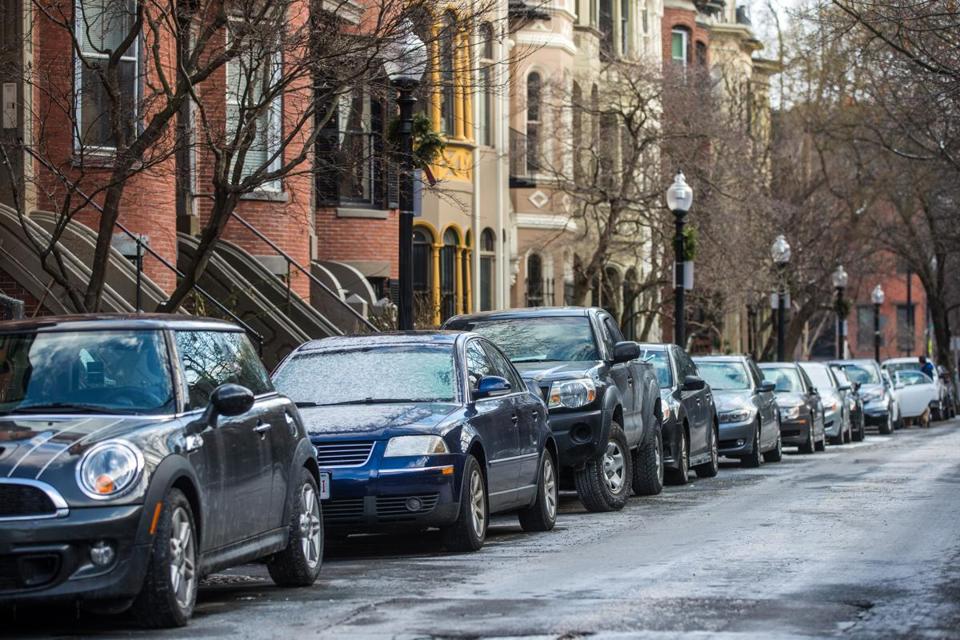
Street parking in Boston can be a more challenging, yet sometimes more rewarding, option, especially if you’re looking for a more immersive local experience or have a specific, smaller destination in mind. However, it requires a keen understanding of the city’s stringent regulations and a good dose of patience. Street parking is generally more limited in the most densely populated and trafficked areas, such as Downtown Boston and the Financial District.
Key Considerations for Street Parking:
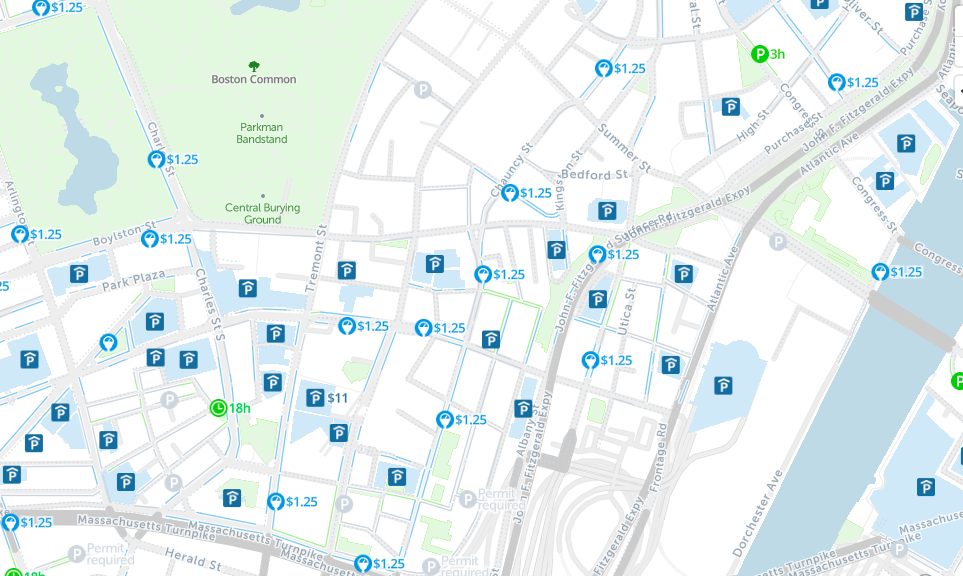
- Residential Permit Parking: Many residential streets in neighborhoods like Beacon Hill, South End, and parts of Back Bay are designated as residential permit parking zones. This means that parking is restricted to residents with valid permits, often during specific hours. Non-permitted vehicles are subject to strict enforcement and towing. Look for signs indicating permit restrictions.
- Metered Parking: Where available, metered parking spots are your primary option for short-term street parking. These meters typically accept coins, credit cards, or payment via mobile apps like ParkMobile. It’s crucial to adhere to the posted time limits, as exceeding them can result in hefty fines.
- Street Cleaning Regulations: Boston enforces regular street cleaning schedules. Signs are posted along streets indicating the days and times when parking is prohibited for cleaning. Failure to comply can lead to tickets and towing, especially during these designated times. Always scan the area for these signs before parking.
- No Parking Zones and Fire Hydrants: Be vigilant about clearly marked “No Parking” zones, which are often found at intersections, near crosswalks, and in front of driveways. Parking too close to a fire hydrant is also strictly prohibited and will likely result in a ticket.
- Rush Hour Restrictions: During peak morning and evening commute hours, certain streets may have temporary parking restrictions to facilitate traffic flow. Be mindful of these to avoid being ticketed.
Street parking is often best suited for quick stops or for those comfortable with the possibility of circling the block a few times to find an open spot. For longer visits or when convenience is a priority, garages are generally the preferred choice.
Tips for a Smoother Parking Experience in Boston
Maximizing your Boston parking experience involves a combination of foresight and awareness. By employing a few strategic approaches, you can significantly reduce the stress associated with finding and maintaining a parking spot in this historic city.
Utilize Parking Apps and Online Resources
The digital age has brought a wealth of tools to simplify urban parking. Before you even leave home, consider downloading parking apps that can provide real-time availability and pricing for many Boston parking garages. Apps like SpotHero, ParkWhiz, and the official Boston Parking Authority app can be invaluable. These platforms often allow you to pre-book parking spaces, sometimes at a discounted rate, ensuring you have a guaranteed spot upon arrival. They can also provide detailed information about garage amenities, hours of operation, and user reviews.
Beyond apps, the Massachusetts Department of Transportation (MassDOT) website and the City of Boston official website often have information regarding parking regulations, street closures, and public transportation options, which can influence your parking decisions. Knowing about any planned events or roadwork that might affect parking availability is crucial.
Consider Parking Further Out and Using Public Transportation
One of the most effective strategies for more budget-friendly and less stressful parking in Boston is to park on the periphery of the city center and utilize Boston’s excellent public transportation system, the MBTA, often referred to as “The T.” Neighborhoods just outside the immediate downtown core, or across the river in Cambridge, often have more readily available and less expensive parking options, both on-street (where permitted) and in smaller garages.
From these locations, you can easily hop on a subway or bus to reach your final destination. This approach not only saves you money on parking but also allows you to avoid the congested city streets and the associated stress of driving in heavy traffic. For instance, parking in an area like Quincy or Brookline and taking the Red Line or Green Line respectively into the city can be a highly efficient method for those coming from the south or west. Similarly, parking in Somerville and taking the Green Line or Orange Line can be a viable option.
Be Aware of Event Parking and Peak Times
Boston is a city that thrives on events, from Red Sox games at Fenway Park to Bruins and Celtics games at TD Garden, and numerous festivals and conventions throughout the year. During these times, parking availability plummets, and prices can skyrocket. If you are visiting Boston during a major event, planning your parking well in advance is absolutely essential. This might involve booking a spot in a garage days or even weeks ahead of time, or accepting that you’ll need to park much further from the venue and rely heavily on public transportation or ride-sharing services.
Similarly, during weekday rush hours, finding convenient parking in business districts like the Financial District or Back Bay can be particularly challenging. If your visit is primarily for business, consider arriving slightly before or after peak hours if possible. For leisure activities, weekend mornings and early afternoons are often less congested than late afternoons and evenings.
By understanding these nuances and employing these proactive strategies, your Boston parking experience can transform from a potential headache into a seamless part of your enjoyable visit to this captivating city, allowing you to fully appreciate its historic charm, cultural richness, and vibrant energy.
LifeOutOfTheBox is a participant in the Amazon Services LLC Associates Program, an affiliate advertising program designed to provide a means for sites to earn advertising fees by advertising and linking to Amazon.com. Amazon, the Amazon logo, AmazonSupply, and the AmazonSupply logo are trademarks of Amazon.com, Inc. or its affiliates. As an Amazon Associate we earn affiliate commissions from qualifying purchases.