
The vast expanse of the United States stretches across diverse landscapes, and the question of distance between its states is a common one for travelers, road trippers, and anyone planning a cross-country adventure. When considering the journey from the sun-drenched shores of California to the Great Lakes state of Michigan, the answer isn’t a simple number. It’s a contemplation of miles, time, modes of transport, and the myriad experiences that lie between these two iconic regions. This exploration delves into the distances involved, the most practical ways to bridge them, and what makes each state a unique and desirable destination.
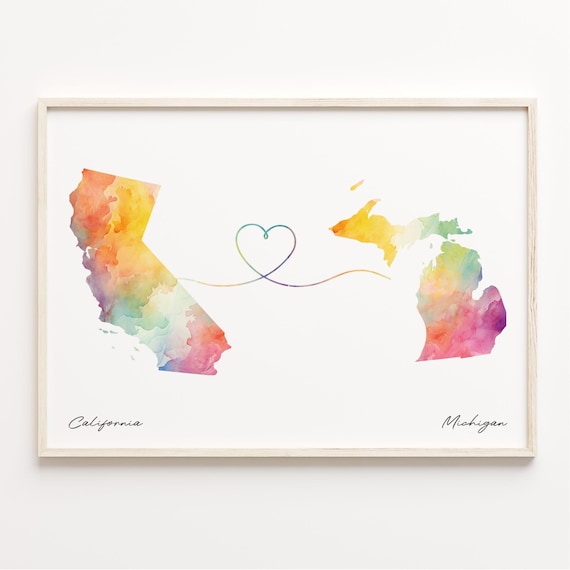
Bridging the Continental Divide: Understanding the Distance
The geographical separation between California and Michigan is significant, spanning a considerable portion of the North American continent. The exact mileage depends on the specific starting and ending points within each state. For instance, the distance between Los Angeles, California, and Detroit, Michigan, is different from the distance between San Francisco, California, and Grand Rapids, Michigan. However, a general understanding of the scale is crucial for planning.
Driving Distances and Time Estimates
Embarking on a road trip from California to Michigan is a quintessential American adventure. It’s a journey that allows for a deep appreciation of the country’s varied topography, from arid deserts and majestic mountain ranges to rolling plains and dense forests.
- Northern Route (Approximate): A common driving route might take travelers through states like Nevada, Utah, Wyoming, South Dakota, Minnesota, and Wisconsin before reaching Michigan. This path often involves navigating through the Rocky Mountains. The total driving distance for such a route typically falls in the range of 2,000 to 2,300 miles (approximately 3,200 to 3,700 kilometers). The estimated driving time, without accounting for stops, can be around 30 to 35 hours. However, this is a journey best savored over several days.
- Central/Southern Route (Approximate): An alternative might involve heading south through Arizona, New Mexico, Oklahoma, Missouri, Illinois, and Indiana. This route can be slightly longer in mileage, potentially reaching 2,200 to 2,500 miles (approximately 3,500 to 4,000 kilometers), with a similar driving time range. This route offers a different set of landscapes and attractions, including the opportunity to explore the Southwest region.
It’s vital to remember that these are purely driving times. A realistic road trip from California to Michigan should factor in at least 3-5 days, if not more, to allow for overnight stays, meals, sightseeing, and unexpected delays. Popular stops along the way could include national parks, historical sites, and vibrant cities, transforming the transit into an integral part of the travel experience. For example, a stop in Denver, Colorado, could offer a taste of the Rocky Mountain lifestyle, while a detour through the Badlands National Park in South Dakota provides a starkly beautiful natural spectacle.
Flying: The Swift Option
For those prioritizing speed and efficiency, flying is the most practical choice to cover the distance between California and Michigan. Several major airports in California, such as Los Angeles International Airport (LAX), San Francisco International Airport (SFO), and San Diego International Airport (SAN), offer direct and connecting flights to major hubs in Michigan, including Detroit Metropolitan Wayne County Airport (DTW), Gerald R. Ford International Airport (GRR) in Grand Rapids, and Bishop International Airport (FNT) in Flint.
The flight duration for a non-stop journey typically ranges from 4 to 5 hours. When factoring in travel to and from airports, security checks, and potential layovers, the total travel time can extend to 7-10 hours. This makes flying an ideal option for business travelers, those on tight schedules, or anyone who prefers to maximize their time at their destination. Airlines like American Airlines, Delta Air Lines, and United Airlines frequently operate these routes.
Other Modes of Travel
While driving and flying are the most common, other options exist for the more adventurous or those seeking a unique travel experience.
- Train: Traveling by train across the United States is a scenic and often relaxing way to see the country. Amtrak offers routes that connect the West Coast to the Midwest, though it typically involves multiple transfers and significantly longer travel times compared to flying. A train journey from California to Michigan could easily take 2-3 days, offering a slower-paced immersion into the American landscape, passing through diverse terrains and smaller towns.
- Bus: Long-distance bus services, such as those provided by Greyhound, also connect California and Michigan. Similar to train travel, this is a budget-friendly option but involves considerable time and multiple stops. It’s a journey that truly emphasizes the scale of the continent.
Exploring the Destinations: California’s Allure and Michigan’s Charm
The considerable distance between California and Michigan is a testament to the diversity of experiences each state offers. Understanding what draws travelers to each can illuminate why the journey, however long, is worthwhile.
California: The Golden State’s Diverse Appeal
California is a state synonymous with sunshine, innovation, and a vast array of landscapes. Its attractions cater to every imaginable interest, from world-class entertainment and iconic landmarks to breathtaking natural wonders.
- Iconic Cities and Landmarks: Los Angeles is a global hub for entertainment, boasting attractions like Universal Studios Hollywood, the Hollywood Walk of Fame, and the renowned Griffith Observatory. San Francisco captivates with its hilly streets, the majestic Golden Gate Bridge, and the historic Alcatraz Island. Further south, San Diego offers beautiful beaches, the famous Balboa Park, and the San Diego Zoo.
- Natural Wonders: California is home to some of the most stunning natural landscapes in the United States. Yosemite National Park is a UNESCO World Heritage site, famed for its granite cliffs, waterfalls, and giant sequoias. The Sierra Nevada mountains offer unparalleled opportunities for hiking and skiing. To the east, the otherworldly landscape of Death Valley National Park presents an extreme environment, while the rugged coastline along Highway 1 provides some of the most dramatic ocean vistas in the world.
- Lifestyle and Culture: The state is a melting pot of cultures, reflected in its diverse culinary scenes, vibrant arts, and innovative industries. From the laid-back surf culture of Southern California to the tech-centric environment of Silicon Valley, California offers a dynamic lifestyle that attracts millions. Luxury travel can be found in resorts along the coast or in wine country, while budget travelers can find affordable stays and explore free attractions.
Michigan: The Great Lakes State’s Natural Beauty and Automotive Heritage
Michigan, bordered by four of the five Great Lakes, offers a distinctly different, yet equally compelling, travel experience. Its identity is deeply intertwined with its natural resources and its significant role in American industrial history.
- The Great Lakes and Natural Landscapes: The Great Lakes are the defining feature of Michigan, offering miles of pristine shoreline, beautiful sandy beaches, and opportunities for boating, fishing, and swimming. Lake Michigan and Lake Huron are particularly popular for their clear waters and stunning sunsets. The state boasts numerous state parks and forests, offering excellent hiking, camping, and wildlife viewing. The picturesque Sleeping Bear Dunes National Lakeshore is a must-see, with its towering sand dunes overlooking the azure waters of Lake Michigan.
- Automotive Heritage and Urban Centers: Detroit, the “Motor City,” is the historical heartland of the American automotive industry. Visitors can explore the Henry Ford Museum of American Innovation, the Motown Museum, and the Detroit Institute of Arts. Grand Rapids is known for its vibrant arts scene and craft breweries, while Ann Arbor is a charming college town with a lively downtown and cultural institutions.
- Outdoor Adventures and Four-Season Appeal: Michigan is an outdoor enthusiast’s paradise year-round. Summers are perfect for enjoying the Great Lakes, while autumn brings stunning fall foliage, especially in the Upper Peninsula. Winters transform the landscape into a snowy wonderland, ideal for skiing, snowboarding, and snowshoeing. The Upper Peninsula offers rugged wilderness, waterfalls, and the majestic Pictured Rocks National Lakeshore. For those seeking a relaxed stay, numerous resorts and boutique hotels offer comfortable accommodations, often with lake views.
Planning Your Cross-Country Journey: Practical Tips and Considerations
Successfully navigating the distance from California to Michigan requires careful planning, whether you’re driving or flying. Understanding the logistics, potential costs, and best times to travel can significantly enhance your trip.
Accommodation and Budget
The choice of accommodation will greatly influence the overall cost of your journey.
- California: As a popular tourist destination, California offers a wide range of lodging options. Luxury resorts and boutique hotels can be found in cities like Beverly Hills or along the coast. For families, rental apartments or villas offer more space and amenities. Budget travelers can find motels and hostels, especially outside the major tourist hubs. Booking in advance is often recommended, particularly during peak seasons.
- Michigan: Michigan also provides diverse accommodation. Resorts dot the Great Lakes shorelines, offering a relaxing getaway. In cities like Detroit or Grand Rapids, you’ll find a mix of business hotels, boutique inns, and apartment-style accommodations for longer stays. Budget-friendly motels are widely available, especially along major interstates. Consider the season; lakefront properties can be more expensive in the summer.
- On the Road: For road trips, planning overnight stops is crucial. Numerous hotels, motels, and inns are available along major routes. Websites offering hotel comparisons and reviews can help find suitable options that fit your budget and desired amenities, from pet-friendly hotels to those with swimming pools.

Best Times to Travel
The ideal time to travel between California and Michigan often depends on your intended activities and tolerance for weather.
- Spring (April-May): Pleasant weather across much of the United States. California experiences mild temperatures, perfect for exploring its cities and natural parks. Michigan begins to thaw, with blooming flowers and fewer crowds than in summer.
- Summer (June-August): Peak season for both states. California offers warm, sunny weather ideal for beaches and outdoor activities. Michigan comes alive with lake activities and festivals, but expect higher prices and larger crowds.
- Autumn (September-October): A beautiful time for both destinations. California enjoys cooler, crisp weather, perfect for hiking and wine tasting. Michigan is renowned for its spectacular fall foliage, making it a prime time for scenic drives and exploring the countryside.
- Winter (November-March): California offers milder winters, especially in the south, making it a good escape from colder climates. Michigan experiences cold temperatures and significant snowfall, ideal for winter sports enthusiasts, but many outdoor attractions may be less accessible.
By understanding the distances, the varied attractions of each state, and the practicalities of travel, planning a journey from California to Michigan becomes an exciting prospect. Whether you choose the open road or the skies, the adventure of bridging these two distinct regions of the United States promises a wealth of experiences.
LifeOutOfTheBox is a participant in the Amazon Services LLC Associates Program, an affiliate advertising program designed to provide a means for sites to earn advertising fees by advertising and linking to Amazon.com. Amazon, the Amazon logo, AmazonSupply, and the AmazonSupply logo are trademarks of Amazon.com, Inc. or its affiliates. As an Amazon Associate we earn affiliate commissions from qualifying purchases.