
The Golden State, renowned for its sun-drenched beaches, towering redwood forests, and iconic cities like Los Angeles and San Francisco, is also increasingly known for another, more destructive, phenomenon: its wildfires. For years, the question has lingered, debated by residents, policymakers, and visitors alike: Are California fires controlled? The reality is far more complex than a simple yes or no answer. It involves a confluence of natural conditions, human activities, and ongoing efforts to manage an escalating threat.
The dramatic imagery of infernos consuming vast tracts of land has become a recurring, and often devastating, feature of California’s landscape. These fires impact not only the environment and wildlife but also the thriving tourism industry, the availability of accommodation, and the very lifestyle of those who call the state home. Understanding the dynamics of these fires is crucial for anyone planning a trip to California, considering a stay in one of its many hotels, or simply wishing to appreciate the natural beauty of its landmarks.
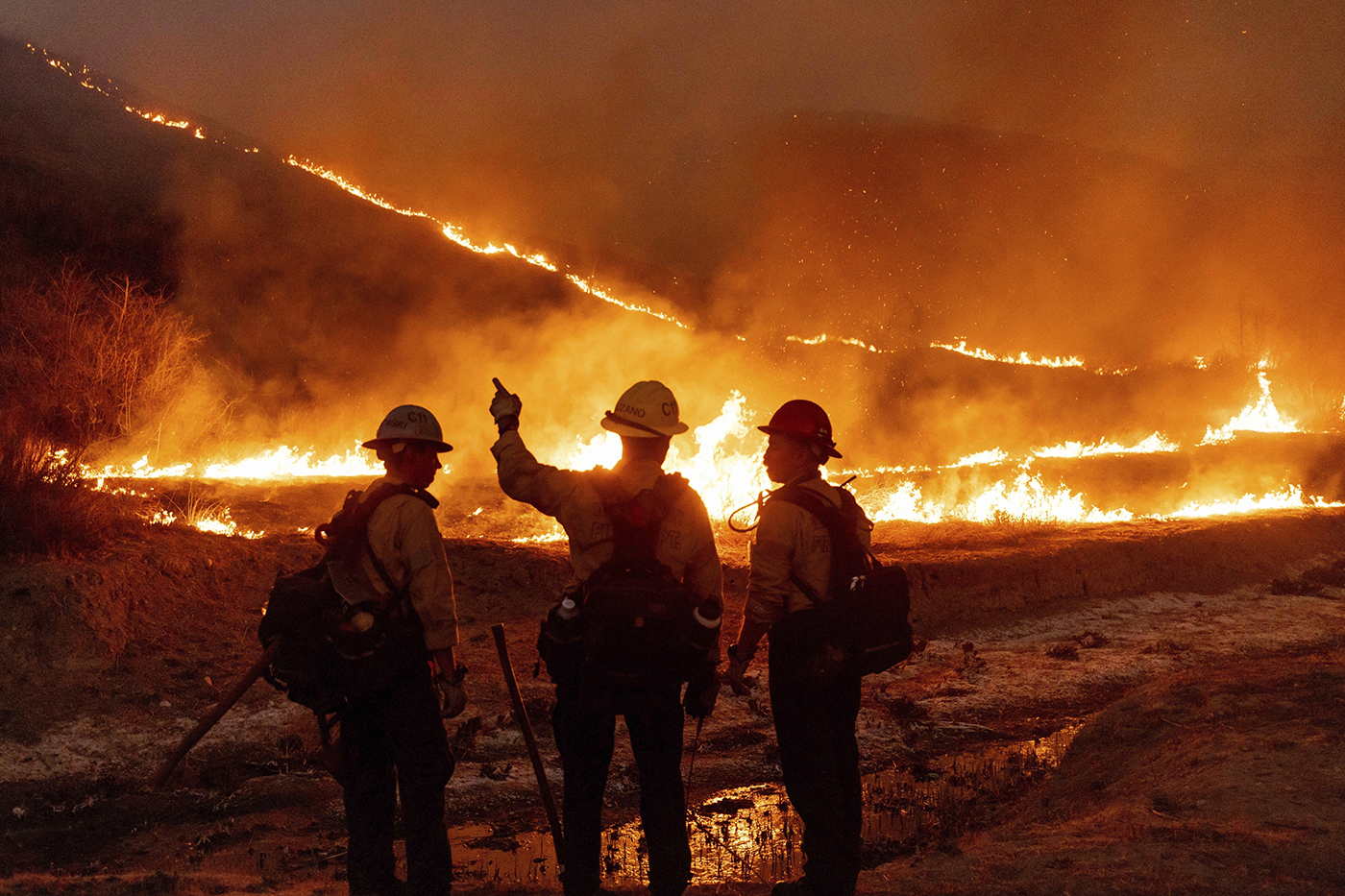
The Complex Factors Fueling California’s Wildfires
The notion of “controlled” fires often conjures images of deliberate ignitions for land management purposes, a practice known as prescribed burning. While this is a vital tool in the wildfire prevention arsenal, it represents only a small fraction of the fires that ignite and spread across California. The vast majority of wildfires are unintended and, once sparked, can rapidly escalate beyond human control due to a perfect storm of environmental conditions.
Climate Change and Drought: A Volatile Cocktail
Perhaps the most significant driver behind the increasing intensity and frequency of California wildfires is the undeniable impact of climate change. Prolonged periods of drought, exacerbated by rising global temperatures, have transformed vast swathes of the state into tinderboxes. Vegetation, from the dense forests of the Sierra Nevada to the chaparral of Southern California, becomes critically dry, offering ample fuel for any ignition.
The extended dry seasons mean that forests and wildlands are more susceptible to burning for longer periods each year. Snowpack, a crucial source of water in the spring and summer, has been diminishing, further stressing vegetation. This persistent dryness creates an environment where even a small spark can erupt into a catastrophic blaze. The impact of this on travel and tourism is profound, with seasonal closures and advisories becoming commonplace, forcing travelers to constantly reassess their plans and accommodation choices.
Wind and Topography: The Accelerants
Beyond the fuel, the very geography and weather patterns of California play a crucial role in how fires spread. Powerful, dry winds, such as the notorious Santa Ana winds in Southern California and the Diablo winds in the north, can fan flames with alarming speed, pushing them across landscapes at rates that challenge even the most experienced firefighting teams. These winds can carry embers for miles, igniting new fires far ahead of the main front, creating an unpredictable and rapidly expanding inferno.
The state’s diverse topography also contributes to fire behavior. Steep canyons and mountainous terrain can create “chimneys” that accelerate fire spread upwards, while dense vegetation in remote areas can become inaccessible to ground crews, allowing fires to grow unchecked. This makes containing blazes in many of California’s most scenic and sought-after destinations, like parts of Yosemite National Park or the coast near Big Sur, an immense challenge.
Human Ignition Sources: The Spark in the Dry Grass
While natural causes like lightning do occur, a significant percentage of California wildfires are human-caused. These can range from accidental ignitions, such as downed power lines (a major concern linked to utilities like PG&E), faulty electrical equipment, escaped campfires, or sparks from vehicles, to deliberate acts of arson. The proximity of human settlements to wildland areas, known as the wildland-urban interface (WUI), means that more people are living in areas at high risk of wildfire.
This intersection of human activity and flammable landscapes is a critical factor. As more development encroaches on wildlands, the potential for ignition increases, and the consequences of a wildfire become more severe, impacting homes, businesses, and vital infrastructure, including hotels and resorts that are a cornerstone of the tourism economy. This also affects local culture, as communities are displaced and traditions are threatened by the destruction of their environment.
Strategies for Control: Prevention, Suppression, and Adaptation
The question of whether California fires are controlled speaks to the ongoing battle to manage them. While complete control in the sense of preventing all fires is an unrealistic goal, a multifaceted approach is employed to mitigate their impact. This involves proactive measures to prevent ignitions and reduce fuel loads, as well as rapid and effective suppression efforts once a fire has started. Furthermore, a growing emphasis is placed on adaptation, recognizing that some level of wildfire is an inevitable part of the ecosystem.

Fuel Management and Prescribed Burns: A Proactive Approach
To combat the accumulation of dry, flammable vegetation, land management agencies and fire departments utilize various fuel management techniques. Prescribed burning, or controlled burns, involve intentionally setting fires under carefully controlled conditions to clear out undergrowth and reduce the intensity of future wildfires. These are strategically planned and executed by trained professionals to burn specific areas of vegetation, thereby decreasing the amount of fuel available for uncontrolled blazes.
The challenges with prescribed burns are significant. They require specific weather conditions, public cooperation, and can be controversial due to concerns about smoke. However, they are considered an essential tool for restoring ecological health and reducing the risk of catastrophic fires in areas like the Santa Monica Mountains or the forests surrounding Lake Tahoe. Other fuel management strategies include mechanical thinning of forests and creating defensible spaces around homes and communities.
Advanced Fire Suppression: Technology and Tactics
When wildfires do ignite, the focus shifts to rapid suppression. California employs a sophisticated network of firefighting resources, including highly trained ground crews, aerial support in the form of water-dropping helicopters and air tankers, and advanced command and control systems. Modern firefighting tactics rely on real-time data from satellites, drones, and weather monitoring to predict fire behavior and deploy resources effectively.
The speed at which fires can spread, however, often pushes these resources to their limits. The sheer scale of some incidents, like the Dixie Fire or the August Complex Fire, requires immense coordination and can overwhelm even the best-prepared response teams. The safety of firefighters, often working in hazardous and unpredictable conditions, is paramount, and decisions about when and how to engage fires are complex, balancing risk with the potential for containment.
Community Preparedness and Adaptation: Living with Fire
Given the increasing reality of wildfires, there’s a growing emphasis on community preparedness and adaptation. This involves educating residents about wildfire risks, encouraging them to create defensible spaces around their properties, and developing evacuation plans. Building codes are being updated to promote fire-resistant construction in the WUI. For those seeking accommodation, understanding local fire risk and preparedness measures is becoming an essential part of trip planning.
The tourism sector itself is also adapting. Some destinations, particularly those in fire-prone areas, are developing contingency plans for potential disruptions. Hotels and resorts are investing in fire mitigation around their properties and ensuring their guests have access to timely information during fire events. This proactive approach aims to minimize the impact on the travel experience and the local economy.
The Future of California’s Wildfire Landscape
The question of whether California fires are controlled is not static. It is a dynamic challenge that requires continuous innovation, investment, and collaboration. As California continues to grapple with the impacts of climate change and a growing population, the relationship between human activity and the natural environment will remain a critical factor in wildfire management.
Evolving Environmental Conditions
The long-term prognosis for wildfire management in California is closely tied to global efforts to combat climate change. Continued warming trends and altered precipitation patterns will likely maintain or even exacerbate the dry conditions that fuel fires. This means that the challenges faced by firefighters, land managers, and residents will persist and potentially intensify. Adapting to this new reality is no longer a choice but a necessity for the state’s future, impacting everything from agriculture to the very availability of natural landmarks for tourism.
Technological Advancements and Policy Shifts
The future will likely see continued advancements in fire detection and suppression technologies. Innovations in AI-powered predictive modeling, advanced drone capabilities for monitoring and even fire suppression, and improved communication systems will play an increasingly important role. Policy shifts, such as greater investment in forest health initiatives, revised land-use planning in the WUI, and more robust public education campaigns, will also be crucial in shaping a more resilient California.
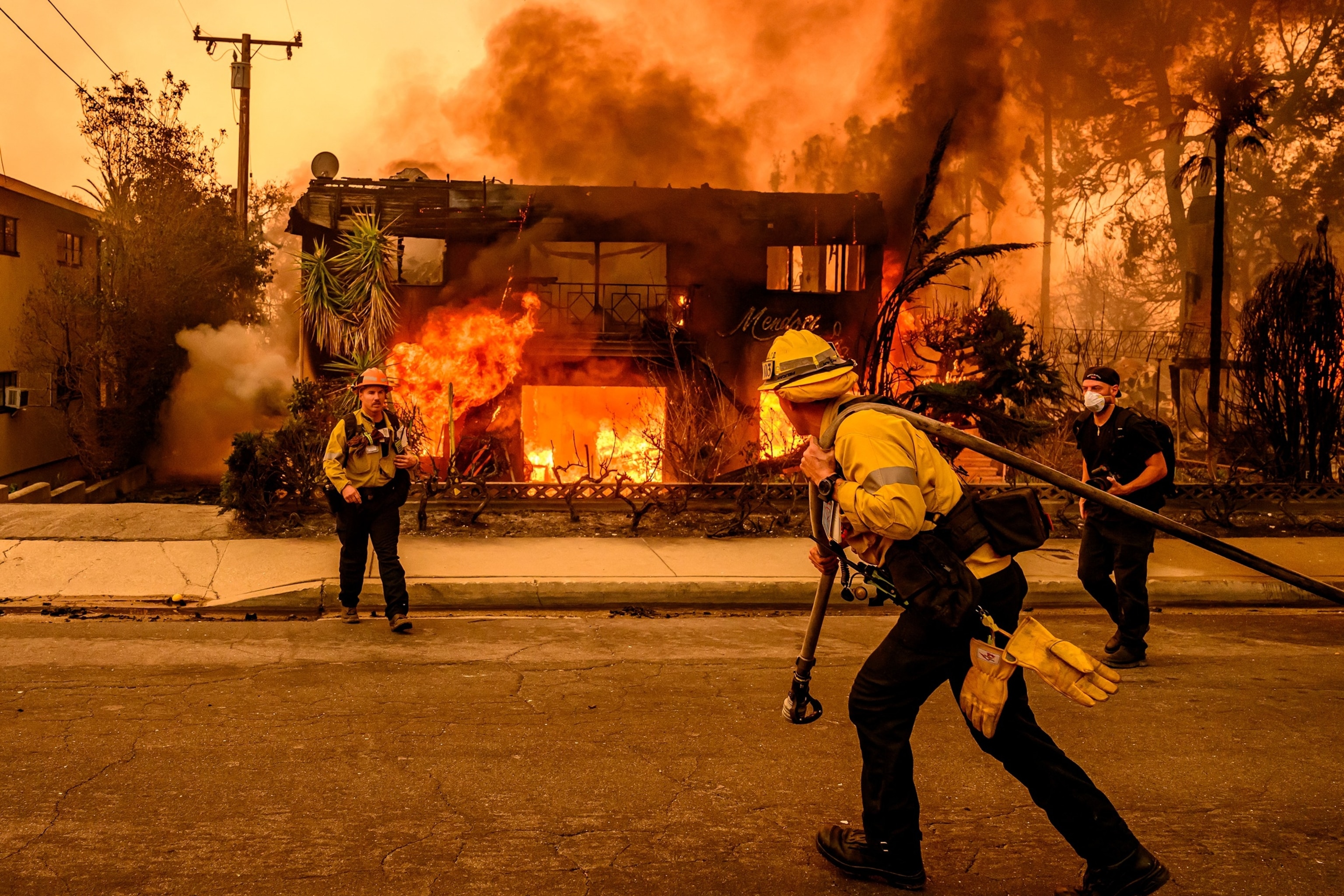
A Delicate Balance for Tourism and Lifestyle
For travelers and residents, the reality of living and visiting California increasingly involves an awareness of wildfire risks. While the allure of its diverse destinations, from the theme parks of Anaheim to the wine country of Napa Valley, remains strong, potential visitors must now factor in the possibility of fire-related disruptions. The availability and safety of accommodations, whether a luxury resort in Beverly Hills or a budget-friendly motel in a smaller town, can be affected. Similarly, the lifestyle of many Californians, particularly those in rural and semi-rural areas, is being reshaped by the constant threat and occasional devastating reality of wildfires. The goal of “controlled” fires is therefore not just about extinguishing blazes but about building a future where communities and ecosystems can coexist more safely and sustainably with fire.
LifeOutOfTheBox is a participant in the Amazon Services LLC Associates Program, an affiliate advertising program designed to provide a means for sites to earn advertising fees by advertising and linking to Amazon.com. Amazon, the Amazon logo, AmazonSupply, and the AmazonSupply logo are trademarks of Amazon.com, Inc. or its affiliates. As an Amazon Associate we earn affiliate commissions from qualifying purchases.