
The question of whether a California roll is cooked might seem straightforward, but for travelers and culinary enthusiasts exploring the vibrant food scenes of destinations like California, it opens a delicious avenue of inquiry. This seemingly simple query delves into the very essence of what makes sushi, and specifically this popular roll, a global phenomenon. While the name itself might suggest a direct link to its culinary origins or preparation, the reality is a bit more nuanced, weaving together aspects of Travel, Tourism, and Lifestyle in a way that appeals to anyone planning a trip or simply dreaming of their next gastronomic adventure.

California rolls, a staple in many restaurants from casual eateries in Los Angeles to upscale dining establishments in San Francisco, represent a fascinating evolution of traditional Japanese cuisine. They are often the gateway sushi for many Western palates, introducing them to the delicate flavors and textures of raw fish (or, in their case, often a cooked substitute) and seasoned rice. Understanding their preparation is key to appreciating their place in the world of food and travel.
The Anatomy of a California Roll: Decoding the Ingredients
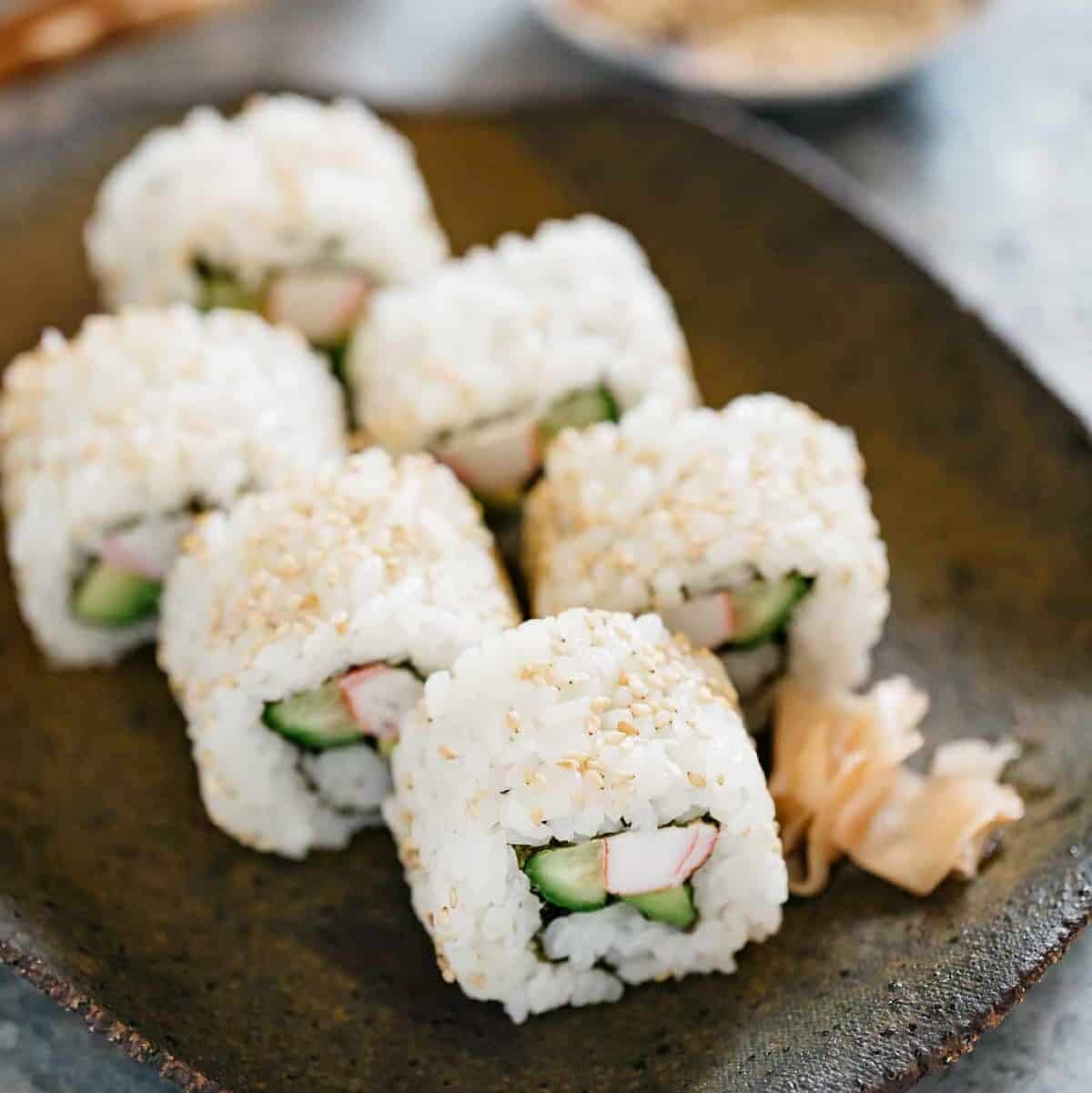
At its heart, a California roll is an uramaki style sushi, meaning the rice is on the outside, and the nori (seaweed) is on the inside, wrapped around the fillings. This distinct construction is one of the first clues to understanding its cooking status. The core ingredients typically include:
- Sushi Rice: This is seasoned with vinegar, sugar, and salt, and it is always cooked. The rice is steamed to perfection before being seasoned. This foundational element is crucial, as without properly cooked rice, the roll wouldn’t hold its shape or deliver the characteristic texture of sushi.
- Nori: The dried seaweed wrapper is used in its toasted form, which is neither cooked nor raw in the traditional sense; it’s a dried product.
- Fillings: This is where the main clarification lies. The classic California roll features:
- Imitation Crab (Kani): This is the most defining ingredient and is almost always pre-cooked. Imitation crab is made from processed white fish, such as pollock, that is ground, mixed with starches, flavorings, and often a reddish coloring to mimic real crab. Because it’s a processed seafood product, it is cooked during its manufacturing process. This is a primary reason why many consider the California roll to be a “cooked” roll, even if other components are not.
- Avocado: This creamy fruit is served fresh, meaning it is not cooked. Its smooth texture and mild flavor complement the other ingredients beautifully.
- Cucumber: Also served fresh, cucumber adds a crisp, refreshing crunch to the roll.
Given this breakdown, it’s clear that a significant component of a classic California roll – the imitation crab – is indeed cooked. The rice is also cooked. However, the avocado and cucumber are fresh. This hybrid nature is what makes the question of whether it’s “cooked” so interesting.
The Raw Fish Debate: A Differentiator for Travelers
For those venturing into authentic sushi bars in countries like Japan or seeking out traditional sushi experiences, the distinction between cooked and raw ingredients is paramount. Traditional sushi, like nigiri or sashimi, often features raw, high-quality fish. The preparation of raw fish for sushi is a highly specialized art, focusing on freshness, proper handling, and presentation.
The California roll, by contrast, emerged as a more accessible option for diners less accustomed to or wary of raw fish. Its invention is widely attributed to Japanese chefs working in Los Angeles in the 1960s or 1970s, designed to appeal to American tastes. They substituted avocado and imitation crab for raw fish, creating a roll that was palatable and appealing to a broader audience. This innovation was a significant step in the globalization of sushi and its adaptation to local palates, a common theme in Tourism and Lifestyle travel.

The choice to use cooked imitation crab was strategic. It eliminated the perceived risk of consuming raw seafood for some, making sushi less intimidating. This opened up a vast new market and cemented the California roll’s status as a universally recognized sushi item. When you order a California roll at a restaurant in New York or even as far afield as London, you can be reasonably confident that the crab component is cooked.
However, it’s worth noting that some modern interpretations or specialized sushi restaurants might offer variations. A “crab California roll” could, in rare instances, use real crab meat, which is typically pre-cooked. If a chef aims for a truly “raw” experience, they would explicitly state that the ingredients are fresh and uncooked. But for the standard, widely available California roll, the imitation crab is the cooked star.
Beyond the California Roll: Exploring Sushi and Seafood in Your Travels
The journey into understanding the California roll’s preparation is just the beginning of a deeper appreciation for the diverse world of sushi and seafood that awaits travelers. Exploring culinary traditions is an integral part of experiencing a new destination, whether you’re staying in a luxurious resort in Hawaii or a charming boutique hotel in a coastal town.
Navigating Seafood Safety and Authenticity
When traveling, especially to coastal regions renowned for their seafood, like the Pacific Northwest or the Mediterranean, understanding how seafood is prepared and handled is crucial. Many destinations offer incredible opportunities to taste fresh, local catches prepared in a multitude of ways.
- Traditional Sushi Experiences: In places like Tokyo, a visit to the Tsukiji Outer Market or the new Toyosu Fish Market offers an unparalleled glimpse into the world of fresh seafood. Here, you can witness expert chefs preparing sashimi and nigiri with pristine, raw fish. These experiences are deeply rooted in Local Culture and Food Tourism.
- Cooked Seafood Delights: Don’t shy away from cooked seafood! Many destinations boast signature dishes that highlight perfectly cooked fish and shellfish. Think of a steaming bowl of cioppino in San Francisco, fresh oysters by the coast of Maine, or grilled sea bass in a Greek island taverna. These are culinary Experiences that define a trip.
- “Safe” Sushi Options: For travelers who are still cautious about raw fish but want to explore sushi, the California roll is an excellent starting point. Other cooked sushi rolls include:
- Tempura Rolls: These feature deep-fried ingredients (shrimp, vegetables) rolled with rice and nori. The frying process ensures the ingredients are fully cooked.
- Eel Rolls (Unagi/Anago): Grilled freshwater eel (unagi) or saltwater eel (anago) is typically glazed with a sweet soy-based sauce and is always served cooked.
- Shrimp Tempura Rolls: As the name suggests, these include fried shrimp.
- Smoked Salmon Rolls: While the salmon is smoked, which is a form of preservation and cooking, it’s not always considered “hot-cooked” in the same way as fried or grilled items. However, it is not raw.
Accommodation and Culinary Exploration: A Synergistic Approach
Your choice of Accommodation can significantly enhance your culinary Travel experience.
- Hotels with Culinary Programs: Many upscale hotels and Resorts offer world-class dining, often featuring local seafood. Look for hotels with dedicated sushi bars or restaurants known for their fresh catch. For instance, a stay at the Halekulani Corporation in Waikiki might offer exceptional seafood experiences.
- Apartments and Villas with Kitchens: For a more immersive Lifestyle experience, booking an Apartment or Villa with a kitchen allows you to explore local markets and cook your own meals. This is a fantastic way to engage with Local Culture and source fresh ingredients. Imagine visiting a local fish market in Naples and preparing a simple, yet delicious, seafood pasta dish in your own kitchen.
- Food Tours and Cooking Classes: Many Destinations offer guided food tours or hands-on cooking classes that focus on seafood. These are invaluable Activities for learning about local culinary techniques and understanding the provenance of ingredients. Participating in a sushi-making class, even one that focuses on rolls like the California roll, can be an incredibly rewarding Experience.
The question “Are California rolls cooked?” serves as a delightful entry point into the fascinating interplay between food, culture, and travel. It reminds us that culinary traditions evolve, adapt, and travel across borders. Whether you prefer your sushi with a familiar cooked element or seek the thrill of impeccably fresh, raw fish, there’s a world of delicious discoveries waiting for you. So, the next time you find yourself in a restaurant, perhaps in a vibrant city like Sydney or a serene beachside town, you can confidently answer: the rice and the imitation crab in a California roll are cooked, offering a delicious and accessible taste of Japan’s influence on global cuisine. This understanding enriches your Travel itinerary and deepens your appreciation for the diverse Food offerings around the world.
LifeOutOfTheBox is a participant in the Amazon Services LLC Associates Program, an affiliate advertising program designed to provide a means for sites to earn advertising fees by advertising and linking to Amazon.com. Amazon, the Amazon logo, AmazonSupply, and the AmazonSupply logo are trademarks of Amazon.com, Inc. or its affiliates. As an Amazon Associate we earn affiliate commissions from qualifying purchases.