
Navigating the legal landscape of travel, especially when it comes to personal items, can be a complex undertaking. While the allure of exploring new destinations often centers on the excitement of new experiences, the practicalities of what you can and cannot bring can sometimes cast a shadow. For those planning a trip to or residing in California, a specific question might arise: “Are nunchucks illegal in California?” This query delves into the intersection of personal interest, martial arts culture, and the Golden State’s legislative framework, touching upon aspects of lifestyle, safety, and even historical context.

The world of travel is vast, encompassing everything from bustling metropolises like Los Angeles to the serene beaches of San Diego, and from the iconic vineyards of Napa Valley to the natural grandeur of Yosemite National Park. Each of these destinations offers unique attractions and experiences, and planning a trip involves more than just booking a hotel or a resort. It also requires an understanding of local regulations. When considering items that might be perceived as weapons, like nunchucks, it’s crucial to clarify their legal status. This is particularly relevant for individuals who practice martial arts, a popular lifestyle choice for many, or who are simply curious about specific cultural artifacts.
This article aims to provide clarity on the legality of nunchucks in California, delving into the nuances of the law and its implications for residents and visitors alike. We will explore the historical context, the current legal standing, and the potential consequences of possessing them illegally. Understanding these details is not only about adhering to the law but also about ensuring a safe and enjoyable experience in California.
Understanding the Legality of Nunchucks in California
The question of whether nunchucks are illegal in California is not as straightforward as a simple “yes” or “no.” Like many laws pertaining to weapons and self-defense tools, the legality is often nuanced and dependent on specific circumstances and definitions. To truly understand this, we need to examine the relevant legislation and how it has been interpreted.
The Legal Framework: California Penal Code
The primary piece of legislation that governs the possession of certain weapons in California is the California Penal Code. Specifically, California Penal Code Section 12020 outlines prohibited weapons. This section is broad and covers a range of items that are considered “deadly weapons.” The interpretation of what constitutes a “deadly weapon” is crucial when discussing items like nunchucks.
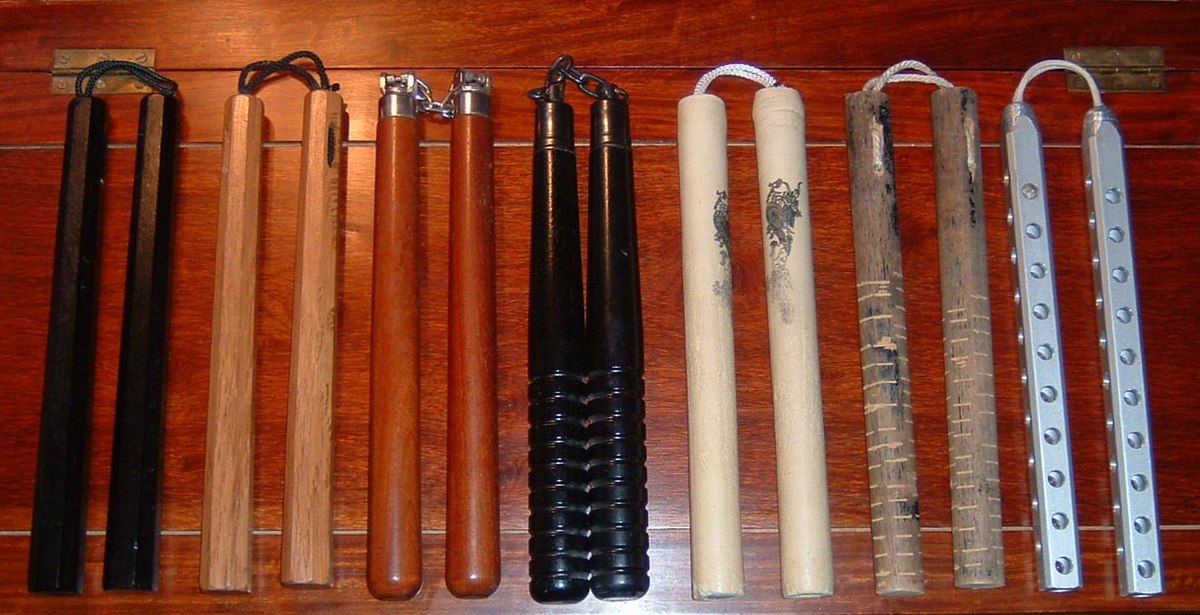
Historically, nunchucks, also known as nunchaku, have been associated with martial arts, particularly Okinawan kobudō. They consist of two sticks connected by a short chain or rope. While many practitioners view them as a training tool or a cultural artifact, law enforcement and legislators may classify them differently based on their potential for causing harm.
California Penal Code Section 12020, as amended over time, prohibits the possession of “any dirk, dagger, knife having a blade longer than two inches, razor, shuriken, blackjack, metal knuckles, nunchaku, or any instrument or weapon of the kind commonly known as a switchblade knife, butterfly knife, sap, or cane sword.”
This specific mention of “nunchaku” in the Penal Code is a direct indicator of their legal status. Therefore, based on the explicit wording of the law, nunchucks are generally considered illegal to possess in California.
Nuances and Exceptions: Are There Any Loopholes?
While the law appears clear, there are often nuances and exceptions that can create confusion. It’s important to understand these to get a complete picture.
One of the most significant points of discussion and potential confusion revolves around the intent of possession. However, the California Penal Code does not typically require proof of intent to use an item as a weapon for it to be considered illegal under Section 12020. The mere possession of an item listed as a prohibited weapon is often enough to constitute a violation.
Another aspect that sometimes arises is the distinction between legal and illegal nunchucks. Some may argue that certain types of nunchucks, perhaps those made of lighter materials or designed specifically for training, might fall into a gray area. However, the law generally does not differentiate based on material or perceived lethality. If an item fits the description of “nunchaku” as understood in the context of the Penal Code, it is likely to be considered illegal.
The exception that is most commonly cited, and often the most misunderstood, relates to martial arts training. While it is true that individuals involved in legitimate martial arts training may have opportunities to possess and use nunchucks, this is usually under very specific, controlled circumstances. These exceptions are often not broadly applicable to the general public and typically require affiliation with a recognized martial arts organization and possession for the sole purpose of training within a supervised environment. Even then, carrying them in public spaces would likely remain illegal.
It is crucial for anyone involved in martial arts to understand the specific requirements and limitations of any such exceptions. Simply owning nunchucks for personal practice at home, without being part of a formal, recognized training program that grants specific allowances, could still lead to legal trouble.
Consequences of Illegal Possession
Possessing illegal weapons in California carries significant legal consequences. The classification of nunchucks as a prohibited weapon means that unauthorized possession can lead to criminal charges.
Under California Penal Code Section 12020, the possession of prohibited weapons is typically a misdemeanor offense. However, it can be charged as a felony under certain circumstances, especially if the individual has prior convictions or if the possession is linked to other criminal activity.
Penalties for a misdemeanor conviction can include:

- Fines: Ranging from several hundred to a few thousand dollars.
- Jail Time: Up to one year in county jail.
- Probation: A period of supervised probation.
- Criminal Record: A permanent criminal record, which can impact future employment, housing, and other opportunities.
If charged as a felony, the penalties are more severe, potentially including state prison time and larger fines.
Furthermore, carrying nunchucks in public, even if legally obtained for specific, limited purposes, can be viewed as carrying a concealed weapon, which is a separate offense with its own set of penalties. The intent to use the nunchucks in a threatening manner, even if not used, can also lead to charges of brandishing a weapon.
For travelers, ignorance of the law is not a defense. Bringing nunchucks into California, whether by car, plane, or any other means of transport, could result in confiscation and legal repercussions. This is a vital consideration for anyone planning a trip and packing their belongings, particularly if they are involved in martial arts or have a personal interest in such items.
Nunchucks and the Travel Lifestyle in California
The interconnectedness of travel, lifestyle, and local laws is a recurring theme for many adventurers and enthusiasts. When planning a trip to a place like California, which offers a diverse range of experiences from the glitz of Hollywood to the natural beauty of the Sierra Nevada mountains, it’s essential to be aware of what is permissible.
Bringing Items Across State Lines and Into California
For those who travel by car, the journey into California might originate from states with different laws regarding nunchucks. It is crucial to understand that California‘s laws apply once you cross its borders. Possessing nunchucks in California, regardless of where they were acquired, is subject to California‘s regulations.
For air travelers, the situation is even more stringent. Airlines have their own policies regarding weapons and dangerous items, and these are in addition to federal and state laws. Most airlines prohibit the carrying of nunchucks in either checked or carry-on luggage. Even if an airline were to allow them (which is highly unlikely for items classified as weapons), California‘s laws would still prohibit their possession.
This aspect of travel law is a critical consideration for anyone who practices martial arts and may typically travel with their equipment. If nunchucks are part of your training regimen, you will need to make alternative arrangements or avoid bringing them into California altogether.
Martial Arts Tourism and Activities
California is a hub for various activities and tourist experiences, including a vibrant martial arts community. Many visitors might be interested in attending martial arts seminars, workshops, or even visiting dojos and training centers.
When engaging in such tourism, it’s imperative to be aware of the local regulations concerning training equipment. While attending a legitimate martial arts event in California, the organizers are typically responsible for ensuring that all activities comply with state and local laws. This might involve providing approved training equipment on-site or ensuring that participants only use items that are legal to possess within the venue.
Individuals planning to participate in martial arts activities in California should:
- Confirm with Event Organizers: Before traveling, confirm with the organizers of any martial arts event or workshop about their policies on personal equipment, especially nunchucks.
- Check Dojo Regulations: If visiting a dojo for training, inquire about their rules and any allowances for specific equipment.
- Understand Public Transport Laws: Remember that even if you are legally allowed to possess nunchucks for a specific training event, carrying them in public spaces between your accommodation and the training venue is likely illegal and could lead to serious consequences.
The lifestyle of a martial artist often involves a deep respect for tradition and discipline, which extends to understanding and adhering to the laws of the places one visits.
Accommodation and Local Culture Considerations
The choice of accommodation, whether a luxury resort in Beverly Hills, a budget-friendly hotel in San Francisco, or a charming villa in the wine country, is a key part of the travel experience. However, the legality of certain items does not change based on the type of accommodation.
When staying in California, whether in a hotel, a short-term rental, or a long-term apartment, the state’s laws regarding prohibited weapons apply universally within private residences as well. This means that possessing nunchucks in your hotel room, for instance, could still be considered illegal.
Understanding local culture also plays a role. While California is a diverse state with a generally liberal attitude, adherence to laws is paramount. The perception and legality of items like nunchucks are rooted in their classification as potential weapons, a classification that overrides cultural interpretations of their use as martial arts tools in most legal contexts.
For those interested in the history and culture of martial arts, it’s often more advisable to explore these interests through museums, historical sites, or cultural centers that showcase the art form without involving the possession of prohibited items. Many landmarks and cultural attractions in California, such as the Getty Center or historical missions, offer rich insights into various aspects of human history and creativity.
In conclusion, for residents and visitors alike, the message regarding nunchucks in California is clear: they are generally illegal to possess. While exceptions may exist for highly controlled martial arts training, these are narrow and do not permit general ownership or public display. Prioritizing awareness of California‘s weapon laws will ensure a lawful and worry-free experience, whether you are enjoying the vibrant lifestyle or exploring the diverse travel destinations the state has to offer.
LifeOutOfTheBox is a participant in the Amazon Services LLC Associates Program, an affiliate advertising program designed to provide a means for sites to earn advertising fees by advertising and linking to Amazon.com. Amazon, the Amazon logo, AmazonSupply, and the AmazonSupply logo are trademarks of Amazon.com, Inc. or its affiliates. As an Amazon Associate we earn affiliate commissions from qualifying purchases.