
The question of whether SharkBite fittings are legal in California is a recurring one, often arising for homeowners and DIY enthusiasts undertaking plumbing projects. While the immediate answer is often a qualified “yes,” a deeper dive into California’s specific plumbing codes and regulations reveals a more nuanced picture. This article aims to clarify the legality of using SharkBite fittings in the Golden State, considering their application, potential limitations, and the importance of proper installation for compliance.
California, like many states, has stringent building and plumbing codes designed to ensure safety and the integrity of infrastructure. These codes are primarily based on national standards, such as the International Plumbing Code (IPC), but are often supplemented with state-specific amendments and local ordinances. For any plumbing component, including fittings like SharkBite, compliance with these codes is paramount.
Understanding SharkBite Fittings
SharkBite fittings are a popular push-to-connect plumbing system designed for ease of use and speed of installation. They eliminate the need for soldering, gluing, or crimping, making them an attractive option for both professional plumbers and do-it-yourselfers. The core mechanism involves a unique O-ring seal and a gripping ring that secures the pipe once it’s pushed into the fitting. This simplicity has made them a go-to for quick repairs and installations in various parts of the country.
The primary advantage of SharkBite fittings lies in their accessibility. They can be used on a variety of pipe materials, including PEX, copper, CPVC, and even composite pipes. Their design allows for easy disconnection and repositioning, which is a significant benefit for troubleshooting or making adjustments during a plumbing job. This adaptability has contributed to their widespread adoption in the plumbing industry.
However, the very features that make SharkBite fittings convenient also raise questions about their long-term durability and compliance with strict plumbing standards, particularly in regions with rigorous code enforcement. The “push-to-connect” nature, while quick, relies heavily on the precise fit and the integrity of the internal seals. This has led to discussions and debates among plumbing professionals and code officials regarding their suitability for all applications.
California’s Plumbing Code Landscape
California’s plumbing regulations are overseen by the Department of Housing and Community Development (HCD) and are largely based on the California Plumbing Code (CPC), which is an adaptation of the IPC. These codes are regularly updated to incorporate new technologies and best practices. When it comes to plumbing fittings, the codes typically specify approved materials, connection methods, and performance standards that must be met.
The key aspect of any plumbing fitting’s legality in California hinges on whether it is approved by the relevant authorities and whether its installation adheres to code requirements. For SharkBite fittings, this means they must be listed by a recognized testing laboratory, such as NSF International or the Uniform Plumbing Code (UPC), and installed according to the manufacturer’s instructions and applicable codes.
In California, the use of plumbing fittings is generally governed by the Uniform Plumbing Code (UPC), which is adopted and enforced by most local building departments. The UPC has specific sections that address the types of materials and methods allowed for joining pipes. Fittings that are not explicitly listed or approved within the UPC or by specific local amendments are subject to scrutiny.
Approved Use and Limitations
SharkBite fittings have gained a significant level of acceptance in California. The manufacturer, RectorSeal, actively works to ensure their products meet or exceed the standards set by various plumbing codes and testing agencies. Consequently, SharkBite fittings are generally considered legal for use in California, provided they are used within their designed parameters and installed correctly.
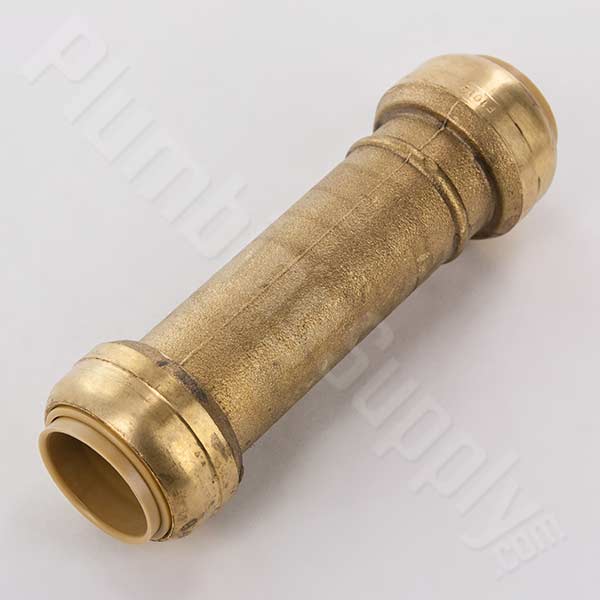
However, it’s crucial to understand that “legal” does not always mean universally applicable or suitable for every situation. California codes, and the UPC in general, may have specific limitations on the types of joints allowed in certain critical areas or for specific applications. For instance, while SharkBite fittings are commonly used for PEX pipe, their application with other pipe materials might be subject to stricter interpretation or require additional support.
One of the primary considerations for code compliance is the type of pipe material being connected. SharkBite offers fittings specifically designed for copper, PEX, CPVC, and composite pipes. The legality of using a SharkBite fitting often depends on whether that specific fitting is rated for the pipe material and the system’s operating conditions (pressure and temperature). For example, using a fitting not rated for hot water on a hot water line would be a code violation, regardless of the fitting’s brand.
Furthermore, local building departments can have their own interpretations or additional requirements. While a product might be generally approved statewide, a specific municipality could have more stringent rules or prefer alternative methods for certain applications. It is always advisable to consult with the local building inspector or plumbing official to confirm specific requirements for a project. This is particularly important for larger renovations or new constructions where permits and inspections are mandatory.
Installation Best Practices and Code Adherence
The legality of SharkBite fittings in California, or anywhere else for that matter, is intrinsically linked to proper installation. The manufacturer provides detailed instructions for each type of fitting and pipe material. Adherence to these instructions is not merely a recommendation; it’s a critical step toward ensuring code compliance and the longevity of the plumbing system.
Key installation steps that are vital for code adherence include:
- Pipe Preparation: The pipe ends must be clean, dry, and free from any imperfections. For PEX and CPVC, deburring and checking for a smooth surface are essential. For copper pipes, removing any scale or corrosion is crucial for the O-ring seal to function effectively.
- Pipe Insertion: The pipe must be pushed into the fitting until it reaches the depth indicator mark. This ensures the gripping ring properly engages the pipe and the O-ring creates a secure, leak-proof seal. Incomplete insertion is a common cause of leaks and potential code violations.
- System Pressure Testing: After installation, all new plumbing work typically requires a pressure test to verify the integrity of the joints. This is a standard part of the inspection process in California. Any leaks discovered during this test would indicate an improper installation or a faulty fitting, necessitating correction.
- Support and Strapping: Codes often specify requirements for how pipes should be supported and strapped to prevent undue stress on the joints. This is especially important for longer runs of pipe or in areas prone to vibration. While SharkBite fittings offer a quick connection, they still rely on the overall structural integrity of the plumbing system.
The “push-to-connect” mechanism relies on a precise fit between the pipe and the internal components of the fitting. If the pipe is damaged, cut improperly, or not fully inserted, the seal may not be effective, leading to leaks. This is why consistent application of the manufacturer’s instructions is so critical.

When to Seek Professional Advice
While SharkBite fittings are designed for DIY convenience, there are situations where consulting with a licensed plumber is highly recommended, even if you intend to use these fittings.
- Major Renovations or New Construction: For significant projects, such as a kitchen remodel in San Francisco or a bathroom addition in Los Angeles, it is often best to have a licensed professional handle the plumbing work. They are familiar with the latest California Plumbing Code requirements and can ensure that all work is done to code, passing inspections seamlessly.
- Uncertainty About Code Compliance: If you are unsure whether SharkBite fittings are appropriate for a specific application or if you have doubts about meeting local code requirements, a plumber can provide expert guidance. They can advise on the best materials and methods for your specific situation, potentially saving you from costly mistakes and reworks.
- Emergency Repairs: While SharkBite fittings are great for quick fixes, a plumber can assess the underlying cause of an emergency leak and provide a long-term, code-compliant solution. For instance, a persistent leak in an older home might indicate a larger problem with the entire plumbing system that a DIY repair with SharkBite fittings might not fully address.
- Specific Pipe Materials: While SharkBite works with various materials, certain applications, especially those involving older or non-standard piping, might require specialized knowledge. A plumber can identify pipe materials and recommend the most suitable connection methods that are compliant with California codes.
Ultimately, the legality of SharkBite fittings in California boils down to their approval by recognized bodies, their use within specified parameters, and, most importantly, correct installation. While they offer a convenient and often code-compliant solution for many plumbing tasks, understanding the nuances of California’s plumbing regulations and always prioritizing proper technique will ensure a safe and durable outcome, whether you’re replacing a faucet in your Pasadena apartment or undertaking a larger project in a home near Lake Tahoe.
The choice to use SharkBite fittings in California should be informed by a thorough understanding of their capabilities and limitations, coupled with a commitment to adhering strictly to manufacturer guidelines and local plumbing codes. When in doubt, a licensed professional is always the best resource to ensure your plumbing project is both legal and sound.
LifeOutOfTheBox is a participant in the Amazon Services LLC Associates Program, an affiliate advertising program designed to provide a means for sites to earn advertising fees by advertising and linking to Amazon.com. Amazon, the Amazon logo, AmazonSupply, and the AmazonSupply logo are trademarks of Amazon.com, Inc. or its affiliates. As an Amazon Associate we earn affiliate commissions from qualifying purchases.