
Navigating the complexities of legal status in a new country can be a daunting task, especially when it comes to fundamental aspects of daily life like obtaining a driver’s license. For many individuals residing in California without documentation, the question often arises: can they legally operate a vehicle and obtain a California driver’s license? The answer to this question has evolved over time, and understanding the current landscape is crucial for both individuals and the broader community. This article delves into the specifics of California’s policy regarding driver’s licenses for undocumented immigrants, exploring the rationale behind these laws and the implications for those seeking this essential form of identification.
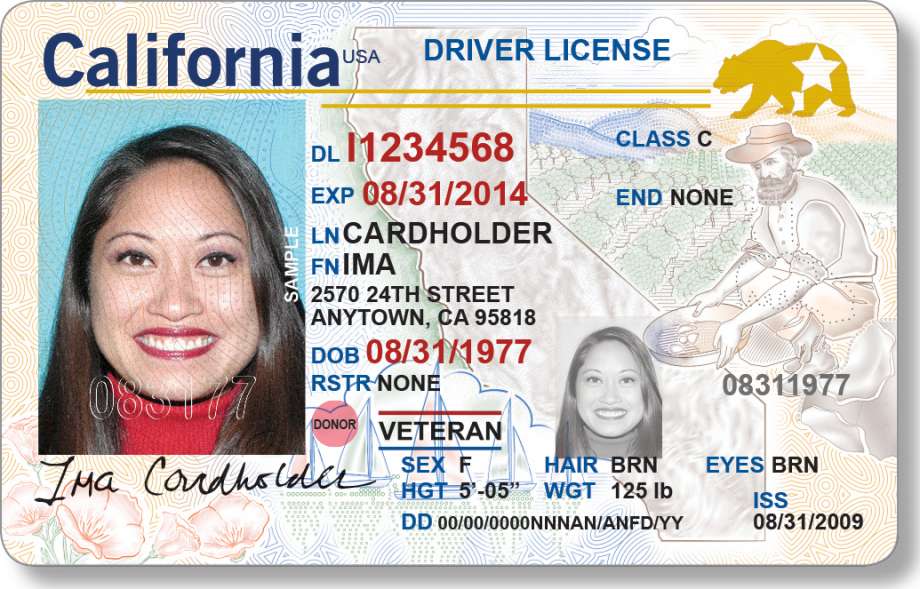
For decades, the ability to drive legally has been tied to an individual’s immigration status and the possession of a Social Security number. This created a significant hurdle for undocumented immigrants who, despite residing and contributing to the California economy, were unable to obtain a license. This lack of legal driving privileges often meant relying on informal transportation, limiting employment opportunities, and creating a sense of vulnerability. The debate surrounding this issue has been passionate, with proponents arguing for public safety and fairness, while opponents raised concerns about national security and the rule of law.
The Road to Legal Driving: California’s Shifting Policies
The landscape for undocumented immigrants seeking driver’s licenses in California underwent a significant transformation with the passage of Assembly Bill 60 (AB 60) in 2013, which went into effect in 2015. This landmark legislation fundamentally changed how the state approached the issuance of driver’s licenses, making them accessible to all eligible residents, regardless of their immigration status. Prior to AB 60, obtaining a driver’s license required proof of legal presence in the United States, which effectively excluded undocumented individuals.
Assembly Bill 60: A Paradigm Shift
AB 60 was driven by several key considerations. Primarily, lawmakers recognized that a substantial number of undocumented immigrants were already driving on California roads. The lack of a legal license meant these drivers were less likely to be insured, posing a greater risk to themselves and other motorists in the event of an accident. The goal was to improve public safety by bringing more drivers into the legal system, ensuring they underwent driving tests, understood traffic laws, and were more likely to be insured.
Furthermore, proponents argued that AB 60 would foster greater economic inclusion. Many jobs in California, particularly in sectors like agriculture, construction, and service industries, require reliable transportation. Without a driver’s license, obtaining and maintaining such employment became a significant challenge for undocumented individuals. The ability to drive legally opened up new employment avenues and allowed for more stable financial contributions to the state.
The passage of AB 60 also aimed to destigmatize and integrate undocumented residents into the community. By providing them with a legal avenue to obtain a driver’s license, the state acknowledged their presence and their need to participate in daily life. This was seen as a step towards building a more inclusive society.
What AB 60 Entails
Under AB 60, individuals who are unable to provide proof of legal presence in the United States can still apply for a California driver’s license. The key difference lies in the documentation required. Instead of presenting federal immigration documents, applicants must provide proof of their identity and California residency. The California Department of Motor Vehicles (DMV) has established a list of acceptable documents to verify identity, which can include foreign passports, birth certificates, or Consular Identification cards. Proof of California residency can be demonstrated through utility bills, rental agreements, or school records.
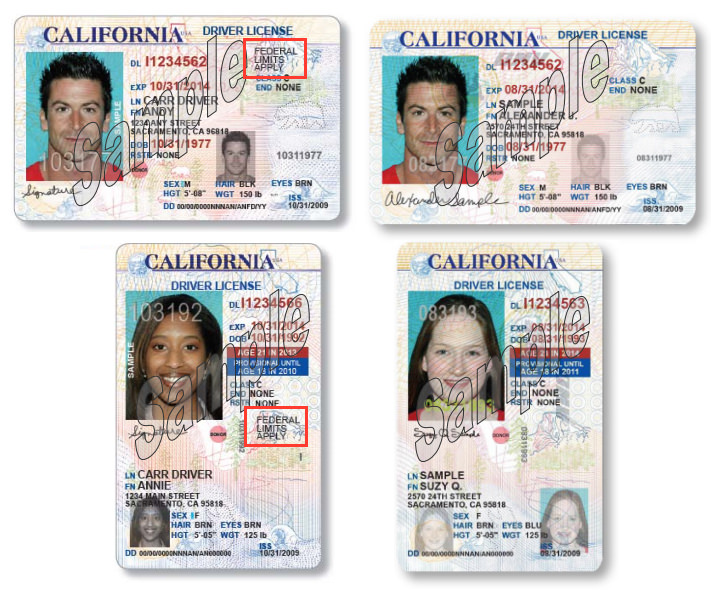
Crucially, AB 60 does not change the federal Real ID Act, nor does it grant any immigration benefits. The driver’s license issued under AB 60 is marked with a distinguishing feature and is not considered a federal identification document for purposes such as boarding airplanes or entering federal buildings. This distinction is important to understand, as the license serves primarily as a permit to drive on California roads and as a form of identification within the state.
The Application Process: What to Expect
For those who qualify under AB 60, the process of obtaining a California driver’s license is largely the same as for any other applicant. The California DMV has streamlined the application and testing procedures to accommodate the new requirements. Understanding the steps involved can help alleviate anxieties and prepare applicants for a successful outcome.

Steps to Obtaining Your License
The journey begins with gathering the necessary documentation. As mentioned, this includes proof of identity and California residency. The DMV website provides a comprehensive list of acceptable documents, and it is advisable to review this list carefully before scheduling an appointment. Applicants will also need to complete a driver’s license application form.
Once the documents are in order, the next step is to schedule an appointment at a California DMV office. Appointments are highly recommended to avoid long wait times. At the DMV, applicants will undergo an eye exam and a knowledge test, which assesses their understanding of traffic laws, road signs, and safe driving practices. The knowledge test is typically offered in multiple languages, reflecting California’s diverse population.
The Driving Test and Beyond
Passing the knowledge test is a prerequisite for proceeding to the behind-the-wheel driving test. This practical exam evaluates the applicant’s ability to operate a vehicle safely and in accordance with traffic regulations. An examiner will assess various skills, including vehicle control, observation, and adherence to traffic signals and signs. It is essential to be well-prepared for this test, perhaps by practicing with a licensed driver or enrolling in a driving school.
Upon successful completion of both the knowledge and driving tests, and after paying the required fees, applicants will be issued a provisional license. This license is typically valid for a period, after which a permanent driver’s license will be mailed to their California address. The issuance of this license signifies that the individual has met the state’s requirements for operating a motor vehicle and can now legally drive on California roads.
Broader Implications and Considerations
The implementation of AB 60 has had far-reaching implications, influencing not only the lives of undocumented immigrants but also public safety, law enforcement, and the economy of California. The policy continues to be a subject of discussion and analysis, with ongoing observations about its effectiveness and impact.
Public Safety and Economic Benefits
One of the most frequently cited benefits of AB 60 is the enhancement of public safety. By bringing more drivers into the legal system, the state has increased the likelihood that drivers are licensed, insured, and knowledgeable about traffic laws. This can lead to fewer unlicensed and uninsured drivers on the road, potentially reducing accidents and fatalities. Furthermore, the ability to drive legally can improve access to employment, healthcare, and education, contributing to the economic well-being of individuals and the state.
Law Enforcement and Community Relations
For law enforcement agencies, AB 60 has provided a clearer framework for interacting with drivers. Instead of focusing on immigration status during traffic stops, officers can concentrate on traffic violations and ensuring road safety. This can foster improved relations between law enforcement and immigrant communities, encouraging greater cooperation and trust.
Ongoing Debates and Future Outlook
Despite the positive impacts, the debate surrounding driver’s licenses for undocumented immigrants continues in various parts of the United States. While California has been at the forefront of this movement, other states have taken different approaches. The long-term effectiveness and broader societal impacts of such policies are subjects of ongoing research and policy discussions. As California continues to evolve, the story of AB 60 serves as a significant example of how state-level legislation can address complex social and legal issues, aiming for a more inclusive and safer society for all its residents.
LifeOutOfTheBox is a participant in the Amazon Services LLC Associates Program, an affiliate advertising program designed to provide a means for sites to earn advertising fees by advertising and linking to Amazon.com. Amazon, the Amazon logo, AmazonSupply, and the AmazonSupply logo are trademarks of Amazon.com, Inc. or its affiliates. As an Amazon Associate we earn affiliate commissions from qualifying purchases.