
Navigating the process of obtaining official identification can often feel like a labyrinth, especially when you’re in a new state. For those looking to establish residency or simply requiring a government-issued ID in the Centennial State, understanding how to get a Colorado ID is a crucial step. Whether you’re a new resident settling into a charming Colorado abode, a student attending a prestigious university like the University of Colorado Boulder, or a visitor planning an extended stay to explore the breathtaking Rocky Mountains, having a valid ID is often a prerequisite for many activities, from booking a stay at a luxury resort like The Broadmoor to participating in local tourism initiatives. This guide aims to demystify the process, providing a comprehensive overview of what you need and where to go.
Understanding the Colorado ID and Its Significance
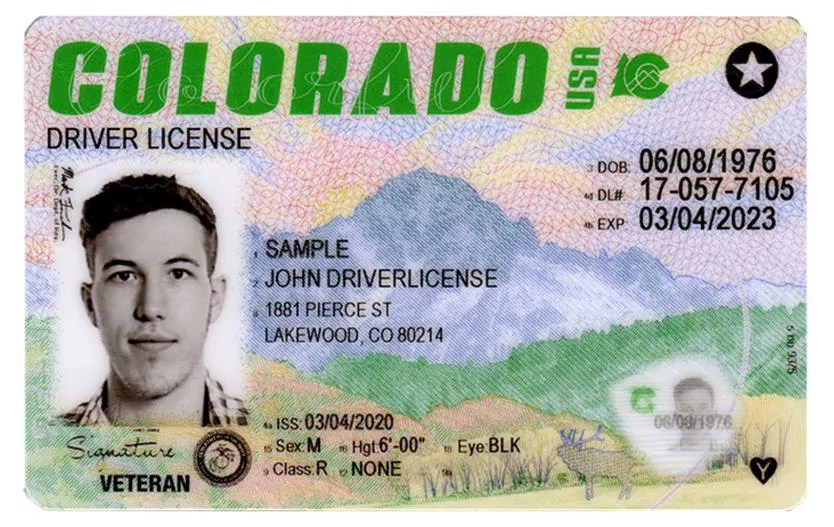
Before diving into the “how-to,” it’s essential to grasp what a Colorado ID is and why it’s important. A Colorado ID card, often referred to as a driver’s license or state identification card, is a primary form of identification issued by the Colorado Division of Motor Vehicles (DMV). It serves as proof of identity, age, and in some cases, residency. This credential is vital for a multitude of everyday activities and official transactions.
For travelers and those new to the state, a Colorado ID can unlock a host of experiences. It’s necessary for renting a car to embark on road trips through scenic byways like the Trail Ridge Road, checking into hotels and resorts across the state, from the historic Stanley Hotel in Estes Park to modern establishments in Denver, and enjoying local attractions. It’s also fundamental for opening bank accounts, applying for jobs, and accessing services. For those interested in Colorado’s rich local culture, attending events, or even enjoying the vibrant culinary scene in cities like Boulder or Colorado Springs, having a recognized ID smooths the process considerably.
The significance extends beyond mere convenience. For Colorado’s burgeoning tourism sector, a reliable identification system ensures safety and facilitates legitimate engagement with the state’s offerings. Whether you’re planning a budget-friendly backpacking adventure in Great Sand Dunes National Park or a luxurious family trip to Aspen, your ID is your passport to fully immersing yourself in the Colorado lifestyle.
Eligibility Requirements: Who Can Get a Colorado ID?
To successfully obtain a Colorado ID, you must meet specific eligibility criteria set by the Colorado Division of Motor Vehicles. These requirements are in place to ensure that identification is issued to legitimate residents and individuals with a valid reason to hold Colorado identification.
Residency Requirements
The most fundamental requirement for obtaining a Colorado ID is proving residency in the state. This means demonstrating that you live in Colorado and intend to make it your primary home. There are several ways to establish residency, and the DMV typically requires at least two forms of documentation.
- Proof of Address: This can include utility bills (electricity, gas, water, internet) in your name, a lease agreement or mortgage statement, a property tax bill, or even official mail from government agencies addressed to your Colorado residence. It’s crucial that these documents display your full name and current Colorado address.
- Other Residency Indicators: While less common as primary proof, other documents like a signed letter from your employer on company letterhead detailing your employment and Colorado address, or enrollment verification from a Colorado educational institution, can sometimes supplement other proofs.
For individuals who are temporarily residing in Colorado for extended periods, such as those on long-term stays in apartments or villas for tourism or business, proving residency might require a bit more careful documentation. For instance, a detailed lease agreement for a vacation rental in Telluride or a confirmation of enrollment in a semester-long program at the University of Denver can be valuable.
Age and Identity Verification
In addition to proving residency, you must also demonstrate your identity and age. This typically involves providing original documents that prove who you are.
- Proof of Identity: Accepted documents usually include a U.S. birth certificate, a U.S. passport, a foreign passport with a valid U.S. visa, or a Permanent Resident Card.
- Proof of Social Security Number (SSN): You will need to provide your Social Security card or a Social Security Administration statement showing your full SSN. If you do not have an SSN, you may need to provide documentation from the Social Security Administration stating you are not eligible.
- Proof of Legal Presence: This is particularly relevant for non-U.S. citizens. Documents like a U.S. birth certificate, a U.S. passport, a Certificate of Naturalization, or a Permanent Resident Card are typically accepted.
It is always advisable to check the official Colorado DMV website for the most up-to-date list of acceptable documents, as requirements can occasionally change. Planning ahead by gathering all necessary paperwork will significantly streamline your application process, ensuring a smoother experience whether you’re just arriving in Colorado Springs or settling into a long-term stay.
The Application Process: Step-by-Step Guide
The process of obtaining a Colorado ID is designed to be straightforward, but it requires careful attention to detail. Following these steps will help ensure a successful application.
Step 1: Gather Your Required Documents
As outlined above, the first and most critical step is to collect all the necessary documentation. This includes proof of identity, proof of your Social Security number, and at least two forms of proof of Colorado residency. Having original documents is essential; photocopies are generally not accepted. It’s a good idea to make copies for your own records before heading to the DMV. For those who are moving from another state, ensure you have your previous driver’s license or state ID if applicable, as this can sometimes simplify the process.
Step 2: Locate Your Nearest Colorado DMV Office
Colorado has numerous DMV (also known as the Colorado Division of Motor Vehicles) offices throughout the state. You can find the office closest to you by visiting the official Colorado DMV website or by using online mapping tools. Some offices may offer appointment scheduling, which can save you considerable waiting time, especially in busier locations like Denver or Fort Collins. It’s advisable to check the operating hours and specific services offered at your chosen office beforehand.
Step 3: Visit the DMV and Complete the Application Form
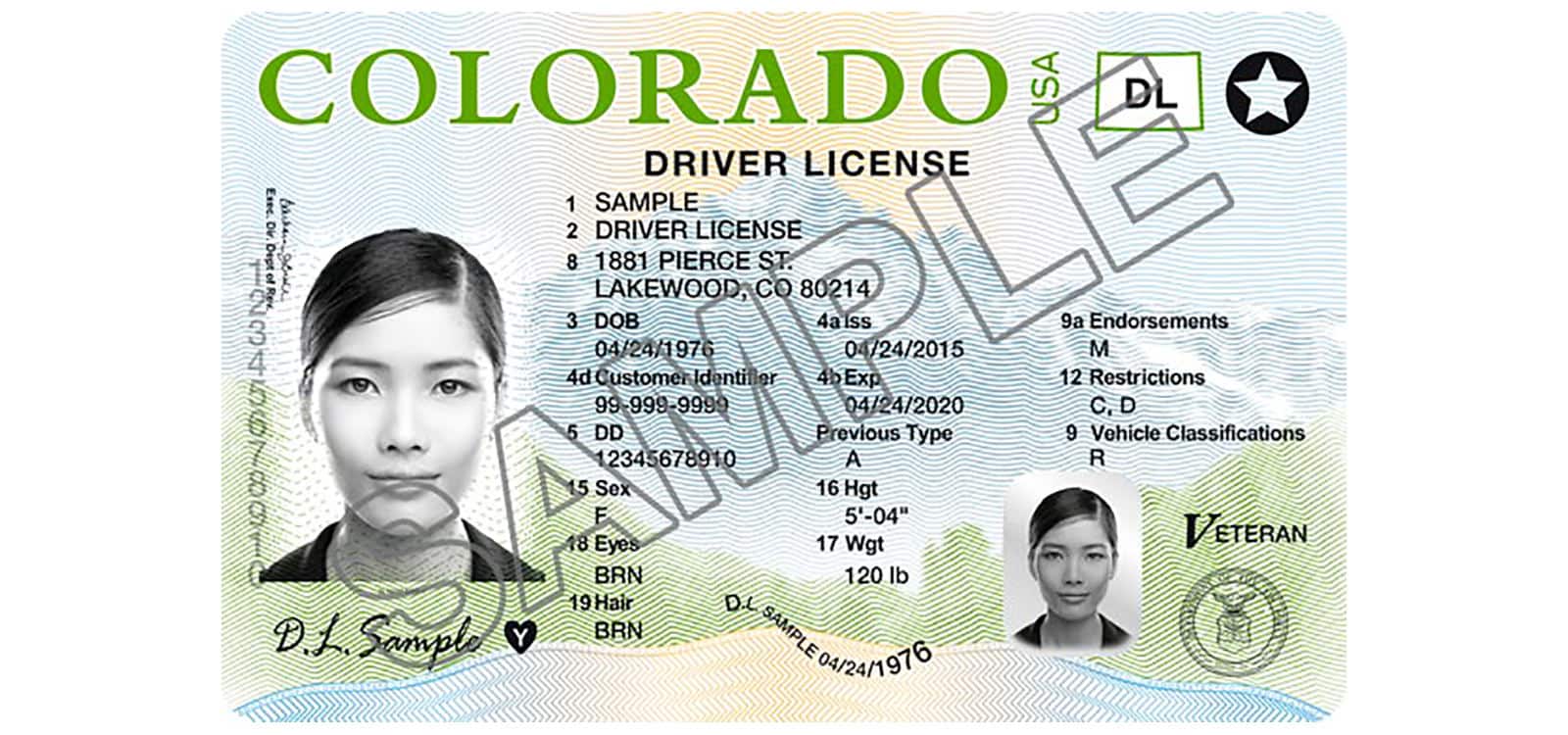
Once you have your documents and know where you’re going, the next step is to visit the DMV office. You will be asked to complete an application form. This form will ask for personal information, including your name, address, date of birth, and other details related to your identity and residency. Be sure to fill out the form accurately and legibly.
Step 4: Pass a Vision Screening (for Driver’s Licenses)
If you are applying for a driver’s license, you will need to pass a vision screening to ensure you meet the minimum vision standards for driving. You do not need to have corrective lenses with you for the screening, but if you require them to drive, you will be required to wear them once you have your license.
Step 5: Have Your Photograph Taken and Provide Signatures
A photograph will be taken of you for your ID card. You will also be asked to provide your signature, which will be electronically captured and printed on your ID.
Step 6: Pay the Required Fees
There is a fee associated with obtaining a Colorado ID. The exact amount can vary, so it’s best to check the Colorado DMV website for current fee structures. Acceptable payment methods typically include cash, check, or major credit/debit cards.
Step 7: Receive Your Temporary ID and Mail-In Permanent ID
After successfully completing the application and payment, you will usually be issued a temporary ID document. This temporary ID is valid for a specific period and can be used as your official identification until your permanent ID card arrives in the mail. Your permanent Colorado ID card will be mailed to the Colorado address you provided on your application and typically arrives within a few weeks.
Special Considerations for Specific Situations
While the general process is consistent, there are a few specific situations that might require additional steps or documentation when applying for a Colorado ID. Understanding these can prevent unexpected delays.
Non-Citizens and Legal Presence
For individuals who are not U.S. citizens, proving legal presence in the United States is a critical component of the application. This goes beyond simply proving residency in Colorado. Accepted documents typically include:
- U.S. Birth Certificate or U.S. Passport: For U.S. citizens by birth.
- Certificate of Naturalization or Certificate of Citizenship: For those who have become U.S. citizens.
- Permanent Resident Card (Green Card): For lawful permanent residents.
- Valid Foreign Passport with a Valid U.S. Visa and I-94 Arrival/Departure Record: For individuals on specific visa types.
- Employment Authorization Document (EAD): For those with temporary work authorization.
It is crucial to bring the original, unexpired documentation that proves your legal status in the U.S. The expiration date of your immigration documents will often determine the expiration date of your Colorado ID.
Minors and Parental Consent
If you are under 18 years of age and applying for a driver’s license or state ID, you will typically need parental consent. The requirements for parental consent can vary, but often a parent or legal guardian must be present at the DMV office with you and provide their own identification. They will likely need to sign an affidavit or consent form as part of your application. Some states also have graduated driver licensing programs for minors, which involve specific requirements and restrictions for young drivers.
Recent Movers and Out-of-State Licenses
If you have recently moved to Colorado from another state and possess a valid driver’s license from that state, you generally do not need to retake the written or driving tests unless your license is expired or suspended. You will, however, need to surrender your out-of-state license to the Colorado DMV when you obtain your new Colorado license. You will still need to provide all the standard documentation to prove identity, SSN, and residency. This simplifies the process for many who are transitioning their lives to the Centennial State.

Lost or Stolen IDs
If your current Colorado ID has been lost or stolen, you can apply for a replacement. The process is similar to applying for a new ID, but you will need to report the loss or theft and provide specific documentation to prove your identity. There is typically a fee for replacement IDs.
By understanding these nuances and preparing thoroughly, obtaining your Colorado ID will be a manageable and stress-free experience, allowing you to fully enjoy all that Colorado has to offer, from its natural wonders to its vibrant cities and unique lifestyle.
LifeOutOfTheBox is a participant in the Amazon Services LLC Associates Program, an affiliate advertising program designed to provide a means for sites to earn advertising fees by advertising and linking to Amazon.com. Amazon, the Amazon logo, AmazonSupply, and the AmazonSupply logo are trademarks of Amazon.com, Inc. or its affiliates. As an Amazon Associate we earn affiliate commissions from qualifying purchases.