
The question of whether a particular state levies an inheritance tax is a significant one for many individuals, particularly those with assets and loved ones residing in that state. When considering financial planning, estate management, or simply understanding the fiscal landscape of a place you call home or have deep ties to, such tax implications are paramount. This is especially true for a state as populous and economically diverse as California. For those who have recently inherited or are planning for the future of their estate in the Golden State, the inquiry into inheritance tax is a natural and important one.
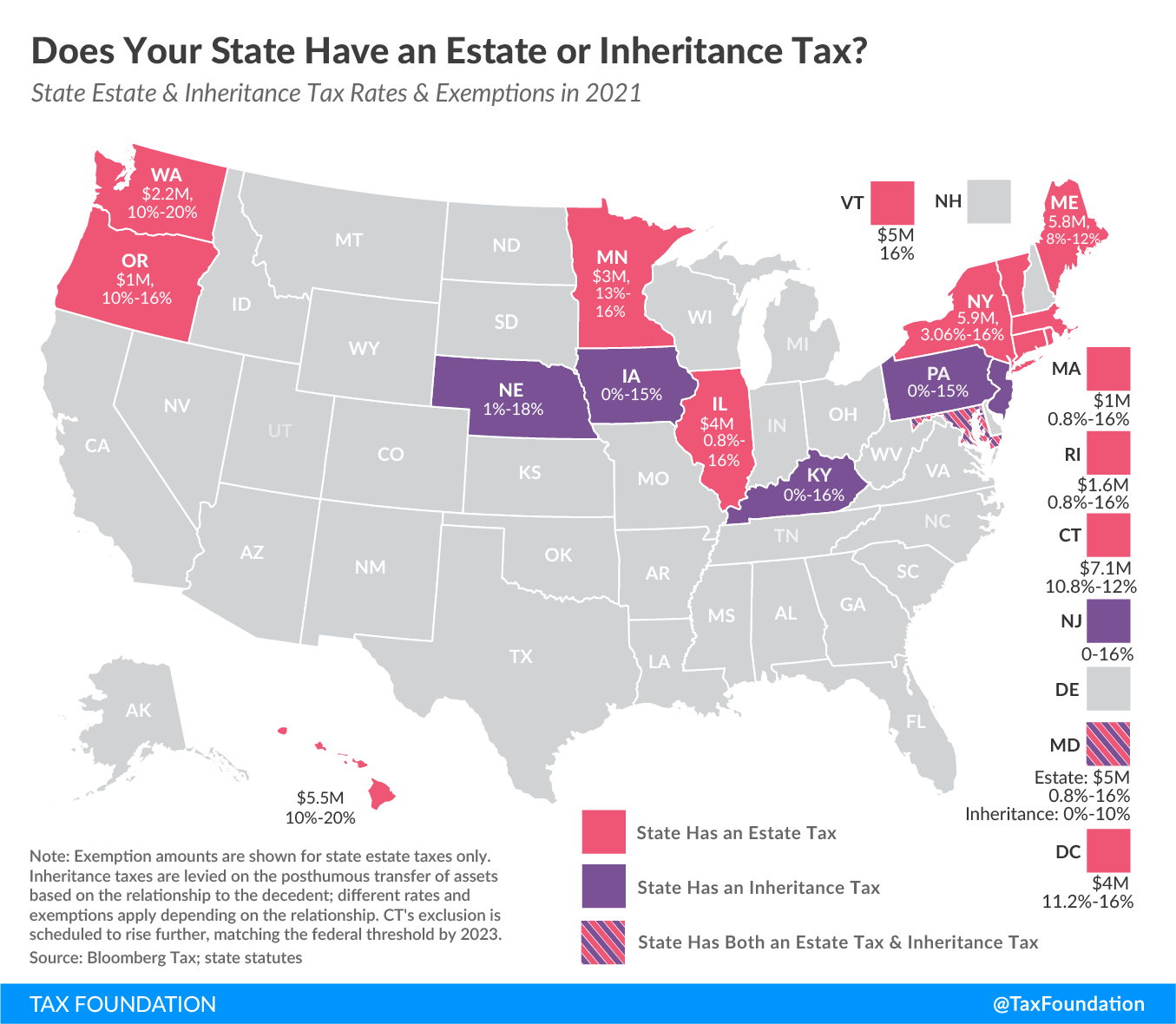
Many people associate inheritance taxes with a broad range of estate-related levies. However, it’s crucial to differentiate between an inheritance tax and an estate tax. An inheritance tax is levied on the beneficiaries who receive assets from an estate, while an estate tax is levied on the total value of the deceased’s estate before it is distributed. The tax rate for an inheritance tax often varies based on the relationship between the deceased and the beneficiary, with closer relatives typically paying lower rates or being exempt altogether.
In the United States, the landscape of inheritance and estate taxation is complex and varies significantly from state to state. While the federal government imposes an estate tax on very large estates, only a handful of states have their own estate or inheritance taxes. This makes understanding the specific laws of each state a necessity for effective estate planning. For residents of or those with assets in California, the specific regulations regarding the transfer of wealth after death are of great interest.
Understanding California’s Tax Framework
When delving into the financial intricacies of California, particularly concerning matters of inheritance, it’s important to have a clear understanding of the state’s taxation policies. This involves discerning between different types of taxes that might be applied to the transfer of assets upon death. The primary concern for many is whether an inheritance tax exists, and how it might affect the beneficiaries.
The Absence of a Direct Inheritance Tax in California
To address the core question directly: No, California does not have an inheritance tax. This is a significant point of clarity for many. An inheritance tax is a tax imposed by a state on the value of assets inherited by specific beneficiaries. In states that have inheritance taxes, the rate often depends on the degree of relationship between the deceased and the beneficiary. For instance, a spouse or child might be exempt or taxed at a very low rate, while more distant relatives or unrelated individuals could face higher tax burdens.
However, California is one of the states that has chosen not to implement this type of tax on its residents. This means that beneficiaries in California generally do not have to pay a state-level tax on the assets they receive from a deceased individual, regardless of their relationship to the deceased. This can be a considerable relief for families and individuals navigating the often emotional and complex process of settling an estate.
Distinguishing Inheritance Tax from Estate Tax
It is crucial to understand that the absence of an inheritance tax in California does not mean there are no taxes whatsoever that can be associated with estates. The state has, in the past, had an estate tax, but this was repealed. However, it is vital to distinguish this from other potential tax liabilities.
- Inheritance Tax: As mentioned, this tax is paid by the beneficiaries upon receiving assets. California does not have this.
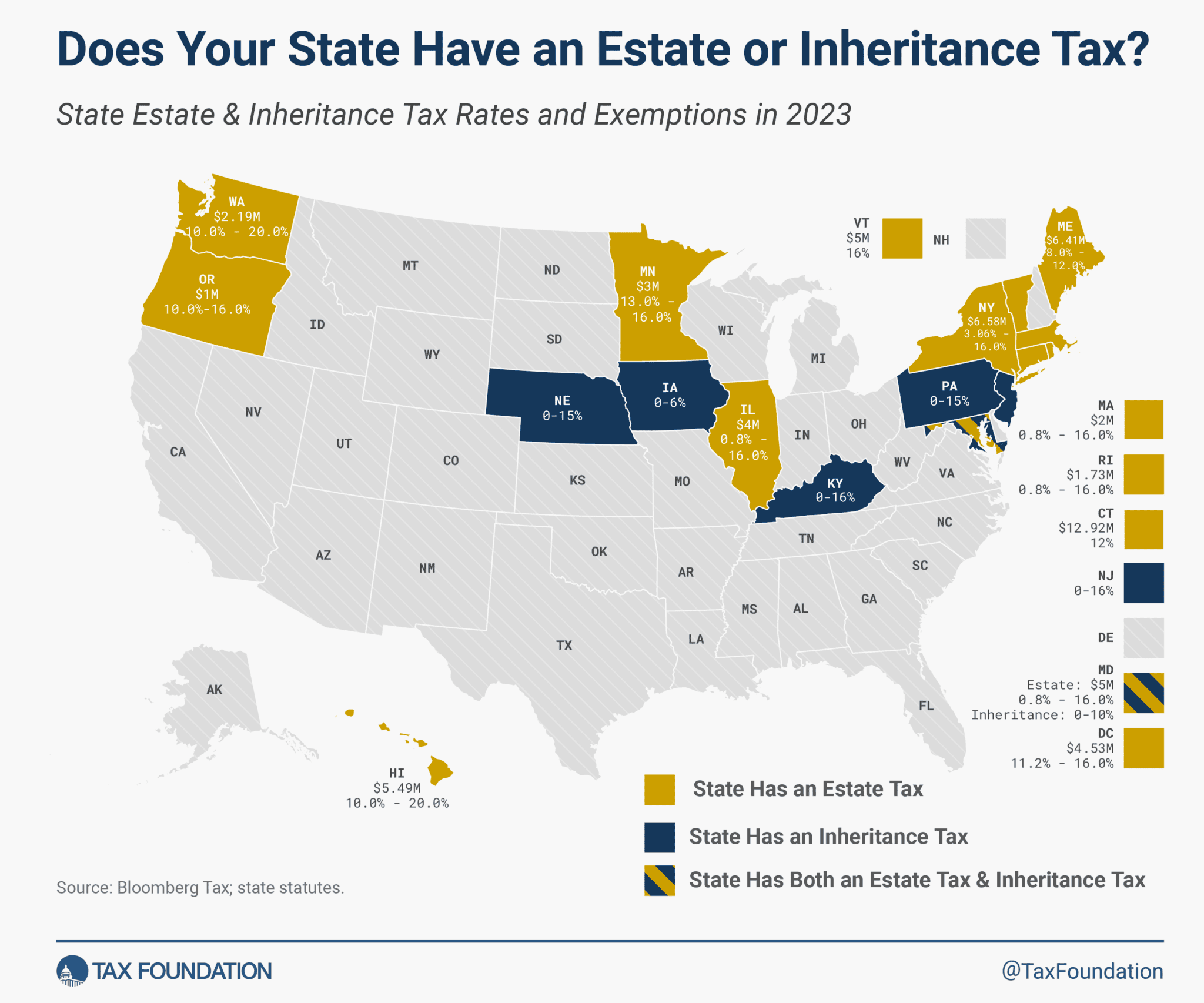
- Estate Tax: This tax is paid by the estate itself, based on its total value. While the federal government has an estate tax, California has not had a state estate tax since 2004. This means that for estates solely subject to state law, there is no state-level estate tax to contend with.
The federal estate tax, however, is a different matter. It applies only to very large estates, with a significant exemption amount. For 2023, the federal estate tax exemption was $12.92 million per individual. For 2024, this exemption increased to $13.61 million per individual. Only estates exceeding these substantial thresholds are subject to federal estate tax. For the vast majority of individuals, their estates will not reach this level, and therefore, federal estate tax will not be a concern.
Other Potential Tax Considerations
While California does not impose an inheritance tax, there are other financial considerations that can arise during the estate settlement process. These are not direct taxes on the inheritance itself but rather taxes that might be applicable to the assets or income generated.
- Income Tax: If inherited assets generate income after the death of the original owner, that income may be subject to state and federal income tax. For example, if someone inherits a rental property and receives rental income, that income would be taxable. Similarly, dividends from inherited stocks or interest from inherited bonds would be taxable as income.
- Capital Gains Tax: If beneficiaries later sell inherited assets, such as real estate or stocks, and those assets have appreciated in value since the date of the deceased’s death, they may be subject to capital gains tax. The tax basis for inherited assets is generally “stepped-up” to the fair market value at the time of the decedent’s death, which can sometimes reduce the capital gains liability compared to if the asset had been gifted during the owner’s lifetime.
- Property Tax: Real estate is subject to property taxes, which are levied annually by local governments in California. When property is inherited, the new owner becomes responsible for these ongoing taxes. While Proposition 13 provides certain protections regarding property tax assessments, there can be reassessments under specific circumstances, such as a change in ownership.
- California Proposition 19: This proposition, which went into effect in 2021, introduced changes to property tax rules for inherited properties. While it aimed to allow parents to transfer their primary residences and a certain value of other properties to their children without reassessment, the rules are complex and depend on various factors, including whether the property is the child’s principal residence and the value of the transferred property. It’s essential to consult with a tax professional or attorney to understand the implications of Proposition 19 on inherited real estate.
Estate Planning and Financial Preparedness in California

Given the absence of a state inheritance tax in California, many individuals may feel less immediate pressure regarding this specific aspect of estate planning. However, effective estate planning remains crucial for ensuring assets are distributed according to one’s wishes and to minimize potential tax liabilities, even if those liabilities are related to federal estate tax or ongoing income and property taxes.
The Importance of Wills and Trusts
A well-drafted will is the cornerstone of any estate plan. It clearly outlines how a person wishes their assets to be distributed after their death, names an executor to manage the estate, and can designate guardians for minor children. Without a will, the distribution of assets in California would be governed by state intestacy laws, which may not align with the deceased’s personal preferences.
Trusts, such as revocable living trusts, are another powerful estate planning tool. They can be used to transfer assets outside of the probate process, which can be time-consuming and costly. Assets held in a trust are generally not subject to public scrutiny during probate, and their distribution can be managed according to the terms set forth by the trust creator. While not directly related to inheritance tax, trusts can simplify the transfer of wealth and offer a degree of control over how and when beneficiaries receive their inheritance. For individuals planning extensive travels, perhaps considering a long-term stay in a beautiful villa in Italy or exploring the vibrant culture of Mexico, establishing a robust estate plan provides peace of mind.
Navigating the Probate Process
When an estate must go through probate in California, it is the legal process through which a will is validated and the deceased’s assets are distributed. For smaller estates, simplified procedures may be available, but for larger or more complex estates, the full probate process can take many months, or even years. During probate, the court oversees the payment of debts, taxes, and the distribution of remaining assets to beneficiaries. As there is no California inheritance tax, this particular type of tax does not add to the complexities of the probate process. However, other taxes, such as income tax on estate earnings or potential capital gains tax upon the sale of assets by the estate, may need to be addressed.
Seeking Professional Guidance
Given the nuances of estate law and taxation, even without an inheritance tax, seeking professional guidance is highly recommended. Estate planning attorneys can help individuals draft wills, establish trusts, and navigate the complexities of asset distribution. Tax advisors and certified public accountants (CPAs) are invaluable in understanding potential income tax, capital gains tax, and federal estate tax implications. They can also advise on strategies to minimize tax liabilities within the bounds of the law. For those who enjoy the finer aspects of lifestyle, whether it’s a luxury travel experience or the acquisition of high-value assets, professional advice ensures these are managed effectively for the future.
Planning for the Future: Beyond Inheritance Tax
The absence of an inheritance tax in California is a clear and welcome piece of information for many. However, it should not be the sole determinant of one’s estate planning efforts. The broader landscape of financial management, asset protection, and legacy planning is rich with considerations that extend far beyond a single tax type.
Federal Estate Tax and Wealth Transfer
While California has no state estate tax, the federal estate tax remains a significant consideration for individuals with substantial net worth. As mentioned, the exemption amounts are quite high, meaning only a small percentage of the wealthiest Americans are directly affected. Nevertheless, for those approaching or exceeding these thresholds, strategic planning is essential. This can involve gifting assets during one’s lifetime, establishing irrevocable trusts, purchasing life insurance policies, or utilizing other sophisticated tax-saving techniques. Understanding these federal regulations is paramount for high-net-worth individuals who might own multiple properties, perhaps a beachfront villa in Malibu and a charming cottage in the Lake Tahoe region, or have significant investments.
The Role of Beneficiary Designations
Many financial accounts and assets pass directly to designated beneficiaries outside of the will and probate process. This includes life insurance policies, retirement accounts (like 401(k)s and IRAs), and payable-on-death (POD) or transfer-on-death (TOD) accounts. It is crucial to regularly review and update these beneficiary designations. Incorrect or outdated designations can lead to assets passing to unintended recipients or even becoming tied up in legal disputes. Ensuring these are current is a simple yet powerful step in estate management, regardless of where one plans to travel, be it a guided tour of Yosemite National Park or a relaxing resort stay in San Diego.
Long-Term Financial Goals and Lifestyle Choices
The way individuals manage their finances throughout their lives significantly impacts their estate. For those who prioritize certain lifestyle choices, such as frequent travel, owning multiple vacation homes, or investing in luxury goods, understanding the long-term financial implications is key. This includes considering how these assets will be managed and potentially transferred to heirs. For instance, a passion for exploring historical landmarks like the Golden Gate Bridge or experiencing local culture through food tours in San Francisco might involve accumulating significant travel expenses or acquiring unique collections. Estate planning ensures these passions are either enjoyed fully without undue future burden or passed on thoughtfully.
In conclusion, while California does not impose an inheritance tax, a comprehensive understanding of estate planning, potential federal taxes, and beneficiary designations is essential for anyone with assets in the state. This proactive approach ensures that an individual’s legacy is preserved and distributed according to their wishes, providing security and clarity for their loved ones.
LifeOutOfTheBox is a participant in the Amazon Services LLC Associates Program, an affiliate advertising program designed to provide a means for sites to earn advertising fees by advertising and linking to Amazon.com. Amazon, the Amazon logo, AmazonSupply, and the AmazonSupply logo are trademarks of Amazon.com, Inc. or its affiliates. As an Amazon Associate we earn affiliate commissions from qualifying purchases.