
While the allure of exploring breathtaking destinations, indulging in luxurious accommodations, and immersing oneself in vibrant local cultures is a significant part of life out of the box, for some, the ultimate aspiration involves building a career rooted in the very fabric of these exciting locales: real estate. This guide pivots from the typical travel narratives to address a specific professional journey within the Golden State, delving into the requirements and steps necessary to become a licensed real estate broker in California.
The California real estate market is dynamic and offers considerable opportunities for those with the drive and dedication to navigate its complexities. Unlike salespersons, who operate under the supervision of a broker, a broker holds a higher level of responsibility and can operate independently, own their own brokerage, and employ salespersons. This distinction is crucial for anyone looking to establish a significant presence in the industry. The path to becoming a broker involves a structured progression, beginning with obtaining a salesperson license and gaining substantial experience.
The Foundation: Becoming a Real Estate Salesperson in California
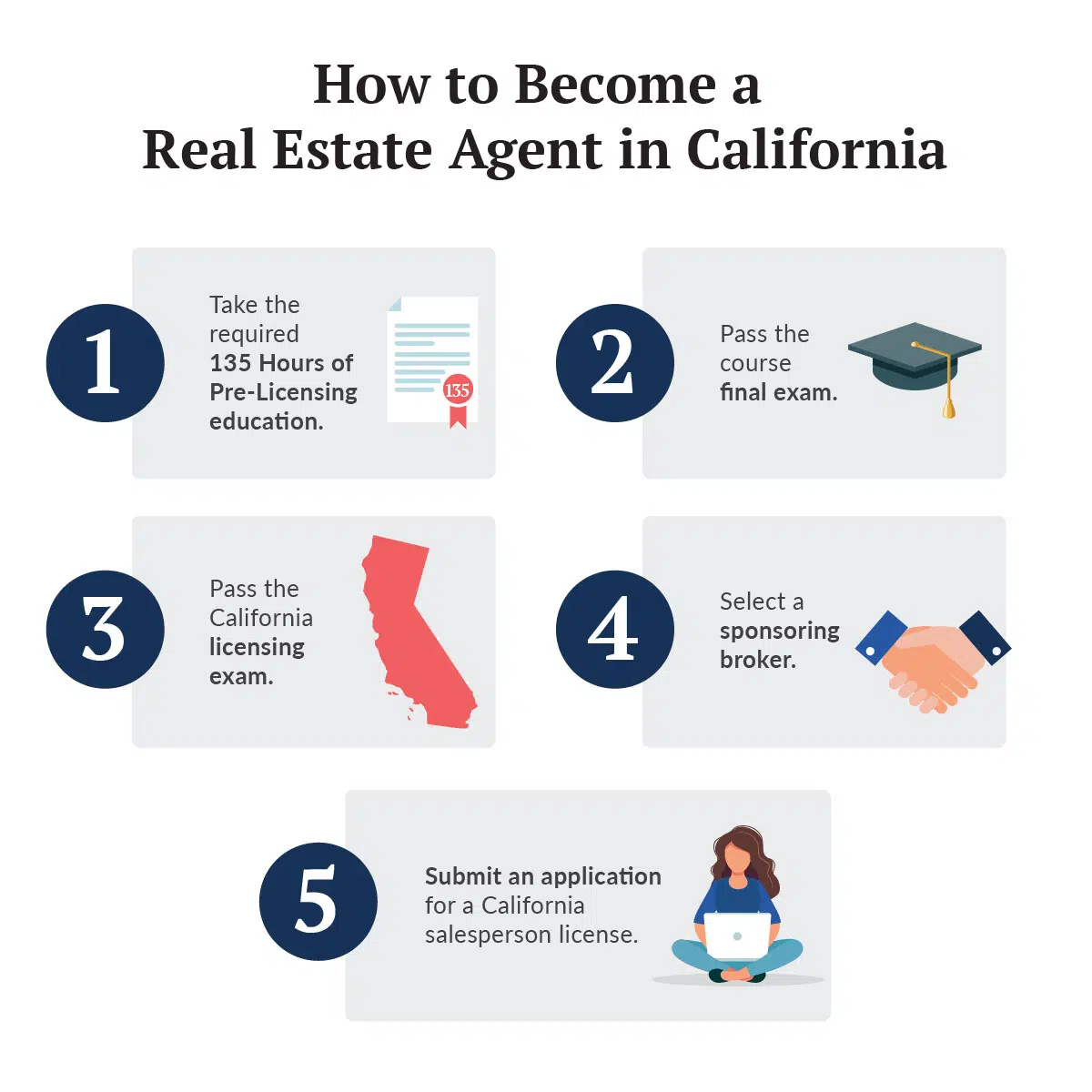
Before one can even dream of becoming a broker, the foundational step is to become a licensed real estate salesperson in California. This involves meeting specific educational prerequisites, passing a state examination, and adhering to ethical standards.
Educational Requirements for Salesperson Licensure
The California Department of Real Estate (DRE) mandates that aspiring real estate salespersons complete a minimum of three college-level courses. These courses are designed to provide a solid understanding of real estate principles, law, and ethics. The required courses are:
- Real Estate Principles: This course covers fundamental concepts such as property ownership, contract law, agency, land descriptions, financing, appraisal, and market analysis. It lays the groundwork for understanding the core mechanics of real estate transactions.
- Real Estate Practice: This course focuses on the practical aspects of the real estate business. It delves into topics like listing agreements, buyer representation, advertising, disclosures, escrow, and property management. It’s about translating theoretical knowledge into actionable skills.
- One Elective Course: In addition to the two core courses, applicants must complete one elective from a list of approved subjects. These electives offer the chance to specialize or deepen knowledge in areas such as real estate finance, legal aspects of real estate, real estate appraisal, property management, real estate economics, or real estate office administration.
These courses must be taken from an accredited college or university, or through a private real estate school approved by the California DRE. It’s essential to verify the accreditation of any institution before enrolling to ensure the coursework will be accepted. The DRE provides a list of approved real estate schools on its official website, which is a valuable resource for prospective licensees.
Passing the Salesperson Examination
Once the educational requirements are met, the next hurdle is passing the California real estate salesperson examination. This is a comprehensive test that assesses the applicant’s knowledge of real estate principles, practices, law, and ethics as regulated by the state. The exam is typically administered at DRE examination centers located throughout California, including cities like Sacramento, Los Angeles, and San Diego.
The examination is usually a multiple-choice test, and applicants must achieve a passing score, which is determined by the DRE. Preparation is key, and many aspiring salespersons utilize study guides, practice exams, and review courses to ensure they are well-prepared. Understanding the format of the exam and the types of questions asked can significantly increase the chances of success.
Submitting an Application and Background Check
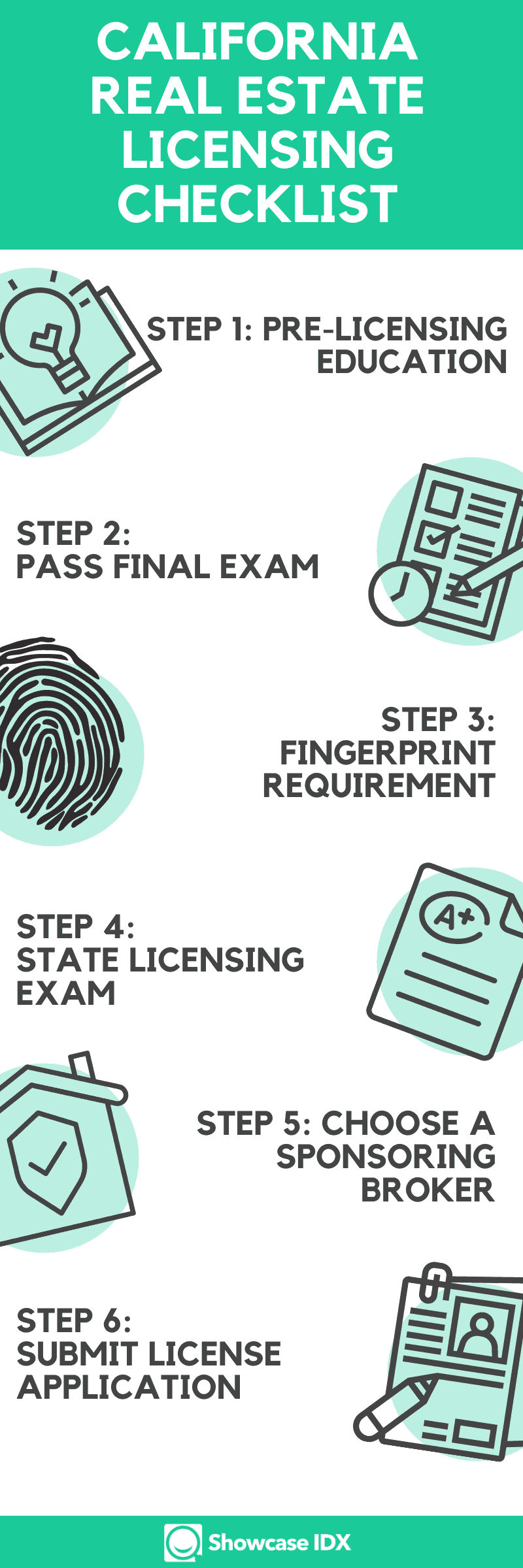
After successfully passing the exam, applicants must submit a formal application for a real estate salesperson license to the DRE. This application requires personal information, details about completed education, and the examination results. A background check, including fingerprinting, is also a mandatory part of the process. The DRE reviews all applications and background information to ensure that applicants meet the character and fitness requirements to be licensed. Honesty and full disclosure on the application are paramount, as any misrepresentation can lead to disqualification.
The Path to Brokerage: Experience and Further Education
Becoming a real estate broker in California is not an immediate leap from salesperson licensure. It requires a significant investment of time and experience in the field, along with further educational qualifications. The DRE has specific requirements designed to ensure that brokers possess a deep understanding and practical experience in the industry.
Accumulating Required Experience
The most critical requirement for broker licensure is to have actively engaged in licensed real estate activity for a minimum of two years within the last five years preceding the application date. This experience must have been gained while holding a valid California real estate salesperson license. The DRE scrutinizes this experience to ensure it involved substantial and varied real estate activities.
Examples of qualifying experience include:
- Performing licensed activities as a salesperson working under a broker. This could involve assisting clients in buying, selling, or leasing properties.
- Engaging in property management duties under the supervision of a broker.
- Participating in real estate loan origination or brokerage.
- Acting as an appraiser or performing appraisal work.
The applicant must be able to demonstrate the nature and extent of their experience, often through employment verification from supervising brokers. The DRE may require detailed documentation to substantiate the claimed experience. This period of working as a salesperson is invaluable, allowing individuals to hone their skills, build a network, and gain practical insights into the market, client relations, and transaction management. It’s during this time that many prospective brokers develop their specialization, whether it’s in residential sales, commercial leasing, or investment properties.
Advanced Educational Requirements for Broker Licensure
In addition to practical experience, aspiring brokers must complete further education beyond the salesperson licensing requirements. The DRE mandates the completion of specific advanced courses. These courses are designed to provide a more in-depth understanding of brokerage management, ethics, and advanced legal concepts pertinent to operating a real estate business.
The required courses for broker licensure typically include:
- Real Estate Broker Principles: This course builds upon the foundational principles covered in the salesperson course, delving into more complex aspects of brokerage operations, such as office management, advertising regulations, trust fund handling, and legal liabilities of brokers.
- Real Estate Appraisal: A thorough understanding of property valuation is crucial for brokers. This course covers various appraisal methods, factors influencing property value, and the preparation of appraisal reports.
- Real Estate Law: This course focuses on the legal framework governing real estate transactions in California, including land use law, landlord-tenant law, contract disputes, and environmental regulations. It emphasizes the legal responsibilities and obligations of a broker.
- One Elective Course: Similar to the salesperson requirements, one additional elective course is required from a list of approved advanced subjects. These could include real estate finance, advanced negotiation, or real estate investment analysis, allowing for further specialization.
These advanced courses must also be completed through DRE-approved institutions. Successfully completing these courses demonstrates a higher level of knowledge and preparedness for the responsibilities associated with being a licensed broker.
The Broker Examination and Licensing Process
With the required experience and advanced education in hand, the final stages involve passing the broker examination and completing the licensing process. This is the culmination of years of preparation and dedication.
Passing the Broker Examination
The California real estate broker examination is considerably more challenging than the salesperson exam. It covers a wider range of topics at a more advanced level, including brokerage management, legal responsibilities, escrow procedures, financing, and ethics. The exam tests not only knowledge but also the ability to apply that knowledge in complex scenarios typical of a brokerage environment.
Similar to the salesperson exam, it is administered at DRE examination centers. Candidates are expected to score a predetermined passing grade. Effective preparation often involves dedicated study, practice exams, and potentially attending intensive review courses specifically designed for the broker exam. The comprehensive nature of the broker exam underscores the DRE’s commitment to ensuring that licensed brokers are highly competent and ethical professionals.

Application and Final Approval
Upon passing the broker examination, applicants must submit a comprehensive application for a broker license. This application will include proof of the required experience, completion of all educational requirements, and the passing exam score. Like the salesperson application, it will also require a background check and fingerprint submission.
The DRE will meticulously review the entire application package. If all requirements are met, and the applicant is deemed to be of good character, the DRE will issue the California real estate broker license. This license authorizes the individual to operate independently, establish their own brokerage firm, and employ other licensed real estate salespersons.
Becoming a real estate broker in California is a rigorous but rewarding endeavor. It requires a commitment to education, a dedication to gaining practical experience, and the ability to pass demanding examinations. For those who aspire to lead in the real estate industry, this structured pathway ensures they possess the knowledge, skills, and integrity to serve clients and contribute to the vibrant California real estate market, much like navigating a complex travel itinerary to reach a coveted destination.
LifeOutOfTheBox is a participant in the Amazon Services LLC Associates Program, an affiliate advertising program designed to provide a means for sites to earn advertising fees by advertising and linking to Amazon.com. Amazon, the Amazon logo, AmazonSupply, and the AmazonSupply logo are trademarks of Amazon.com, Inc. or its affiliates. As an Amazon Associate we earn affiliate commissions from qualifying purchases.