
The allure of sun-drenched vineyards, world-class wines, and gourmet dining often beckons visitors from the bustling streets of San Francisco to the serene landscapes of Napa Valley. This iconic journey is a rite of passage for many seeking a quintessential California experience, blending urban sophistication with bucolic charm. But for those planning their escape, a fundamental question often arises: exactly how far is Napa Valley from San Francisco, and what does the trip entail?
In essence, Napa Valley is comfortably within reach of San Francisco, making it an ideal destination for a day trip, a weekend getaway, or an extended luxury retreat. The distance typically ranges from 50 to 70 miles, depending on your specific starting point in San Francisco and your chosen destination within the sprawling Napa Valley region. Travel time usually falls between 1.5 to 2 hours under normal traffic conditions, though peak travel times or unexpected road delays can extend this. This article will guide you through the various aspects of this popular journey, from transportation logistics and the captivating experiences awaiting you in the valley, to accommodation options and essential travel tips, ensuring your trip is as smooth and enjoyable as the finest Napa Cabernet Sauvignon.

Navigating Your Journey from San Francisco to Napa Valley
Understanding the travel options and potential challenges is key to a stress-free trip. The relatively short distance makes Napa Valley highly accessible, but choosing the right mode of transport can significantly enhance your experience, especially when considering the region’s primary draw: wine tasting.
Primary Transportation Options
There are several ways to bridge the gap between San Francisco and Napa Valley, each offering distinct advantages.
Driving Yourself
For many, driving is the preferred method due to its unparalleled flexibility. It allows you to explore at your own pace, stop at scenic viewpoints, and visit off-the-beaten-path wineries or attractions. The most common route involves crossing the iconic Golden Gate Bridge (or the Bay Bridge, depending on your starting point), then taking Highway 101 north before transitioning onto Highway 37 and finally Highway 29 or the Silverado Trail, which both run the length of the valley, passing through charming towns like Napa, Yountville, St. Helena, and Calistoga.
While driving offers freedom, it comes with considerations. Traffic can be heavy, particularly during weekday rush hours or on weekend afternoons heading back to San Francisco. More importantly, if you plan on indulging in wine tastings, a designated driver is essential. Alternatively, many visitors opt to hire a car with a driver or utilize ride-sharing services for portions of their day in the valley to avoid driving after consuming alcohol. Car rental services are readily available throughout San Francisco, offering a range of vehicles to suit different budgets and group sizes.
Guided Tours and Shuttles
For those who prefer a hands-off approach, numerous guided tours and shuttle services operate daily from San Francisco to Napa Valley. These options eliminate the need for navigation, parking, and finding a designated driver. Tours vary widely, from luxurious small-group experiences with curated itineraries and gourmet lunches to larger bus tours offering a more budget-friendly introduction to the region. Many tours include visits to 2-4 wineries, often with pre-arranged tastings and insightful commentary from local guides who can share fascinating details about the region’s history and winemaking process. This is an excellent choice for first-time visitors or those looking to simply relax and soak in the scenery.
Public Transportation
While not as direct or convenient as driving or taking a tour, public transportation is an option for the budget-conscious traveler, though it requires more time and transfers. The journey typically involves taking the BART train from San Francisco to the Vallejo ferry terminal, followed by a bus connection to Napa. From Napa, local buses or ride-sharing services would be needed to reach specific wineries or towns further north in the valley. This method is best suited for those not on a tight schedule and who prioritize cost savings over speed and comfort.
Ride-Sharing and Private Car Services
For a more personalized and flexible experience than a guided tour but without the self-driving responsibility, ride-sharing apps like Uber or Lyft (especially Uber Black or Lyft Lux for comfort) or dedicated private car services can transport you directly from your accommodation in San Francisco to your desired spots in Napa Valley. While more expensive, this option provides door-to-door convenience and allows for a custom itinerary without the need for a designated driver. It’s particularly popular for special occasions or groups seeking a premium experience.
Unforgettable Experiences in Napa Valley: Beyond the Vineyards
Napa Valley is renowned globally for its exceptional wines, but its appeal extends far beyond the grape. The region offers a rich tapestry of experiences that cater to diverse interests, from gourmet food and charming towns to outdoor adventures and luxurious relaxation.
World-Class Wineries and Tasting Experiences
Naturally, wine tasting is the cornerstone of any Napa Valley visit. The valley boasts over 400 wineries, ranging from intimate family-run operations producing small-batch wines to grand estates with sprawling vineyards and elaborate tasting rooms. Many offer a variety of experiences, including guided tours of their cellars, food and wine pairings, barrel tastings, and even blending seminars where you can create your own custom bottle.
Iconic names like Castello di Amorosa, a magnificent 13th-century Tuscan-style castle winery, Beringer Vineyards, Napa Valley’s oldest continuously operating winery, and Robert Mondavi Winery, famous for pioneering the region’s reputation, are popular choices. However, don’t shy away from exploring smaller, boutique wineries that often offer a more personalized and intimate tasting experience. Reservations are highly recommended, especially for popular wineries and during peak season, to ensure your spot and avoid disappointment. Many wineries require appointments for tastings and tours, so planning ahead is crucial.
Culinary Delights and Gourmet Dining
Napa Valley is not just a wine lover’s paradise; it’s also a world-class culinary destination. The region is home to an astonishing concentration of Michelin-starred restaurants, including the legendary The French Laundry in Yountville, a global benchmark for fine dining. Beyond these haute cuisine temples, you’ll find an incredible array of farm-to-table restaurants, bustling bistros, and casual eateries that celebrate the bounty of local produce.
The farm-to-table philosophy is deeply ingrained here, with chefs often sourcing ingredients directly from nearby farms. Exploring the Oxbow Public Market in Napa is a must, offering a vibrant collection of local food vendors, artisanal shops, and casual dining spots. From gourmet cheeses and olive oils to freshly baked goods and craft beers, it’s a feast for the senses and a testament to Napa’s diverse gastronomic scene. Consider a cooking class or a guided food tour to fully immerse yourself in the local flavors.
Exploring Napa Valley’s Charm and Scenic Beauty
Beyond the grapes and gastronomy, Napa Valley offers a plethora of activities that highlight its natural beauty and cultural charm.
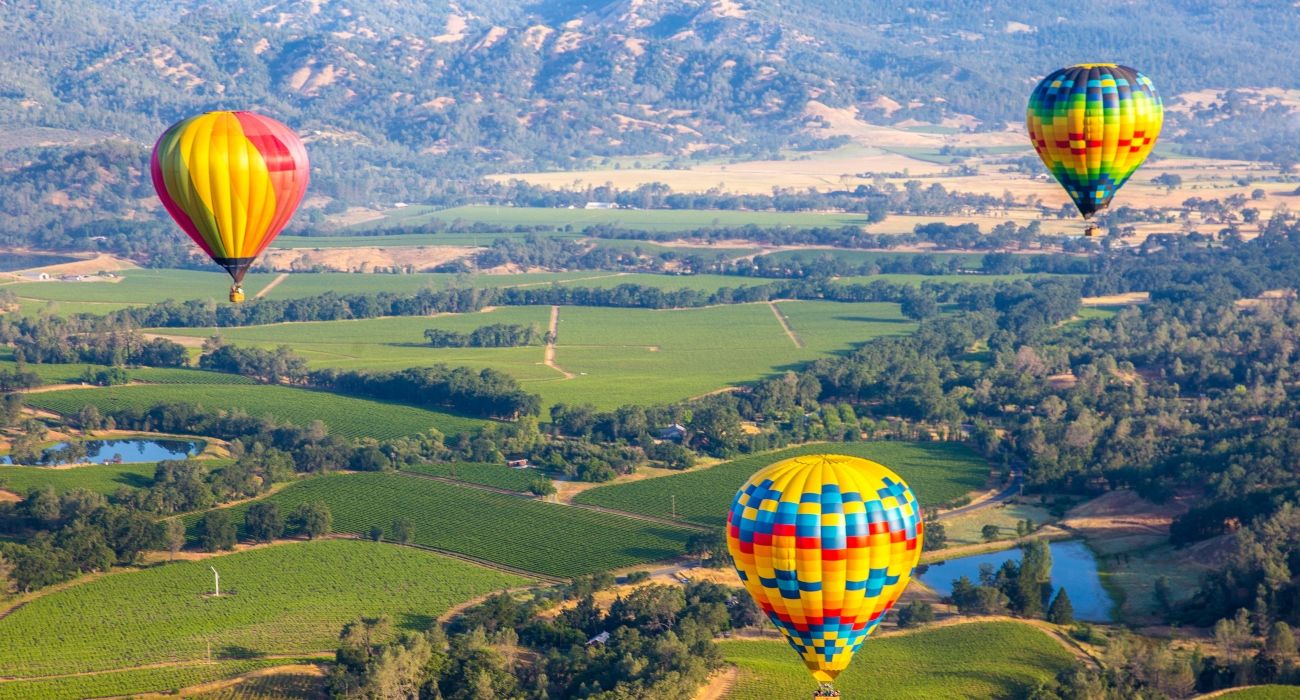
For a truly unforgettable perspective, consider a hot air balloon ride at sunrise. Drifting peacefully above the rolling vineyards as the valley awakens is an awe-inspiring experience that provides unparalleled panoramic views. Another iconic way to see the valley is aboard the Napa Valley Wine Train, which offers gourmet meals in restored vintage Pullman cars while winding through picturesque towns and vineyards.
Outdoor enthusiasts can explore numerous hiking and biking trails, such as those in Bothe-Napa Valley State Park, offering a different way to appreciate the stunning landscape. The charming towns themselves, like Yountville, St. Helena, and Calistoga, are perfect for leisurely strolls, boutique shopping, and discovering local art galleries. For relaxation, the town of Calistoga is famous for its natural hot springs, mud baths, and luxury spa resorts, offering rejuvenating experiences.
Where to Stay: Accommodation Options in Napa Valley
To truly savor the Napa Valley experience, staying overnight is highly recommended. The region offers a diverse range of accommodations, catering to every style of travel, from opulent luxury to cozy, budget-friendly options.
Luxury Resorts and Boutique Hotels
Napa Valley is synonymous with luxury, and its high-end resorts and boutique hotels exemplify this. These establishments often boast world-class amenities such as award-winning spas, Michelin-starred restaurants, infinity pools overlooking vineyards, and impeccable service. They are perfect for those seeking an indulgent escape, a romantic getaway, or a memorable business stay.
Prestigious options include Meadowood Napa Valley, renowned for its serene setting, golf course, and acclaimed dining, and Auberge du Soleil in Rutherford, offering Mediterranean-inspired elegance and breathtaking views. In Yountville, the Bardessono Hotel and Spa stands out for its commitment to eco-luxury and sophisticated design. These resorts provide an immersive experience, allowing guests to relax in opulent comfort after a day of wine tasting and exploration.
Charming B&Bs and Mid-Range Stays
For a more intimate and often personalized experience, Napa Valley abounds with charming bed and breakfasts and mid-range hotels. These accommodations often reflect the local character, offering cozy rooms, delicious homemade breakfasts, and often direct interaction with innkeepers who can provide local insights and recommendations. They are ideal for couples, solo travelers, or those looking for a warm, homely atmosphere.
Examples include the Inn on Randolph in Napa, a historic property beautifully restored, and the Napa River Inn, situated in the historic Napa Mill with easy access to downtown attractions. These options strike a wonderful balance between comfort, character, and cost, providing excellent value without compromising on the authentic Napa Valley experience.
Vacation Rentals and Budget-Friendly Options
Travelers planning longer stays, group trips, or those on a tighter budget can explore vacation rentals through platforms like Airbnb or VRBO. These options range from private rooms in homes to entire houses or villas, offering amenities like full kitchens, multiple bedrooms, and private outdoor spaces – perfect for families or groups who wish to prepare some of their own meals or simply enjoy a more residential feel.
While truly “budget-friendly” options are less common within the core of Napa Valley due to its premium status, looking for hotels or motels in the city of Napa or slightly outside the main tourist hubs can yield more affordable rates. Camping or glamping options in nearby state parks also present a unique and cost-effective way to experience the region’s natural beauty. It’s always advisable to book well in advance, especially during peak season, as demand often drives up prices.

Planning Your Napa Valley Escape: Tips for a Seamless Trip
A successful trip to Napa Valley hinges on thoughtful planning. Here are some essential tips to ensure your visit is as smooth and enjoyable as possible.
Best Time to Visit: Each season offers a unique charm.
- Spring (March-May): The vineyards are lush and green, mustard flowers bloom, and the weather is mild and pleasant. It’s a fantastic time for scenic drives and fewer crowds than fall.
- Summer (June-August): Warm and sunny, this is peak tourist season. Expect lively vineyards and events, but also higher prices and more people.
- Fall (September-October): The iconic harvest season brings vibrant colors to the vines and exciting activity to the wineries. This is the busiest and most expensive time to visit. Book everything well in advance.
- Winter (November-February): Quieter and often rainy, but also offers the best deals on accommodations and a more intimate experience at wineries. Many wineries are still open, and the bare vines have a stark beauty.
Book in Advance: Regardless of the season, booking winery tours, restaurant reservations (especially for fine dining), and accommodations well ahead of time is crucial. Popular spots, particularly on weekends, fill up quickly. If you plan to take the Napa Valley Wine Train, secure your tickets months in advance.
Pacing Your Trip: Don’t try to cram too many winery visits into one day. A common mistake is over-scheduling. Aim for 2-3 wineries per day to truly savor each experience without feeling rushed. Remember to factor in travel time between locations.
Hydration is Key: Between wine tastings, it’s vital to stay hydrated. Drink plenty of water throughout the day, especially if you’re enjoying the warm California sunshine. Many wineries offer water alongside their tastings.
Designated Driver or Alternative Transportation: This cannot be stressed enough. If you plan on consuming alcohol, ensure you have a designated driver, utilize ride-sharing services like Uber or Lyft, or book a private car service or guided tour. Safety should always be your top priority.
Dress Comfortably and in Layers: Napa Valley weather can vary, with cool mornings, warm afternoons, and cooler evenings. Dressing in layers allows you to adjust to changing temperatures, especially if you’re touring cellars which can be quite cool. Comfortable shoes are also a must for walking through vineyards and towns.
Budgeting: Napa Valley can be an expensive destination. To manage costs, consider packing picnics from local markets, taking advantage of complimentary tastings (some wineries offer this with a wine purchase), or visiting during the off-season for better deals on accommodations. Many wineries charge tasting fees, which can add up, so research these in advance.
In conclusion, the journey from San Francisco to Napa Valley is a relatively short and straightforward one, typically spanning 50-70 miles and taking 1.5 to 2 hours by car. Yet, it transports you to a world apart – a vibrant tapestry of world-class wines, exquisite cuisine, luxurious accommodations, and breathtaking scenery. Whether you opt for the freedom of a self-driven adventure, the ease of a guided tour, or the personalized touch of a private car service, planning your trip with these considerations in mind will ensure a memorable and enriching escape to California’s celebrated wine country.
LifeOutOfTheBox is a participant in the Amazon Services LLC Associates Program, an affiliate advertising program designed to provide a means for sites to earn advertising fees by advertising and linking to Amazon.com. Amazon, the Amazon logo, AmazonSupply, and the AmazonSupply logo are trademarks of Amazon.com, Inc. or its affiliates. As an Amazon Associate we earn affiliate commissions from qualifying purchases.