
The question of whether an undocumented immigrant can obtain a driver’s license in California is a subject that has garnered significant attention and has practical implications for countless individuals and the broader community. For many, a driver’s license represents more than just a privilege to operate a vehicle; it is a fundamental tool for daily life, enabling access to employment, education, healthcare, and vital services. In a vast state like California, where public transportation infrastructure, while robust in urban centers, doesn’t always stretch to every corner, personal mobility often becomes a necessity rather than a luxury. This article delves into the specific legislation that addresses this question, exploring its requirements, benefits, and distinctions, and how it impacts the lifestyle and accessibility of California’s diverse residents, including their ability to experience the state’s rich array of attractions and tourism opportunities.
Navigating the Golden State: Understanding California’s AB 60
For many years, the inability of undocumented residents to obtain a driver’s license posed significant challenges, forcing many to drive without proper documentation or forego essential travel, which created safety concerns and economic disadvantages. Recognizing the need for a comprehensive solution, the Golden State took a decisive step forward, enacting legislation that changed the landscape for countless individuals.
The Legislative Backbone: What AB 60 Entails
Yes, an undocumented immigrant can indeed get a driver’s license in California. This became possible with the implementation of Assembly Bill 60, widely known as AB 60, which went into effect on January 1, 2015. This landmark legislation allows all eligible California residents, regardless of their immigration status, to apply for an original driver’s license. The primary intent behind AB 60 was to enhance public safety on the roads by ensuring that all drivers are tested, licensed, and insured, thereby reducing the number of uninsured motorists and increasing overall road safety for everyone.
Before AB 60, the requirement for applicants to provide proof of legal presence in the United States meant that undocumented individuals were effectively barred from obtaining a license. The new law removed this barrier, allowing individuals to use specific alternative documents to establish identity and residency. This legislative change was the culmination of years of advocacy by community groups, safety advocates, and economic experts who highlighted the practical benefits of integrating more drivers into the formal licensing system. Beyond safety, the law also aimed to reduce hit-and-run incidents, improve data collection for law enforcement, and provide a greater sense of security and stability for undocumented families living and working in California. The ability to legally drive supports the local economy by enabling people to commute to jobs, attend appointments, and participate in community life, contributing to the vibrant social fabric of major cities from San Diego to Sacramento.
Eligibility and Application Process for the AB 60 License
The process for obtaining an AB 60 driver’s license is similar to that for any other California driver’s license, with a key difference in the types of documents accepted for proof of identity and residency. Applicants must still demonstrate their knowledge of traffic laws, prove their driving proficiency, and obtain insurance.
Here are the general steps and requirements:
- Application Form: Complete a Driver’s License or ID Card Application (DL 44).
- Proof of Identity: This is where AB 60 offers alternatives. Applicants can present foreign birth certificates, foreign passports, consular IDs, or other acceptable identity documents issued by a foreign government. The California Department of Motor Vehicles (DMV) has a specific list of acceptable documents, and often, a secondary document might be required to verify the foreign document. These documents help establish who the individual is, without requiring proof of legal residency in the United States.
- Proof of California Residency: Applicants must provide documents showing they live in California. Examples include utility bills, rental agreements, school documents, or employment records.
- Social Security Number (SSN): Applicants are not required to provide an SSN if they do not have one. They can sign an affidavit confirming they are ineligible for an SSN.
- Written Knowledge Test: All applicants must pass a written test on California traffic laws and signs. The DMV provides a driver handbook in multiple languages to help prepare for this test.
- Vision Test: A vision screening is mandatory to ensure the applicant meets the minimum visual acuity standards for driving.
- Behind-the-Wheel Driving Test: After passing the written test and obtaining a learner’s permit, applicants must practice driving and then pass a practical driving test with a DMV examiner. This test assesses their ability to safely operate a vehicle in various traffic conditions.
- Vehicle Insurance: Before taking the driving test, applicants must provide proof of financial responsibility (i.e., car insurance) for the vehicle they will use for the test.
The DMV processes millions of driver’s license applications annually, and the introduction of AB 60 has streamlined the process for a broader segment of the population, leading to safer roads and more integrated communities across California.
Beyond the Wheel: The Broader Impact on Lifestyle and Tourism in California
The implementation of AB 60 extends far beyond the mere act of driving; it profoundly impacts the daily lifestyle of undocumented residents and, by extension, touches upon various aspects of society, including access to travel, tourism, and local landmarks within the Golden State.
Enhancing Daily Mobility and Access to Services
For many undocumented individuals and families, obtaining an AB 60 license has been a transformative experience. Prior to this law, the lack of a legal driver’s license severely limited their mobility, forcing reliance on carpools, public transportation, or driving without proper documentation, which carried the constant risk of fines, vehicle impoundment, or more severe legal consequences. With a valid license, individuals can now:
- Commute to Work: Easily travel to and from employment, opening up opportunities in areas less served by public transport and contributing more effectively to the local economy in cities like Los Angeles and San Francisco.
- Attend School and Education Programs: Parents can safely transport their children to school, and adults can access educational and vocational training programs, fostering personal and professional development.
- Access Healthcare: Drive to medical appointments, pharmacies, and emergency services, particularly crucial in rural areas or for individuals with chronic conditions.
- Perform Daily Errands: Conduct routine activities such as grocery shopping, banking, and civic engagement without fear, integrating more fully into community life.
- Improve Safety and Security: Licensed and insured drivers are generally safer drivers. The increase in insured drivers on California’s roads benefits everyone by reducing the number of hit-and-run incidents and ensuring that victims of accidents are covered by insurance. It also provides law enforcement with a reliable form of identification during traffic stops, improving interactions and trust.
This enhanced mobility is not merely about convenience; it’s about dignity, safety, and the ability to participate fully in society. It alleviates stress, reduces legal risks, and provides a pathway to greater stability for families throughout the state.
Unlocking California’s Destinations and Experiences
California is renowned globally for its incredible diversity of destinations, from stunning natural landmarks to vibrant urban centers. Increased mobility for residents means broader access to these treasures, indirectly contributing to local tourism and recreation. While undocumented residents may not typically engage in international travel or stay in luxury hotels as tourists, the ability to drive within the state allows them to explore closer to home and experience the natural beauty and cultural richness that defines California.
Imagine a family in Los Angeles who can now take a weekend trip to Yosemite National Park to witness its majestic waterfalls and giant sequoias. Or perhaps residents from the Central Valley can drive up to San Francisco to marvel at the Golden Gate Bridge or visit Alcatraz Island. The freedom to explore opens up avenues for family recreation and cultural enrichment, enabling visits to popular theme parks like Disneyland Resort in Anaheim or Universal Studios Hollywood in Hollywood.
Furthermore, having a valid driver’s license simplifies travel to various regions, from the vineyards of Napa Valley to the serene shores of Lake Tahoe or the stark beauty of Death Valley National Park. It empowers individuals to experience scenic drives along the Pacific Coast Highway or enjoy a day out at the Santa Monica Pier or Griffith Observatory. This newfound freedom not only enhances their quality of life but also potentially stimulates local businesses in these tourism-dependent regions through increased visitation and spending on food, local attractions, and even modest accommodations for day trips.
Distinguishing the AB 60 License from a Standard REAL ID
It is crucial to understand that while an AB 60 license grants driving privileges, it carries certain limitations compared to a REAL ID compliant driver’s license or state identification card. This distinction is vital for proper understanding and adherence to federal regulations.

Understanding the Differences and Limitations
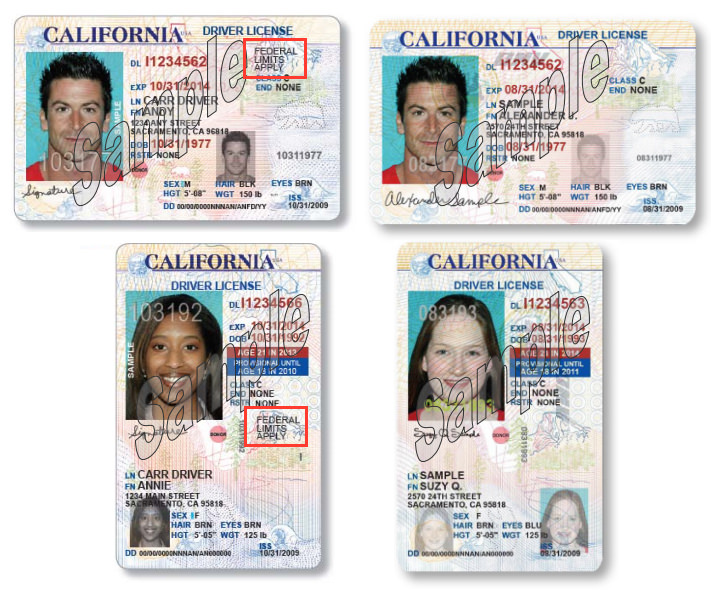
The AB 60 driver’s license is explicitly marked “Federal Limits Apply.” This designation signifies that the license cannot be used for federal identification purposes. This means an AB 60 license is not accepted for:
- Boarding Domestic Flights: As of May 7, 2025, a REAL ID or other federally accepted forms of identification (like a passport) will be required to board commercial flights within the United States. An AB 60 license will not suffice for this purpose.
- Entering Restricted Federal Facilities: This includes federal courthouses, military bases, nuclear power plants, and other secure federal buildings.
- Passing through TSA Checkpoints: Related to domestic flights, the Transportation Security Administration (TSA) will not accept an AB 60 license as a standalone form of identification.
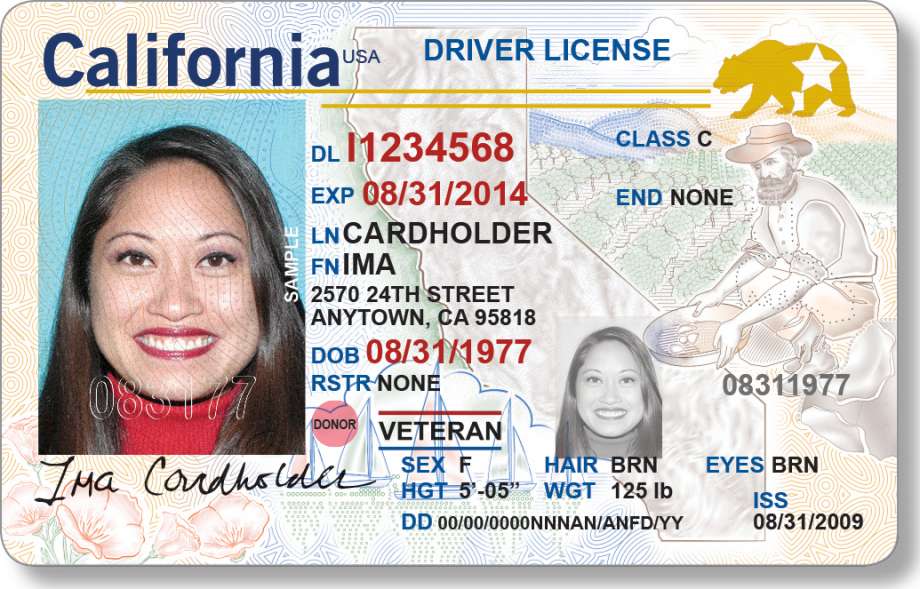
In contrast, a standard California driver’s license that is REAL ID compliant is marked with a bear and a star, indicating it meets federal identification standards for these purposes. Applicants for a REAL ID must provide proof of legal presence in the United States (e.g., U.S. birth certificate, valid U.S. passport, green card, or employment authorization document).
The primary and intended purpose of the AB 60 license is to grant the privilege to drive a motor vehicle on California public roads, subject to all state traffic laws and regulations. It serves as a valid state-issued driver’s license for identification during traffic stops, purchasing age-restricted goods, and other state-level identification needs. It does not confer legal immigration status, eligibility for federal benefits, or a pathway to citizenship. The distinct marking on the card ensures that there is no confusion regarding its federal utility. This clear differentiation maintains the integrity of federal identification requirements while providing crucial mobility and safety benefits at the state level.
In essence, the AB 60 license is a testament to California’s commitment to public safety and pragmatic governance, ensuring that all drivers on its roads are trained, tested, and insured, even while respecting federal immigration laws.
In conclusion, the answer to the question “Can an illegal immigrant get a driver’s license in California?” is a definitive yes, thanks to AB 60. This law has had a profound impact, significantly enhancing road safety, reducing the number of uninsured motorists, and fostering a more inclusive society. While the AB 60 license carries federal limitations, its benefits at the state level are undeniable, providing essential mobility for countless individuals to access work, education, healthcare, and ultimately, to experience the diverse lifestyle and rich tourism opportunities that the Golden State has to offer. It stands as a powerful example of how state-level policies can address pressing societal needs while navigating complex federal frameworks.
LifeOutOfTheBox is a participant in the Amazon Services LLC Associates Program, an affiliate advertising program designed to provide a means for sites to earn advertising fees by advertising and linking to Amazon.com. Amazon, the Amazon logo, AmazonSupply, and the AmazonSupply logo are trademarks of Amazon.com, Inc. or its affiliates. As an Amazon Associate we earn affiliate commissions from qualifying purchases.