
The allure of California, with its sun-drenched beaches, towering redwoods, and vibrant cities, is undeniable. For many, the dream extends beyond visiting its iconic landmarks and indulging in its diverse culinary scene; it includes building a stable and rewarding career within the Golden State. Among the most respected professions is that of a firefighter, a role that demands bravery, dedication, and a commitment to public service. But beyond the heroic deeds and the community impact, a practical question often arises: “How much does a California firefighter make?” This inquiry delves into the financial realities of this vital profession, influenced by a complex interplay of factors ranging from experience and location to the specific department and benefits package.

California’s firefighters are more than just individuals who battle blazes. They are integral to the safety and well-being of communities across the state, from the bustling streets of Los Angeles to the scenic beauty of Lake Tahoe and the historic charm of San Francisco. Their compensation is a reflection of the risks they undertake and the essential services they provide. Understanding their earning potential involves looking at base salaries, overtime, shift differentials, and the comprehensive benefits that are often part of a firefighter’s overall compensation package. This exploration aims to provide a clear picture of what a career in firefighting in California can financially entail, touching upon the various elements that contribute to a firefighter’s income.
Understanding Firefighter Compensation in California
The base salary of a California firefighter is the foundational element of their income. However, this figure is rarely the full story. Like many professions, firefighter salaries are structured to account for growth and responsibility over time. Entry-level positions will naturally command a lower salary than those held by seasoned veterans with years of experience and specialized training. The International Association of Fire Fighters (IAFF) often plays a role in negotiating collective bargaining agreements that set salary scales and other compensation-related benefits for firefighters. These negotiations are crucial in ensuring that the pay reflects the demanding nature of the job and the cost of living within California’s various regions, which can vary dramatically.
Entry-Level Firefighter Salaries
For those just starting their careers, the initial earning potential is a significant consideration. An entry-level firefighter, often referred to as a probationary firefighter or trainee, typically earns a lower hourly wage or annual salary. This initial phase is characterized by intensive training and learning the ropes of the profession. While exact figures can fluctuate, entry-level salaries in California can often range from the high $40,000s to the $60,000s annually. This figure is a starting point, and with dedication and successful completion of their probationary period, firefighters can expect their salaries to increase steadily. Many departments offer structured pay scales that automatically increase an individual’s pay as they gain experience and achieve certain milestones.
The California Department of Forestry and Fire Protection, also known as CAL FIRE, is a major employer of firefighters across the state, particularly for wildland firefighting. Their salary structures, like those of municipal fire departments, are generally competitive and follow established pay grades. For instance, a newly hired firefighter with CAL FIRE might start in a range that reflects their initial training and the agency’s established pay scales. This is a crucial first step in a career that can lead to higher-paying roles and greater responsibilities within the organization.
Experienced and Senior Firefighter Earnings
As firefighters gain experience, their salaries naturally increase. The progression through the ranks – from firefighter to engineer, captain, battalion chief, and beyond – is typically accompanied by significant salary bumps. An experienced firefighter with five to ten years on the job can expect to earn considerably more than an entry-level colleague. Their responsibilities expand, often including leadership roles, specialized technical skills, and the mentoring of newer recruits. This increased expertise and responsibility are directly reflected in their earning potential.
Senior firefighters, those with fifteen, twenty, or even thirty years of service, are often at the peak of their earning potential within their current rank. Their salaries can rise into the six figures, especially in larger, more affluent cities or within specialized units. For example, a seasoned captain or battalion chief in a metropolitan area like San Diego or San Jose will likely earn a salary that reflects their extensive experience, the complexity of their command, and the higher cost of living in those urban centers. These individuals are the backbone of many fire departments, possessing a wealth of knowledge and leadership skills honed over decades.
Factors Influencing Firefighter Salaries
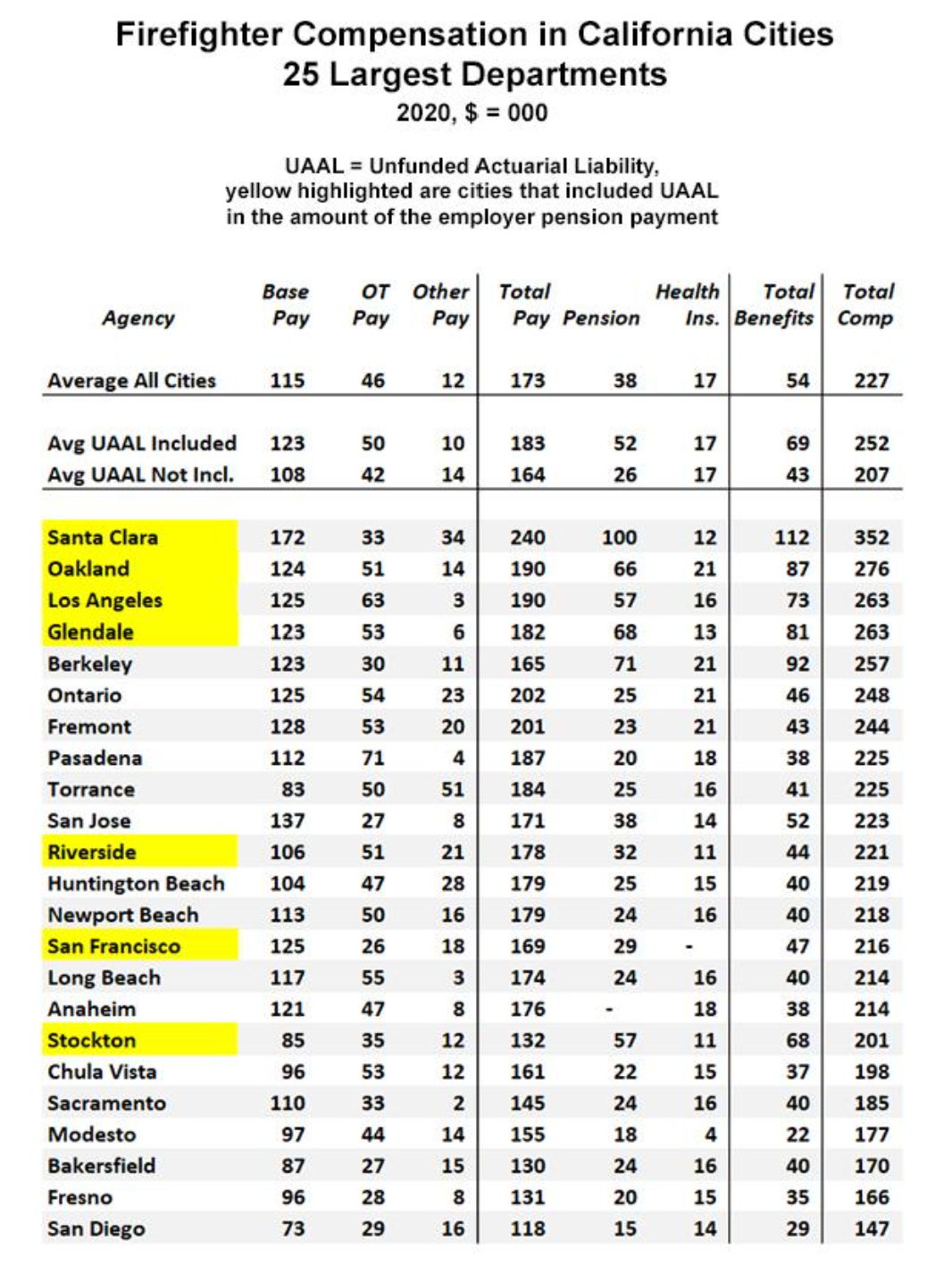
The salary of a California firefighter is not a static number; it’s a dynamic figure influenced by a variety of critical factors. These elements combine to create a nuanced picture of earning potential, explaining why firefighters in different parts of the state, or even within different departments in the same city, might have varying income levels. Understanding these influences is key to grasping the full scope of firefighter compensation.
Geographic Location and Cost of Living
Perhaps one of the most significant determinants of a firefighter’s salary is their geographic location within California. The state is known for its vast economic disparities, with some regions boasting an extremely high cost of living while others are more affordable. Naturally, fire departments in areas with a higher cost of living, such as the San Francisco Bay Area or parts of Southern California, tend to offer higher salaries to ensure their firefighters can maintain a reasonable standard of living. This is often a result of collective bargaining agreements that factor in local economic conditions.
For example, a firefighter working in a bustling metropolitan area like Oakland might earn a higher base salary than a firefighter in a more rural part of the state, even with similar experience levels. This disparity is not about preferential treatment but rather about ensuring that compensation remains competitive and allows individuals to afford housing, transportation, and other necessities in their respective communities. The salaries need to be attractive enough to recruit and retain qualified personnel in high-demand, high-cost areas.
Department Size and Funding
The size and funding of a fire department also play a crucial role in determining firefighter salaries. Larger, more established fire departments in major cities often have greater resources and more complex organizational structures, which can translate into higher pay scales and more comprehensive benefits packages. These departments typically serve larger populations and respond to a greater volume of calls, necessitating a larger workforce and often offering more competitive compensation to attract a wider pool of applicants.
Conversely, smaller, volunteer-based, or less-funded municipal fire departments in smaller towns might offer lower salaries. While these positions are still vital to community safety, their compensation structures are often more modest, reflecting the budgetary constraints of the local government. However, it’s important to note that even in smaller departments, the dedication and skill of the firefighters are paramount.
Overtime, Specializations, and Benefits
Beyond the base salary, several other components contribute significantly to a California firefighter’s overall income. Overtime is a common occurrence in the firefighting profession. Due to the 24/7 nature of emergency services, firefighters often work extended hours beyond their standard shifts, particularly during peak seasons for incidents like wildfires or during large-scale emergencies. This overtime pay can substantially boost an individual’s annual earnings.
Furthermore, specialized units within fire departments can command higher pay or offer bonuses. These specialized roles might include working in hazardous materials (HAZMAT) teams, as part of a swift water rescue unit, or as a paramedic integrated into the fire service. The advanced training and unique skill sets required for these positions often lead to additional compensation.
Finally, the benefits package offered by a fire department is a critical part of a firefighter’s total compensation. This typically includes health insurance, dental and vision coverage, life insurance, and, crucially, a robust retirement pension plan. For many firefighters, the pension is a substantial financial asset, providing financial security in their post-career years. These benefits, while not directly part of the salary, represent significant monetary value and are a major factor in the attractiveness of the profession. Some departments might even offer additional perks like paid training opportunities, educational stipends, or uniform allowances. The value of these benefits, when quantified, can significantly increase the overall financial picture of a California firefighter’s earnings. For example, the comprehensive health coverage and the long-term security of a pension plan are often as valuable as a higher base salary in other professions.

The Role of Unions and Collective Bargaining
The influence of labor unions, such as the IAFF, cannot be overstated when discussing firefighter compensation in California. Firefighter unions are instrumental in negotiating collective bargaining agreements with city and county governments. These agreements meticulously outline salary scales, pay raises, overtime rates, holiday pay, shift differentials, and the specifics of health and retirement benefits. The strength and advocacy of these unions have historically been a driving force behind ensuring that firefighters in California are compensated fairly for their demanding and dangerous work. Through robust negotiations, unions aim to secure packages that not only attract qualified individuals but also retain experienced personnel by providing competitive wages and comprehensive benefits that acknowledge the unique challenges of the profession. The power of collective bargaining ensures that firefighters have a unified voice in shaping their working conditions and financial well-being, leading to more standardized and equitable compensation across different departments, albeit with regional adjustments due to cost of living.
LifeOutOfTheBox is a participant in the Amazon Services LLC Associates Program, an affiliate advertising program designed to provide a means for sites to earn advertising fees by advertising and linking to Amazon.com. Amazon, the Amazon logo, AmazonSupply, and the AmazonSupply logo are trademarks of Amazon.com, Inc. or its affiliates. As an Amazon Associate we earn affiliate commissions from qualifying purchases.