
While the topic of obtaining a restraining order in California might seem far removed from the world of leisure and exploration that typically graces the pages of this publication, there are, surprisingly, a few thematic threads that can connect these seemingly disparate concepts. Imagine planning a dream vacation to the Golden State, perhaps staying at a luxurious resort in Los Angeles or exploring the natural wonders of Yosemite National Park. Part of responsible travel planning, especially for extended stays or family trips, involves understanding the legal landscape of your destination. In rare and unfortunate circumstances, individuals may find themselves needing to navigate legal processes, including seeking protection. Therefore, understanding how to get a restraining order in California can be a crucial piece of information for residents and even long-term visitors who may encounter difficult situations.
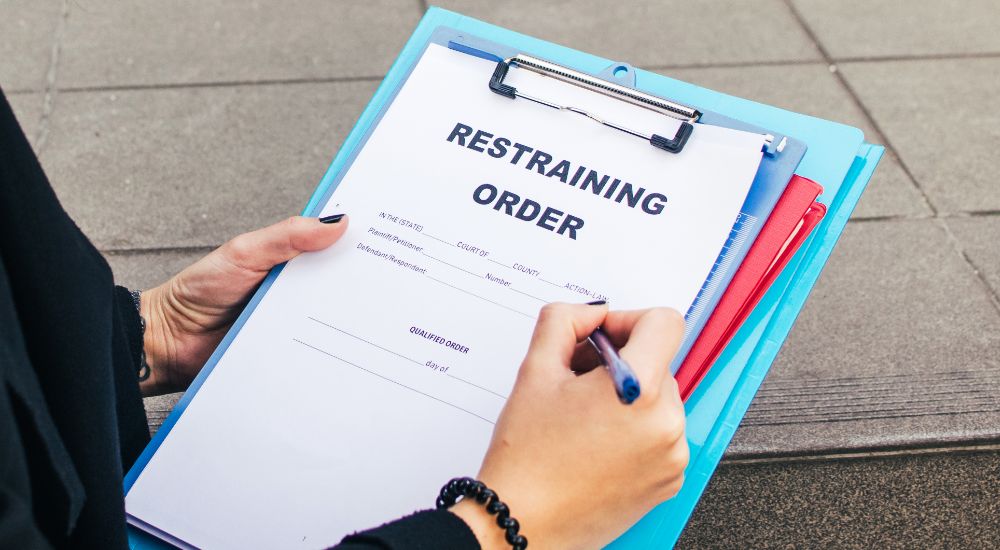
This article aims to demystify the process of obtaining a restraining order in California, breaking it down into understandable steps. While our usual focus is on travel, hotels, tourism, and lifestyle, this information serves a vital purpose in ensuring personal safety and well-being, which is, in itself, a fundamental aspect of a secure and enjoyable life.
Understanding Restraining Orders in California
Before diving into the procedural steps, it’s essential to understand what a restraining order is and the different types available in California. A restraining order, also known as a protective order, is a court order that prohibits a person from engaging in specific actions, such as contacting, harassing, or threatening another person. These orders are designed to protect individuals from abuse, violence, or harassment.
In California, there are primarily two types of restraining orders that individuals commonly seek:
Domestic Violence Restraining Orders (DVROs)
A Domestic Violence Restraining Order is issued when there has been abuse between people who are related by marriage, registered domestic partners, dating or engaged, or who have children together. Abuse, in this context, can include:
- Physical Abuse: Such as hitting, kicking, pushing, or any other form of physical harm.
- Harassment: Repeated unwanted contact, like frequent calls, texts, or showing up at someone’s home or workplace.
- Threats: Verbal or written threats of harm to oneself or others.
- Stalking: Following someone, monitoring their activities, or making them feel constantly watched.
- Sexual Abuse: Any unwanted sexual contact.
DVROs are typically sought against a spouse, former spouse, dating partner, former dating partner, a parent of one’s child, or a close relative. The process for obtaining a DVRO is designed to be relatively swift due to the urgent nature of domestic violence.
Civil Harassment Restraining Orders (CHROs)
A Civil Harassment Restraining Order is sought against individuals with whom you are not related by blood or marriage and with whom you do not have a child together. This type of order is typically used for situations involving:
- Harassment: Similar to DVROs, this includes repeated unwanted contact, offensive language, or actions that serve no legitimate purpose and are meant to annoy, alarm, or harass.
- Violence: Acts of violence that do not fall under domestic violence definitions, such as assaults by neighbors, strangers, or coworkers.
- Stalking: Behavior that causes fear for one’s safety.
Examples of situations where a CHRO might be necessary include disputes with neighbors, unwanted advances from acquaintances, or harassment from former roommates. While the nature of the relationship differs from DVROs, the need for protection from harmful behavior is equally valid.
It’s important to distinguish between these two types, as the forms and procedures can vary slightly, although the core principle of seeking court-ordered protection remains the same. For instance, if you were planning a family trip to Disneyland and encountered issues with a fellow traveler unrelated to your family, a CHRO might be more applicable than a DVRO.
The Step-by-Step Process for Obtaining a Restraining Order
The process of obtaining a restraining order in California involves several key steps, from preparing the necessary paperwork to attending a court hearing. While the specifics might vary slightly depending on whether you are seeking a DVRO or a CHRO, the general framework is consistent.
Step 1: Fill Out the Necessary Court Forms
The first and most critical step is to obtain and accurately complete the required court forms. These forms are available online through the California Courts website or at your local courthouse. The specific forms you need will depend on the type of restraining order you are seeking.
For a Domestic Violence Restraining Order, you will typically need:
- Request for Domestic Violence Restraining Orders (Form DV-100): This form is where you will detail the abuse, who you are seeking protection from, and what specific orders you are requesting (e.g., no contact, stay away from your home or workplace).
- Notice of Motion and Motion for Temporary Restraining Order (TRO) (Form DV-109): This informs the other party of the court date.
- Temporary Restraining Order (TRO) (Form DV-110): This is the order the judge may issue immediately, providing temporary protection until a full hearing.
- Restraining Order After Hearing (CLETS) (Form DV-130): This is the long-term order, if granted.
- Confidential CLETS Information (Form DV-160): This form keeps your personal information confidential.
For a Civil Harassment Restraining Order, you will typically need:

- Request for Civil Harassment Restraining Orders (Form CH-100): Similar to the DVRO form, this is where you describe the harassment and your request.
- Notice of Motion and Motion for Temporary Restraining Order (TRO) (Form CH-109): To inform the other party of the hearing.
- Temporary Restraining Order (TRO) (Form CH-110): For immediate, temporary protection.
- Restraining Order After Hearing (CLETS) (Form CH-130): The final order, if granted.
When filling out these forms, be as detailed and specific as possible. Include dates, times, locations, and a clear description of what happened. Be truthful and accurate; the information you provide is sworn under penalty of perjury. This is akin to providing detailed itinerary information for a complex trip to Europe, where precision is key to a successful journey.
Step 2: File the Forms with the Court
Once the forms are completed, you must file them with the clerk of the superior court in the county where you reside or where the abuse or harassment occurred. There is no filing fee for Domestic Violence Restraining Orders, making them accessible to those in urgent need. For Civil Harassment Restraining Orders, there may be a filing fee, but you can request a fee waiver if you cannot afford it.
After filing, the court clerk will stamp your documents and assign a hearing date. A judge will review your request for a Temporary Restraining Order (TRO). If the judge believes there is sufficient evidence of immediate danger, they will issue a TRO, which can provide protection for up to 21 days, until the full hearing.
Step 3: Serve the Restraining Order on the Other Party
This is a crucial step and must be done correctly according to legal requirements. You cannot serve the papers on the other party yourself. Service must be performed by someone who is at least 18 years old and not a party to the case. This can be a friend, family member, or a professional process server.
The person serving the papers must personally hand a copy of all your filed documents, including the TRO (if granted) and the Notice of Motion, to the restrained person. Proof of Service must then be completed by the server and filed with the court. Failure to properly serve the other party can result in your case being dismissed.
Step 4: Attend the Court Hearing
The court hearing is your opportunity to present your case to the judge and for the restrained person to present their defense. You will need to attend the hearing on the date and time specified. Bring copies of all your paperwork, any evidence you have (photos, texts, emails, witness statements), and any witnesses who can testify on your behalf.
The judge will listen to both sides and review the evidence. If the judge finds sufficient grounds, they will issue a restraining order that can last for up to five years, and can be renewed.
Seeking Support and Additional Resources
Navigating the legal system can be daunting, especially when you are experiencing fear or distress. Fortunately, there are numerous resources available in California to assist individuals seeking restraining orders.
Legal Aid and Advocacy Groups
Many organizations offer free or low-cost legal services to victims of domestic violence and harassment. These groups can provide legal advice, help with paperwork, and offer support during the court process. Some well-known organizations include:
- Legal Aid Societies: Found in most counties, these organizations provide legal assistance to low-income individuals.
- Domestic Violence Shelters and Hotlines: These services offer immediate support, safety planning, and referrals to legal resources.
- Victim Assistance Programs: Often run by district attorneys’ offices, these programs provide support and advocacy for victims of crime.
If you are planning a trip to a beautiful place like San Francisco and find yourself in a difficult situation, knowing where to turn for help is paramount. Even if you are simply a tourist unfamiliar with the local laws, these resources can provide vital guidance.

Safety Planning
While pursuing a restraining order, it is crucial to prioritize your safety. If you are in immediate danger, call 911. Beyond that, consider creating a safety plan, which may include:
- Identifying safe places to go if you feel threatened.
- Having a bag packed with essentials in case you need to leave quickly.
- Informing trusted friends, family, or employers about the situation.
- Changing your routine to avoid predictable encounters.
Ensuring your personal safety is the most important aspect of any travel experience, whether it’s a brief visit to a landmark or a prolonged stay in a charming villa. Understanding the legal avenues for protection, like restraining orders, is a vital component of personal security.
In conclusion, while the process of obtaining a restraining order in California might seem complex, it is a vital legal tool for protecting individuals from harm. By understanding the different types of orders, the step-by-step process, and the available resources, individuals can take decisive action to ensure their safety and well-being, allowing them to focus on enjoying their lives and the many wonders California has to offer, from its vibrant cities to its serene natural landscapes.
LifeOutOfTheBox is a participant in the Amazon Services LLC Associates Program, an affiliate advertising program designed to provide a means for sites to earn advertising fees by advertising and linking to Amazon.com. Amazon, the Amazon logo, AmazonSupply, and the AmazonSupply logo are trademarks of Amazon.com, Inc. or its affiliates. As an Amazon Associate we earn affiliate commissions from qualifying purchases.