
While the vibrant landscapes of California beckon travelers with promises of sun-drenched beaches, iconic landmarks like the Golden Gate Bridge, and world-class theme parks, the state also navigates complex legal matters. Among these, spousal support, often referred to as alimony, is a crucial aspect of divorce proceedings. Understanding how spousal support is calculated in California is essential for those experiencing marital dissolution, ensuring a fair and equitable outcome. This guide aims to demystify the process, offering insights into the key factors that influence these important financial decisions.
The calculation of spousal support in California is not a rigid formula but rather a nuanced evaluation based on a multitude of factors. The primary goal is to ensure the supported spouse can maintain a lifestyle reasonably comparable to that enjoyed during the marriage, while also considering the ability of the paying spouse to provide that support. The court has broad discretion, and each case is decided on its unique circumstances.
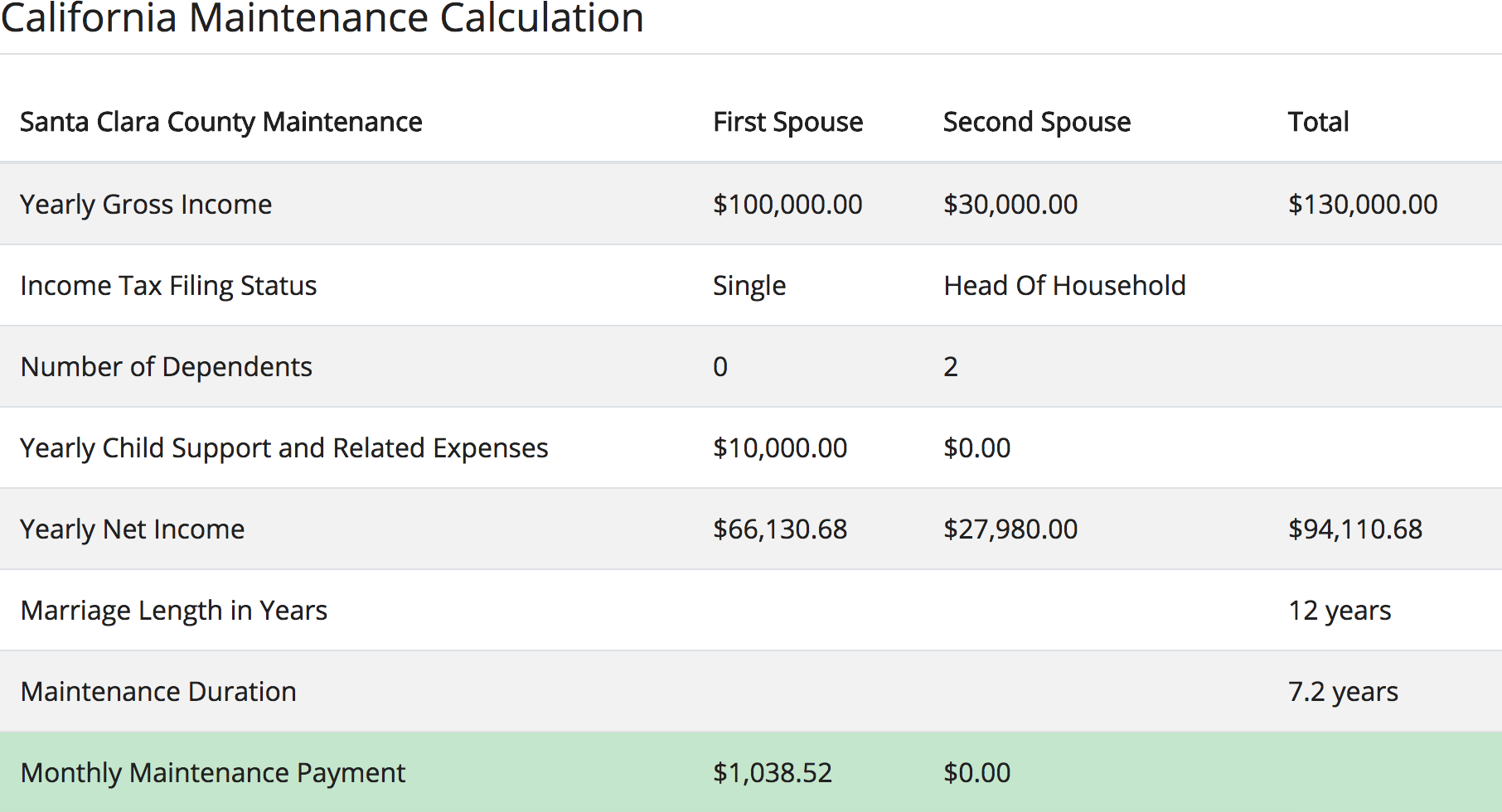
Key Factors Influencing Spousal Support Calculations
The determination of spousal support in California hinges on a comprehensive examination of numerous elements. These factors are designed to achieve a just and equitable division of financial responsibilities and support needs post-divorce. Judges meticulously weigh each of these points to arrive at a decision that is fair to both parties involved.
The Marital Standard of Living
One of the most significant considerations is the marital standard of living. This refers to the lifestyle the couple enjoyed during their marriage. The court seeks to allow the supported spouse to continue living at a level that is consistent with the financial realities of their married life. This involves assessing expenditures on housing, transportation, entertainment, travel, and other discretionary spending. For instance, a couple who regularly vacationed in luxurious resorts like the Ritz-Carlton or dined at fine restaurants would have a higher marital standard of living than a couple with more modest spending habits. The court will examine financial records, such as bank statements and credit card bills, to establish this baseline. Understanding the nuances of this standard helps set the stage for the subsequent financial considerations.
Duration of the Marriage
The length of the marriage is a critical factor in California. For marriages lasting 10 years or longer, support is generally considered “long-term” and can continue indefinitely, subject to modification based on changed circumstances. For shorter marriages (under 10 years), spousal support is typically considered “short-term” and is often awarded for a period of half the length of the marriage. This distinction is vital because it dictates the potential duration and finality of the support obligation. A couple who has been married for 30 years, for example, will likely be viewed differently than a couple married for only three years when it comes to the duration of support.
Financial Needs and Ability to Pay
The court will assess the financial needs of the supported spouse and the ability of the paying spouse to meet those needs. This involves a thorough review of income, assets, and liabilities of both parties.
Needs of the Supported Spouse
The supported spouse’s financial needs are evaluated based on their current income, earning capacity, and expenses. This includes the ability to meet basic necessities such as housing, food, and healthcare, as well as the ability to maintain a reasonable standard of living. If the supported spouse has been out of the workforce for an extended period, their ability to re-enter and earn a sufficient income may be limited, thus increasing their need for support. For example, a spouse who dedicated their career to raising children and managing the household may require significant support to re-establish their financial independence.
Ability of the Paying Spouse
Conversely, the paying spouse’s ability to provide support is determined by their income, earning capacity, assets, and liabilities. This includes their current employment, potential for increased earnings, and any assets that could be liquidated to meet support obligations. It’s important to note that earning capacity can be considered even if a spouse is currently unemployed or underemployed, if the court believes they have the ability to earn more. This prevents a spouse from deliberately reducing their income to avoid support payments.
Age and Health of the Parties
The age and health of both spouses are also taken into account. An older spouse, or one with significant health issues, may have a reduced ability to earn income and may require longer-term or higher levels of support. Conversely, a younger, healthier spouse is generally expected to be more capable of becoming self-supporting. This factor recognizes that life circumstances, such as the onset of chronic illness or the natural aging process, can significantly impact an individual’s earning potential and financial needs.
Contributions to the Marriage
California law also considers the contributions each spouse made to the marriage, beyond just financial contributions. This can include contributions as a homemaker, caregiver to children, or support provided to the other spouse’s career or education. The court aims to acknowledge and value the non-monetary contributions that enabled the other spouse to advance their career or accumulate wealth. For example, a spouse who supported their partner through medical school, sacrificing their own career aspirations, deserves recognition for their role in the couple’s eventual financial success.

The Ability of the Supported Spouse to Become Self-Supporting
A critical element in the spousal support calculation is the supported spouse’s ability to become self-supporting. The court will consider factors such as their education, vocational skills, employment history, and the availability of job opportunities in their field. If the supported spouse has the capacity to become self-sufficient, the support awarded may be temporary, designed to allow them time to acquire the necessary skills or education to re-enter the workforce. This encourages independence while still providing a necessary safety net during the transition period.
Any History of Domestic Violence
In cases where domestic violence has occurred, this can significantly impact spousal support decisions. If a spouse has been the victim of domestic violence, the court may award spousal support to provide them with financial security and protection. This factor underscores the court’s commitment to ensuring the safety and well-being of victims of abuse.
The Balance of Hardships
Finally, the court will consider the balance of hardships on each party. This involves weighing the financial consequences of awarding or denying spousal support on both the supported and the paying spouse. The goal is to avoid imposing undue hardship on either individual. This holistic approach ensures that the final spousal support order is not only financially sound but also just and compassionate.
Formalizing Spousal Support Agreements
Once the court has considered all the relevant factors, it will issue an order for spousal support. This order can take two primary forms: a stipulated agreement or a court-ordered judgment.
Stipulated Agreements
Many couples, with the help of their attorneys, can reach a mutually agreeable spousal support arrangement outside of court. This stipulated agreement is then submitted to the court for approval and becomes legally binding. This approach offers couples greater control over the outcome and can be a less adversarial way to resolve this complex issue. It allows for creative solutions tailored to the specific needs of the couple, perhaps incorporating considerations about future inheritances or business interests.
Court-Ordered Judgments
If the parties cannot reach an agreement, the matter will proceed to a hearing or trial, where a judge will make the final decision based on the evidence presented and the legal factors discussed. The judge’s decision will be formalized in a court order, outlining the amount, duration, and any specific conditions of the spousal support. This ensures that even in contentious divorces, a resolution is reached.
Modification and Termination of Spousal Support
Spousal support orders are not always set in stone. In California, orders for spousal support can be modified or even terminated under certain circumstances.
Material Change in Circumstances
The most common reason for modification is a material change in circumstances for either the paying or the supported spouse. This could include a significant change in income (either an increase or decrease), remarriage of the supported spouse, cohabitation of the supported spouse in a manner that approximates marriage, or a significant change in health. For example, if the paying spouse loses their job and can no longer afford the current support amount, they can petition the court for a modification. Similarly, if the supported spouse becomes fully self-supporting, they may seek to terminate the support order.

Remarriage or Cohabitation
In California, spousal support typically terminates upon the remarriage of the supported spouse. Additionally, if the supported spouse cohabits with another person in a marriage-like relationship, the court may reduce or terminate support, as the financial burden may be shared with the new partner. This provision aims to prevent the supported spouse from receiving financial support from both an ex-spouse and a new partner.
Navigating the complexities of spousal support in California requires a thorough understanding of the legal framework and the numerous factors that influence these decisions. While the prospect of divorce can be daunting, especially when financial matters are involved, seeking legal counsel from an experienced family law attorney is paramount. They can provide personalized guidance, help you understand your rights and obligations, and advocate for a fair and equitable outcome that aligns with the state’s legal principles, ensuring that even amidst significant life changes, financial stability can be achieved. This legal framework, while intricate, is designed to promote fairness and provide a pathway towards continued financial well-being for individuals transitioning through divorce.
LifeOutOfTheBox is a participant in the Amazon Services LLC Associates Program, an affiliate advertising program designed to provide a means for sites to earn advertising fees by advertising and linking to Amazon.com. Amazon, the Amazon logo, AmazonSupply, and the AmazonSupply logo are trademarks of Amazon.com, Inc. or its affiliates. As an Amazon Associate we earn affiliate commissions from qualifying purchases.