
Navigating the complexities of rent increases in California can feel like a journey through a labyrinth, especially for both landlords seeking fair returns and tenants striving to maintain their homes. This vibrant state, known for its stunning California coastlines, bustling cities like Los Angeles and San Francisco, and a diverse cultural tapestry, also presents unique challenges in its rental market. Understanding the regulations governing rent hikes is crucial for a stable and predictable housing experience, whether you’re planning a luxury travel experience that includes long-term stays in a villa or a budget-conscious family trip to a resort.

The landscape of rent control in California is largely shaped by the Tenant Protection Act of 2019, also known as AB 1482. This landmark legislation introduced statewide rent caps, offering a degree of protection against excessive rent increases for a significant portion of rental properties. However, the act is not a blanket solution and has several important caveats and exemptions that dictate how much a landlord can legally raise the rent.
For many Californian renters and property owners, the core question revolves around this statewide cap. This means that for covered properties, landlords cannot increase rent by more than a certain percentage year-over-year. This percentage is tied to inflation, specifically the Consumer Price Index (CPI), plus a fixed additional percentage. The exact percentage can fluctuate annually, making it essential to stay informed about the current figures. Beyond the statewide law, some cities and counties within California have their own, often more stringent, rent control ordinances. These local regulations can further restrict rent increases, creating a patchwork of rules across the state. For travelers considering extended stays or those looking for local culture and activities, understanding these local nuances can be as important as understanding the best attractions or experiences in a particular region.
Understanding the Statewide Rent Cap: AB 1482
The Tenant Protection Act of 2019 (AB 1482) is the primary legislation governing rent increases for most residential rental properties in California. It aims to provide tenants with greater security by limiting how much landlords can raise rent annually. This act applies to a broad range of properties, but critically, it has exemptions.
How the Statewide Cap Works
The law sets an annual limit on rent increases that is the lower of two figures: 5% plus the percentage change in the regional Consumer Price Index (CPI), or 10% of the rent on the date the notice of rent increase is served. The CPI is a measure of the average change over time in the prices paid by urban consumers for a market basket of consumer goods and services. The specific CPI used is generally the one for the metropolitan area in which the property is located, or if that’s not available, the statewide average.
For example:
- If the regional CPI increase is 3%, the maximum rent increase allowed under AB 1482 would be 5% + 3% = 8%.
- If the regional CPI increase is 7%, the maximum rent increase allowed would be 10% (as it’s lower than 5% + 7% = 12%).
This calculation means that the maximum allowable rent increase can vary from year to year and from region to region within California. It’s crucial for landlords and tenants to check the specific CPI figures relevant to their location. This protection extends to various types of accommodation, from simple apartments to more luxurious suites or rentals in unique villas, provided they are not otherwise exempt. This stability is beneficial for everyone, from those planning business stays to families enjoying extended trips.
Properties Exempt from AB 1482
While AB 1482 provides significant statewide protection, it’s not universally applicable. Several types of properties are exempt from its rent cap provisions. Understanding these exemptions is key to determining the legality of a rent increase.
- Housing that is less than 15 years old: Properties that were issued a certificate of occupancy within the last 15 years are generally exempt. This means newer developments are not subject to the statewide rent caps.
- Single-family homes and condos: These are exempt if the owner is a natural person, a husband and wife partnership, or a limited liability company or trust where all beneficial owners are natural persons. However, this exemption does not apply if the owner issues a notice of rent increase to a tenant within 12 months of the tenant first occupying the property. Furthermore, if a landlord rents out a duplex and lives in one of the units, the other unit is exempt.
- Dwellings occupied by the owner: Properties where the owner resides are exempt.
- Certain affordable housing units: Properties that are subject to specific rent or profit limitations imposed by deed restrictions or other government requirements are also exempt.
- Properties covered by stricter local rent control: If a city or county has its own rent control ordinance that is more restrictive than AB 1482, then those local ordinances will take precedence, and the property may be exempt from the statewide provisions.
This exemption framework highlights the nuanced nature of California’s rental laws, impacting everything from short-term vacation rentals to long-term accommodation choices.
Local Rent Control Ordinances: A Deeper Layer of Regulation
Beyond the statewide Tenant Protection Act, many California cities and counties have enacted their own rent control ordinances. These local laws can provide even stronger tenant protections than AB 1482, often imposing lower rent increase limits or covering properties that might be exempt from the state law. For tourists exploring different regions, understanding local regulations is part of appreciating the local culture and planning smooth travel experiences.
Cities with Strong Local Rent Control
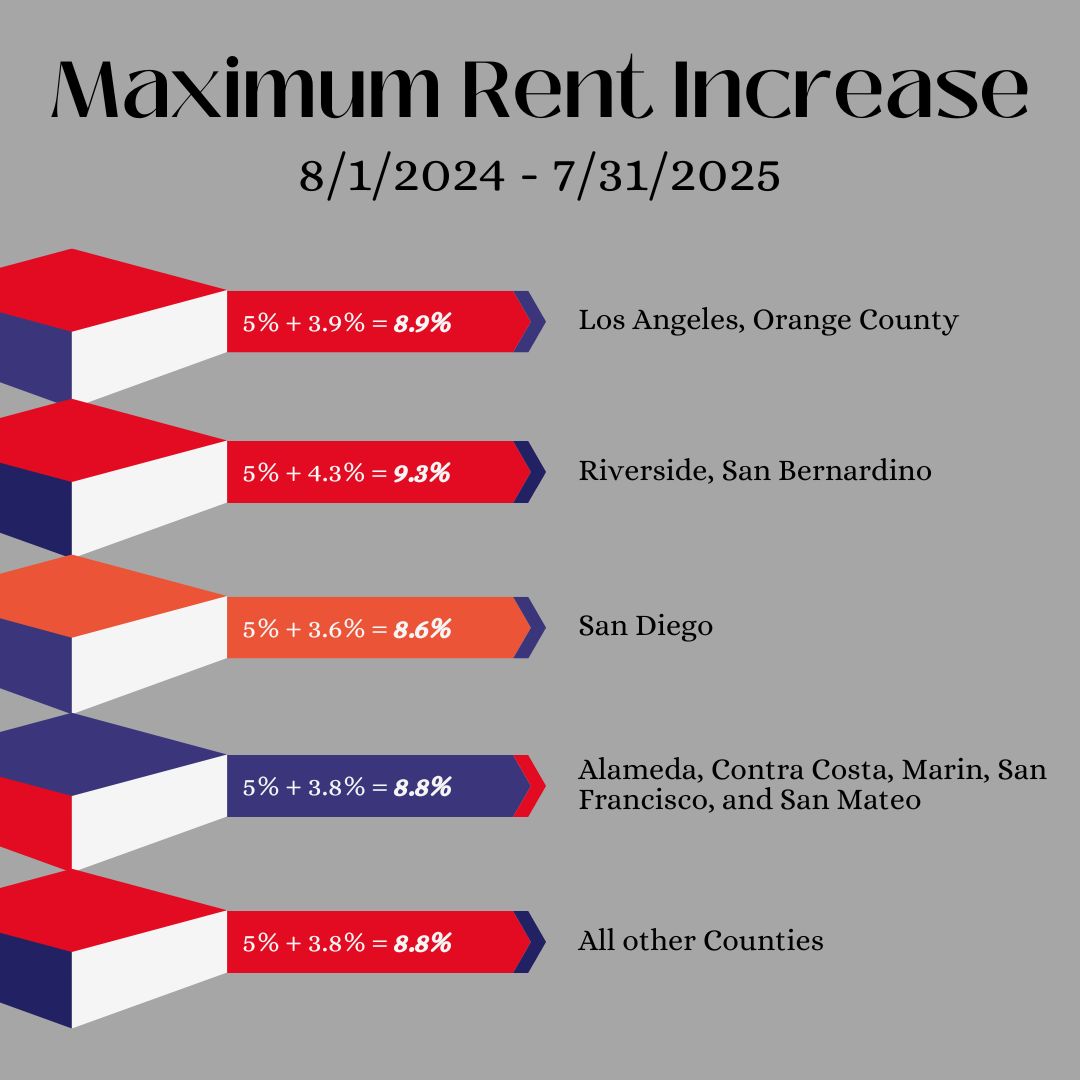
Several major cities in California have robust rent control ordinances that predate and often go beyond AB 1482. These include:
- Los Angeles: The City of Los Angeles has strict rent stabilization ordinances (RSO) that limit rent increases and provide tenant protections. The allowable annual rent increase is typically set at a lower percentage than the state cap and is tied to a local CPI.
- San Francisco: San Francisco boasts one of the oldest and most comprehensive rent control systems in the state. Rent increases are capped annually, usually at a significantly lower percentage than the state.
- Oakland: Similar to its Bay Area neighbors, Oakland has rent control measures that limit annual rent hikes and require just cause for eviction.
- Berkeley: Berkeley also has a long-standing rent control ordinance with limitations on rent increases.
- Santa Monica: This coastal city has a rent control charter that governs rent increases for many properties.
- San Diego: While not as comprehensive as some other cities, San Diego has provisions that limit rent increases on certain older rental units.
These cities often have their own specific rules regarding what constitutes a covered unit, how rent increases are calculated, and the notice periods required. For landlords, navigating these multiple layers of regulation is essential. For tenants, these local ordinances can provide a critical safeguard against displacement. Whether you’re booking a stay at a charming boutique hotel or a luxurious resort, understanding the local rental market dynamics can enhance your travel experience.
Impact of Local Ordinances on Rent Increases
Local rent control ordinances can significantly impact how much a landlord can increase rent. These laws often:
- Set lower annual percentage caps: The allowable annual rent increase is frequently lower than the 5% + CPI maximum set by AB 1482.
- Define “just cause” for eviction: Many local ordinances require landlords to have a specific, legally defined reason to evict a tenant, which is often tied to issues beyond non-payment of rent, such as substantial renovations or the owner moving back into the unit.
- Have different exemption criteria: Local laws might have their own unique exemptions, sometimes covering properties that AB 1482 would otherwise exempt, or vice-versa.
- Require extensive documentation and notification: Landlords are typically required to provide tenants with detailed written notices of any rent increase, often with longer notice periods than state law might mandate.
It is imperative for both landlords and tenants to research the specific rent control ordinances applicable to their city or county. This due diligence ensures compliance with the law and helps prevent disputes. For travelers interested in long-term stays, understanding these local housing regulations is part of a deeper engagement with the lifestyle and community of the place they are visiting. It’s also important to remember that even for short-term stays in accommodations like apartments or unique hotels, the underlying rental market and its regulations can indirectly influence availability and pricing.
Notice Requirements and Tenant Rights
Beyond the permissible percentage of a rent increase, California law, both at the state and local levels, mandates specific procedures and notice periods that landlords must follow. These regulations are designed to protect tenants by giving them adequate warning and time to understand their rights. This information is valuable for anyone considering accommodation options, from budget travel to luxury stays.
The Importance of Proper Notice
Any rent increase in California must be communicated to the tenant through a written notice. The content and timing of this notice are legally specified.
- Statewide Notice Period (AB 1482): For properties covered by AB 1482, landlords must provide tenants with at least a 30-day written notice for any rent increase up to 10%. For rent increases exceeding 10% in a 12-month period, a 90-day written notice is required.
- Local Ordinances: Many cities with rent control ordinances have longer notice periods. For example, some may require 60 or even 90 days’ notice for any rent increase, regardless of the percentage.
- Content of the Notice: The notice must clearly state the new rent amount, the date the increase will take effect, and the name and address of the landlord or their agent. It should also reference the tenant’s right to dispute the increase if they believe it violates local or state law.
Failure to adhere to these notice requirements can render a rent increase invalid, meaning the tenant is not obligated to pay the increased amount until proper notice is given. This is a fundamental tenant right that helps ensure fairness and transparency in the rental process. Understanding these rules is as crucial as knowing the best tips for exploring local activities or the history behind famous landmarks.

Tenant Rights and Protections
Tenants in California have several rights concerning rent increases:
- Right to Rent Cap Protection: As outlined by AB 1482 and local ordinances, tenants have the right to not have their rent increased beyond the legally allowed limits.
- Right to Proper Notice: Tenants have the right to receive written notice for any rent increase, adhering to the legally mandated timelines.
- Right to Challenge Unlawful Increases: If a tenant believes a rent increase is unlawful, they have the right to dispute it. This can involve contacting the landlord, a local housing authority, or seeking legal counsel.
- Protection Against Retaliation: Landlords are prohibited from retaliating against tenants who assert their legal rights, such as by raising rent or issuing an eviction notice in response to a tenant’s complaint about living conditions or a rent increase.
- Access to Information: Tenants can usually obtain information about local rent control ordinances from their city or county’s housing department.
For those planning extended stays, perhaps a long-term rental while exploring California’s diverse destinations, or even those looking for accommodation options during a business trip, understanding these tenant rights is vital. It fosters a more secure and equitable living environment for everyone involved in the rental market, from the individual looking for a place to stay to the property managers overseeing diverse hotel portfolios.
In conclusion, the question of “How Much Can You Increase Rent In California?” doesn’t have a single, simple answer. It’s a dynamic interplay between statewide legislation like AB 1482, the specific Consumer Price Index for the region, and the often more stringent rent control ordinances enacted by individual cities and counties. While AB 1482 provides a baseline protection by capping annual rent increases at 5% plus the regional CPI (or a maximum of 10%), many properties, particularly newer constructions and certain single-family homes, may be exempt. Furthermore, the presence of local rent control in cities like Los Angeles, San Francisco, and Oakland can impose even lower limits and additional tenant protections. Crucially, landlords must adhere to strict written notice requirements, typically 30 to 90 days depending on the size of the increase and local regulations. Tenants, in turn, possess rights to be informed, protected from retaliation, and empowered to challenge unlawful rent hikes. Navigating this complex legal framework requires diligence from both parties to ensure fair housing practices across the Golden State. Whether one is a traveler exploring the natural beauty of Yosemite National Park or a resident planning their finances, understanding these rental regulations is fundamental to life in California.
LifeOutOfTheBox is a participant in the Amazon Services LLC Associates Program, an affiliate advertising program designed to provide a means for sites to earn advertising fees by advertising and linking to Amazon.com. Amazon, the Amazon logo, AmazonSupply, and the AmazonSupply logo are trademarks of Amazon.com, Inc. or its affiliates. As an Amazon Associate we earn affiliate commissions from qualifying purchases.