
Giving birth is a monumental life event, and for many, the financial aspect is a significant concern. When planning for a new arrival, understanding the potential costs associated with childbirth is crucial, especially when considering a specific location like California. The Golden State, renowned for its diverse landscapes, vibrant culture, and world-class medical facilities, can also present a unique financial picture when it comes to maternity care. This article aims to demystify the expenses involved in bringing a baby into the world in California, exploring the various factors that contribute to the overall cost and providing insights for expectant parents.

The cost of childbirth in California can vary dramatically, influenced by a multitude of factors, much like planning a memorable travel experience. Just as one might research different destinations, hotels, and activities to curate the perfect lifestyle for a family trip, expectant parents need to consider various elements when it comes to maternity care. From the type of delivery and the hospital chosen to insurance coverage and prenatal care, each component plays a role in the final bill. Understanding these variables is key to budgeting effectively and ensuring peace of mind during this exciting time.
Understanding the Pillars of Maternity Care Costs
The financial landscape of giving birth in California can be broken down into several key areas, each contributing to the overall expenditure. These pillars are not unlike the considerations one might make when planning a comprehensive travel itinerary, where lodging, attractions, and local culture all factor into the budget. For maternity care, the primary components include medical provider fees, hospital charges, potential complications, and the cost of prenatal and postnatal care.
Medical Provider Fees
The cost of your obstetrician or midwife’s services is a significant portion of the overall childbirth expenses. These fees cover the prenatal appointments, the delivery itself, and any necessary follow-up visits. The specific amount can depend on the provider’s experience, their practice’s location within California, and whether you opt for an obstetrician specializing in high-risk pregnancies or a midwife who focuses on more natural births.
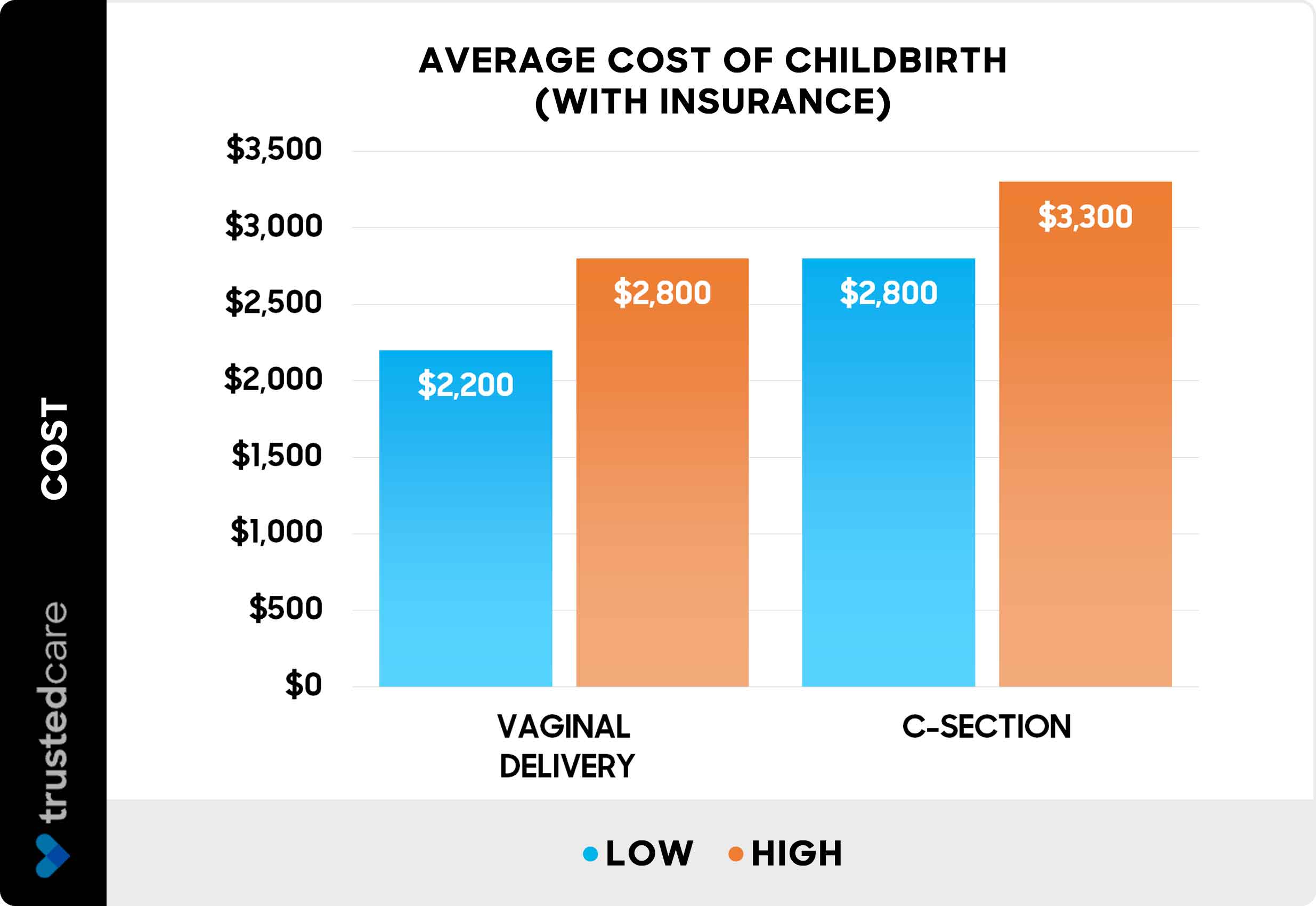
For example, an uncomplicated vaginal delivery with a standard obstetrician might have a different fee structure compared to a C-section or a delivery managed by a specialist. Similarly, the cost of prenatal care, which typically involves a series of appointments to monitor the health of both mother and baby, can also vary. These appointments are essential for early detection of any potential issues and for providing guidance on nutrition, exercise, and overall well-being.
Furthermore, the choice of birth location can influence these fees. While hospitals are the most common setting, some expectant parents may consider birthing centers or home births, which can have different fee structures and may involve different types of medical professionals. Each option comes with its own set of considerations, both medically and financially, mirroring the diverse accommodation options available for travelers, from budget-friendly apartments to luxurious resorts.
Hospital and Facility Charges
Beyond the medical provider’s fees, the hospital or birthing facility charges a substantial amount for room and board, operating room usage (if applicable), medications, and nursing care. These charges are often the largest component of the total bill. The type of room you occupy – a private room versus a semi-private one – can also influence the cost.
Hospitals in major metropolitan areas like Los Angeles or San Francisco may have higher overhead costs, which can translate into higher charges for services compared to hospitals in more rural California towns. The level of care provided also plays a role; a hospital equipped for high-risk pregnancies and neonatal intensive care units (NICUs) will likely have higher base charges than a facility that primarily handles uncomplicated births.
Consider the analogy of booking a hotel for a luxury travel experience versus a budget travel option. The amenities, services, and overall environment differ, and so do the prices. Similarly, hospitals vary in their facilities, staffing ratios, and the range of services they offer, all of which impact the final cost of your stay during childbirth. It’s essential to inquire about the average cost of a vaginal delivery and a C-section at the specific hospital you are considering, as these figures can be quite distinct.
The Impact of Complications and Additional Services
While many pregnancies and births proceed smoothly, it’s prudent to acknowledge that complications can arise, leading to increased medical costs. These can range from prolonged labor requiring additional interventions to unforeseen issues with the baby’s health that necessitate specialized care, such as time in the NICU. A C-section, while a common procedure, is a major surgery and will invariably incur higher costs than a vaginal delivery due to the longer hospital stay, additional medications, and specialized nursing care.
Other services that can add to the bill include epidural anesthesia, which is common but not always included in the base delivery fee. Postnatal care for the baby, such as vaccinations or specific diagnostic tests, will also be itemized. For mothers, additional services like lactation consultants or physical therapy for postpartum recovery can also contribute to the overall expense.
This is akin to planning for unforeseen attractions or experiences during a trip. Sometimes, the most memorable moments are spontaneous, but they also come with their own costs. In childbirth, while we hope for an uncomplicated journey, being prepared for potential additional needs can help manage financial expectations. Understanding what is typically covered under your insurance and what might be considered an out-of-pocket expense is vital.
Navigating Insurance and Out-of-Pocket Expenses
The most significant factor influencing how much you will personally pay for childbirth in California is your health insurance coverage. For those with insurance, the out-of-pocket costs are typically limited to deductibles, co-pays, and co-insurance. The specifics of your plan will dictate these amounts, making it imperative to thoroughly understand your maternity benefits before you give birth.
Understanding Your Insurance Plan

Before the arrival of your little one, sitting down with your insurance provider or carefully reviewing your policy documents is a critical step. Key terms to understand include:
- Deductible: This is the amount you pay out-of-pocket before your insurance plan starts to pay for covered services. Many plans have separate deductibles for different types of care, so check your maternity coverage specifically.
- Co-payment (Co-pay): This is a fixed amount you pay for certain services, like doctor’s visits or hospital stays, after you’ve met your deductible.
- Co-insurance: This is your share of the costs of a covered healthcare service, calculated as a percentage (e.g., 20%) of the allowed amount for the service. You pay co-insurance after you’ve met your deductible.
- Out-of-Pocket Maximum: This is the most you will have to pay for covered services in a plan year. Once you reach this limit, your insurance plan pays 100% of the allowed amount for covered benefits for the rest of the plan year.
Many insurance plans offer maternity coverage as a standard benefit, particularly under the Affordable Care Act (ACA). However, the details can vary significantly. It’s also important to confirm that your chosen hospital and medical providers are in-network with your insurance plan to avoid much higher out-of-network costs. This diligence is similar to researching hotel amenities and booking platforms to ensure you’re getting the best value and coverage for your accommodation needs.
The Uninsured Experience
For individuals or families without health insurance, the cost of giving birth in California can be substantial. Without the buffer of insurance, you will be responsible for the full cost of all medical services. This can run into tens of thousands of dollars, depending on the circumstances. In such cases, proactive financial planning and exploring available options are crucial.
Hospitals often have financial assistance programs or payment plans for uninsured patients. Exploring these options early on can help manage the financial burden. Some hospitals may offer discounted rates for self-pay patients. Additionally, exploring public health insurance programs or state-specific assistance for low-income families might be viable alternatives. Much like finding affordable travel deals or utilizing budget travel tips, seeking out financial aid and payment arrangements is essential for those without insurance.
Estimating Your Personal Costs
To get a personalized estimate, gather information from your insurance provider and your chosen medical facility. Ask for a breakdown of expected costs for prenatal care, labor and delivery (vaginal and C-section), and postpartum care. Then, subtract any benefits your insurance is expected to cover, factoring in your deductible, co-pays, and co-insurance.
Consider your own health history and any potential for complications. If you anticipate a high-risk pregnancy or have pre-existing conditions, the costs might be higher. This detailed approach to understanding your financial obligations is akin to meticulously planning a travel itinerary, ensuring all attractions, transportation, and accommodation are accounted for within your budget.
Factors Influencing Birth Costs Beyond Medical Needs
While medical necessity is the primary driver of childbirth costs, several other factors, often related to lifestyle and personal preferences, can influence the final bill in California. These are not unlike the choices one makes when planning a trip around tourism and local culture.
Location, Location, Location
The cost of living and doing business varies significantly across California. Giving birth in a major city like San Diego or San Jose will likely be more expensive than in a smaller town in the Central Valley or the Northern California wine country. This includes not only hospital and provider fees but also the cost of staying in the area before and after the birth, if you are traveling from out of state or a different part of California.
For example, if you are planning a family trip to have a baby in California and are coming from afar, you’ll need to factor in the cost of hotels, apartments, or other long-term stay accommodation. Researching resorts with amenities that support expecting mothers or finding comfortable villas for your extended family can add to the overall travel budget, mirroring how different regions in California command different prices for healthcare services.
Type of Delivery and Birth Setting
As mentioned, the type of delivery significantly impacts cost. A vaginal birth is generally less expensive than a C-section. Furthermore, the setting where you choose to give birth can also play a role. While hospitals are the most common and equipped for emergencies, some individuals opt for birthing centers or home births. These alternatives might have different fee structures, though it’s essential to ensure they meet your medical needs and are covered by your insurance. Home births, while appealing for their intimacy, require careful consideration of safety protocols and the availability of medical support.
Prenatal and Postnatal Support Services
Beyond the core medical care, many parents choose to invest in additional services that enhance their pregnancy and postpartum experience. This could include:
- Prenatal Classes: While some hospitals offer these as part of their maternity package, others charge separately. These classes cover topics from childbirth preparation to infant care.
- Doula Services: A doula provides emotional and physical support during labor and delivery. The cost of a doula can vary based on their experience and the services offered.
- Lactation Consultants: If you plan to breastfeed, a private lactation consultant can offer invaluable support, especially if you encounter challenges.
- Postpartum Support: This could include services like postpartum doulas, newborn care specialists, or even meal delivery services, all aimed at easing the transition into parenthood.
These services are akin to opting for curated experiences or exclusive guided tours during a travel adventure. They enhance the overall journey but come with an additional price tag. For expectant parents in California, weighing the benefits of these services against their personal budget is a key aspect of planning for a holistic birth experience.
Ultimately, giving birth in California is a significant financial undertaking, but with thorough research, understanding your insurance, and careful planning, expectant parents can navigate these costs with greater confidence. Whether you’re drawn to the allure of California’s landmarks, its diverse local culture, or its luxurious lifestyle options, preparing for the financial aspects of childbirth is an integral part of embracing this new chapter.
LifeOutOfTheBox is a participant in the Amazon Services LLC Associates Program, an affiliate advertising program designed to provide a means for sites to earn advertising fees by advertising and linking to Amazon.com. Amazon, the Amazon logo, AmazonSupply, and the AmazonSupply logo are trademarks of Amazon.com, Inc. or its affiliates. As an Amazon Associate we earn affiliate commissions from qualifying purchases.