
Dreaming of hitting the open roads of the Golden State, windows down, and the Pacific breeze in your hair? A driver’s license is your golden ticket to unlocking the diverse landscapes and vibrant experiences California has to offer, from the sun-drenched beaches of Southern California to the majestic redwoods of the north. While the allure of exploration might make you think about the adventures ahead, understanding the practicalities, including the cost, is a crucial first step. This guide will demystify the expenses associated with obtaining a driver’s license in California, ensuring your journey to licensing freedom is as smooth as the Pacific Coast Highway itself.
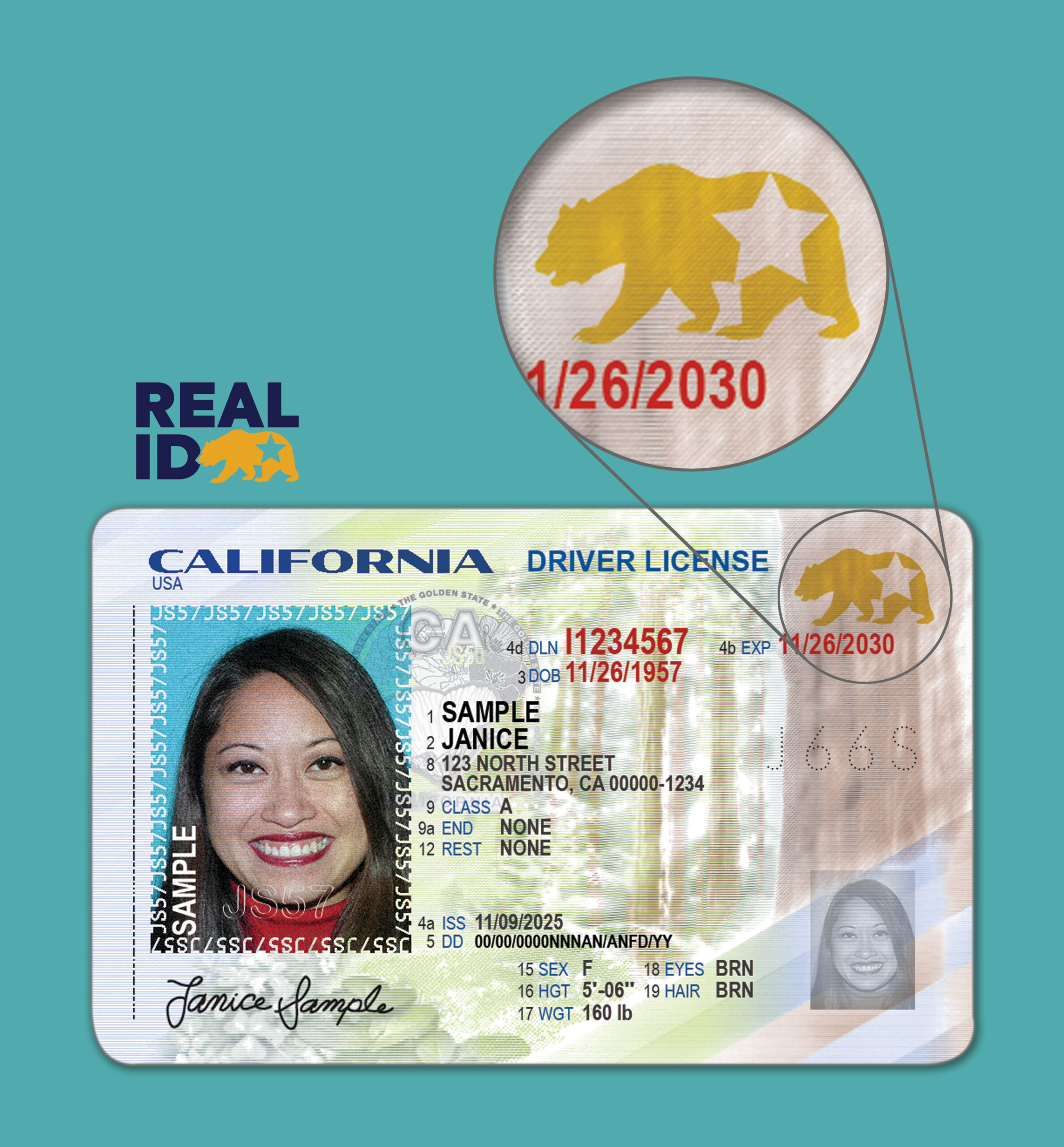
The cost of a driver’s license in California isn’t a single, fixed price. It’s a compilation of various fees levied by the Department of Motor Vehicles (DMV), interspersed with potential costs for necessary steps like vision tests and, of course, the actual application. For most first-time applicants, the primary expense will revolve around the application fee itself, which is subject to change by the state. Beyond this core cost, there are other considerations that might influence your overall expenditure.
Understanding the Core Fees: What You’ll Pay the DMV
At the heart of obtaining a California driver’s license is the fee paid to the California Department of Motor Vehicles (DMV). This fee covers the processing of your application, the administration of your written and behind-the-wheel tests, and the printing of your official license. It’s essential to note that these fees are set by the state and can be updated periodically. Therefore, always check the official DMV website for the most current pricing before you head to the office.
The Application and Permit Fee
The most significant portion of the cost for a new driver’s license in California is the application and permit fee. This single fee typically covers the initial application for a driver’s license, the instruction permit (if applicable), and the learner’s permit. This fee is paid at the time of your initial application and is non-refundable, regardless of whether you pass or fail your tests. It’s a fundamental requirement to begin the licensing process.
For a standard Class C driver’s license, the fee has historically been around $41. However, it is critical to verify this on the California DMV website as this amount can and does change. This fee structure is designed to cover the administrative costs involved in managing the licensing system, from processing applications to issuing the physical cards.
The Knowledge Test and Behind-the-Wheel Test Fees
While the application fee generally includes the opportunity to take both the knowledge test (the written exam) and the behind-the-wheel driving test, there are specific scenarios where additional fees might apply. If you fail either of these tests, you will likely be required to pay a fee to retake them. The number of retakes allowed and the associated fees will be clearly outlined by the DMV. It’s in your best interest to study thoroughly for both exams to avoid these additional costs.
The knowledge test assesses your understanding of traffic laws, road signs, and safe driving practices. The behind-the-wheel test evaluates your ability to operate a vehicle safely and competently in real-world driving conditions. Success on the first attempt is the most cost-effective approach.
License Renewal Fees
Once you have your driver’s license, it’s not a one-time purchase. Like most states, California requires periodic renewal of your driver’s license. The renewal fee is separate from the initial application fee and is also subject to change. Typically, a standard California driver’s license is valid for five years, and you will incur a renewal fee each time it expires. The renewal fee is generally less than the initial application fee but still represents a recurring cost of maintaining your driving privileges.
Beyond the DMV: Additional Potential Costs
While the DMV fees are the most direct expenses, there are other costs you might encounter on your path to obtaining a California driver’s license. These are often tied to preparation and necessities, rather than official government charges.
Vision Test Requirements
As part of the application process, you will need to pass a vision test. While most DMVs provide a vision screening as part of the service, it’s a good idea to ensure your eyesight is up to par. If you have known vision problems, you might consider visiting an optometrist or ophthalmologist beforehand. This ensures you don’t face unexpected hurdles at the DMV and potentially incur costs for corrective lenses or further eye examinations. The cost of an eye exam can vary significantly depending on the provider and your insurance coverage.
Driver Education and Behind-the-Wheel Training

For individuals under 18 years old, California law mandates completion of a driver education course and a certain number of behind-the-wheel training hours with a licensed driving instructor. These courses come with their own set of fees, which can vary widely among driving schools. Prices can range from a few hundred dollars for a basic driver’s education course to upwards of $1,000 or more for comprehensive packages that include multiple behind-the-wheel training sessions.
Even for adults, while not legally mandated, many choose to enroll in professional driving lessons. This is particularly true for those who haven’t driven much or are seeking to improve their confidence and skills before taking the official test. The cost of these private lessons typically ranges from $50 to $150 per hour, depending on the driving school and the instructor. Investing in quality training can significantly increase your chances of passing the driving test on the first try, thus saving you money on retake fees and potentially preventing costly accidents down the line.
Learner’s Permit and Provisional License Fees
For younger drivers, there are often distinct fees associated with the learner’s permit and the provisional driver’s license. The learner’s permit, which allows supervised driving practice, is usually covered within the initial application fee. However, the process of moving to a provisional license may involve additional administrative steps or fees, though these are often integrated into the overall licensing cost. The key is to understand the tiered licensing system for minors and any associated charges at each stage.
Vehicle for the Driving Test
When it comes time for your behind-the-wheel test, you’ll need a properly insured and registered vehicle. If you don’t have access to a car, you may need to rent one or arrange for a driving school’s vehicle to be used for the test. Rental car costs can fluctuate, and using a driving school vehicle might come with an additional fee on top of their training packages. Ensure the vehicle you use meets all the requirements specified by the DMV for the test.
Estimated Total Costs and Budgeting for Your License
To provide a clearer picture, let’s break down potential cost scenarios.
For Minors (Under 18):
- DMV Application/Permit Fee: Approximately $41 (subject to change).
- Driver Education Course: $100 – $400.
- Behind-the-Wheel Training: $300 – $1000+ (for required hours).
- Potential Retake Fees: If tests are failed (variable, usually around $5-$10 per retake).
- Vision Exam (if not at DMV): $50 – $150.
Estimated Total for Minors: $500 – $1,600+
For Adults (18 and Over):
- DMV Application/Permit Fee: Approximately $41 (subject to change).
- Driver Education/Training (Optional): $200 – $1000+ (if professional lessons are taken).
- Potential Retake Fees: If tests are failed (variable, usually around $5-$10 per retake).
- Vision Exam (if not at DMV): $50 – $150.
Estimated Total for Adults: $90 – $1,200+
It’s important to reiterate that these are estimates. The actual costs can be lower if you are a diligent student who passes all tests on the first attempt and has access to a car for practice and testing. Conversely, costs can rise with multiple test retakes, extensive professional training, or the need for corrective lenses.
Tips for Minimizing Costs
- Study Diligently: The most effective way to save money is to pass your knowledge and driving tests on the first try. Utilize the official California Driver Handbook, online practice tests, and consider enrolling in a reputable driver education program.
- Practice Driving Consistently: If you are a minor, make sure to complete your supervised driving hours with a licensed adult. The more comfortable and skilled you are behind the wheel, the higher your chances of passing the driving test.
- Check for Fee Waivers or Reductions: While not common for standard licenses, in certain specific circumstances (e.g., for victims of certain crimes), the DMV might offer fee waivers. It’s always worth inquiring if you believe you might qualify for any such programs.
- Compare Driving School Prices: If you opt for professional training, shop around. Prices can vary significantly between different driving schools in your area.
- Ensure Your Vision is Corrected: If you wear glasses or contact lenses, make sure you have the correct prescription and bring them with you to the DMV.
Obtaining a driver’s license in California is an investment in your freedom and mobility. While there are definite costs involved, by understanding the breakdown and employing smart strategies, you can navigate the process efficiently and affordably. Whether your goal is to explore the national parks like Yosemite National Park, visit iconic landmarks like the Golden Gate Bridge, or simply enjoy the convenience of your own transportation to your favorite California attractions, a driver’s license is the key. Remember to always refer to the official California DMV website for the most up-to-date fee information and requirements.
LifeOutOfTheBox is a participant in the Amazon Services LLC Associates Program, an affiliate advertising program designed to provide a means for sites to earn advertising fees by advertising and linking to Amazon.com. Amazon, the Amazon logo, AmazonSupply, and the AmazonSupply logo are trademarks of Amazon.com, Inc. or its affiliates. As an Amazon Associate we earn affiliate commissions from qualifying purchases.