
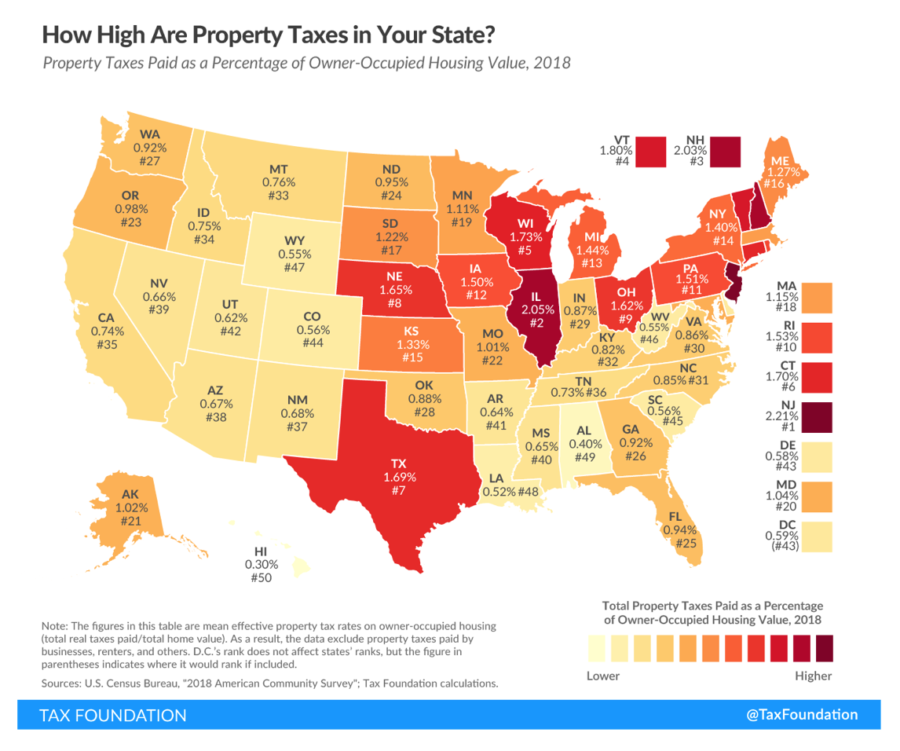
The allure of the Lone Star State is undeniable. From the vibrant cosmopolitan energy of Houston and Dallas to the live music capital charm of Austin and the historic grandeur of San Antonio, Texas offers a diverse tapestry of experiences for travelers, digital nomads, and those considering a long-term stay. Its booming economy, diverse landscapes ranging from arid deserts to lush pine forests and the Gulf Coast beaches, and a unique blend of Southern hospitality and Western ruggedness make it a compelling destination. However, whether you’re dreaming of a vacation home, planning a relocation, or investing in a boutique hotel, understanding the local financial landscape is crucial. One of the most significant considerations, often a source of both curiosity and concern, is property tax. Unlike many other states that levy an income tax, Texas relies heavily on property taxes to fund local services, making them some of the highest in the United States. This robust system directly impacts everything from the cost of accommodation for tourists to the long-term viability of owning a piece of the Texas dream. So, if you’re exploring Texas for its travel potential, considering a lifestyle shift, or eyeing an investment, delving into the intricacies of its property tax structure is a fundamental first step.
Understanding the Texas Property Tax Landscape: A Key to Lifestyle and Investment
Texas’s approach to taxation is unique, largely defined by the absence of a state income tax. While this often makes the state an attractive prospect for individuals and businesses seeking to retain more of their earnings, it necessitates a robust alternative revenue stream for public services. Property taxes fill this void, serving as the primary funding mechanism for local necessities like public schools, city services, county operations, and special districts. This system means that what you save on income tax might, in part, be reinvested into your community through higher property tax obligations. For those considering a move or a significant investment, this financial trade-off is central to budgeting and understanding the true cost of living or operating within the state.
The No-Income-Tax Trade-off: What It Means for Your Budget
The absence of a state income tax in Texas is often highlighted as a major benefit, drawing individuals and corporations alike. This allows residents to keep a larger portion of their paycheck, which can be particularly appealing for high-income earners or those looking to maximize their discretionary spending. For travelers considering an extended stay or digital nomads setting up a temporary base, the lower overall tax burden on income can free up funds for exploring Texas’s many attractions, indulging in local cuisine, or enjoying luxury accommodations. However, this benefit comes with a caveat: the state’s reliance on property taxes shifts the financial burden to property owners. Consequently, property tax rates in Texas are notably higher than the national average. Understanding this balance is crucial, as what appears as a saving on one side of the ledger can manifest as a significant expense on the other. It’s an important aspect of financial planning, whether you’re eyeing a cozy vacation rental in the Hill Country or a sprawling ranch.
Localized Taxation: Where Your Property Tax Dollars Go
Property taxation in Texas is a decentralized affair, administered at the local level rather than by the state government. This means your property tax bill isn’t a single, monolithic figure, but rather an aggregation of levies from various local taxing units. These typically include:
- School Districts: By far the largest portion of most property tax bills, school districts rely heavily on property taxes to fund educational programs, facilities, and staff salaries. This is why areas with highly-rated schools often see higher property values and, consequently, higher school tax rates.
- Cities: Municipal governments use property taxes to fund essential urban services such as police and fire departments, public libraries, parks, road maintenance, and sanitation. The level of services and infrastructure in a city directly correlates with its tax rate.
- Counties: County governments levy taxes to support county roads, courts, health services, and other administrative functions across broader geographical areas.
- Special Districts: These can include a multitude of entities like hospital districts, community college districts, water districts, and even specific improvement districts that provide targeted services within a defined area.
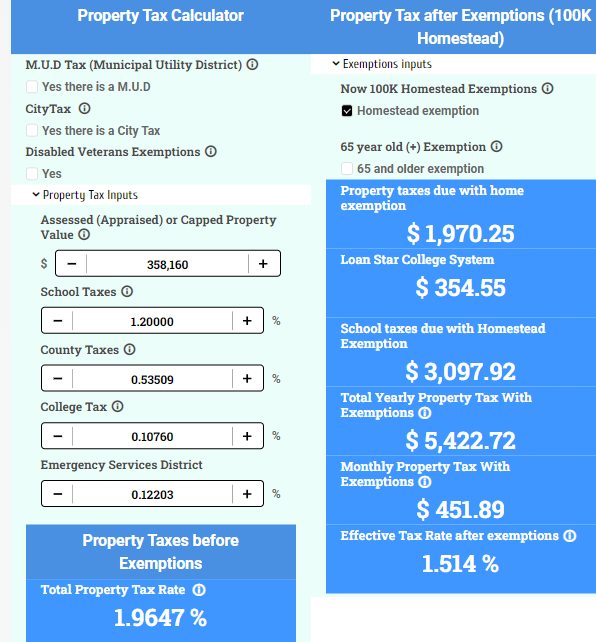
The combined impact of these various taxing entities creates the total property tax rate for a specific property. This localized approach means that property tax rates can vary significantly even between neighboring communities or within the same county, depending on the services provided and the financial needs of each district. For travelers exploring different regions of Texas, or for investors comparing real estate opportunities, this variation is a critical detail to research. A charming historic home in a bustling downtown San Antonio neighborhood might have a different tax profile than a sprawling estate just outside Austin’s city limits.
Key Factors Influencing Your Texas Property Tax Bill
Understanding the composition of your property tax bill requires a closer look at the mechanisms by which it is calculated. It’s not a flat fee but rather a product of two primary variables: your property’s appraised value and the combined tax rates set by your local taxing units. For anyone considering long-term accommodation, a vacation rental investment, or simply calculating the cost of a future home in Texas, grasping these factors is fundamental.
The Appraisal Process: Determining Your Property’s Value
In Texas, property taxes are based on the appraised value of your property as of January 1st each year. This valuation is conducted by the local County Appraisal District (CAD). The CAD’s primary goal is to determine the “market value” of your property, which is generally defined as the price a property would sell for under typical market conditions. They consider various factors including recent sales of comparable properties in your area, the size and condition of your home, land values, and any improvements made.
Once the CAD has appraised your property, they send out an appraisal notice, typically in April or May. This notice details their assessed value for your property. It’s crucial for property owners to review this notice carefully, as this is the basis for your tax bill. Understanding how your property is valued is key, especially if you believe the appraisal is too high. A higher appraisal directly translates to a higher tax liability, impacting your overall cost of living or the profitability of a rental property. For those eyeing a stay in Houston or a business venture in Fort Worth, staying informed about local market trends and appraisal practices is highly advisable.

Unpacking Tax Rates: How Local Needs Drive Your Bill
While the appraisal district determines your property’s value, it is the various local taxing units that set the actual tax rates. These rates are typically expressed as a dollar amount per $100 of appraised value. For example, a tax rate of $2.50 per $100 means you would pay $2.50 in tax for every $100 of your property’s taxable value.
Each taxing unit (school district, city, county, special district) adopts its own tax rate annually, usually in late summer or early fall, after holding public hearings. These rates are a reflection of their budgetary needs to provide the necessary public services. A rapidly growing city might need to invest more in infrastructure and services, potentially leading to higher tax rates. Similarly, school districts with increasing enrollment or ambitious educational programs might set higher rates.
The combined effect of these individual rates forms your total property tax rate. For example, if your property is within the Dallas city limits, within the Dallas Independent School District, and Dallas County, your total rate would be the sum of the city rate, the school district rate, the county rate, and any other special district rates applicable to your specific location. This highly localized system results in significant variations across the state, even within the same metropolitan area.
Essential Exemptions: Reducing Your Taxable Value
Fortunately, Texas offers several property tax exemptions that can significantly reduce the taxable value of your property, thereby lowering your overall tax bill. These exemptions are a vital component of managing property tax burdens and are particularly relevant for residents.
- Homestead Exemption: This is the most common and beneficial exemption for homeowners. It applies to your primary residence and reduces the appraised value by a certain amount for school taxes and by varying percentages for other taxing units. To qualify, you must own and occupy the property as your principal residence on January 1st of the tax year. This exemption is crucial for making homeownership more affordable and supporting the lifestyle choices of Texas residents.
- Over-65 Exemption: Homeowners aged 65 or older qualify for additional homestead exemptions from school taxes, and often from city and county taxes as well. Furthermore, this exemption often provides a “tax ceiling” for school taxes, meaning the amount of school taxes paid on that homestead cannot increase as long as you own and occupy it, even if the property’s value continues to rise. This is a significant factor for retirees considering the long-term cost of living in popular retirement destinations like the Texas Hill Country or coastal towns.
- Disabled Person Exemption: Similar to the over-65 exemption, disabled homeowners may also qualify for additional homestead exemptions and often a tax ceiling on school taxes.
- Veterans Exemptions: Texas provides exemptions for disabled veterans, with the amount varying based on the veteran’s disability rating. A 100% disabled veteran is often eligible for a full property tax exemption on their homestead.
- Agricultural Exemption (Ag Exemption): While not technically an “exemption” but a special appraisal, this allows land used for legitimate agricultural purposes to be valued based on its capacity to produce agricultural products, rather than its market value. This significantly reduces the tax burden on ranchers and farmers and is a major consideration for anyone acquiring rural land.
Applying for these exemptions is usually a one-time process with your local CAD, but it’s essential to understand eligibility requirements and deadlines. Maximizing applicable exemptions is a cornerstone of smart financial planning for any Texas property owner.
Property Tax and the Texas Lifestyle: What It Means for Residents and Visitors
The intricate system of Texas property taxes doesn’t just affect homeowners; it ripples through the entire economic fabric of the state, influencing everything from the cost of a long-term stay to the operational expenses of a luxury resort. For those drawn to Texas for its unique blend of travel experiences, diverse accommodation options, and dynamic lifestyle, understanding this impact is paramount.
Vacation Homes and Investment Properties: A Financial Outlook
For many, the dream of owning a slice of Texas extends beyond a primary residence. Vacation homes on South Padre Island, a rustic cabin near Big Bend National Park, or a modern apartment in downtown Austin for short-term rentals all represent significant investments. However, unlike a primary residence, these properties generally do not qualify for the valuable homestead exemption. This means their full appraised value is subject to taxation, often leading to a substantially higher annual tax bill compared to an owner-occupied home of similar value.
Investors eyeing the burgeoning Texas tourism market, whether for traditional long-term rentals or the lucrative short-term rental market facilitated by platforms like Airbnb, must meticulously factor property taxes into their profitability calculations. High property taxes can eat into rental income, affect capitalization rates, and influence return on investment. The location choice becomes even more critical; a beachfront condo in Galveston might command high rental rates but could also come with a hefty property tax burden due to its prime location and the various taxing districts supporting coastal infrastructure. Thorough due diligence into local tax rates and potential rental income is essential for any real estate investment strategy in Texas.
The Cost of Texas Living: Beyond the Purchase Price
Property taxes are an ongoing expense that significantly contributes to the overall cost of living in Texas. While the lack of a state income tax can offset some costs, the annual property tax bill can be a substantial financial commitment, particularly in desirable areas with high property values and robust public services. This impacts everyone, from families looking for excellent school districts to retirees seeking a peaceful community.
For individuals considering a permanent move to Texas, budgeting must extend beyond mortgage payments and utility bills to include a realistic estimate of property taxes. Resources provided by county appraisal districts and real estate websites can offer estimated tax bills based on recent sales and current rates, allowing prospective residents to gain a clearer picture of their annual expenses. This forward-thinking approach helps individuals choose a location that aligns with their financial capacity and preferred lifestyle, whether it’s the urban vibrancy of Houston or the tranquil expanses of West Texas.
Business and Boutique Stays: Impact on Accommodation Costs
The property tax burden also extends to commercial properties, including hotels, resorts, and boutique accommodations. Owners of these establishments face significant property tax liabilities, which are then typically incorporated into their operating costs. Ultimately, these costs are passed on to the consumer through room rates, service charges, and other fees. This means that guests staying in a five-star hotel in downtown Dallas are indirectly contributing to the property taxes paid by the hotel owner.
For the savvy traveler or business professional, understanding this dynamic can offer context to the pricing of accommodations across different Texas cities. While other factors like demand, amenities, and brand reputation play a significant role, the underlying property tax structure contributes to the baseline cost of offering accommodation. This can influence decisions, perhaps leading travelers to explore different neighborhoods or even nearby towns where property values and, consequently, property taxes might be lower, resulting in more competitive room rates without sacrificing quality or access to Texas’s incredible attractions like The Alamo or the NASA Johnson Space Center.
Strategies for Managing Your Texas Property Tax Burden
While Texas property taxes are an inevitable part of homeownership in the state, there are proactive steps property owners can take to manage and potentially reduce their annual tax liability. These strategies are critical for maintaining a desirable lifestyle, ensuring the profitability of investment properties, or simply making homeownership more sustainable.
Protesting Your Appraisal: An Essential Right
One of the most powerful tools available to Texas property owners is the right to protest their property appraisal. Each year, after receiving your appraisal notice from the County Appraisal District (CAD), you have a limited window—typically until May 15th or 30 days after the notice is mailed, whichever is later—to file a protest. This process allows you to challenge the CAD’s valuation if you believe it is higher than the property’s true market value or is unequal compared to similar properties.
The protest process usually begins with an informal review with an appraiser from the CAD. If an agreement cannot be reached, you can proceed to a formal hearing before the Appraisal Review Board (ARB). Preparing for a protest involves gathering evidence such as sales data for comparable properties, photos documenting needed repairs, contractor estimates, or an independent appraisal. Successfully protesting your appraisal can result in a lower taxable value for the year, directly translating to a reduced tax bill. For both long-term residents and those investing in vacation rentals, actively engaging in the appraisal protest process can lead to significant savings and is a fundamental aspect of property ownership in Texas.
Maximizing Exemptions: Don’t Leave Money on the Table
As discussed earlier, Texas offers several valuable property tax exemptions. It is crucial for property owners to ensure they apply for and receive all exemptions for which they are eligible. The homestead exemption is the cornerstone for primary residences, but remember to also apply for specific exemptions if you are over 65, disabled, or a disabled veteran. These exemptions can dramatically lower the taxable portion of your property’s value.
The application for exemptions is typically a one-time process with your local CAD, though you may need to reapply if your eligibility changes (e.g., if you turn 65). Missing out on an eligible exemption is akin to overpaying your taxes. Many appraisal districts have user-friendly websites where you can download application forms and verify which exemptions are currently applied to your property. Staying vigilant about your exemptions is a passive yet powerful way to keep your property tax burden in check, allowing more financial freedom to enjoy the diverse tourism and lifestyle offerings of Texas.
Tools and Resources for Informed Decisions
Navigating the complexities of Texas property tax requires access to accurate information. Fortunately, a wealth of resources is available:
- County Appraisal District (CAD) Websites: Each county’s CAD website is your primary source for property specific information, including appraisal history, tax records, exemption forms, and protest procedures. For example, the Travis Central Appraisal District serves Austin and surrounding Travis County, providing detailed property data.
- Texas Comptroller of Public Accounts: The state Comptroller’s office provides general information on property taxes in Texas, including publications, guides, and updates on state laws affecting property taxation.
- Real Estate Professionals: Local real estate agents and brokers often have deep knowledge of property tax trends in specific areas and can provide insights into estimated tax burdens for properties you are considering.
- Property Tax Consultants: For complex situations, particularly involving commercial properties or high-value residential properties, engaging a professional property tax consultant can be beneficial. They specialize in appraisal protests and ensuring all available exemptions are utilized.
By leveraging these resources, property owners and prospective investors can make informed decisions, accurately budget for their property tax obligations, and proactively manage their financial commitments in the dynamic Texas real estate market. This empowers individuals to fully embrace the vibrant travel experiences, unique accommodation options, and enriching lifestyle that Texas has to offer.
In conclusion, while the question “How much is property tax in Texas?” doesn’t have a single, simple answer, understanding its multi-faceted nature is vital. It’s a system shaped by local needs, property values, and available exemptions, directly impacting everything from daily living expenses to the profitability of a hotel investment. For anyone looking to explore, relocate, or invest in the Lone Star State, a thorough grasp of this crucial financial component ensures a smoother journey into the heart of Texas’s captivating lifestyle.
LifeOutOfTheBox is a participant in the Amazon Services LLC Associates Program, an affiliate advertising program designed to provide a means for sites to earn advertising fees by advertising and linking to Amazon.com. Amazon, the Amazon logo, AmazonSupply, and the AmazonSupply logo are trademarks of Amazon.com, Inc. or its affiliates. As an Amazon Associate we earn affiliate commissions from qualifying purchases.