
Planning a trip to a vibrant city like Seattle involves meticulous preparation, from securing the perfect accommodation to mapping out a detailed itinerary of iconic landmarks and cultural experiences. However, one fundamental aspect often overlooked in the excitement of travel planning is understanding the local time. For Seattle, the question “What time is it?” isn’t just about knowing the current hour; it’s a crucial factor that impacts everything from flight schedules and hotel check-ins to managing jet lag and maximizing your precious exploration time in the Emerald City.
Seattle, located in Washington State, operates on Pacific Standard Time (PST) during the winter months and Pacific Daylight Time (PDT) in the spring, summer, and fall. This means the city is either eight hours behind Coordinated Universal Time (UTC-8) or seven hours behind (UTC-7) when Daylight Saving Time is in effect. For travelers arriving from different time zones, particularly those crossing multiple international borders or even just coming from the East Coast of the United States, this time difference can significantly influence their initial experience. From coordinating business calls to ensuring you don’t miss that early morning ferry to the San Juan Islands or a reservation at a sought-after restaurant, being acutely aware of Seattle’s time is paramount for a seamless and enjoyable visit. This guide delves into the specifics of Seattle’s time zone, offering practical advice for travelers to navigate these differences, optimize their itineraries, and truly immerse themselves in all that this magnificent Pacific Northwest destination has to offer.
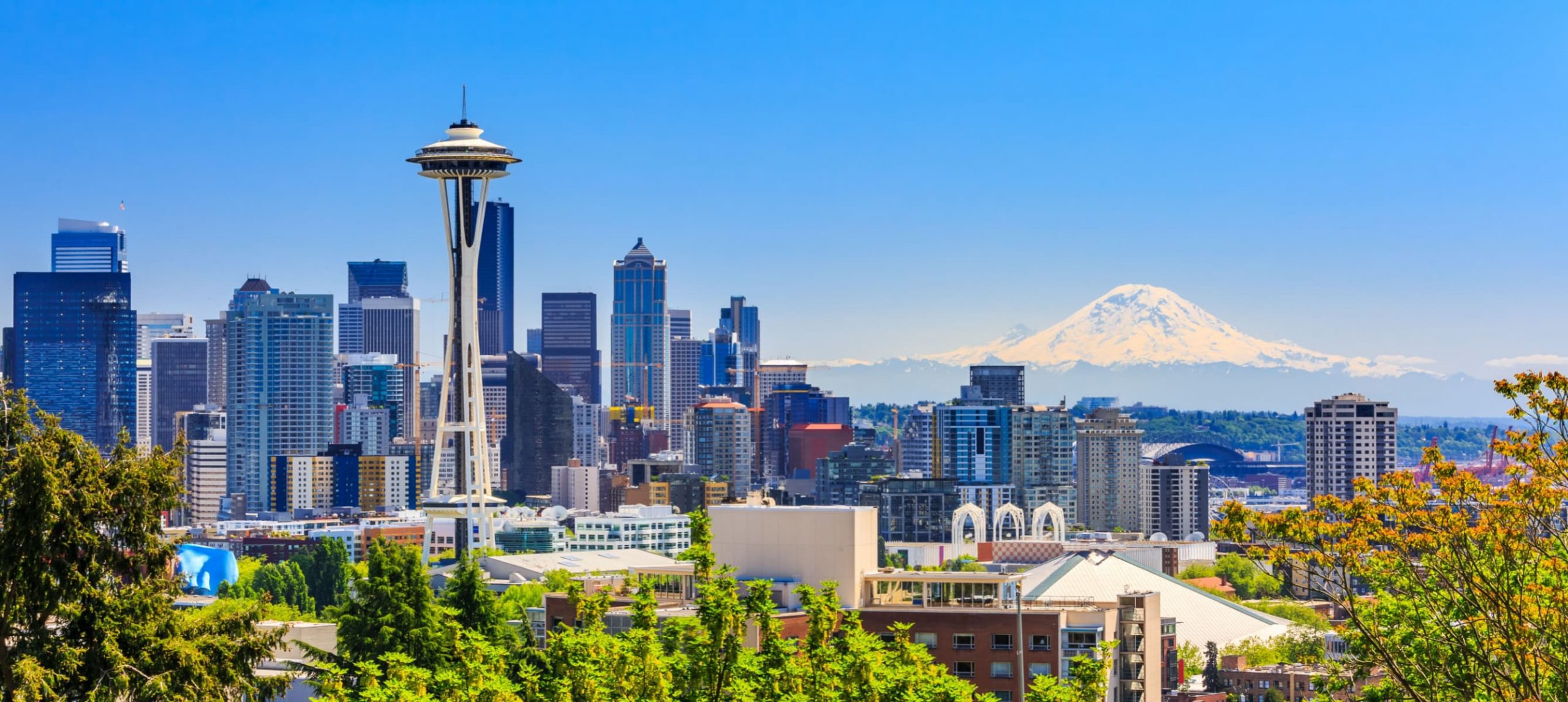
Understanding Seattle’s Time Zone: Pacific Standard Time (PST)
A fundamental understanding of Seattle’s time zone is the first step towards a well-planned trip. The city’s position on the western edge of the continental United States places it firmly within the Pacific Time Zone, a distinction shared with much of the West Coast. This geographical reality has significant implications for travelers arriving from diverse origins, necessitating careful consideration of schedules and biological rhythms.
The Basics: PST vs. PDT
Seattle observes Pacific Standard Time (PST) for approximately five months of the year, typically from early November to mid-March. During this period, Seattle’s local time is expressed as UTC-8. This means that when it’s noon in London (which observes Greenwich Mean Time, or UTC+0), it’s 4 AM in Seattle.
The remainder of the year, from mid-March to early November, Seattle switches to Pacific Daylight Time (PDT). This adjustment, commonly known as Daylight Saving Time, moves the clocks forward by one hour, effectively making Seattle UTC-7. The primary purpose of this shift is to extend daylight into the evening hours during the warmer months, offering more time for outdoor activities and reducing energy consumption. For visitors, this means enjoying longer evenings to explore attractions like Pike Place Market or take an Argosy Cruises harbor tour under a lingering sunset. The changeover dates for Daylight Saving Time are standardized across the United States, with clocks typically moving forward on the second Sunday in March and back on the first Sunday in November. Keeping these transitions in mind is crucial, especially if your travel dates straddle these periods, to avoid any scheduling mishaps.
Practical Implications for Travelers
Understanding Seattle’s time zone extends beyond mere trivia; it’s a practical necessity that directly influences the logistics of your journey. The most immediate impact is felt upon arrival at Seattle-Tacoma International Airport (SEA). If you’re flying in from the East Coast, for instance, you’ll be gaining three hours, which can initially feel disorienting. A flight departing New York City at 9 AM EST might land in Seattle at 12 PM PST, despite a five-to-six-hour flight duration. Conversely, flying eastward means losing those hours, which can make a return journey feel shorter but more exhausting.
Beyond flights, time differences play a critical role in coordinating any pre-booked activities or essential communications. Business travelers, for example, must be mindful of the time gap when scheduling virtual meetings with colleagues in different time zones. A 9 AM meeting in New York translates to a very early 6 AM start in Seattle. Similarly, family travelers needing to check in with relatives or manage children’s sleep schedules will find that respecting the local time from the moment of arrival is key to a smoother transition. Even simple tasks like making a dinner reservation or confirming a tour booking can be affected if you’re not operating on local time. Always double-check event times, reservation slots, and opening hours for attractions like the Space Needle or the Museum of Pop Culture in Seattle’s local time to avoid disappointment.
Navigating Time Differences: A Traveler’s Guide to Seattle
Successfully navigating time differences is an art form for frequent travelers, and a visit to Seattle offers the perfect opportunity to master it. Beyond merely knowing the clock, it’s about strategizing your activities and self-care to ensure a vibrant and energetic experience from start to finish.
Beating Jet Lag and Maximizing Your Experience
Jet lag can significantly dampen the excitement of a trip, especially when traversing multiple time zones to reach Seattle. The disruption to your body’s natural circadian rhythm can lead to fatigue, irritability, and difficulty concentrating. To combat this, proactive measures are essential. Begin adjusting your sleep schedule a few days before your departure, gradually shifting it towards Seattle’s time. Upon arrival, immerse yourself in the local time immediately. If you land in the morning, resist the urge to nap and instead expose yourself to natural light; a stroll around Pioneer Square or along the waterfront can work wonders. Conversely, if you arrive late in the day, try to stay awake until a reasonable bedtime in Seattle to reset your internal clock.
Hydration is your best friend when flying, as cabin air is notoriously dry and contributes to fatigue. Drink plenty of water throughout your flight and during your initial days in Seattle. Limit caffeine and alcohol, which can disrupt sleep patterns further. Light exercise, even a gentle walk, can also help your body adjust. For business travelers, optimizing arrival times to allow a full day to acclimate before critical meetings is invaluable. For families, maintaining consistent sleep routines for children, even with the time change, can prevent meltdowns and ensure everyone enjoys the trip. Leveraging the time difference creatively, such as using an early morning arrival to unpack and explore before the city fully awakens, can help you maximize every moment of your Seattle adventure.
Planning Your Itinerary: Time-Sensitive Attractions and Activities
Seattle’s array of attractions and activities often come with specific operating hours that are crucial to consider when planning your itinerary. From world-renowned landmarks to culinary hotspots, a careful eye on the clock will ensure you don’t miss out. The iconic Space Needle, for instance, has varying hours depending on the season, with extended evening hours during peak summer, offering breathtaking sunsets over Puget Sound. Similarly, Pike Place Market, while generally open early, sees its fishmongers and artisanal vendors winding down in the late afternoon. Visiting earlier in the day can offer a more authentic, less crowded experience.
Cultural institutions like Chihuly Garden and Glass and the Museum of Pop Culture (MoPOP) also adhere to strict opening and closing times, making advance ticket booking for specific time slots a smart move, especially during high season, to save time and guarantee entry. For unique experiences like the Boeing Future of Flight tour, which offers a fascinating glimpse into aviation history and manufacturing, tours run on a fixed schedule and often sell out well in advance. Planning these time-specific activities first and then filling in the gaps with more flexible exploration can optimize your day.
Dining in Seattle also requires time awareness. Many popular restaurants, particularly those with coveted views or unique culinary offerings, require reservations, sometimes weeks in advance. If you’re planning a special dinner, check reservation policies and book accordingly, keeping Seattle’s dinner hours (typically starting around 5:00 PM and peaking between 7:00 PM and 9:00 PM) in mind. For travelers interested in catching a live performance, such as a show at the Paramount Theatre or a concert, showtimes are always strictly adhered to, so arriving early is advisable to find your seats and enjoy the ambiance.
Accommodation and Scheduling: Making the Most of Your Stay
The choice of accommodation in Seattle and how you manage your schedule around it are intertwined with your understanding of local time. From the moment you arrive at your chosen hotel or rental, the clock dictates key operational aspects that can significantly impact your travel experience.
Checking In and Out: Time Management for Hotels and Rentals
Most hotels in Seattle, from luxury establishments like the Fairmont Olympic Hotel and Thompson Seattle to more budget-friendly options, adhere to standard check-in times, typically around 3:00 PM or 4:00 PM PST/PDT, and check-out times, usually around 11:00 AM or 12:00 PM. These times are set to allow for proper cleaning and preparation of rooms between guests. However, for travelers arriving on early morning flights or departing late in the evening, these rigid schedules can pose a challenge.
If your flight arrives long before standard check-in, consider contacting your accommodation in advance to inquire about early check-in availability. While not always guaranteed, especially during peak seasons, many hotels will accommodate if a room is ready, sometimes for a small fee. Alternatively, most hotels offer luggage storage services, allowing you to drop off your bags and begin exploring Seattle immediately, rather than waiting idly. Upscale hotels like the Hyatt Regency Seattle are often well-equipped to handle such requests, enhancing the overall guest experience.
Similarly, for late departures, a late check-out option can be invaluable. This might also come with a fee or be granted based on availability. If a late check-out isn’t possible, utilizing luggage storage allows you to enjoy your last few hours in the city without the burden of your bags. For those staying in vacation rentals or apartments, check-in and check-out procedures can vary greatly. Some may offer more flexibility with self-check-in options, while others have strict key exchange schedules. Always clarify these details well in advance to prevent any last-minute stress. Planning your final activities around these times, perhaps enjoying a brunch before checking out or visiting an attraction close to the airport before heading to Seattle-Tacoma International Airport, can help you maximize every moment of your trip.
Lifestyle and Leisure: Synchronizing Your Seattle Experience
Beyond logistical considerations, understanding Seattle’s time allows travelers to fully embrace the local lifestyle and leisure activities. The city offers a dynamic blend of daytime exploration and vibrant evening entertainment, and synchronizing your personal rhythm with these offerings can unlock a deeper, more enriching experience.
During the day, with PDT in effect, Seattle enjoys extended daylight, making it ideal for outdoor adventures. You might allocate a morning to exploring the Olympic Sculpture Park, an afternoon to a scenic ferry ride across Puget Sound, and still have ample daylight left for a leisurely dinner with waterfront views. Day trips to natural wonders like Mount Rainier National Park or Olympic National Park also require careful time management; leaving early ensures you have enough hours to fully appreciate these majestic landscapes before heading back to the city.
In the evenings, Seattle truly comes alive. Sports enthusiasts can catch a Seattle Mariners baseball game at T-Mobile Park or cheer on the Seattle Seahawks at Lumen Field, with games typically starting in the early evening. The city’s diverse neighborhoods offer a plethora of nightlife options, from sophisticated cocktail bars in Belltown to live music venues in Capitol Hill. Being adjusted to local time means you can enjoy these experiences without feeling prematurely tired. For those on a business trip, understanding the rhythms of Seattle’s professional and social scene allows for networking opportunities and relaxation that align with local customs. Whether you’re seeking luxury travel experiences or exploring Seattle on a budget, an awareness of time ensures you’re never rushing, always punctual, and consistently present for every memorable moment the city has to offer.
In conclusion, while the question “What Time Seattle Washington?” seems straightforward, its implications for travelers are far-reaching. From understanding the nuances of Pacific Standard Time and Daylight Saving Time to strategically planning your itinerary, managing jet lag, and coordinating accommodation logistics, time is a silent yet powerful factor in shaping your journey. By being mindful of the clock and making informed decisions based on Seattle’s local time, you can transform a good trip into an exceptional one, filled with seamless transitions, maximized exploration, and unforgettable experiences in one of the United States’ most captivating cities.
LifeOutOfTheBox is a participant in the Amazon Services LLC Associates Program, an affiliate advertising program designed to provide a means for sites to earn advertising fees by advertising and linking to Amazon.com. Amazon, the Amazon logo, AmazonSupply, and the AmazonSupply logo are trademarks of Amazon.com, Inc. or its affiliates. As an Amazon Associate we earn affiliate commissions from qualifying purchases.