
The Grand Canyon, a monumental chasm carved by the Colorado River over millions of years, stands as one of Earth’s most breathtaking natural wonders. Its sheer scale, vibrant geology, and profound silence draw millions of visitors annually, beckoning adventurers, nature lovers, and history enthusiasts alike. While its fame is global, its precise geographical context is rooted firmly within the United States. This iconic landmark is almost entirely situated within the vast and diverse state of Arizona, a fact that anchors much of its accessibility and the surrounding tourism infrastructure. Understanding its location within Arizona is the first step in planning an unforgettable journey to this geological masterpiece.
Arizona, often referred to as the “Grand Canyon State,” proudly hosts the overwhelming majority of the Grand Canyon National Park. Spanning a staggering 277 miles (446 km) in length, up to 18 miles (29 km) in width, and over a mile (1.8 km) deep, the canyon’s immense footprint makes it a dominant feature of northern Arizona’s landscape. Its location within the state is not uniform; different parts of the canyon offer distinct experiences and accessibility points, primarily categorized into the South Rim, North Rim, and the West Rim. Each segment, while undeniably part of the same colossal formation, presents unique logistical considerations, visitor experiences, and surrounding accommodation options. Delving into these distinct regions is crucial for any traveler mapping out their adventure to this unparalleled destination.
Unveiling the Grand Canyon’s Arizonan Embrace
The Grand Canyon is more than just a single point on a map; it’s an expansive geological marvel that carves a dramatic path through the Colorado Plateau. Its presence in Arizona is not merely incidental but defines much of the state’s identity and its vibrant travel and tourism industry.
Pinpointing the Natural Wonder
Geographically, the Grand Canyon lies in the northwestern part of Arizona. The primary and most accessible section, the South Rim, is situated approximately 60 miles (97 km) north of Williams, Arizona, and about 80 miles (129 km) northwest of the charming high-desert city of Flagstaff. These two towns serve as critical gateways, providing essential services, hotels, and transportation links to the national park. The nearest major international airports for most visitors flying into Arizona are Phoenix Sky Harbor International Airport (PHX) in Phoenix and Harry Reid International Airport (LAS) in Las Vegas, Nevada. From Phoenix, the drive to the South Rim is roughly 3.5 to 4 hours, covering about 230 miles (370 km), while from Las Vegas, it’s a 4.5 to 5-hour drive, approximately 280 miles (450 km). These distances underscore the canyon’s remote, yet reachable, location within the vast Southwestern landscape.
The Distinct Personalities of the Rims
The Grand Canyon is commonly experienced through three main access points, each offering a unique perspective and set of experiences:
-
The South Rim: This is by far the most popular and accessible section of the Grand Canyon National Park. Open year-round, it boasts the majority of the park’s visitor services, lodges, restaurants, and camping facilities. Its accessibility and numerous panoramic viewpoints, such as Mather Point, Yavapai Point, and Desert View Watchtower, make it ideal for first-time visitors and families. The historic Grand Canyon Village, a hub of activity, is also located here.
-
The North Rim: Located about 10 miles (16 km) across the canyon from the South Rim as the crow flies, but a demanding 220-mile (354 km) drive by road, the North Rim presents a stark contrast. It’s higher in elevation, cooler, and characterized by more lush forests. This rim is much less crowded, receiving only about 10% of the park’s visitors, largely due to its seasonal opening (typically mid-May to mid-October) and more remote location. It appeals to those seeking solitude and a more rugged experience, with viewpoints like Bright Angel Point and Cape Royal.
-
The West Rim: This section is not part of the Grand Canyon National Park but is managed by the Hualapai Tribe on their reservation land. Situated approximately 2.5 hours east of Las Vegas, it is distinct for its famous Grand Canyon Skywalk, a horseshoe-shaped glass bridge extending over the canyon. The West Rim offers a different type of commercialized tourism, including helicopter tours that land on the canyon floor, and is a popular day trip for visitors based in Las Vegas. While not offering the classic national park experience, it provides unique perspectives and cultural insights into the Hualapai people.
Planning Your Journey: Reaching the Canyon
Getting to the Grand Canyon involves more than just knowing its location; it requires understanding the logistics of travel within Arizona’s vast landscape. Whether you prefer driving, flying, or taking a scenic train, there are multiple avenues to reach this unparalleled destination.
Major Gateways and Transportation Hubs
The journey to the Grand Canyon often begins in one of several key cities, acting as launchpads for exploration:
-
Flagstaff, Arizona: This mountain town, approximately 1.5 hours southeast of the South Rim, is a popular hub. It has a regional airport (Flagstaff Pulliam Airport – FLG) with connections to larger airports like Phoenix and Denver. Flagstaff offers a wide array of hotels, restaurants, and services, making it a convenient base camp for exploring not only the Grand Canyon but also nearby attractions like Sedona and Wupatki National Monument.
-
Williams, Arizona: Situated directly on historic Route 66, Williams is approximately an hour south of the South Rim. It’s famously known as the home of the Grand Canyon Railway, offering a unique and nostalgic train journey directly to the Grand Canyon Village. This option combines historical charm with convenient access, reducing the need for personal vehicles within the park.
-
Phoenix, Arizona: As Arizona’s capital and largest city, Phoenix serves as the primary international gateway to the state. Visitors flying into Phoenix Sky Harbor International Airport will typically rent a car or arrange for shuttle services for the approximately 3.5 to 4-hour drive north to the canyon.
-
Las Vegas, Nevada: For many international and domestic travelers, Las Vegas offers another convenient starting point, especially for those interested in the West Rim. Regular shuttle buses, guided tours, and helicopter flights depart from Las Vegas to various parts of the canyon, making it an excellent option for those looking for a diverse Southwestern itinerary that includes both urban excitement and natural beauty.
Navigating to Each Rim
The choice of rim significantly impacts your travel itinerary and mode of transport:
-
To the South Rim: The easiest access is by car via Highway 64 from Williams or Highway 180 from Flagstaff. Shuttle services also operate from these cities, and the Grand Canyon Railway from Williams is a unique alternative. Once inside the park, free shuttle buses efficiently transport visitors to popular viewpoints and trailheads, reducing traffic and parking woes, especially during peak season.
-
To the North Rim: Access is considerably more challenging. The only paved road, Highway 67, connects to U.S. Route 89A near Jacob Lake. This route is closed in winter. The nearest major town is Kanab, Utah, about 80 miles (129 km) away, or Page, Arizona which is 130 miles (209 km) away. Driving is virtually the only option for reaching the North Rim, and visitors must be prepared for winding mountain roads and potentially limited services.
-
To the West Rim: This rim is best accessed from Las Vegas by car, a 2-2.5 hour drive (approximately 120 miles or 193 km). The drive involves passing by landmarks like the Hoover Dam and Lake Mead. Many organized bus tours and helicopter tours depart from Las Vegas, offering convenient packages that often include the Skywalk and other tribal experiences.
Immersive Experiences and Activities at the Grand Canyon
The Grand Canyon is not just a sight to behold; it’s a place for profound engagement. Its vastness and diverse topography lend themselves to a myriad of activities that cater to all levels of adventurers, from leisurely strolls to challenging expeditions, ensuring every visitor finds their unique way to connect with this natural wonder.
Must-See Viewpoints and Scenic Drives
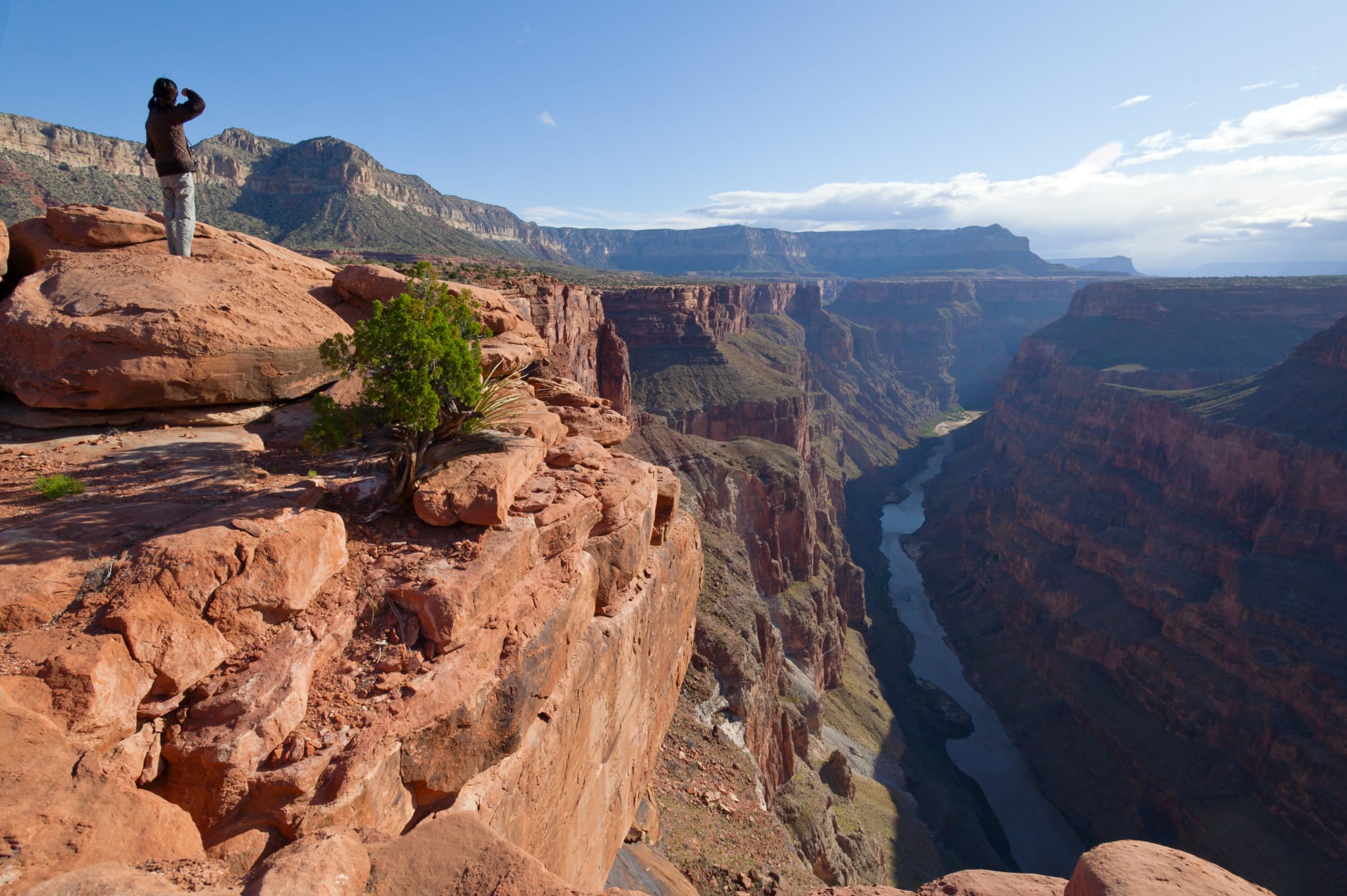
The most immediate and accessible way to appreciate the Grand Canyon is through its numerous viewpoints and scenic drives, particularly along the South Rim. The Hermit Road Scenic Drive (accessible by shuttle bus for most of the year) offers stunning vistas at stops like Maricopa Point, Hopi Point (famous for sunsets), and Pima Point. To the east, the Desert View Drive, which visitors can drive themselves, leads to equally magnificent overlooks such as Grandview Point and the historic Desert View Watchtower, offering expansive views of the Colorado River as it snakes through the canyon. On the less-visited North Rim, Cape Royal and Point Imperial provide elevated, panoramic views that are often quieter and more reflective. Each viewpoint offers a distinct perspective on the canyon’s immense scale and geological layers, encouraging contemplation and photography.
Adventure Awaits: Hiking, Rafting, and Aerial Tours
For those seeking more active experiences, the Grand Canyon presents a wealth of options:
-
Hiking: The South Rim is home to world-renowned trails like the Bright Angel Trail and the Kaibab Trail. These trails descend into the canyon, offering challenging hikes with incredible scenery, often leading to overnight stays at the bottom at Phantom Ranch or designated campgrounds. Day hikes to shorter distances like the Ooh Aah Point or Shoshone Point also provide a taste of the inner canyon’s majesty without committing to an overnight descent. Always remember that hiking down is optional, but hiking back up is mandatory, and proper preparation for weather and hydration is critical.
-
Rafting the Colorado River: This is the ultimate Grand Canyon adventure, offering an unparalleled perspective from the canyon floor. Trips can range from one-day excursions on smooth water (often from the West Rim or near Page) to multi-day whitewater rafting expeditions that navigate challenging rapids and explore hidden side canyons. These trips require booking far in advance, often a year or more, and are led by experienced outfitters.
-
Aerial Tours: For a truly awe-inspiring view, helicopter and fixed-wing airplane tours provide a bird’s-eye perspective of the canyon’s vastness. Departing from airports near the South Rim (e.g., Grand Canyon National Park Airport in Tusayan) or from Las Vegas for the West Rim, these tours offer spectacular photo opportunities and a sense of the canyon’s incredible scale that can’t be grasped from the rim alone. Many Las Vegas tours even include landing on the canyon floor for a unique picnic experience.
Connecting with Nature and History
Beyond its geological splendor, the Grand Canyon is rich in both natural and human history. Visitors can engage with park rangers for interpretive programs and guided walks that delve into the canyon’s formation, ecology, and native wildlife. The Grand Canyon Museum of Natural History at Yavapai Point offers educational exhibits. Additionally, ancient Native American sites and artifacts provide a glimpse into the thousands of years of human habitation in this challenging environment. The Hualapai Village at Grand Canyon West offers cultural experiences, showcasing tribal dances, traditional dwellings, and local crafts, fostering a deeper appreciation for the canyon’s enduring cultural significance.
Accommodation and Lifestyle: Making Your Stay Memorable
A visit to the Grand Canyon extends beyond its geological wonders; it encompasses where you choose to rest your head and how that choice shapes your overall travel lifestyle. From historic lodges perched on the rim to budget-friendly options in nearby towns, the accommodation landscape caters to a diverse range of preferences and budgets.
Staying Within the Grand Canyon National Park
For the most immersive experience, staying inside the Grand Canyon National Park, particularly on the South Rim, is unparalleled. The park offers several historic and modern lodges, all managed by Xanterra Parks & Resorts. These include:
- El Tovar Hotel: A historic and luxurious hotel, considered the crown jewel of the park’s accommodations, offering elegant rooms and fine dining right on the rim. Its rustic charm and prime location make it highly sought after.
- Bright Angel Lodge: Designed by Mary Colter, this lodge offers a range of rustic to comfortable rooms, including historic cabins, and is a great option for those seeking charm and convenience without the premium price of El Tovar.
- Maswik Lodge and Yavapai Lodge: These offer more contemporary and family-friendly rooms, slightly set back from the rim but still within easy walking distance or shuttle access to park attractions.
- Kachina Lodge and Thunderbird Lodge: Modern, motel-style rooms with direct rim views, providing comfort and convenience.
On the North Rim, the Grand Canyon Lodge North Rim is the only hotel accommodation within the park, offering cabins and motel rooms with stunning views from its dining room. Due to its limited capacity and seasonal operation, booking well in advance (up to 13 months) is essential for any in-park stay.
Beyond hotels, the Grand Canyon National Park also provides multiple campgrounds, such as Mather Campground and Desert View Campground on the South Rim, and North Rim Campground on the North Rim. These cater to budget-conscious travelers and those who prefer a closer connection with nature.
Gateway Towns: A Range of Options
For those unable to secure in-park accommodation or preferring a wider selection of services, the gateway towns offer excellent alternatives:
-
Tusayan, Arizona: Just 7 miles south of the South Rim entrance, Tusayan provides the closest off-park hotels, including major chains like Best Western, Holiday Inn Express, and Grand Canyon Plaza Hotel. It also offers restaurants, gift shops, and an IMAX theater with a compelling film about the canyon. During peak season, a shuttle service runs between Tusayan and the park.
-
Williams, Arizona: As mentioned, Williams is a historic Route 66 town about an hour’s drive from the South Rim. It offers numerous motels, RV parks, and dining options, often at more competitive prices than Tusayan. It’s an ideal base, especially for those planning to take the Grand Canyon Railway.
-
Flagstaff, Arizona: Offering the broadest range of accommodation from luxury resorts to budget-friendly hostels, Flagstaff is about 1.5 hours away. It’s a great choice for travelers who want to combine a Grand Canyon visit with exploring other Northern Arizona attractions.
Tailoring Your Trip: Luxury, Budget, and Family Considerations
The Grand Canyon can be experienced across a spectrum of lifestyles and budgets:
-
Luxury Travel: For an upscale experience, booking a suite at the El Tovar Hotel or opting for a private guided tour, often including helicopter segments and gourmet meals, would be ideal. Some travelers might combine a Grand Canyon visit with stays at luxury resorts in Sedona or Scottsdale before or after their canyon adventure.
-
Budget Travel: Camping within the park or staying in motels in Williams or Flagstaff are excellent ways to save money. Packing your own food and utilizing the free park shuttles for transportation can further reduce costs. The park entrance fee is per vehicle, encouraging carpooling.
-
Family Trips: The South Rim is highly family-friendly, with paved rim trails suitable for strollers, ranger programs for kids, and diverse accommodation options. Maswik Lodge or Yavapai Lodge are often good choices for families due to their amenities and proximity to services. The Grand Canyon Railway from Williams also offers an engaging experience for children.
-
Business Stays/Events: While not a traditional business destination, the Grand Canyon can host small corporate retreats or team-building events. Facilities like the Grand Canyon National Park Lodges offer meeting spaces, and the unique environment provides an inspiring backdrop for strategic planning or creative workshops, blending work with unparalleled natural beauty.
Regardless of your chosen lifestyle or budget, advance booking for accommodations and popular activities is highly recommended, especially during peak season, to ensure a seamless and enjoyable visit to one of the world’s most spectacular natural wonders.
Essential Tips for a Seamless Grand Canyon Visit
To truly maximize your Grand Canyon experience, careful planning and attention to practical details are paramount. From understanding the best times to visit to packing the right gear, these tips will help ensure your journey is as smooth and enjoyable as the canyon is grand.
Best Time to Visit and Weather Considerations
The Grand Canyon offers distinct experiences throughout the year, with weather playing a significant role in accessibility and crowd levels:
-
Spring (March to May) and Fall (September to November): These are generally considered the best times to visit. The weather is pleasant, with moderate temperatures ideal for hiking and exploring. Crowds are present but manageable, especially outside of major holidays. Wildflowers bloom in spring, and the autumn foliage offers vibrant colors, particularly on the North Rim.
-
Summer (June to August): This is peak tourism season, with the largest crowds, particularly on the South Rim. Temperatures on the rim can be hot, often exceeding 90°F (32°C), and even hotter inside the canyon (potentially over 100°F/38°C). Thunderstorms are common in late summer during the monsoon season. Despite the heat and crowds, extended daylight hours allow for more exploration, and river rafting is in full swing.
-
Winter (December to February): The South Rim remains open, offering a serene and often snow-dusted landscape that provides a unique and majestic perspective. Crowds are minimal, and accommodation prices may be lower. However, some roads and trails may be closed due to snow and ice. The North Rim is completely closed to vehicles from mid-October to mid-May due to heavy snowfall. Winter visits require warm clothing layers and an awareness of potential road closures.
Packing Essentials and Safety Guidelines
Preparation is key to a safe and enjoyable visit to the Grand Canyon’s diverse environments:
-
Hydration is Crucial: Regardless of the season, bring plenty of water, especially if you plan to hike. Dehydration is a serious risk in Arizona’s arid climate. Carry at least 1 gallon (3.8 liters) of water per person per day if hiking into the canyon.
-
Layered Clothing: Temperatures can fluctuate dramatically between day and night, and between the rim and the canyon floor. Pack layers that can be added or removed as needed, including sun protection (hat, sunglasses, sunscreen) and rain gear, even if the forecast looks clear.
-
Appropriate Footwear: Sturdy, broken-in hiking boots are essential for any trail activity, providing ankle support and good grip. Even for casual walks along the rim, comfortable shoes are advisable.
-
Snacks and Food: While dining options are available, especially on the South Rim, bringing your own snacks and picnic supplies can save money and provide flexibility, particularly for North Rim visits or longer drives.
-
Safety First:
- Stay on designated trails and pathways. Do not climb over railings or venture too close to the edge. The ground near the rim can be unstable.
- Heed all warning signs. These are in place for your safety.
- Know your limits, especially when hiking. Descending into the canyon is easier than ascending. Plan your hikes realistically and turn around before you are exhausted.
- Wildlife: Observe wildlife from a distance. Do not feed animals.
- Inform Someone: If attempting a challenging hike, let someone know your itinerary.
By keeping these practical considerations in mind, visitors can ensure a respectful, safe, and truly unforgettable encounter with the majestic Grand Canyon, reaffirming its status as a must-visit destination in Arizona.
LifeOutOfTheBox is a participant in the Amazon Services LLC Associates Program, an affiliate advertising program designed to provide a means for sites to earn advertising fees by advertising and linking to Amazon.com. Amazon, the Amazon logo, AmazonSupply, and the AmazonSupply logo are trademarks of Amazon.com, Inc. or its affiliates. As an Amazon Associate we earn affiliate commissions from qualifying purchases.