
Navigating the legal intricacies of separating from a spouse can feel overwhelming, especially when embarking on a new chapter of your life. While the term “separation” might sound definitive, in California, it’s a distinct legal process that often precedes a formal divorce. Understanding these nuances is crucial for a smooth transition, whether you’re contemplating a fresh start or seeking legal clarity. This guide will illuminate the path for those considering filing for separation in California, offering insights into the process, its implications, and how it differs from divorce. Think of this as your introductory guide, much like planning your first solo adventure to a new destination – preparation and understanding are key.
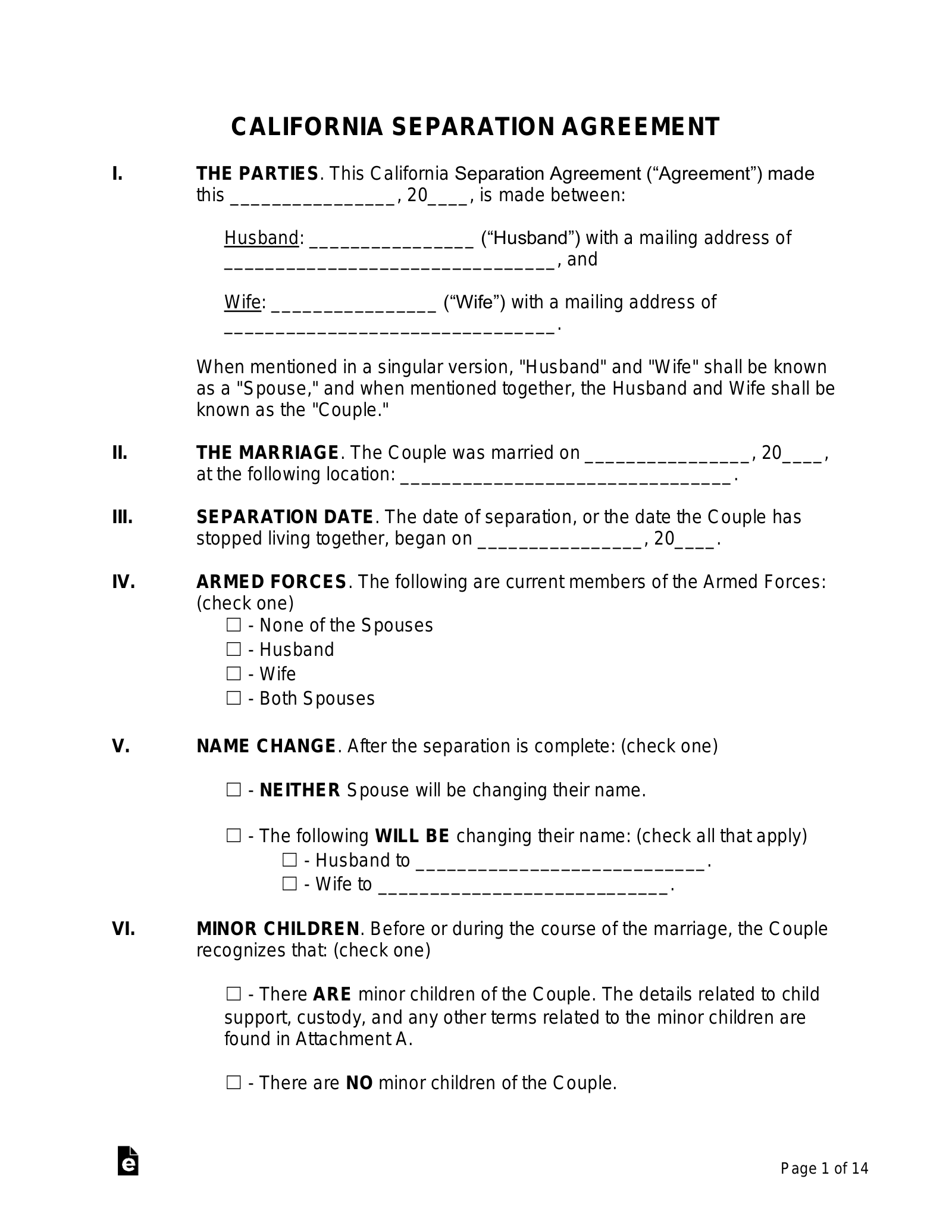
Understanding Legal Separation in California
In California, legal separation is a court order that allows married couples to live apart while remaining legally married. This is a vital distinction. Unlike divorce, which terminates the marriage entirely, legal separation does not dissolve the marital bond. This can be a significant factor for individuals who wish to maintain certain benefits, such as health insurance coverage through a spouse’s employer, or for those whose religious beliefs do not permit divorce. It’s a pathway that allows for a structured separation of assets, debts, and responsibilities without severing the marriage.
The Prerequisites for Filing
Before you can file for legal separation in California, there are a few essential requirements you must meet. Primarily, at least one of the spouses must have resided in California for a minimum of six months and in the specific county where you intend to file for at least three months. This residency requirement ensures that the California courts have jurisdiction over your case. Meeting these residency criteria is akin to booking your flight and accommodation for an international trip – you need to ensure you’re eligible to be in that location before you can proceed with your plans.
Grounds for Legal Separation
While California is a no-fault divorce state, meaning you don’t need to prove wrongdoing to get a divorce, legal separation operates similarly. The primary grounds for filing for legal separation are typically irreconcilable differences, which simply means the marriage has broken down and there’s no reasonable prospect of reconciliation. Other grounds, though less common in modern practice, can include incurable insanity. The focus is on the present state of the marriage, not on assigning blame, making the process more streamlined and less adversarial.
The Process of Filing for Legal Separation
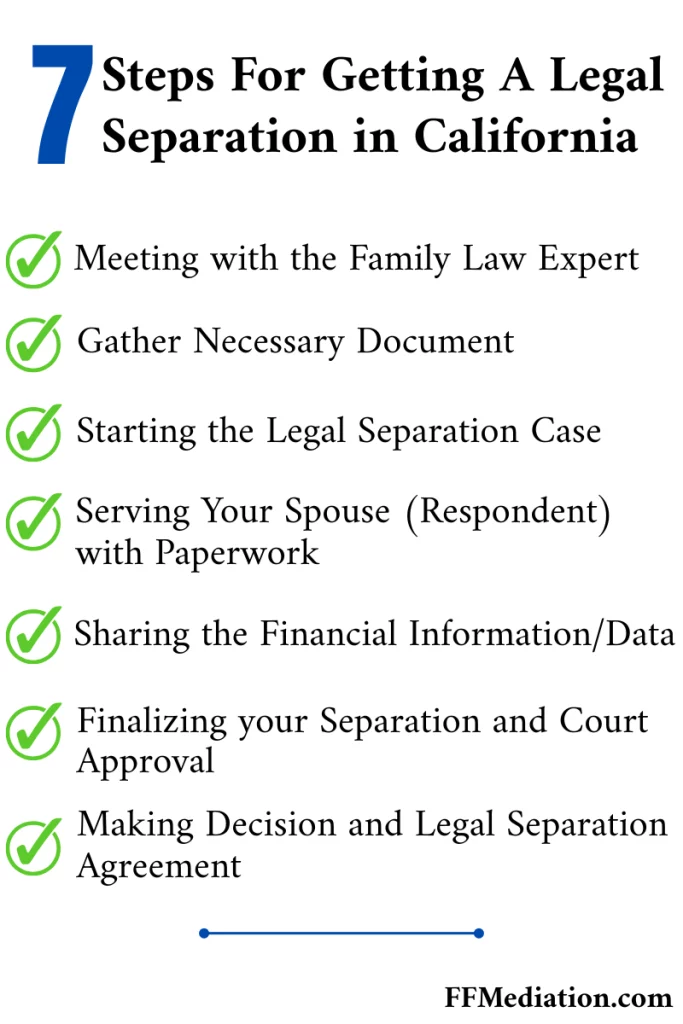
Filing for legal separation in California involves a series of procedural steps. It’s a journey that, while legal, can feel as structured and deliberate as planning a multi-city tour. Each step is essential for ensuring your case is handled correctly by the court.
Initiating the Process: Filing the Petition
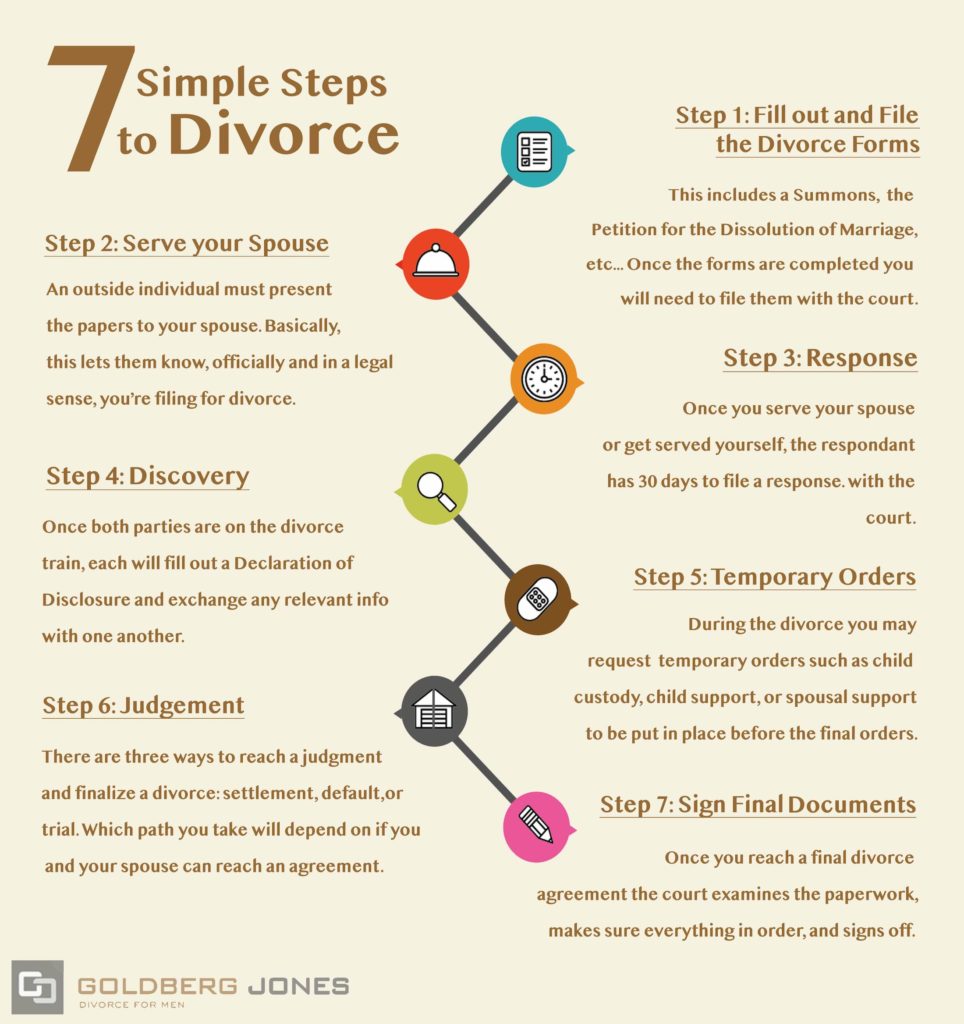
The first formal step is to file a Petition with the Superior Court in the county where you or your spouse meets the residency requirements. The primary form used is the Petition for Dissolution of Marriage or Legal Separation (Form FL-100). This document formally requests the court to grant a legal separation and outlines basic information about the marriage, including the names of the spouses, the date of marriage, and the grounds for separation.
Alongside the petition, you will also need to file a Summons (Form FL-110). The summons formally notifies your spouse that a legal action has been filed against them and informs them of their obligation to respond within a specific timeframe.
Serving Your Spouse
Once the Petition and Summons are filed with the court, they must be officially served on your spouse. This means your spouse must be personally given a copy of these documents. Service cannot be done by you; it must be performed by an independent third party, such as a sheriff’s deputy, a professional process server, or any adult who is not a party to the case. This ensures fairness and that your spouse is properly notified of the legal proceedings. The server will then file a Proof of Service form with the court, confirming that your spouse has been legally notified.
Your Spouse’s Response
After being served, your spouse has 30 days to file a response with the court. The primary form for their response is the Response – Marriage/Domestic Partnership (Form FL-120). In their response, your spouse can agree with the terms outlined in your petition or present their own terms and requests. If your spouse fails to file a response within the 30-day period, you may be able to proceed with a “default” judgment, meaning the court may grant your requests without their formal input.
Financial Disclosures
A critical component of any legal separation or divorce proceeding in California is the full and accurate disclosure of all financial assets and debts. Both parties are required to exchange detailed financial information, typically through forms such as the Declaration of Disclosure (Form FL-140), Income and Expense Declaration (Form FL-150), and Schedule of Assets and Debts (Form FL-142). This disclosure is vital for the court to make fair decisions regarding the division of property, spousal support, and child support. This thorough accounting is akin to meticulously planning your travel budget, ensuring all expenses and income are accounted for to avoid any surprises later.
Reaching an Agreement or Going to Court
Ideally, couples can reach an agreement on the terms of their legal separation. This is known as a stipulated judgment. If you and your spouse can agree on matters such as property division, spousal support, and child custody (if applicable), you can submit a written agreement to the court for approval. This is often the most amicable and cost-effective way to resolve your case.
However, if an agreement cannot be reached, the case will proceed to court. This may involve hearings, mediation, and potentially a trial, where a judge will make decisions on all contested issues. This stage can be as complex as navigating a challenging itinerary, requiring patience and professional guidance.
Key Considerations During Legal Separation
Legal separation in California has significant implications for various aspects of your life. Understanding these considerations is paramount to making informed decisions and ensuring a smooth transition into your new circumstances.
Spousal Support (Alimony)
One of the most common issues addressed in a legal separation is spousal support, often referred to as alimony. California law considers several factors when determining spousal support, including the length of the marriage, the earning capacity of each spouse, the standard of living established during the marriage, and the financial needs and abilities of each party. The goal is to ensure that the supported spouse has adequate means of support while also considering the ability of the other spouse to pay. This is a crucial element of financial planning, much like budgeting for your essential travel expenses.
Child Custody and Support
If you have minor children, determining child custody and child support is a top priority. California courts prioritize the best interests of the child when making custody decisions. This can involve legal custody (the right to make important decisions about the child’s upbringing) and physical custody (where the child lives primarily).
Child support is calculated based on a statewide guideline formula that takes into account the income of both parents and the amount of time each parent spends with the children. The court will issue orders regarding custody, visitation schedules, and child support payments to ensure the child’s well-being and financial support. These decisions are critical for the future well-being of your children, requiring careful consideration and, often, professional advice.
Division of Property and Debts
During a legal separation, community property acquired during the marriage must be divided equally between the spouses. This includes assets such as real estate, bank accounts, vehicles, investments, and personal property, as well as debts incurred during the marriage. The court will ensure a fair and equitable division, which can be a complex process, especially if significant assets or debts are involved. This division of assets and debts is akin to dividing the souvenirs and expenses from a shared vacation – ensuring everything is accounted for fairly.
Maintaining Health Insurance
A significant benefit of legal separation, as opposed to divorce, is the potential to maintain health insurance coverage through a spouse’s employer. Many employer-sponsored health plans allow a legally separated spouse to remain on the plan until the divorce is finalized or until a specific timeframe outlined in the plan. This can provide crucial continuity of care and financial stability during the separation period.
Conversion to Divorce
A legal separation order does not have an expiration date. However, if either spouse later decides they wish to end the marriage completely, they can file for a dissolution of marriage (divorce). A legal separation can be a stepping stone to divorce, allowing couples time to adjust to living apart and to work through complex financial and child-related issues before formally ending the marriage. The process of converting a legal separation to a divorce often involves a streamlined procedure, as many of the issues may have already been addressed.
Seeking Professional Guidance
The legal landscape surrounding separation and divorce can be complex. While this guide provides an overview, it is highly recommended to seek professional legal advice tailored to your specific situation. A qualified family law attorney can guide you through each step of the process, help you understand your rights and obligations, and advocate for your best interests. They can assist with drafting legal documents, negotiating agreements, and representing you in court if necessary.
Consider consulting with an attorney as you would research and plan for an extensive international journey; understanding the local laws and customs (legal procedures) and having a knowledgeable guide (an attorney) will ensure a much smoother and more successful experience. This will help you navigate the complexities of filing for separation in California with confidence and clarity.
LifeOutOfTheBox is a participant in the Amazon Services LLC Associates Program, an affiliate advertising program designed to provide a means for sites to earn advertising fees by advertising and linking to Amazon.com. Amazon, the Amazon logo, AmazonSupply, and the AmazonSupply logo are trademarks of Amazon.com, Inc. or its affiliates. As an Amazon Associate we earn affiliate commissions from qualifying purchases.