
Registering as domestic partners in California offers a unique legal framework for couples, providing many of the same rights and responsibilities as marriage, without the formal institution. This pathway is particularly appealing for same-sex couples, opposite-sex couples where one partner is over 62, or any couple seeking to formalize their commitment with specific legal protections. While the process is relatively straightforward, understanding the requirements and steps involved is crucial for a smooth registration. This guide will walk you through everything you need to know about becoming registered domestic partners in California, offering insights relevant to various aspects of your shared life, from travel and accommodation to lifestyle choices.

Understanding Domestic Partnership in California
A domestic partnership, as defined by California law, is a legal relationship between two adults who meet certain qualifications and have registered with the state. This registration grants partners a variety of rights, often mirroring those granted to married couples. These rights can extend to areas such as health insurance coverage, inheritance, hospital visitation, and the ability to make medical decisions for your partner. The law aims to provide legal recognition and protection for committed couples who may not wish to marry for various personal or legal reasons.
Who Can Register?
To be eligible for domestic partnership registration in California, couples must meet the following criteria:
- Age: Both individuals must be at least 18 years old.
- Relationship: Both individuals must be capable of consenting to the domestic partnership.
- Unrelated: The individuals must not be related by blood in a way that would prevent them from being married in California.
- Shared Residence: Both individuals must share a common residence. This means living together in the same dwelling.
- Not Married or Domestic Partner: Neither individual can be currently married to or a registered domestic partner with anyone else.
This framework ensures that domestic partnerships are formed between consenting adults in a committed relationship. The shared residence requirement emphasizes the intent of building a shared life together, a concept that resonates across many lifestyle choices, from choosing a vacation home to planning long-term stays.
Benefits of Domestic Partnership
The benefits of registering as domestic partners in California are substantial and can significantly impact your shared life:
- Health Insurance: Many employers and health insurance providers in California extend coverage to registered domestic partners, allowing you to share health benefits. This is a critical consideration for family trips and overall well-being.
- Inheritance Rights: Domestic partners have certain inheritance rights, similar to those of spouses. In the event of a partner’s death, this can provide financial security and ensure assets are distributed according to their wishes, a vital aspect of planning for the future and securing accommodation for dependents.
- Hospital Visitation and Medical Decisions: Registered domestic partners generally have the right to visit their partner in the hospital and make medical decisions on their behalf if they are incapacitated. This is a fundamental aspect of mutual care and support.
- Community Property: In California, registered domestic partners are treated similarly to married couples with respect to community property laws. This means that property acquired during the domestic partnership may be considered jointly owned.
- Tax Benefits: While federal tax laws may differ, California state income taxes often recognize domestic partnerships, allowing for joint filing or other tax advantages.
- Other Legal Protections: These can include rights related to wrongful death claims, workers’ compensation, and other legal matters where marital status typically confers rights.
These benefits underscore the seriousness and legal weight of domestic partnership registration, providing a solid foundation for couples building a life together. Whether planning a romantic getaway to a luxury resort or a practical long-term stay, the legal recognition offers peace of mind.
The Registration Process: Step-by-Step
Registering as domestic partners in California involves a simple, yet specific, process. The primary step is completing and filing the appropriate form with the California Secretary of State.
Step 1: Obtain and Complete the Declaration of Domestic Partnership Form
The essential document for registering is the Declaration of Domestic Partnership form. This form is available for download from the California Secretary of State’s website. You and your partner will need to fill out this form completely and accurately.
The Declaration of Domestic Partnership typically requires the following information:
- Full Names: The full legal names of both partners.
- Residential Addresses: The current shared address of both partners.
- Mailing Addresses: If different from residential addresses.
- Social Security Numbers: For both partners (note: this is for state purposes and is not publicly accessible).
- Signatures: Both partners must sign the form in the presence of a Notary Public.
It is crucial to ensure all information is accurate, as errors can delay or invalidate your registration. Double-checking names, addresses, and dates is highly recommended.
Step 2: Have Signatures Notarized
As mentioned, both partners must sign the Declaration of Domestic Partnership in the presence of a Notary Public. The Notary Public will verify your identities and witness your signatures, then affix their official seal to the document. This notarization step is a critical part of the legal validation of your declaration. You can find Notary Publics at many banks, shipping stores, and independent notary services throughout California.
Step 3: File the Declaration with the California Secretary of State
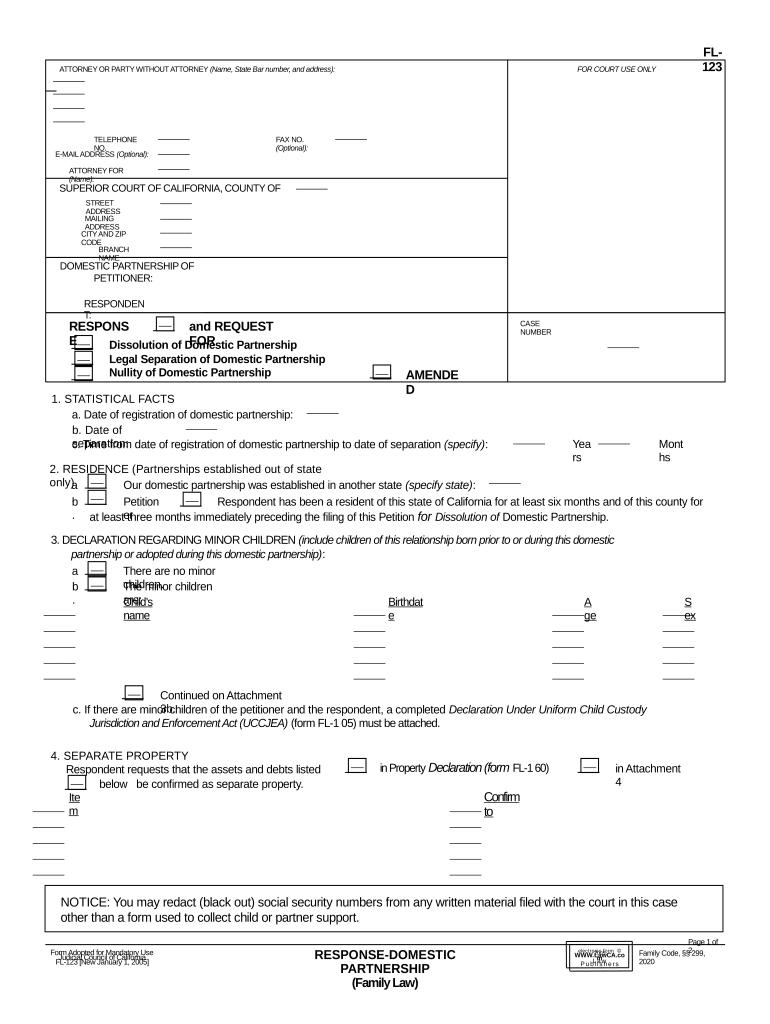
Once the Declaration of Domestic Partnership is completed and notarized, it must be filed with the California Secretary of State. There are two primary ways to do this:
- By Mail: You can mail the original, notarized Declaration of Domestic Partnership form along with the required filing fee to the Secretary of State’s office. The mailing address is provided on the form itself and on the Secretary of State’s website.
- In Person: You can also hand-deliver the completed and notarized form and the filing fee to the Secretary of State’s office in Sacramento. This is often the quickest method if you are able to travel to the state capital.
The filing fee is subject to change, so it is essential to check the California Secretary of State’s website for the most current fee amount before submitting your documents.
Step 4: Receive Confirmation
After the Secretary of State receives and processes your Declaration of Domestic Partnership, they will officially record your registration. You will then receive an officially stamped copy of your registered Declaration of Domestic Partnership by mail. This document serves as your legal proof of registration. It’s advisable to keep this document in a safe place, alongside other important personal and legal documents.
Maintaining and Ending a Domestic Partnership
Just as registering is a formal process, so too are the maintenance and eventual termination of a domestic partnership. Understanding these aspects is crucial for long-term planning and peace of mind.
Maintaining Your Domestic Partnership
Once registered, your domestic partnership remains active unless legally terminated. There are no annual renewal requirements for domestic partnerships in California. However, it’s important to keep your contact information updated with the Secretary of State if you move. While the initial registration is a one-time event, the benefits and responsibilities of the partnership are ongoing. This continuity is particularly relevant when planning for the future, such as securing long-term accommodation or making travel arrangements that acknowledge your partnership status.
Terminating a Domestic Partnership
Ending a domestic partnership requires a formal legal process, similar to divorce. The method of termination depends on whether the partners agree on the dissolution and if there are any complex issues like property division or child custody involved.
- Termination Without Court Involvement (for registered partners who meet specific criteria): If both partners agree to end the partnership, have no children together, and have no real property together, they can file a Termination of Domestic Partnership form with the Secretary of State. This is the simplest method and is akin to an informal dissolution.
- Termination Through Court Proceedings: If partners do not agree on the termination, have children together, own real property, or have significant assets or debts to divide, they will need to go through a court process. This is handled similarly to a divorce and may involve mediation, negotiation, or a trial to resolve issues such as property division, spousal support, and child custody.
The Termination of Domestic Partnership form is also available from the California Secretary of State’s website. It is highly recommended to consult with an attorney if you are considering terminating your domestic partnership, especially if there are complex financial or child-related matters to address. Legal counsel can ensure the process is handled correctly and that your rights are protected.
Domestic Partnership and Your Lifestyle
The legal recognition afforded by domestic partnership registration can significantly influence various aspects of your lifestyle, from how you travel and where you stay to how you manage your shared life.
Travel and Accommodation for Domestic Partners
For registered domestic partners, travel planning can be simplified and more inclusive. Many hotels, resorts, and airlines recognize domestic partnerships, allowing for joint bookings and shared amenities. When planning a romantic escape to wine country or a family adventure to an amusement park like Disneyland, having your partnership legally recognized can ensure smoother check-ins and access to shared room bookings or family suites.
- Hotel Bookings: When booking accommodation, whether it’s a suite at a luxury hotel in San Francisco, a villa in Palm Springs, or an apartment for a long-term stay in San Diego, mentioning your domestic partnership status can sometimes lead to specific offers or ensure you are treated as a couple for booking purposes. Websites specializing in accommodation comparisons often allow you to specify your relationship status, making it easier to find suitable options.
- Travel Insurance: Some travel insurance providers may offer policies that cover domestic partners. It’s always wise to inquire about their specific policies regarding domestic partnerships when purchasing travel insurance for your excursions, whether it’s exploring the natural beauty of Yosemite National Park or enjoying the vibrant city life of Los Angeles.
- Experiences and Attractions: Many tour operators and attractions offer couples’ packages or discounts. While not always explicitly stated for domestic partners, demonstrating your legal status can sometimes be beneficial, especially for curated experiences or guided tours of historic landmarks.

Financial and Lifestyle Planning
Domestic partnership registration provides a framework for shared financial responsibilities and future planning. This can include joint bank accounts, shared ownership of property, and collaborative investment strategies. For couples who enjoy budget travel or are planning significant life events, the legal recognition offers a sense of security and partnership.
- Budgeting and Financial Management: Understanding community property laws can influence how you approach budgeting and saving for shared goals, such as a down payment on a home or a significant investment in a vacation property.
- Long-Term Stays and Future Planning: Whether considering a long-term stay in a coastal town or planning for retirement, domestic partnership provides legal protections that can facilitate joint financial planning and inheritance. This is also relevant when considering things like lifestyle choices that involve shared resources or dependents.
- Family and Personal Milestones: For couples planning to start a family or who have existing dependents, domestic partnership offers legal recognition that can impact areas such as adoption, child custody, and medical decision-making for children, should the need arise.
In essence, registering as domestic partners in California is more than just a legal formality; it’s a commitment that provides tangible benefits and protections, allowing couples to build a shared life with greater security and recognition. From the grandest adventures to the quietest moments at home, this legal status can enrich and safeguard your relationship.
LifeOutOfTheBox is a participant in the Amazon Services LLC Associates Program, an affiliate advertising program designed to provide a means for sites to earn advertising fees by advertising and linking to Amazon.com. Amazon, the Amazon logo, AmazonSupply, and the AmazonSupply logo are trademarks of Amazon.com, Inc. or its affiliates. As an Amazon Associate we earn affiliate commissions from qualifying purchases.