
The allure of the Sunshine State extends far beyond its pristine beaches and vibrant theme parks. For enthusiasts of shooting sports, outdoor recreation, and even those seeking a quieter experience at the shooting range, the question of Florida suppressor legality is a crucial one. With the ever-evolving landscape of firearm regulations, understanding the current status of suppressors, also commonly known as silencers, is paramount for responsible gun ownership and ensuring compliance with state and federal laws. This article delves into the legality of suppressors in Florida, examining the relevant legislation and providing clarity for residents and visitors alike.

Understanding Suppressors and Their Legal Framework
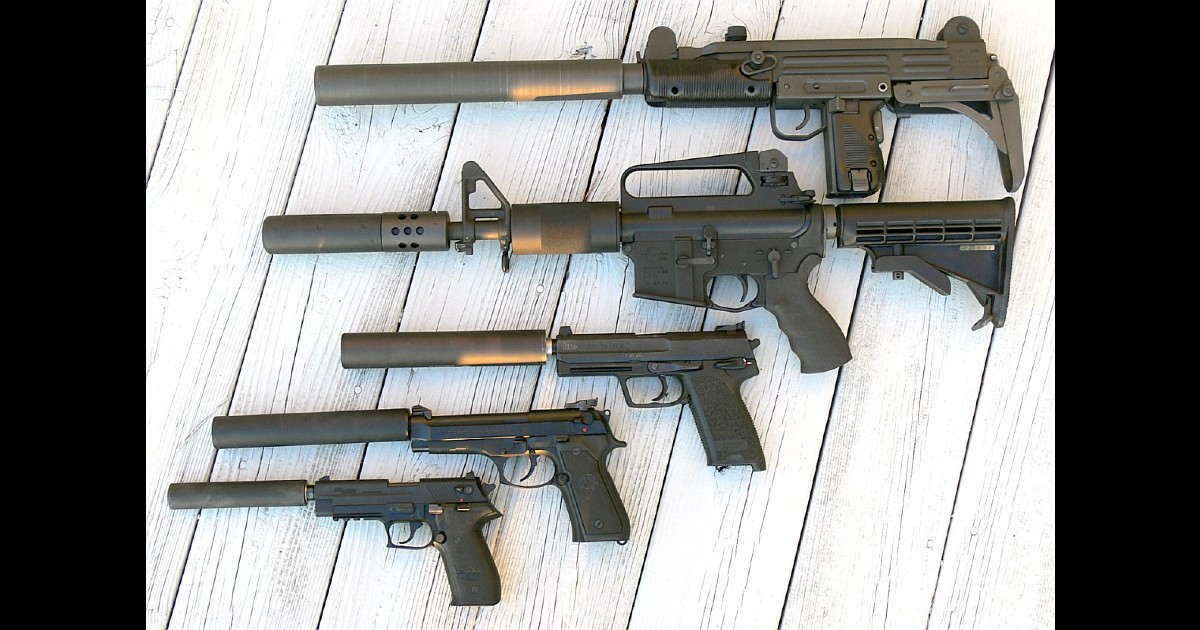
Suppressors are a fascinating piece of firearm accessory technology. Contrary to popular belief, they do not render a firearm completely silent. Instead, they significantly reduce the noise generated by a firearm by baffling and slowing down the expelled gases. This reduction in sound can offer several benefits, including enhanced hearing protection for shooters and those nearby, as well as a more pleasant shooting experience by mitigating muzzle blast.
The legal status of suppressors is complex, primarily due to the federal National Firearms Act (NFA) of 1934. This act classifies suppressors as NFA items, subjecting them to a stringent registration and taxation process. Under federal law, owning a suppressor requires:
- Submission of an ATF Form 4: This application is submitted to the Bureau of Alcohol, Tobacco, Firearms and Explosives (ATF).
- Fingerprint and photograph submission: All responsible persons associated with the ownership must provide these.
- Background check: A thorough criminal background check is conducted.
- Payment of a $200 tax stamp: This is a one-time tax for each registered suppressor.
- Waiting period: The approval process can take several months, sometimes even a year or more.
Historically, states have had the ability to either ban or permit the possession and use of suppressors within their borders. However, recent legislative trends have seen a growing number of states moving towards allowing suppressors, often mirroring federal regulations while sometimes enacting more permissive state-level laws.
Florida’s Position on Suppressor Legality
Florida, a state renowned for its robust gun rights and strong emphasis on Second Amendment protections, has generally aligned with federal law regarding suppressors. This means that owning a legally registered suppressor in Florida is permissible, provided all federal requirements under the NFA are met. For individuals looking to purchase a suppressor in Florida, the process involves acquiring the suppressor from a licensed dealer, submitting the required ATF paperwork, undergoing the background check, and paying the $200 tax stamp. Once approved, the suppressor is registered to the individual, making its possession legal.
It’s crucial to understand that simply possessing a suppressor without going through the federal registration process is a serious offense, carrying significant penalties. This is where confusion can arise; while Florida law permits ownership of registered suppressors, it does not override the federal NFA requirements.
The Florida Legislature has, at times, considered legislation to further clarify or potentially expand the rights surrounding suppressors. However, as of the current understanding of Florida firearm laws, the state has not enacted legislation that independently legalizes suppressors outside of the NFA framework. This means that the federal requirements remain the ultimate determinant of legal suppressor ownership and use in Florida.
Key Considerations for Suppressor Owners in Florida

For residents and visitors in Florida who are considering purchasing or already own a suppressor, several key considerations are essential for ensuring legal compliance and a seamless experience. These aspects are not only vital for responsible gun ownership but also for enjoying the various activities that Florida offers, from visiting shooting ranges to exploring the state’s vast natural landscapes.
1. Federal Registration is Non-Negotiable: The cornerstone of legal suppressor ownership in Florida is adherence to the National Firearms Act (NFA). This means that any suppressor must be registered with the ATF. Failure to do so, even if one is a resident of a state that generally permits suppressors, can lead to severe legal consequences, including felony charges. The process, as outlined earlier, involves the ATF Form 4, background checks, and the $200 tax stamp. It is advisable to consult with a qualified NFA dealer or legal professional specializing in firearm law to ensure all federal requirements are meticulously followed.
2. State Preemption and Local Ordinances: Florida operates under a strong preemption statute, meaning that state laws generally supersede local ordinances concerning firearms and ammunition. This is a significant benefit for gun owners, as it aims to create a uniform set of regulations across the state, preventing a patchwork of potentially conflicting local rules. However, it is always prudent to be aware of the specific regulations at the local level, though it is unlikely that local ordinances would be able to ban what state law permits under the NFA. Nonetheless, understanding the broad legal landscape is always recommended, especially when traveling between different counties or cities within Florida.
3. Travel with Suppressors: Transporting suppressors, whether within Florida or across state lines, adds another layer of complexity. For travel within Florida, as long as the suppressor is legally registered to the individual, it is generally permissible to transport it. However, when traveling to other states, it becomes imperative to research and understand the laws of each state you intend to visit. Some states may have stricter regulations or outright bans on suppressors. The ATF also has specific regulations regarding the interstate transfer of NFA items, which may require additional paperwork and approvals if you are moving a suppressor to another state. For those planning to travel extensively, whether for business stays or leisure trips involving outdoor activities, a thorough understanding of these transportation laws is vital.
4. Use of Suppressors: The primary purpose of a suppressor is to reduce noise. This makes them highly beneficial for use at shooting ranges, such as those found near cities like Miami or in the more rural areas of the state. Many shooting ranges in Florida permit the use of legally owned and registered suppressors, but it is always best to confirm their specific policies beforehand. Additionally, for hunters or individuals engaged in pest control in designated areas where firearms are permitted, a suppressor can be a valuable tool for reducing noise pollution and minimizing disturbance to wildlife. However, it is crucial to ensure that the use of suppressors is permitted by the specific regulations governing hunting or pest control in the area you are operating within. Always consult the regulations set forth by the Florida Fish and Wildlife Conservation Commission (FWC) for hunting-related activities.
5. Purchase and Transfer: When purchasing a suppressor in Florida, you will typically buy it from a licensed Federal Firearms License (FFL) dealer who also holds a Special Occupational Tax (SOT) to deal in NFA items. The dealer will facilitate the ATF Form 4 process. If you are acquiring a suppressor from an individual in another state, the transfer must go through an FFL/SOT dealer in both your state of residence and the seller’s state of residence, involving ATF approval and the $200 tax stamp. This ensures that the transfer is legally compliant with federal law.
6. Responsible Ownership: Beyond legal compliance, responsible ownership of any firearm accessory, including suppressors, is paramount. This involves safe storage, secure handling, and a thorough understanding of the operational characteristics of the firearm and suppressor. For travelers, ensuring that suppressors are securely transported and stored according to legal requirements is a key aspect of responsible travel.
The Intersection of Suppressors and Florida Tourism
While the primary focus of this article is the legality of suppressors, it’s worth noting how this relates to the broader context of Florida tourism. For a state that thrives on outdoor recreation, from hunting and fishing to sport shooting, the legality and accessibility of accessories like suppressors can impact certain niche tourism markets.
For instance, shooting ranges and hunting lodges might see increased interest from out-of-state visitors who come from jurisdictions where suppressors are less accessible or more heavily regulated. The ability to legally use a suppressor can enhance the experience for these visitors, potentially contributing to the state’s tourism economy. Destinations offering guided hunting trips or specialized shooting experiences might find that clear information about suppressor legality in Florida is a valuable piece of their offering.
The Sunshine State is home to a diverse range of attractions, from the bustling entertainment hubs like Orlando to the natural beauty of the Everglades. While a suppressor has no direct connection to visiting theme parks or exploring historical landmarks like St. Augustine, for a segment of visitors interested in sporting activities, understanding the legal framework surrounding firearm accessories is an integral part of their travel planning.
It is important to reiterate that legal ownership and use are the only considerations. Responsible gun owners who choose to own suppressors in Florida can do so legally by adhering strictly to federal NFA regulations. This ensures that the enjoyment of shooting sports and related activities can be pursued safely and within the bounds of the law. The state’s generally permissive stance on firearm rights, coupled with the established federal framework for suppressors, creates a clear path for legal ownership.
In conclusion, the answer to “Are Suppressors Legal In Florida?” is a definitive yes, but with the crucial caveat that they must be legally registered with the ATF under the National Firearms Act. Florida does not have laws that prohibit the ownership or use of suppressors, provided federal requirements are met. For anyone considering purchasing or traveling with a suppressor in Florida, thorough research into NFA regulations and responsible gun ownership practices is essential. This ensures full compliance and allows individuals to enjoy the benefits of suppressed shooting in the beautiful and diverse landscapes that Florida has to offer, from its pristine coastlines to its expansive inland regions.
LifeOutOfTheBox is a participant in the Amazon Services LLC Associates Program, an affiliate advertising program designed to provide a means for sites to earn advertising fees by advertising and linking to Amazon.com. Amazon, the Amazon logo, AmazonSupply, and the AmazonSupply logo are trademarks of Amazon.com, Inc. or its affiliates. As an Amazon Associate we earn affiliate commissions from qualifying purchases.