
When embarking on a journey through the sun-drenched landscapes and vibrant cities of California, understanding local regulations is as crucial as packing your sunscreen. As you explore iconic destinations, from the glitz of Los Angeles to the historic charm of San Francisco, or the natural wonders of Yosemite National Park, you’ll likely spend a significant amount of time on the road. This brings up practical questions, especially for travelers who may be accustomed to different rules in their home states or countries. One such question that often arises concerns vehicle window tinting: “Is 20% tint legal in California?” The answer, like many legal matters, is nuanced, and a clear understanding can help you avoid unexpected fines and ensure a smooth, enjoyable trip.

The allure of tinted windows is undeniable. Beyond the aesthetic appeal, tinting offers practical benefits, such as reducing heat build-up within a vehicle, protecting interiors from UV damage, and increasing privacy. For those driving across the vast stretches of California, perhaps en route to a luxurious stay at the Ritz-Carlton Bacara, Santa Barbara, or a family adventure in Disneyland, a cooler, more comfortable cabin is a welcome advantage. However, California, like all states, has specific laws governing the darkness of window tint to ensure driver visibility and public safety. These regulations are primarily enforced by law enforcement agencies like the California Highway Patrol and local police departments.
Understanding California’s Window Tint Laws
California’s vehicle code, specifically Section 26708, outlines the regulations for window tint. The primary concern is maintaining clear visibility for both the driver and law enforcement officers. The law specifies the maximum amount of light that can pass through a vehicle’s windows, often referred to as Visible Light Transmission (VLT). VLT is measured as a percentage, with a lower percentage indicating a darker tint.
Passenger Vehicles and Tint Levels
For passenger vehicles, the rules are generally as follows:
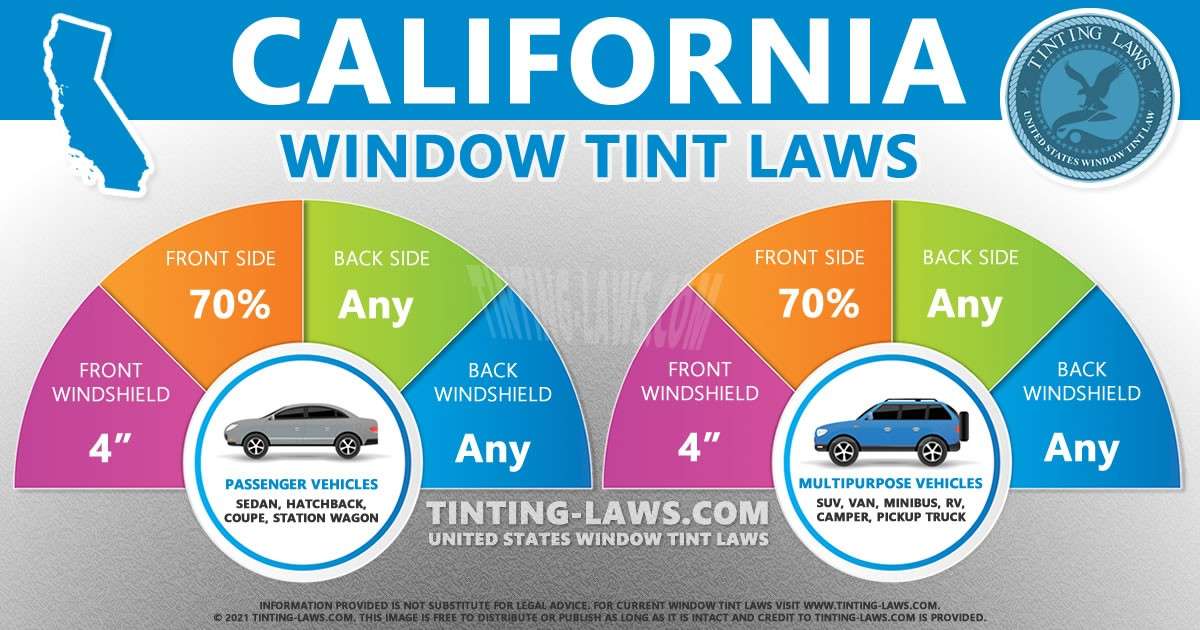
- Windshield: No tint is allowed on the windshield except for a 6-inch strip at the top, which is usually tinted to reduce glare from the sun. This strip is often referred to as a “visor strip” or “eyebrow tint.”
- Front Side Windows: These windows, meaning the driver and front passenger side windows, have stricter limitations. In California, the law prohibits any tint that reduces the VLT to less than 70%. This means that less than 30% of light can be blocked. Essentially, anything darker than a very light, barely noticeable tint is illegal on these windows.
- Rear Side Windows and Rear Window: This is where the question of 20% tint comes into play. For the rear side windows (behind the driver) and the rear window (back windshield), California law allows for darker tints. The law permits these windows to have a tint that allows at least 35% VLT. This means that up to 65% of light can be blocked. Therefore, a 20% tint, which allows only 20% of light through (meaning 80% is blocked), is technically illegal for these windows under the standard passenger vehicle regulations.
It’s important to note that these are the general rules for passenger vehicles. There are exceptions, and understanding these can be crucial for travelers.
Medical Exemptions
California does recognize medical exemptions for window tint. Individuals with certain medical conditions, such as photosensitivity or lupus, may be eligible for a medical exemption that allows for darker tinting on their windows. To obtain such an exemption, a person must obtain a certification from a licensed physician or optometrist. This certification must be carried by the driver at all times. The exemption typically allows for darker tinting than the standard 35% VLT on rear windows, and in some cases, even on front windows, depending on the medical necessity as determined by the doctor. These exemptions are specific to the individual and their vehicle and do not apply to general travel or rental cars unless the renter themselves possesses a valid exemption.
Other Vehicle Types
While the primary focus is often on passenger cars, trucks, and SUVs, it’s worth noting that the regulations might differ slightly for other vehicle types, though the core principle of visibility remains paramount. However, for the vast majority of travelers visiting California and renting vehicles, the passenger vehicle rules are the ones that apply.
The Nuances of Enforcement and the “20% Tint” Question
Given the regulations, the direct answer to “Is 20% tint legal in California?” is: No, not for the front side windows of a passenger vehicle. It is also technically illegal for the rear side windows and rear window, which have a minimum VLT requirement of 35%. However, the reality of enforcement can sometimes lead to confusion.
The “Darker is Better” Mentality and Real-World Application
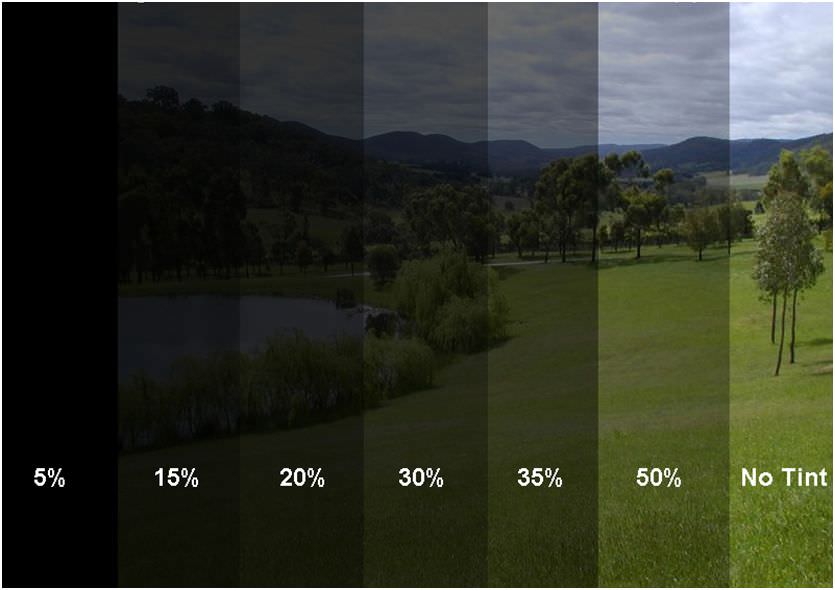
Many drivers appreciate darker tint for its privacy and heat-reducing capabilities, especially in the relentless California sun. This leads to a common practice of applying 20% tint, often referred to as “limo tint” or “dark tint,” to all windows for a uniform look and maximum effect. While technically a violation of California law, enforcement can vary. It’s not uncommon to see vehicles with 20% tint driving on California roads. This can create a false sense of legality.
Law enforcement officers have the discretion to issue tickets for tint violations. These tickets can range in price and may require the driver to have the tint removed to avoid further penalties. The primary reason for these laws is to ensure that law enforcement officers can clearly see into vehicles during traffic stops, and that drivers have unobstructed views of their surroundings to ensure road safety. A 20% tint significantly reduces visibility from the outside, making it harder to assess the occupants and their actions, and can also impair the driver’s vision in low-light conditions.
Why the Confusion?
The confusion often stems from a few factors:
- Interstate Travel: Many visitors may be coming from states where 20% tint is legal on all windows. California’s laws are stricter than some other states.
- Rental Cars: Rental car companies may or may not adhere to the strictest tinting standards. Some may offer vehicles with tints that are not fully compliant with California law, especially if the car is registered in another state. However, it is the driver’s responsibility to comply with the laws of the state they are driving in.
- Perception vs. Reality: The common presence of illegally tinted vehicles can lead to a perception that the law is not strictly enforced or is not as restrictive as it is written.
When traveling to California, whether you’re planning a scenic drive along the Pacific Coast Highway, exploring the wine country of Napa Valley, or enjoying a cultural tour of the Getty Center, it’s always best to err on the side of caution and comply with the state’s laws.
Navigating California’s Tint Regulations for a Smooth Trip
For travelers planning an itinerary that includes extensive driving in California, understanding and adhering to the window tint laws is a wise decision. This not only helps you avoid potential fines but also ensures you are contributing to road safety.
Recommendations for Travelers
If you are renting a car in California, it’s a good idea to inquire about the tint levels on the vehicle. If the tint appears to be darker than what is legally permitted, consider requesting a vehicle with compliant tinting, especially on the front windows. While 20% tint on rear windows might seem tempting for its benefits, the potential for a ticket can detract from your vacation experience.
If you are a resident of California or planning a long-term stay, and you wish to tint your vehicle, it is strongly recommended to have the tint professionally applied by a reputable installer. They will be knowledgeable about the current California laws and can advise you on legal VLT percentages. For passenger vehicles, this typically means:
- Windshield: Tint only the top 6 inches.
- Front Side Windows: No tint, or a very light tint that allows at least 70% VLT.
- Rear Side Windows and Rear Window: Tint that allows at least 35% VLT.
Beyond Tint: Other Road Safety Tips in California
While the specific question of tint legality is important, a broader awareness of road safety contributes to a better travel experience. This includes:
- Speed Limits: Adhering to posted speed limits, which can vary significantly between urban areas, rural roads, and highways.
- Distracted Driving: Being mindful of California’s hands-free laws for mobile devices.
- Parking Regulations: Familiarizing yourself with parking rules in cities like San Diego or San Francisco, where parking can be competitive and costly.
- Driving Conditions: Being prepared for varying weather conditions, from the desert heat of Palm Springs to the coastal fog, or even snow in mountainous regions.
By respecting California’s laws and regulations, including those concerning window tint, you can ensure your journey through the Golden State is as enjoyable and hassle-free as possible. Whether you’re heading to a bustling theme park, a serene national park, or a chic urban hotel, a little knowledge goes a long way in making your California adventure memorable for all the right reasons.
LifeOutOfTheBox is a participant in the Amazon Services LLC Associates Program, an affiliate advertising program designed to provide a means for sites to earn advertising fees by advertising and linking to Amazon.com. Amazon, the Amazon logo, AmazonSupply, and the AmazonSupply logo are trademarks of Amazon.com, Inc. or its affiliates. As an Amazon Associate we earn affiliate commissions from qualifying purchases.