
The allure of the Hawaiian Islands, with their sun-kissed beaches, lush volcanic landscapes, and vibrant Polynesian culture, has long captivated travelers from the continental United States. For many residing on the West Coast, particularly in California, the question of “How many miles is California to Hawaii?” is a frequent and practical one, forming the first step in planning an unforgettable island escape. This distance is not merely a number; it dictates travel time, influences the choice of transportation, and sets the stage for the exciting adventure that awaits.
Understanding the Oceanic Journey
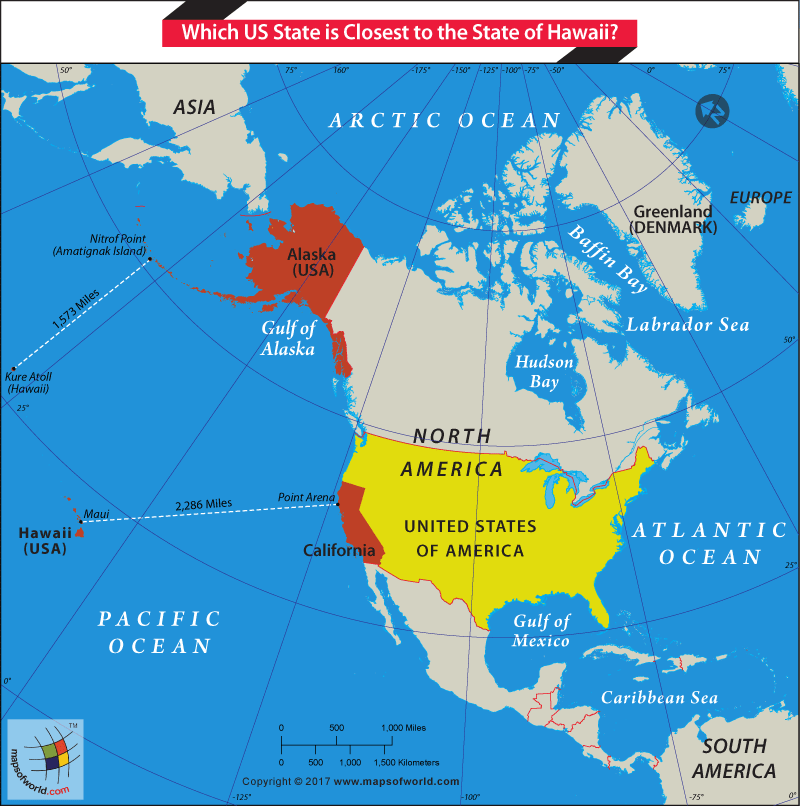
The vast expanse of the Pacific Ocean separates the golden shores of California from the tropical paradises of Hawaii. This isn’t a simple road trip; it’s a significant oceanic voyage that typically involves air travel. The precise mileage can vary depending on the specific departure and arrival points within each state, but a general understanding provides a clear picture of the journey.
Factors Influencing the Distance
When contemplating the distance between California and Hawaii, it’s essential to acknowledge that neither state is a single point. California boasts a lengthy coastline stretching from its northern border with Oregon to its southern edge with Mexico. Similarly, the Hawaiian Islands themselves are an archipelago, comprised of several major islands, each with its own unique character and airport.
Coastal Departure Points in California
The most common departure points for flights to Hawaii from California are its major international airports. These include:
- Los Angeles International Airport (LAX): A primary hub for trans-Pacific travel, LAX serves millions of passengers annually, offering numerous flights to various Hawaiian islands.
- San Francisco International Airport (SFO): Another significant gateway, SFO provides convenient access to Hawaii for those in the Bay Area.
- San Diego International Airport (SAN): For travelers in Southern California, SAN offers a good starting point.
- Oakland International Airport (OAK): Often a more budget-friendly option for Bay Area residents, OAK also has flights to Hawaii.
- San Jose International Airport (SJC): Located in the heart of Silicon Valley, SJC is another viable option for Northern California departures.
Arrival Islands in Hawaii
Hawaii is comprised of six major islands, each offering distinct experiences for tourists:
- Oahu: Home to the state capital, Honolulu, and the world-famous Waikiki Beach, Oahu is a bustling hub of activity, shopping, and historical landmarks like Pearl Harbor.
- Maui: Known for its breathtaking beaches, the scenic Road to Hana, and the dormant volcano Haleakala, Maui offers a blend of relaxation and adventure.
- Kauai: The “Garden Isle,” Kauai is renowned for its dramatic cliffs, lush rainforests, and stunning natural beauty, including the Na Pali Coast.
- Island of Hawaii (Big Island): The largest island, it features active volcanoes at Hawaii Volcanoes National Park, black sand beaches, and diverse climates.
- Lanai: A quieter, more exclusive destination, Lanai offers luxury resorts and a serene escape.
- Molokai: The “Friendly Isle,” Molokai is known for its preserved Hawaiian culture and less commercialized atmosphere.
The specific pairing of a California departure city with a Hawaiian arrival island will naturally influence the flight distance. For instance, a flight from San Diego to Honolulu on Oahu will cover a slightly different mileage than a flight from San Francisco to Kona on the Island of Hawaii.
The Approximate Nautical Miles
While exact figures can fluctuate based on flight paths and specific airport pairs, a commonly cited average distance between California and Hawaii is approximately 2,400 to 2,500 nautical miles.
- From Southern California (e.g., Los Angeles) to Honolulu, Oahu: The distance is roughly around 2,500 nautical miles.
- From Northern California (e.g., San Francisco) to Honolulu, Oahu: The distance is slightly less, around 2,300 to 2,400 nautical miles.
To convert nautical miles to statute miles (the standard measurement used for land distances), you multiply by approximately 1.15. Therefore, the journey from California to Hawaii is, in statute miles, approximately 2,760 to 2,875 miles. This substantial distance underscores why air travel is the overwhelmingly dominant mode of transport for this route.
Planning Your Island Getaway: Beyond the Miles
Knowing the mileage is a foundational element, but the real magic of planning a trip from California to Hawaii lies in understanding the broader context of travel, accommodation, and the unique experiences these islands offer. The journey is more than just covering distance; it’s about embarking on a memorable adventure.
Flights: The Gateway to Paradise
The most practical and time-efficient way to travel from California to Hawaii is by airplane. Numerous airlines operate direct and connecting flights daily from major Californian airports to the international airports on Oahu, Maui, and the Island of Hawaii.
Major Airlines and Routes
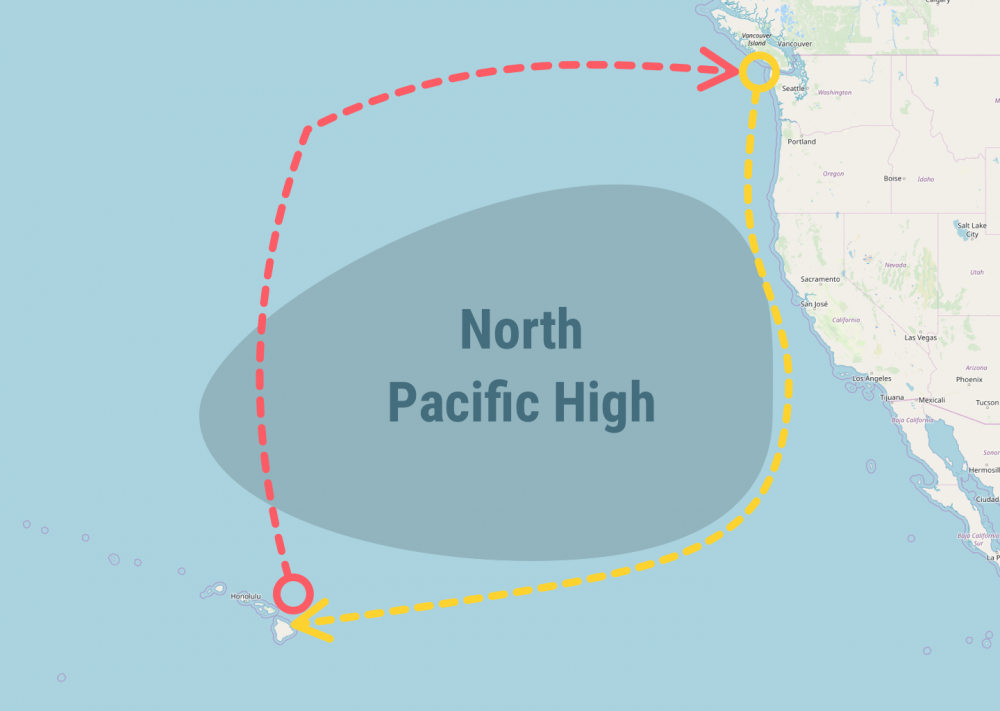
Major carriers like United Airlines, Hawaiian Airlines, American Airlines, and Southwest Airlines offer extensive routes. Direct flights are highly sought after, significantly reducing travel time. A direct flight from Los Angeles to Honolulu, for instance, typically takes around 5.5 to 6 hours. Flights from San Francisco are often a little shorter.
When booking, consider:
- Departure Airport: Choose the Californian airport most convenient for you.
- Arrival Airport: Decide which Hawaiian island you wish to explore first.
- Direct vs. Connecting Flights: Direct flights are faster but can sometimes be more expensive. Connecting flights might offer cost savings but add to the overall travel time.
- Time Zones: Remember to account for the time difference. Hawaii observes Hawaii Standard Time (HST), which is typically 3 hours behind Pacific Standard Time (PST). This means you can often leave California in the morning and arrive in Hawaii in the afternoon of the same calendar day, despite the significant distance.
Booking Tips for Budget and Luxury Travelers
For budget travel, booking flights well in advance, being flexible with travel dates (mid-week flights are often cheaper), and keeping an eye out for sales and promotions are crucial. Consider flying during the shoulder seasons (spring and fall) for potentially lower fares and fewer crowds.
For those seeking luxury travel, booking first-class or business-class tickets offers enhanced comfort and services. Many premium tickets include lounge access, priority boarding, and more spacious seating. Additionally, consider package deals that combine flights with high-end resort stays, often available through travel agencies or directly from airlines.
Accommodation: Your Island Home Away From Home
Once your flights are booked, the next crucial step is securing your accommodation. Hawaii offers a diverse range of lodging options to suit every preference and budget, from luxurious beachfront resorts to charming vacation rentals.
Resorts and Hotels: Iconic Stays
The Hawaiian Islands are dotted with world-class resorts and hotels, many offering stunning ocean views, exceptional amenities, and a true taste of island hospitality.
- Oahu: Waikiki is famous for its concentration of hotels, including the iconic Moana Surfrider, A Westin Resort & Spa, Waikiki Beach, and the Halekulani Hotel. These establishments offer everything from family-friendly pools to fine dining experiences.
- Maui: The Ka’anapali and Wailea areas are renowned for their upscale resorts like the Grand Wailea, A Waldorf Astoria Resort, and the Four Seasons Resort Maui at Wailea. These resorts often boast multiple swimming pools, golf courses, and luxurious spa facilities.
- Kauai: For those seeking a more tranquil experience, resorts like the Grand Hyatt Kauai Resort & Spa offer beautiful settings and excellent service.
- Island of Hawaii: You’ll find a range of options from luxury resorts in Kohala Coast to more casual hotels near Hilo and Kona.
When choosing a hotel, consider its location relative to attractions you wish to visit, the amenities offered (pool, spa, restaurants, kids’ club), and recent guest reviews. Websites offering hotel comparisons can be invaluable in finding the perfect fit.
Apartments, Villas, and Vacation Rentals
For longer stays, families, or those seeking a more private and immersive experience, vacation rentals such as apartments and villas are excellent choices. Websites like Airbnb and VRBO offer a vast selection across all islands. These can provide kitchens, living spaces, and a feel of living like a local. Consider renting a villa in a quieter neighborhood for a truly secluded escape, or an apartment in a town for easy access to local eateries and shops.
Exploring the Islands: Experiences and Attractions
The “miles” between California and Hawaii are just the beginning of an incredible journey filled with diverse attractions and enriching experiences. Each island offers a unique slice of paradise.
Iconic Landmarks and Natural Wonders
Hawaii is a treasure trove of natural beauty and historical significance.
- Pearl Harbor on Oahu is a must-visit for its historical importance.
- Diamond Head, also on Oahu, offers a rewarding hike with panoramic views of Waikiki.
- Haleakala National Park on Maui provides unforgettable sunrise and sunset views from its summit.
- The Road to Hana on Maui is a scenic drive through lush rainforests, past waterfalls and dramatic coastal vistas.
- The Na Pali Coast on Kauai is a breathtaking natural wonder, best viewed by boat tour or helicopter.
- Hawaii Volcanoes National Park on the Island of Hawaii allows visitors to witness the raw power of volcanic activity.

Local Culture and Cuisine
Engaging with the local Hawaiian culture is a key part of any visit. This includes attending a traditional luau, learning about hula dancing, and exploring the rich history and traditions of the Polynesian people. The food scene is equally captivating, ranging from fresh seafood and traditional kalua pig to modern fusion cuisine. Don’t miss opportunities to sample local delicacies like poke, shave ice, and tropical fruits.
Whether you’re looking for adventure, relaxation, or a cultural immersion, the journey from California to Hawaii opens the door to a world of unparalleled beauty and unforgettable experiences. The miles traveled are a small price to pay for the aloha spirit that awaits.
LifeOutOfTheBox is a participant in the Amazon Services LLC Associates Program, an affiliate advertising program designed to provide a means for sites to earn advertising fees by advertising and linking to Amazon.com. Amazon, the Amazon logo, AmazonSupply, and the AmazonSupply logo are trademarks of Amazon.com, Inc. or its affiliates. As an Amazon Associate we earn affiliate commissions from qualifying purchases.