
The golden state of California, a land of diverse landscapes, iconic cities, and unparalleled natural beauty, often conjures images of sun-drenched beaches and clear blue skies. For many travelers planning a visit, a crucial aspect of their trip planning revolves around the weather. One of the most frequently asked questions, especially by those accustomed to different climates, is: “Is California humid?” The answer, like much of California itself, is complex and nuanced, varying significantly depending on the specific region, time of year, and even the microclimate of a particular area.
California is a geographically vast state, stretching over 1,000 miles from north to south and boasting a remarkable array of environments, from the arid deserts of the inland empire to the cool, misty coastlines and the towering Sierra Nevada mountains. This immense diversity directly influences its humidity levels. Unlike states where a consistent humidity permeates the entire region, California presents a spectrum of moisture in the air.
Understanding Humidity in California’s Diverse Climates
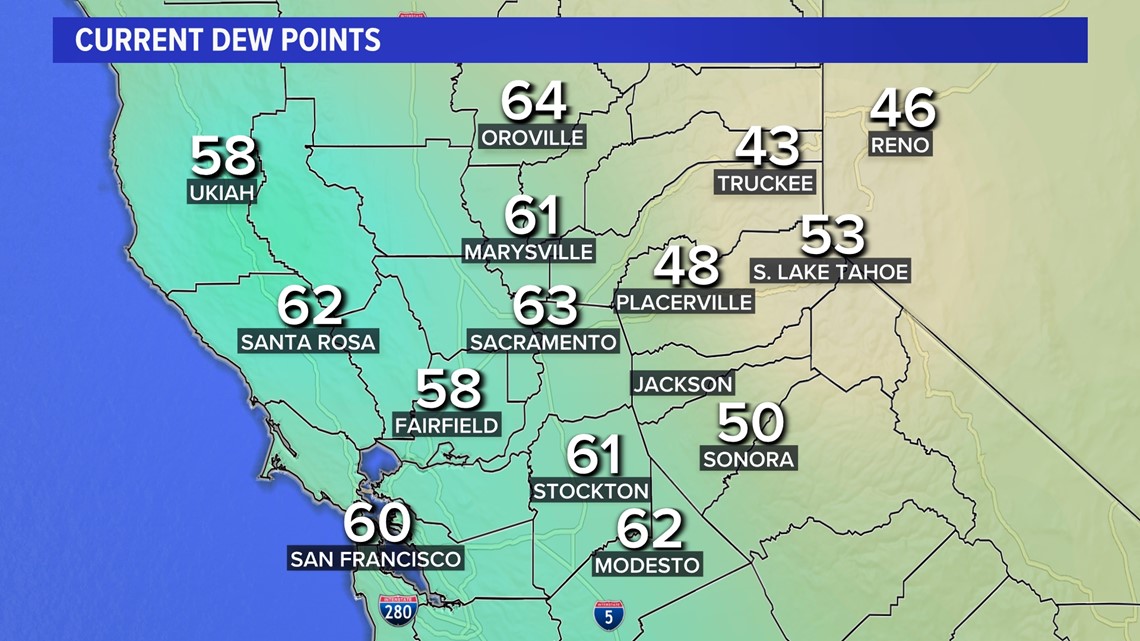
To truly understand whether California is humid, we must break down its climatic zones and how they interact with atmospheric moisture. The perception of humidity is also subjective; what one person finds humid, another might consider merely comfortable or even dry. Generally, humidity is measured by relative humidity, which indicates how much water vapor the air is holding compared to the maximum it can hold at a given temperature. High relative humidity can make warm temperatures feel much hotter and can affect comfort levels, air quality, and even the preservation of historical sites and natural attractions.
Coastal California: The Ocean’s Gentle Influence
Along California’s extensive coastline, from the rugged cliffs of Big Sur to the vibrant beaches of Southern California, humidity plays a more prominent role. The vast Pacific Ocean acts as a significant moderating force, influencing coastal temperatures and introducing moisture into the air.
The Northern California Coast: Cool and Misty
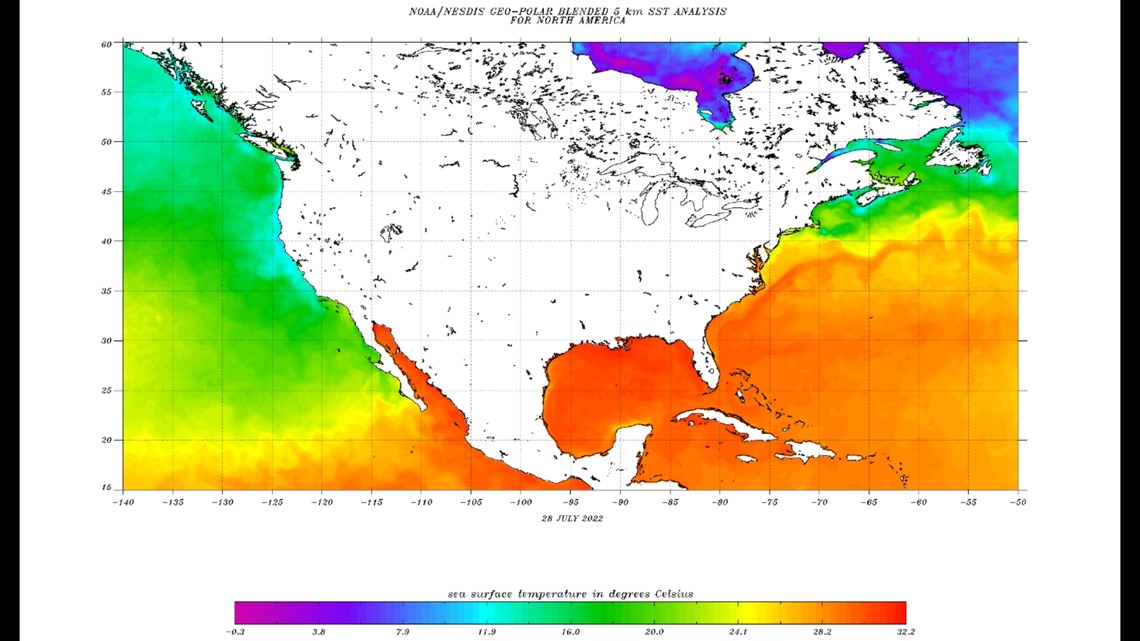
Northern California, particularly areas like San Francisco, Mendocino, and the Redwood National and State Parks, experiences a climate often described as temperate maritime. The ocean currents here are cool, even in summer, leading to frequent fog and low clouds, especially in the mornings and evenings. This phenomenon, known as the marine layer, can make these areas feel quite humid, even when temperatures are relatively mild.
For instance, a summer day in San Francisco might start with dense fog rolling in from the Pacific, blanketing the city and creating a damp, cool atmosphere. As the day progresses, the sun can burn through the fog, leading to warmer and drier conditions inland. However, the persistent presence of this marine layer means that humidity levels can remain elevated, often between 70% and 90% during these foggy periods. This is particularly noticeable in areas close to the coast, such as the Golden Gate Bridge or the historic streets of Sausalito.
The humidity in these coastal regions is generally not the oppressive, sticky kind found in tropical or subtropical climates. Instead, it’s a cool, refreshing moisture that contributes to the lush vegetation, particularly in the redwood forests. Travelers visiting these areas should be prepared for a potentially damp feeling, especially during the summer months when inland temperatures can soar. Packing layers is always a wise choice for coastal California.
Southern California’s Coastal Charm: A Blend of Sun and Sea Breeze
Southern California, from the beaches of San Diego to the bustling metropolis of Los Angeles, also benefits from the Pacific Ocean’s influence, but with a warmer overall climate. While the humidity here is generally lower than in the north, coastal areas still experience noticeable moisture, especially near the water.
During the summer months, the sea breeze often brings cooler, more humid air inland, providing a welcome respite from the sun. This can lead to pleasant evenings and mornings with a noticeable level of moisture in the air. However, the dominant feature of Southern California’s coastal weather is often sunshine. This means that while humidity is present, it’s often accompanied by higher temperatures, creating a different sensory experience than the cool dampness of the north.
For example, a visit to Santa Monica Pier on a summer afternoon might involve sunshine, but a gentle breeze from the ocean can carry with it a noticeable amount of moisture. Similarly, exploring the beaches of Malibu or the coastal neighborhoods of Orange County can offer days where the humidity contributes to the comfortable, yet sometimes palpable, feel of the air. Even in drier periods, the proximity to the ocean means that humidity levels rarely drop to the extremely low levels found in some inland deserts.
Inland California: Arid and Dry
Venture away from the coast, and California’s humidity levels drop dramatically. The vast interior of the state is characterized by a much drier climate, especially in the southern and central regions.
The Inland Empire and Southern Deserts: Extreme Dryness
Areas like the Coachella Valley, home to cities like Palm Springs, and the greater Inland Empire region are known for their arid and desert climates. Here, humidity is very low, particularly during the hot summer months. Daytime temperatures can frequently exceed 100°F (38°C), and with such high temperatures, the air’s capacity to hold moisture is immense, yet it often contains very little. Relative humidity can plummet to 10-20% or even lower.
This dryness is a defining characteristic of these regions. It impacts everything from the local vegetation, which is adapted to arid conditions, to the experience of visitors. For those coming from humid climates, the air in the Mojave Desert or the Anza-Borrego Desert State Park will feel incredibly dry. This can lead to increased water intake needs and the potential for dry skin and lips. It’s a significant contrast to the coastal experience and a key factor for travelers to consider when planning their activities, especially if they intend to spend extended periods outdoors.
Central Valley: A Tale of Two Seasons
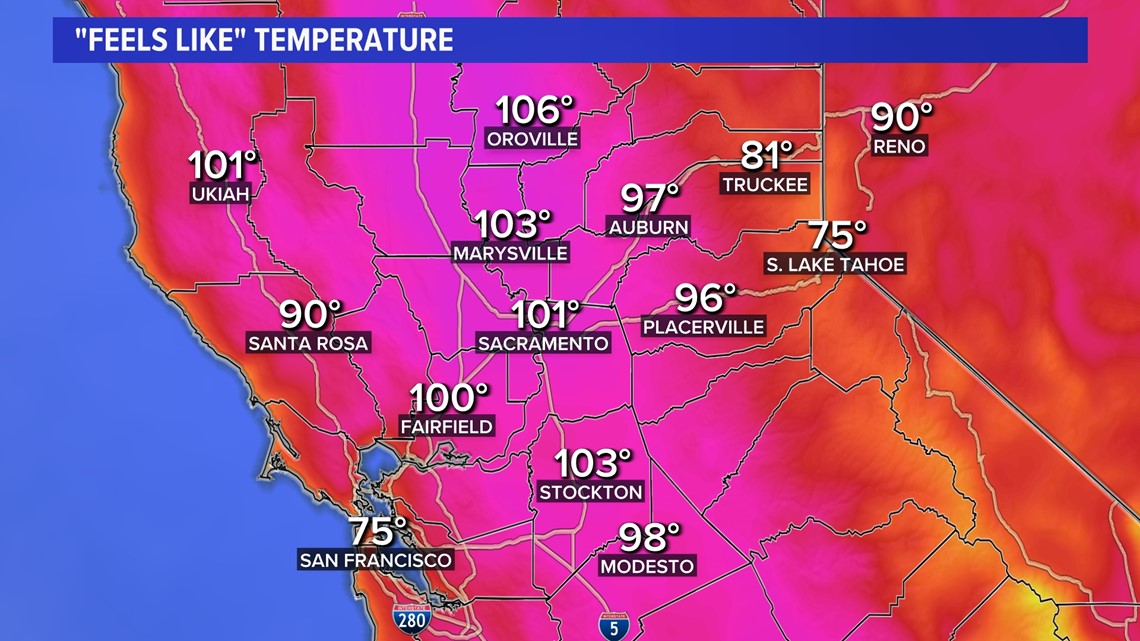
The Central Valley, a vast agricultural heartland stretching from Sacramento in the north to Bakersfield in the south, experiences a climate that is a mix of influences. Summers here are typically hot and dry, with humidity levels similar to the desert regions, especially in the southern parts of the valley. Daytime temperatures can be extreme, and the air often feels parched.
However, the Central Valley also experiences a distinct wet season, primarily during the winter months. While not as humid as the coast, rainfall during this period does increase the atmospheric moisture. Furthermore, agricultural activities, such as irrigation, can locally increase humidity levels during certain times of the year. Nevertheless, compared to the coastal areas, the Central Valley is generally considered to have a drier overall climate, especially during its peak summer heat.
Mountainous Regions: Altitude and Humidity
California’s mountainous regions, most notably the Sierra Nevada, present another unique climatic scenario where humidity is influenced by altitude and temperature.
The Sierra Nevada: Cooler, Drier Air at Higher Elevations
At higher elevations, the air is generally cooler. Cooler air can hold less moisture, which typically means lower relative humidity. However, this can be a bit of a simplification. While the air might be cooler, the actual amount of water vapor present might be relatively high, leading to mist or fog in certain conditions.
During the summer months in the Sierra Nevada, such as in Yosemite National Park or around Lake Tahoe, daytime humidity is often moderate, especially in the afternoons when temperatures are at their peak. However, evenings and early mornings can be cooler and experience a more noticeable presence of moisture, sometimes manifesting as mist clinging to the valleys or pine forests. The dryness of the air at higher altitudes can also contribute to increased evaporative rates, meaning that even if the relative humidity isn’t extremely low, moisture can still evaporate quickly from surfaces and the skin.
Winter in the Sierra Nevada is characterized by snow. While the air itself might not feel “humid” in the way a tropical climate does, the presence of snow and ice means there is ample moisture in the environment. Cloud cover and snowfall are common, and the air can feel damp and heavy, especially during storms.
Factors Influencing California’s Humidity
Beyond the broad geographical regions, several other factors contribute to the perception and reality of humidity in California:
- Time of Year: As discussed, summer months in the interior are often the driest, while winter brings more moisture to the coast and the Central Valley. Spring can see a transition, with coastal fog still prevalent and inland areas beginning to dry out.
- Microclimates: California is famous for its microclimates. A few miles inland from the coast, humidity levels can drop significantly. Similarly, valleys can trap air, leading to different conditions than surrounding higher elevations. For example, the humidity in a coastal Santa Barbara neighborhood will differ from that in a valley town just a few miles inland.
- Wind Patterns: Wind plays a crucial role. Offshore winds, like the Santa Ana winds in Southern California, can dramatically lower humidity, leading to very dry conditions and increasing fire risk. Conversely, onshore breezes generally bring more moisture.
- Vegetation and Water Bodies: Large bodies of water, like the Pacific Ocean, the Salton Sea, or even large lakes such as Lake Tahoe, naturally increase local humidity. Extensive agricultural irrigation in the Central Valley can also contribute to localized increases in moisture.
Conclusion: A Land of Varied Humidity
So, is California humid? The answer is a resounding “it depends.” For travelers planning a trip, understanding these regional and seasonal variations is key to setting expectations and packing appropriately.
- Coastal California: Expect moderate to high humidity, especially in Northern California, with fog and a refreshing sea breeze.
- Inland California (Deserts, Inland Empire, parts of Central Valley): Expect very low humidity, particularly during summer, with hot and dry conditions.
- Mountainous Regions (Sierra Nevada): Expect cooler air with moderate humidity, which can vary significantly with altitude and time of day.
Whether you’re seeking the cool, misty embrace of the Mendocino Coast, the sun-drenched dryness of Palm Springs, or the crisp mountain air of Lake Tahoe, California offers a climate for every preference. By considering these distinct humidity profiles, travelers can better plan their adventures, from booking the perfect resort with ocean views to preparing for a desert hike or a mountain excursion, ensuring a comfortable and enjoyable experience across this incredibly diverse state.
LifeOutOfTheBox is a participant in the Amazon Services LLC Associates Program, an affiliate advertising program designed to provide a means for sites to earn advertising fees by advertising and linking to Amazon.com. Amazon, the Amazon logo, AmazonSupply, and the AmazonSupply logo are trademarks of Amazon.com, Inc. or its affiliates. As an Amazon Associate we earn affiliate commissions from qualifying purchases.