
Texas, the venerable Lone Star State, stands as a colossal testament to American growth and diversity. Not merely the second-largest state in the United States by land area, it also commands an impressive demographic presence, making it a pivotal player in the nation’s economic and cultural landscape. For travelers, hoteliers, and those interested in the dynamics of modern American tourism, understanding the sheer scale and rapid evolution of the Texas population is crucial.
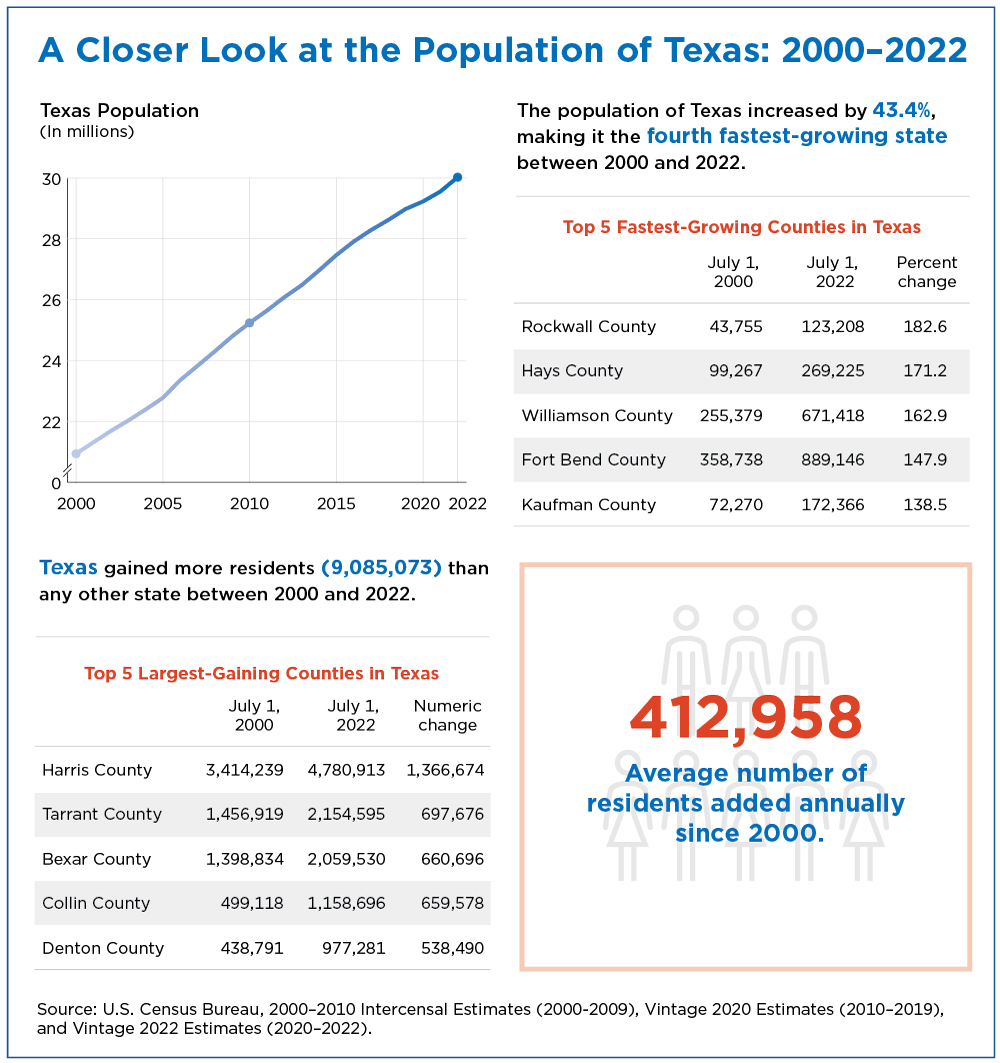
As of the latest estimates (mid-2024), the population of Texas proudly hovers around 31 million people. This staggering figure represents an astounding surge over the past few decades, solidifying its position as one of the fastest-growing states in the country. This remarkable expansion isn’t just a statistical anomaly; it’s a vibrant narrative woven from economic opportunity, diverse lifestyles, rich cultural heritage, and an undeniable allure that continues to draw individuals and families from across the globe.

The Lone Star State’s Ascendance: A Demographic Overview
The story of Texas’s population growth is one of relentless momentum, deeply intertwined with its historical trajectory and future ambitions. From its humble beginnings as a frontier territory to its current status as an economic powerhouse, the state has consistently attracted settlers, innovators, and dreamers. The current population of approximately 31 million signifies a significant leap from just under 21 million at the turn of the millennium, showcasing a growth rate that far outpaces the national average.
This explosive demographic expansion is fueled by a confluence of factors. Economically, Texas boasts a remarkably diverse and resilient job market. Traditionally known for its dominance in the oil and gas industry, the state has successfully diversified into high-tech sectors, advanced manufacturing, aerospace, healthcare, and finance. Major metropolitan areas have become magnets for corporate relocations and startups, creating abundant job opportunities that act as a primary draw for internal migration from other U.S. states and international immigration.
Moreover, the relatively lower cost of living, particularly when compared to expensive coastal states like California or New York, makes Texas an attractive option for those seeking a higher quality of life without the exorbitant price tag. The absence of a state income tax further sweetens the deal for many, allowing residents to retain more of their earnings. This financial appeal, combined with a generally business-friendly environment and a wide array of educational institutions, creates a powerful incentive for both individuals and businesses to relocate to the Lone Star State.
The state’s demographics are also becoming increasingly rich and varied. Texas is a melting pot of cultures, with significant Hispanic, White, Black, and Asian populations contributing to its vibrant social fabric. This diversity is not just reflected in statistics but profoundly shapes the state’s food scene, music, art, and local traditions, making it an incredibly rich destination for cultural tourism and authentic experiences.
Urban Hubs and Economic Magnets: Where Texans Live
While Texas is geographically vast, a significant portion of its 31 million residents are concentrated in its burgeoning urban centers and sprawling metroplexes. These cities are not just population hubs; they are economic engines, cultural epicenters, and prime destinations for travelers seeking everything from historical immersion to cutting-edge entertainment.
Houston: A Global Metropolis
With a metropolitan population exceeding 7 million, Houston is the most populous city in Texas and the fourth-largest in the United States. Known as the Energy Capital of the World, its economy extends far beyond oil and gas to include a thriving medical sector centered around the world-renowned Texas Medical Center, aerospace (home to NASA’s Johnson Space Center), and international trade.
For visitors, Houston offers a universe of attractions. From the interactive exhibits at Space Center Houston to the diverse collections of the Museum District and the lush tranquility of Hermann Park, there’s an endless array of activities. The city’s culinary scene is globally recognized, reflecting its diverse population with everything from authentic Vietnamese and Mexican food to upscale dining experiences. Its extensive convention facilities also make it a major hub for business stays, supported by a wide range of hotels and accommodation options, from luxury resorts like The Post Oak Hotel to more budget-friendly suites and apartments.
San Antonio: History, Culture, and Charm
San Antonio, with a metropolitan population nearing 2.7 million, stands as a beacon of Texas’s rich history and vibrant culture. It is famously home to the Alamo, a powerful symbol of Texan independence, and the UNESCO World Heritage-listed San Antonio Missions National Historical Park.
The city’s crown jewel is undoubtedly the San Antonio River Walk, a picturesque network of pathways along the San Antonio River bordered by shops, restaurants, and hotels. This iconic landmark is a perennial favorite for family trips and romantic getaways, offering boat tours, vibrant nightlife, and a unique urban experience. San Antonio’s deep Mexican-American heritage is evident in its lively markets, festive celebrations, and authentic culinary scene, making it a compelling destination for cultural immersion.
Dallas-Fort Worth Metroplex: Business and Diversity
The Dallas-Fort Worth Metroplex, often simply referred to as DFW, is an economic powerhouse with a combined metropolitan population exceeding 8 million, making it the largest metropolitan area in Texas and one of the largest in the United States. Dallas is known for its soaring skyscrapers, sophisticated arts scene, and prominence in finance, fashion, and technology. Fort Worth, its neighbor, embraces its Western heritage with the historic Stockyards National Historic District, rodeos, and a charming downtown.
The DFW area offers a vast array of attractions, from the artistic treasures of the Dallas Arts District and the emotional experience of the Sixth Floor Museum to the lively entertainment and dining scene of Fort Worth’s Sundance Square. The metroplex is a hub for luxury travel, with high-end hotels, world-class shopping, and gourmet dining. Its two major airports (Dallas/Fort Worth International Airport and Dallas Love Field) make it an accessible gateway for national and international travelers.
Austin: The Live Music Capital and Tech Boom
Austin, the state capital, with a metropolitan population pushing 2.5 million, is famous for its eclectic “Keep Austin Weird” motto. It’s renowned as the Live Music Capital of the World, boasting countless venues and iconic festivals like South by Southwest (SXSW) and Austin City Limits. Beyond its musical prowess, Austin has emerged as a major tech hub, attracting companies and talent, leading to rapid growth and a dynamic, youthful demographic.
The city offers a vibrant lifestyle characterized by outdoor activities along Lady Bird Lake, a thriving food truck scene, and a strong emphasis on local businesses. Visitors can explore the Texas State Capitol, enjoy swimming at Barton Springs Pool, or catch a show on Sixth Street. Accommodation ranges from trendy boutique hotels and resorts to diverse vacation rentals, catering to both leisure and business stays in this rapidly evolving city.
Other significant cities like El Paso (known for its unique desert landscape and cultural blend with Mexico), Corpus Christi (a coastal gem perfect for beach travel and the Texas State Aquarium), and Laredo (a major port of entry) also contribute significantly to Texas’s total population and economic vitality.
Beyond the Numbers: The Impact on Travel and Lifestyle
The sheer size and rapid growth of Texas’s population have profound implications for its travel and tourism sectors, shaping the diverse experiences available to both residents and visitors alike.
A Diverse Tapestry of Tourism Experiences
A population of 31 million people, with its inherent diversity, directly translates into a vibrant and multifaceted tourism landscape. The varied cultural backgrounds of Texans enrich the local culture, manifest in an unparalleled culinary scene that spans Tex-Mex, BBQ, Southern comfort food, and international cuisines, and foster a dynamic arts and music environment. For travelers seeking authentic local culture, Texas offers an inexhaustible list of festivals, museums, live music venues, and historical sites.
The large population also creates significant domestic tourism. Texans themselves explore their vast state, driving demand for attractions ranging from the pristine beaches of South Padre Island and Galveston to the rugged beauty of Big Bend National Park in West Texas. This internal demand helps sustain and expand the state’s tourism infrastructure, from adventure guides in the Hill Country to family-friendly attractions in metropolitan zoos and theme parks. Specialized travel experiences like wine tours, bird watching, and hunting trips also thrive, catering to a wide range of interests.
Accommodation Trends in a Growing State
The booming population and flourishing tourism industry have naturally spurred a massive expansion in accommodation options across Texas. From sprawling urban centers to quaint rural towns and popular travel destinations, the demand for hotels, resorts, apartments, and villas is consistently high. This growth has led to a highly competitive market, benefiting consumers with a wide array of choices to suit every budget and preference.
Luxury hotels and boutique resorts cater to those seeking indulgent lifestyles and premium amenities, particularly in cities like Dallas, Houston, and Austin. For family trips or extended stays, numerous suites and service apartments offer space and convenience. The proliferation of online booking platforms, comprehensive reviews, and robust comparison tools makes finding the perfect lodging easier than ever. Furthermore, the growth in population and business travel also supports a robust market for long-term stays and corporate housing, highlighting the state’s role as a major economic hub.
Landmarks and Lifestyle: Exploring Texas
Texas’s 31 million inhabitants interact with and contribute to a vast collection of natural and man-made landmarks. Beyond the iconic urban landmarks like the Alamo or the Texas State Capitol, the state offers breathtaking natural beauty. The rugged canyons of Big Bend National Park provide unparalleled stargazing and hiking experiences, while the rolling hills and charming towns of the Texas Hill Country offer scenic drives and wine tastings. The Gulf Coast provides beaches, fishing, and birdwatching opportunities.
The diverse population means that lifestyles are equally varied. From the fast-paced, high-powered luxury travel scene in Dallas to the laid-back, outdoor-oriented lifestyle of Austin, and the family-centric charm of San Antonio, there’s a corner of Texas to suit every preference. The state successfully caters to different travel budgets, offering everything from opulent resorts and fine dining to affordable budget travel options like state parks, camping, and local eateries. This comprehensive appeal ensures that regardless of one’s preferred mode of travel or living, Texas presents a welcoming and engaging environment.
The Future of Texas: Sustaining Growth and Appeal
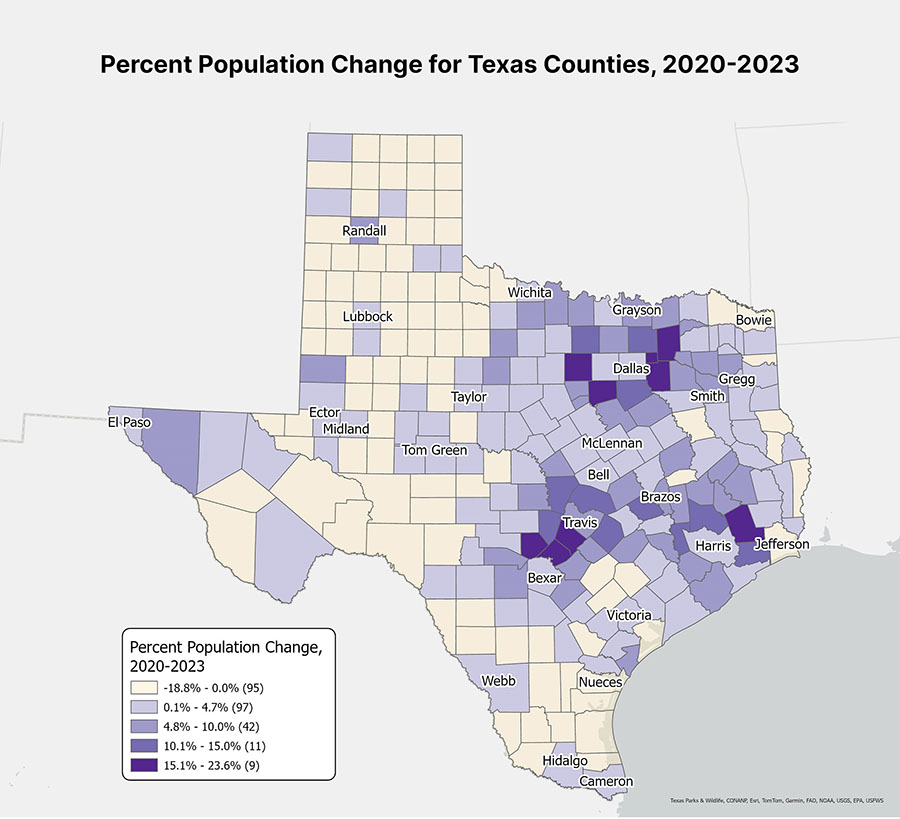
Looking ahead, the population of Texas is projected to continue its upward trajectory, potentially reaching 40 million within the next couple of decades. This sustained growth brings with it both immense opportunities and significant challenges. Infrastructure development, including roads, public transportation, and utilities, will need to keep pace with the influx of new residents. Water resources, particularly in arid regions, and environmental conservation will also be critical considerations.
However, the state’s proactive approach to economic development, its commitment to diversity, and its enduring appeal as a land of opportunity suggest that Texas is well-positioned to navigate these challenges. The dynamism of its cities, the warmth of its hospitality, and the sheer variety of experiences it offers will undoubtedly continue to make it a premier destination for travelers and a desirable home for millions. The story of Texas’s population is not just about numbers; it’s about the relentless pursuit of progress, the celebration of diversity, and the boundless spirit of the Lone Star State.
LifeOutOfTheBox is a participant in the Amazon Services LLC Associates Program, an affiliate advertising program designed to provide a means for sites to earn advertising fees by advertising and linking to Amazon.com. Amazon, the Amazon logo, AmazonSupply, and the AmazonSupply logo are trademarks of Amazon.com, Inc. or its affiliates. As an Amazon Associate we earn affiliate commissions from qualifying purchases.