
The familiar ritual of adjusting clocks twice a year, a practice deeply ingrained in the rhythm of daily life across much of the United States, has once again sparked debate and introspection in California. For decades, Californians, like many others, have dutifully sprung forward and fallen back, often with a collective sigh and a mumbled complaint about lost sleep or forgotten appointments. But as the hands of the clock tick on, a compelling question emerges: could this be the final time California grapples with the biannual time change?
The conversation surrounding Daylight Saving Time (DST) is far from new. It’s a topic that resurfaces with the changing seasons, fueled by a mix of scientific studies, economic arguments, and sheer human inconvenience. California, a state known for its progressive leanings and its influence on national trends, is once again at the forefront of this discussion, considering whether to permanently set its clocks and bid farewell to the disruption of time changes.
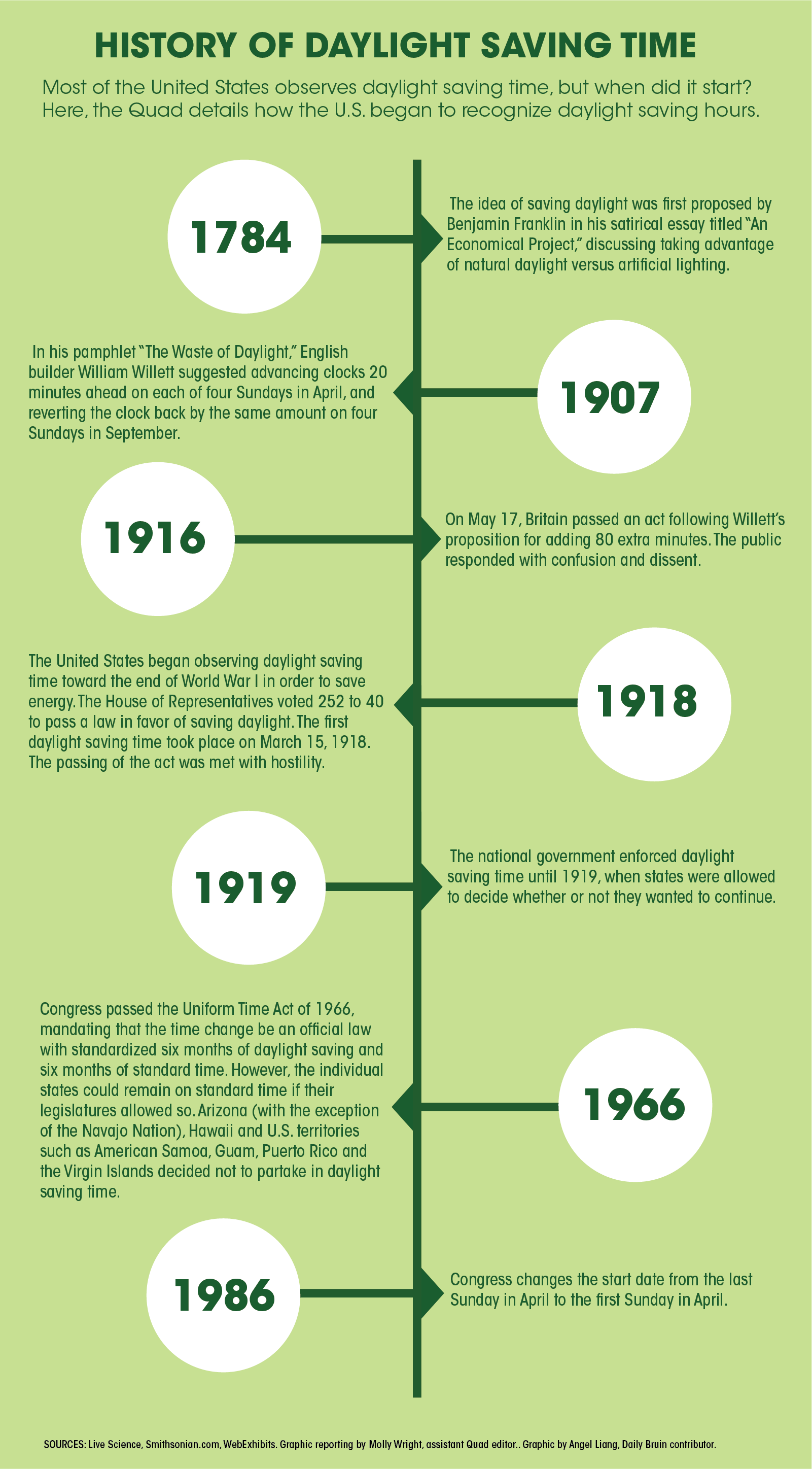
The history of DST itself is a fascinating journey, beginning with rudimentary proposals in the late 19th century, championed by figures like Benjamin Franklin, though his association is often more anecdotal than factual. The modern incarnation of DST gained traction in the early 20th century, particularly during World War I, as a measure to conserve energy. Since then, its implementation has been a patchwork of federal laws and state-level decisions, leading to the varied landscape of time observance we see today. California has participated in DST for much of its history, with periods of exemption and re-adoption reflecting evolving societal priorities and political winds.
For travelers, the impact of time changes can be subtle yet significant. Imagine planning a trip to San Francisco, booking a guided tour of the Golden Gate Bridge, or reserving a table at a renowned Napa Valley vineyard. The shift in time can disrupt these meticulously laid plans, especially when coordinating with different time zones or dealing with international travel. For businesses, particularly those in tourism and hospitality, the ambiguity and the need for constant readjustment can lead to logistical headaches and potential revenue loss. This is where the allure of a permanent time solution becomes particularly strong.
The Case for a Permanent California Standard Time
The debate over eliminating Daylight Saving Time often boils down to a desire for stability and a recognition of its diminishing returns, if not outright negative consequences. Proponents of a permanent time change in California point to a growing body of research that questions the purported benefits of DST and highlights its drawbacks.
The Sleep Deprivation Conundrum
One of the most immediate and widely felt impacts of DST is the disruption to our circadian rhythms. The abrupt shift forward in spring can lead to sleep deprivation, affecting mood, cognitive function, and overall health. Studies have indicated a spike in heart attacks, strokes, and workplace accidents in the days following the transition. For a state as health-conscious and forward-thinking as California, the idea of voluntarily inducing sleep deprivation, even for a short period, seems increasingly counterintuitive. The simple act of waking up an hour earlier in March can have cascading effects on our daily routines, from getting children ready for school to commuting to work. Eliminating this jarring transition would, in theory, lead to more consistent sleep patterns and a healthier populace, a welcome prospect for anyone who has ever struggled to adjust to the time shift.
Economic and Practical Implications for Travelers and Businesses
From a travel perspective, the elimination of time changes offers a promise of greater predictability. For tourists planning an itinerary that spans multiple destinations within California, or even those just crossing state lines, knowing the exact local time without constant recalibration is a welcome simplification. This is particularly true for booking accommodations, whether it’s a luxurious suite at a Beverly Hills resort or a charming Lake Tahoe cabin, or for scheduling tours of iconic California landmarks like Alcatraz Island.
Businesses, especially those in the California tourism sector, stand to benefit from this predictability. Imagine the ease of coordinating flight arrivals, hotel check-ins, and activity bookings when the time is always the same. The Disneyland Resort in Anaheim, for instance, could streamline its operations without the annual need to adjust operational schedules and communicate time-sensitive information to visitors. Similarly, the sprawling vineyards of Sonoma County could manage wine tasting appointments and tours with greater certainty. The reduction in confusion and the potential for fewer missed reservations could translate into tangible economic benefits for the entire California travel ecosystem.
Furthermore, for businesses that operate across different time zones, particularly those with a significant presence in California, a stable time zone could simplify internal communications and scheduling. The tech industry in Silicon Valley, a hub of innovation and global connectivity, often deals with intricate scheduling across continents. Eliminating the biannual shift would bring a degree of order to this complex logistical puzzle, potentially boosting productivity and reducing errors.

The Perpetual Debate: Standard vs. Daylight Time
The core of the modern debate centers on whether California should adopt Pacific Standard Time (PST) year-round or permanently embrace Pacific Daylight Time (PDT). Currently, California observes DST, meaning it shifts to PDT for roughly eight months of the year before returning to PST.
Advocates for permanent Standard Time argue that it aligns more closely with natural solar time and is therefore better for our biological clocks. They point out that PST is the “natural” time, dictated by the sun’s position in the sky. Maintaining PST year-round would mean earlier sunrises and sunsets during the winter months.
On the other hand, proponents of permanent Daylight Time emphasize the perceived benefits of having more daylight in the evenings during the warmer months. This extended evening daylight is often cited as beneficial for outdoor recreation, allowing people more time for activities after work and school. This is particularly appealing to a state like California with its outdoor-centric lifestyle, from surfing in San Diego to hiking in Yosemite National Park. The idea of enjoying longer evenings at beaches like Santa Monica or exploring the natural wonders of the Redwood National and State Parks without the immediate onset of darkness holds considerable appeal.
The legislative landscape in California has seen various attempts to resolve this issue. Bills have been introduced in the State Legislature to either adopt permanent PST or permanent PDT. However, enacting such a change requires federal approval, as U.S. states are generally not permitted to unilaterally opt out of DST without congressional consent. This federal hurdle has been a significant impediment to a swift resolution, leaving California in a perpetual state of discussion rather than decisive action. The complexities of federal law, coupled with the differing opinions within the state, have created a protracted stalemate.
The Future of Time in the Golden State
As California continues to deliberate, the question of “Is this the last time change?” remains open. The momentum for change is palpable, driven by a desire for a more rational and less disruptive approach to timekeeping. The potential benefits, ranging from improved public health and well-being to enhanced economic efficiency and simplified travel planning, are compelling.
Potential Legislative and Public Action
The path forward for California involves navigating both state and federal legislation. While state lawmakers can pass resolutions and bills to express their preference, the ultimate authority on DST lies with the U.S. Congress. Any move to permanently adopt either Standard Time or Daylight Time across California would likely require federal legislation that either allows states to choose their time year-round or standardizes time across the nation.
Public opinion within California itself is divided. While many express frustration with the time changes, there isn’t a monolithic consensus on whether permanent Standard Time or permanent Daylight Time is the superior choice. This divergence of opinion within the state adds another layer of complexity to the legislative process, as lawmakers must balance the desires of various constituent groups. Traveling through different regions of California, from the bustling streets of Los Angeles to the more rural landscapes of the Central Valley, might even yield subtly different perspectives on the impact of daylight hours.
A Glimpse at Other Jurisdictions
California is not alone in its re-evaluation of DST. Many other U.S. states and countries around the world are grappling with similar questions. Some jurisdictions have already made the switch to permanent Standard Time or have explored the possibility of permanent Daylight Time. Observing these experiences can provide valuable insights and lessons learned for California. For instance, states that have moved to permanent Standard Time might offer data on health outcomes or energy consumption that California can consider. Similarly, regions that have experimented with permanent Daylight Time might shed light on potential impacts on leisure activities and the economy.
The ongoing global conversation about timekeeping and its impact on modern life suggests that the era of biannual clock adjustments may indeed be drawing to a close. Whether California will be among the first to usher in a new, permanent time standard, or if it will continue to follow the ebb and flow of the clock change debate, remains to be seen. The prospect of a final time change, however, offers a tantalizing glimpse into a future where the rhythm of our lives might be a little more predictable, a little less disruptive, and perhaps, a little more in sync with the natural world. The journey from the proposal by Benjamin Franklin to the modern-day legislative battles highlights the enduring human desire to find the most efficient and sensible way to organize our days, a quest that continues to unfold on the sunny shores of California.
LifeOutOfTheBox is a participant in the Amazon Services LLC Associates Program, an affiliate advertising program designed to provide a means for sites to earn advertising fees by advertising and linking to Amazon.com. Amazon, the Amazon logo, AmazonSupply, and the AmazonSupply logo are trademarks of Amazon.com, Inc. or its affiliates. As an Amazon Associate we earn affiliate commissions from qualifying purchases.