
When planning a trip to the vibrant metropolis of New York, understanding its time zone is a fundamental piece of information that can significantly impact your travel experience. Whether you’re coordinating flight arrivals, booking accommodations, scheduling tours, or simply trying to connect with loved ones back home, knowing the local time is paramount. This guide will delve into the intricacies of New York’s time zone, its implications for travelers, and how it fits into the broader context of planning your dream New York adventure.
New York City, and indeed the entire state of New York, observes Eastern Standard Time (EST) during the colder months and Eastern Daylight Time (EDT) when daylight saving time is in effect. This designation places it within the North American Eastern Time Zone.

Understanding Eastern Time: EST and EDT
The Eastern Time Zone is one of the most widely used time zones in North America, encompassing a significant portion of the eastern United States and Canada. It is UTC-5 during standard time and UTC-4 during daylight saving time. This means that New York is five hours behind Coordinated Universal Time (UTC) during standard time and four hours behind UTC when daylight saving is active.
Eastern Standard Time (EST)
From the second Sunday in March to the first Sunday in November, New York operates on Eastern Standard Time (EST). This is the “standard” time that governs the region for the majority of the year. During EST, clocks are set to UTC-5. For instance, if it’s noon UTC, it will be 7:00 AM in New York. This is crucial for travelers arriving from countries with different UTC offsets. For example, someone traveling from London, which observes Greenwich Mean Time (GMT) or Western European Time (WET) during standard months (UTC+0), will find New York to be five hours behind. Likewise, those coming from Paris, which observes Central European Time (CET) (UTC+1), will be six hours ahead of New York.
Eastern Daylight Time (EDT)
As the days lengthen, daylight saving time comes into effect in New York. This transition typically occurs on the second Sunday in March. At 2:00 AM, clocks are moved forward one hour to 3:00 AM, effectively shifting the time zone to Eastern Daylight Time (EDT). During EDT, the time is UTC-4. This allows for an extra hour of daylight in the evenings, a practice intended to maximize the use of natural light. So, when it’s noon UTC, it will be 8:00 AM in New York during EDT. This change means that the time difference with places like London shrinks to four hours behind, and with Paris, it becomes five hours behind. The end of daylight saving time typically occurs on the first Sunday in November, when clocks are set back one hour.
The Importance of Daylight Saving Time for Travelers
For travelers, the switch to and from daylight saving time can be a source of minor confusion if not accounted for. Flight schedules, hotel check-in and check-out times, and planned activities are all based on local time. If you are booking flights or making reservations months in advance, it’s essential to be aware of whether your travel dates will fall within the period of EST or EDT. For example, if you’re arriving in New York City in late March, your watch will need to be adjusted to EDT. Conversely, a late October visit will mean you’re operating on EST.
The dates for the start and end of daylight saving time are generally standardized across the United States, but it’s always a good idea to double-check if you are traveling very close to these transition dates, especially if your travel plans span across this period. This knowledge is especially vital when coordinating with local contacts, planning meetups, or booking experiences that are time-sensitive.
Navigating Time Zones When Traveling to New York
The United States spans several time zones, and New York’s position on the East Coast makes it a primary gateway for international arrivals. Understanding its time zone is not just about knowing the hour; it’s about managing jet lag, planning your itinerary, and ensuring seamless communication.
Jet Lag and Time Zone Adjustment
One of the most significant impacts of a different time zone on travelers is jet lag. When you travel eastward, crossing multiple time zones, your body’s internal clock is disrupted, leading to fatigue, insomnia, and difficulty concentrating. Traveling to New York from a location significantly west of the Eastern Time Zone will mean a substantial time difference. For instance, flying from Los Angeles on the West Coast, which observes Pacific Time (PT), a difference of three hours, will require an adjustment. A flight from London will mean a five or six-hour difference.
To mitigate jet lag:
- Adjust your sleep schedule before you leave: Gradually shift your bedtime and wake-up time a few days before your trip to align with New York time.
- Stay hydrated: Drink plenty of water during your flight.
- Limit alcohol and caffeine: These can disrupt sleep patterns.
- Seek natural light upon arrival: Expose yourself to sunlight during the day to help reset your internal clock.
- Resist napping for too long: Short naps are acceptable, but extended sleep during the day can further disrupt your rhythm.
By being mindful of the time difference and taking proactive steps, you can minimize the effects of jet lag and start enjoying your New York experience sooner.
Planning Your Itinerary with Time in Mind
Your itinerary for exploring New York City or the wider New York state should take the local time zone into account. This is particularly relevant when booking activities, tours, and dining reservations.
- Early Morning Attractions: Many of New York’s iconic landmarks, such as the Statue of Liberty and Ellis Island, begin their operations early. Knowing the time difference will help you decide the best time to depart from your accommodation to avoid rush hour and maximize your sightseeing time. For example, aiming to be at the ferry terminal for the Statue of Liberty cruise by 8:00 AM local time means you’ll be well ahead of the main crowds.
- Evening Entertainment: New York is famous for its vibrant nightlife, including Broadway shows, concerts, and late-night dining. Showtimes for Broadway performances, for instance, are typically around 7:00 PM or 8:00 PM. If you’re coming from a place with a significant time difference, ensure you factor in potential jet lag when planning your evening activities.
- Restaurant Reservations: Popular restaurants in New York often require reservations, especially for dinner. Booking a table for 7:30 PM local time is a common practice. If you’re meeting friends or family who are also traveling, coordinating reservation times across different internal clocks can be a challenge, making clear communication about the local time essential.
- Business Travel: For those on a business trip to New York, understanding the time zone is critical for scheduling meetings with local partners or clients, as well as for staying connected with your home office. A 9:00 AM meeting in New York might be 2:00 PM or 3:00 PM in Europe, or 6:00 AM in California.
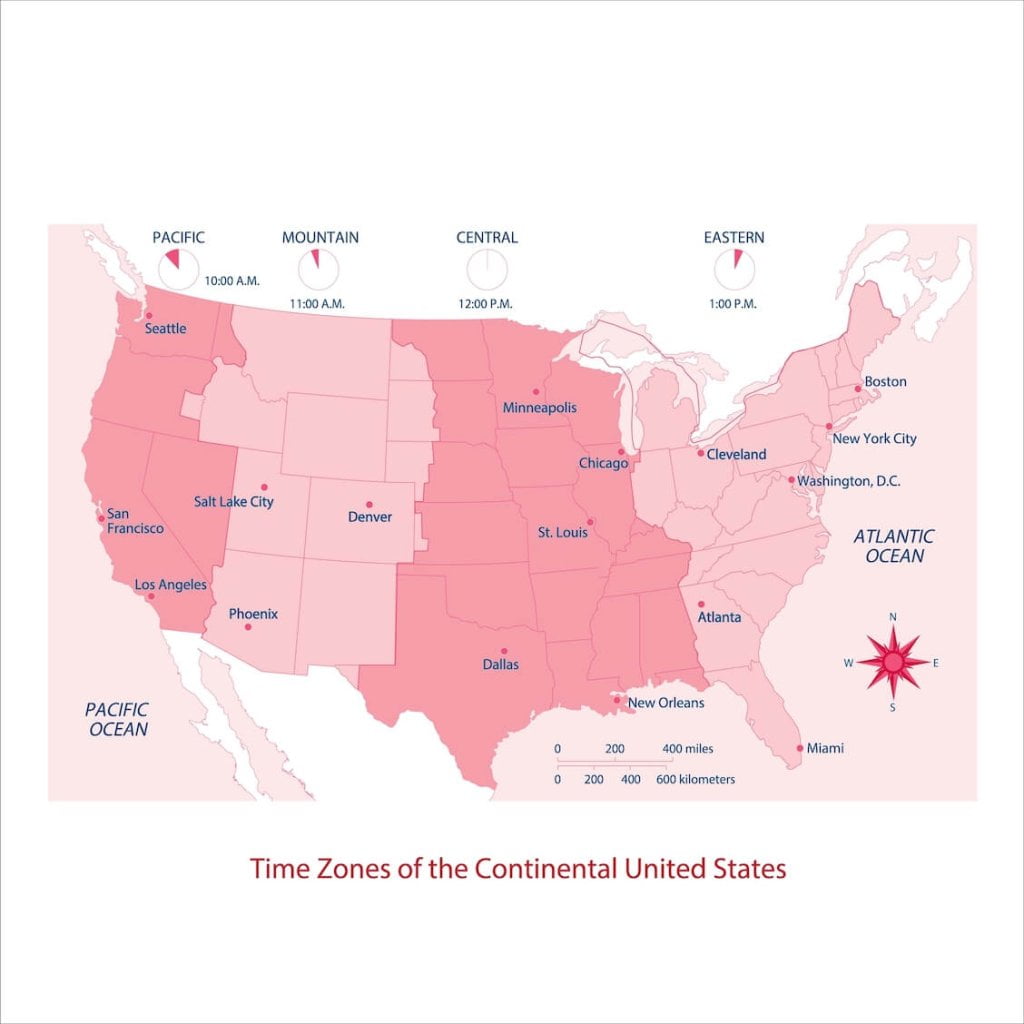
When booking hotels, consider their location in relation to the attractions you wish to visit. A hotel in Midtown Manhattan might offer different commute times to the Empire State Building or Times Square than a hotel in Brooklyn. Understanding local transit schedules and how they align with your desired activity times is also part of smart itinerary planning.
Communication and Connectivity
Staying in touch with family and friends back home is often a priority for travelers. When you’re in New York, you’ll need to be mindful of their local time zone to avoid making calls at inconvenient hours.
- Calling Home: If you’re calling friends or family in California, remember they are three hours behind you. A morning call in New York would be very early morning for them. Conversely, calling someone in London from New York during their workday would require you to be mindful of their evenings.
- International Calls: For international calls, always confirm the current time in the destination country. Websites and apps that provide real-time world clocks are invaluable tools for this.
- Digital Communication: While email and instant messaging offer more flexibility, consider sending messages at times that are likely to be convenient for the recipient.
For travelers exploring the diverse offerings of New York, from the bustling streets of New York City to the scenic beauty of the Adirondack Mountains, time zone awareness is a subtle yet powerful tool for a smoother and more enjoyable journey. Whether you are looking for luxury suites in Manhattan, charming villas in the Hudson Valley, or budget-friendly apartments for a long-term stay, understanding the local time will always be a foundational element of your planning.
Considering Time Zones for Accommodation and Experiences
The time zone in New York also plays a role in how you approach booking accommodations and experiencing local attractions. When you’re researching hotels, resorts, or even vacation apartments, the local time can influence your choice of location and the type of amenities you might prioritize.
Hotels and Accommodation Booking
When you’re browsing for hotels in New York, whether it’s a grand resort in the Catskills or a chic boutique hotel in SoHo, the time zone is an implicit factor. Early check-in or late check-out requests, for instance, are always in relation to the local Eastern Time. If you’re arriving on an early morning flight from across the country, knowing that New York is still on its early schedule might influence whether you request an early check-in or decide to store your luggage and explore nearby attractions like Central Park before your room is ready.
For those considering longer stays, such as vacation apartments or villas, understanding the rhythm of the city based on its time zone is key. New York is a city that truly never sleeps, and its pace is dictated by its Eastern Time schedule. This means that whether you’re looking for a family-friendly resort with a pool or a luxurious suite with city views, the operational hours of these establishments will be governed by EST or EDT.
When comparing prices and availability on booking platforms, the time displayed will always be local to New York. This consistency simplifies the booking process, but it’s the traveler’s responsibility to ensure their understanding of this local time, especially when coordinating with individuals in different time zones. For example, if you’re comparing rates for a stay at the Plaza Hotel during a business trip, you’ll need to know if a meeting with a European client is scheduled for their morning or your afternoon.
Local Culture, Food, and Activities
The local culture and daily rhythm of New York are intrinsically linked to its time zone. From the morning rush of commuters heading to offices in Wall Street to the evening buzz of activity in Broadway, everything unfolds according to Eastern Time.
- Food Experiences: New York’s culinary scene is legendary, with restaurants ranging from Michelin-starred establishments to humble food trucks. Brunch is a popular weekend activity, typically enjoyed between 10:00 AM and 2:00 PM local time. Dinner reservations, as mentioned, are often made for 7:00 PM onwards. Understanding these mealtime customs can enhance your experience, allowing you to savor the local flavors and social dynamics. If you’re keen on trying a renowned pizza joint or a classic deli, knowing their opening and closing hours, which are all in local time, is essential.
- Exploring Landmarks and Attractions: Many of New York’s famous landmarks, such as the Metropolitan Museum of Art or the American Museum of Natural History, have specific opening and closing times. Planning your visits to coincide with these hours is crucial. Consider the time it takes to travel between attractions, especially within a sprawling city like New York. A trip from your accommodation in Queens to the Top of the Rock observation deck in Rockefeller Center will require careful timing.
- Tipping and Etiquette: While not directly related to time zones, understanding local customs is part of a holistic travel experience. Tipping practices in the United States, including New York, are generally more generous than in many other parts of the world. Service staff in restaurants, bars, and hotels often rely on tips as a significant portion of their income.
For budget travelers, understanding the time zone can also help in finding deals. Off-peak hours for public transportation or museum entry might be available during times that are less convenient for the average tourist, but perfectly manageable when you are aware of the local clock.
Embracing the New York Lifestyle Through Time
Understanding the time zone of New York is more than just a logistical detail; it’s a gateway to understanding the city’s pulse and embracing its unique lifestyle. Whether you are a luxury traveler seeking the finest amenities or a budget-conscious explorer eager to soak in the local atmosphere, time is a constant companion in your journey.
Luxury Travel and Business Stays
For those embarking on luxury travel to New York, time is often a luxury in itself. It means not having to rush, being able to savor experiences, and arriving at appointments and engagements feeling composed. When staying in high-end hotels like the St. Regis New York or the Mandarin Oriental, New York, services are designed to cater to your schedule, which is dictated by Eastern Time. Business travelers, in particular, will find that punctuality is highly valued in New York’s corporate culture. Meetings scheduled for 9:00 AM mean precisely 9:00 AM. This adherence to time allows for efficient operations and reflects the city’s fast-paced nature. Booking a business stay at a hotel with excellent Wi-Fi and conference facilities, such as the Conrad New York Midtown, becomes even more critical when coordinating with colleagues across different time zones.
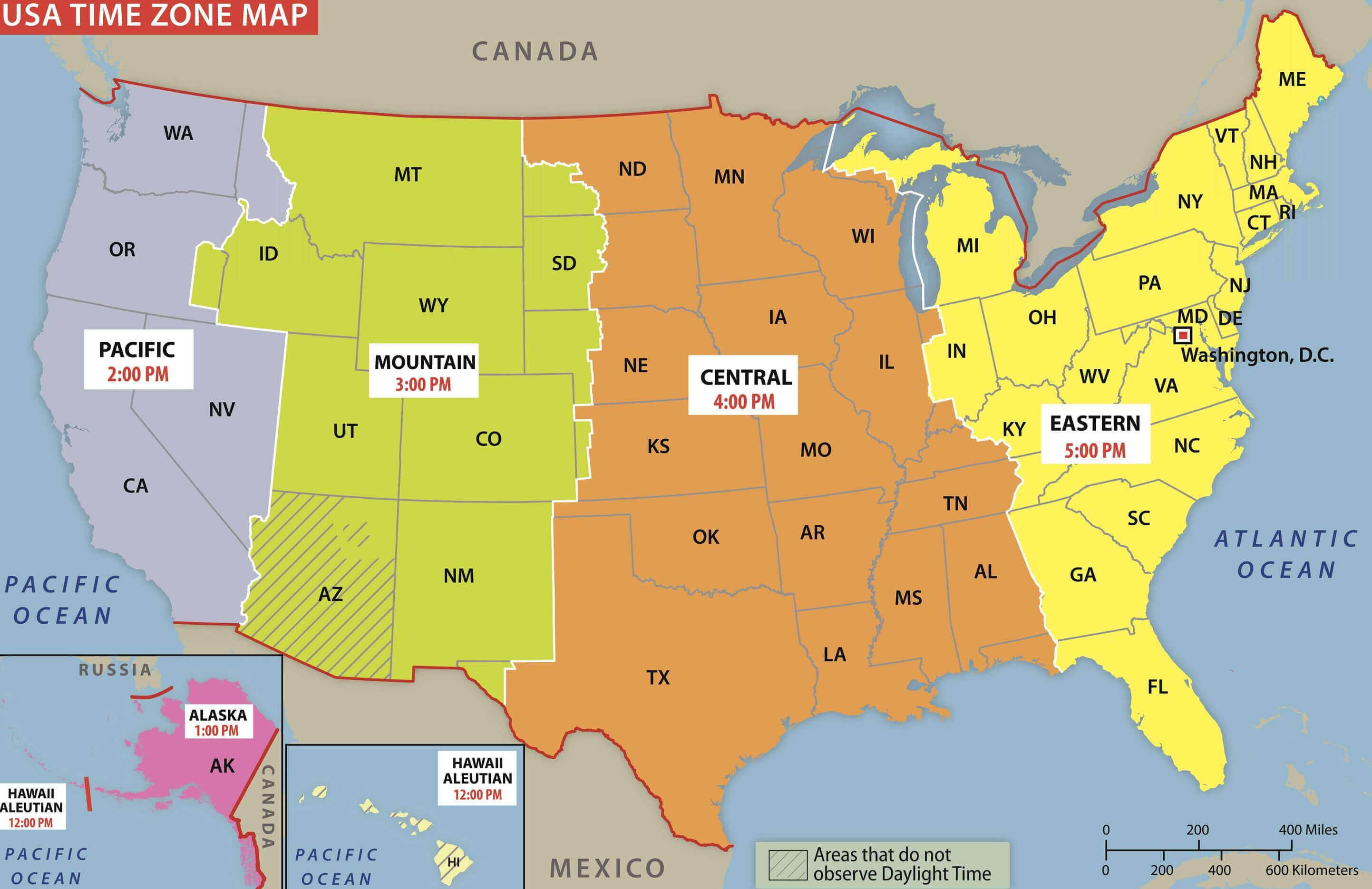
Family Trips and Budget Travel
For family trips, understanding the time zone is essential for managing children’s schedules and maximizing family time. Planning outings to places like the Bronx Zoo or the New York Hall of Science requires factoring in travel time and the children’s natural rhythms, which are often more sensitive to time shifts. For budget travelers, being aware of the time zone can unlock opportunities for savings. For example, opting for a late-night flight into JFK Airport might be cheaper, but it means arriving when New York is winding down, and you’ll need to plan your transfer to your accommodation accordingly. Similarly, taking advantage of happy hour deals at bars and restaurants, which usually start in the late afternoon, becomes a strategic part of a budget-friendly experience.
Ultimately, whether you’re marveling at the architecture of the Chrysler Building, enjoying a leisurely stroll through Bryant Park, or attending a major sporting event at Yankee Stadium, being in sync with New York’s time zone will enrich your travels. It allows for a deeper appreciation of the city’s dynamic energy, its diverse offerings, and the seamless flow of life in one of the world’s most captivating destinations. So, as you plan your adventure, remember to set your watch to Eastern Time and prepare for an unforgettable experience.
LifeOutOfTheBox is a participant in the Amazon Services LLC Associates Program, an affiliate advertising program designed to provide a means for sites to earn advertising fees by advertising and linking to Amazon.com. Amazon, the Amazon logo, AmazonSupply, and the AmazonSupply logo are trademarks of Amazon.com, Inc. or its affiliates. As an Amazon Associate we earn affiliate commissions from qualifying purchases.