
While the allure of the Sunshine State often conjures images of sun-drenched beaches, vibrant theme parks, and a relaxed lifestyle, beneath the surface of this popular tourist destination lies a robust public service sector. One critical component of this sector is its law enforcement, with police officers playing a vital role in maintaining safety and order across its diverse communities, from the bustling metropolis of Miami to the historic charm of St. Augustine. For those considering a career in law enforcement or simply curious about the financial landscape of public service in Florida, understanding the salary of a police officer is a key consideration. This exploration delves into the factors influencing police officer compensation in Florida, offering insights into potential earnings and the broader context of their profession.

Understanding the Factors Influencing Police Officer Salaries in Florida
The financial remuneration for a police officer in Florida is not a one-size-fits-all figure. Numerous variables interweave to determine the exact salary an officer can expect. These factors range from the specific department and its jurisdiction to the officer’s level of experience, education, and specialized training. The sheer size and economic capacity of a municipality or county often play a significant role. For instance, law enforcement agencies in major metropolitan areas like Miami-Dade County or Orange County, which often boast larger budgets and higher costs of living, may offer more competitive starting salaries and higher overall compensation packages compared to those in smaller, rural counties.
Experience and Rank: The Climb Up the Ladder
A fundamental driver of salary is an officer’s tenure and progression through the ranks. Entry-level positions, often referred to as police recruits or officers, will naturally command a lower salary than seasoned veterans. As officers gain experience, they not only become more valuable to their department through accumulated knowledge and honed skills but also have the opportunity to advance to higher ranks such as Corporal, Sergeant, Lieutenant, and Captain. Each promotion typically comes with a corresponding increase in salary, reflecting increased responsibilities, leadership duties, and supervisory roles. For example, a police chief in a major Florida city will earn significantly more than a patrol officer in their first year. This hierarchical structure is standard across most law enforcement agencies, incentivizing career development and dedication.
Education and Specialization: Enhancing Earning Potential
Beyond years of service and rank, an officer’s educational background and any specialized certifications can also impact their earning potential. While a high school diploma or GED is often the minimum requirement for entering a police academy, many departments offer higher starting pay or recruitment incentives for individuals with an associate’s or bachelor’s degree in criminal justice, criminology, or a related field. Furthermore, officers who pursue specialized training and become certified in areas such as K-9 units, SWAT teams, forensic investigation, traffic homicide investigation, or community policing programs may be eligible for pay differentials or bonuses. These specialized roles often require advanced skills and carry greater risks or responsibilities, thus warranting higher compensation. This emphasis on continuous learning and skill development not only benefits the individual officer’s career but also enhances the overall effectiveness of the police force.
Geographic Location and Cost of Living: The Urban vs. Rural Divide
The economic landscape of Florida is diverse, and this directly influences salary expectations. Officers working in highly desirable and expensive areas, such as parts of South Florida or near popular tourist hubs like Orlando or the Florida Keys, may find their base salaries are higher. This often reflects the increased cost of living in these regions, encompassing housing, transportation, and daily expenses. Conversely, police officers in more rural or less densely populated areas of Florida might earn a comparatively lower base salary. However, it is important to consider that the cost of living in these areas is often significantly lower, meaning that their take-home pay can still provide a comfortable lifestyle. When evaluating salary offers, it is crucial for prospective officers to research the cost of living in the specific area they are considering.
Salary Ranges and Averages for Florida Police Officers
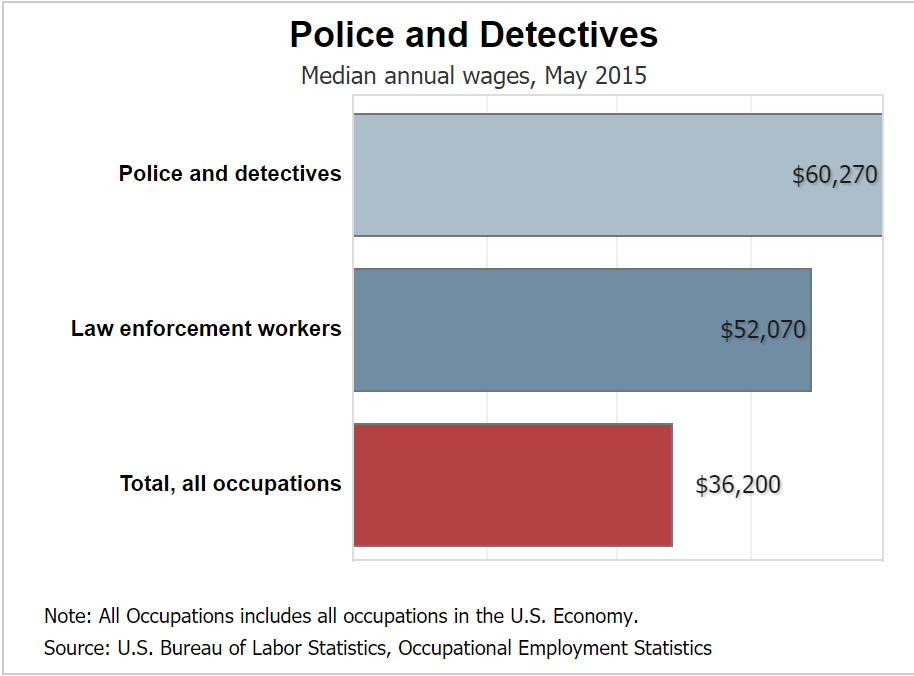
Delving into specific salary figures requires acknowledging that averages can be a useful guide but should be viewed with the understanding that individual circumstances will always lead to variations. Based on various data aggregators and surveys focusing on law enforcement compensation in Florida, a general salary range can be established.
Entry-Level Officers and Starting Salaries
For individuals just entering the field, the starting salary for a police officer in Florida typically falls within the range of approximately $40,000 to $55,000 annually. This figure represents the compensation during the initial academy training period and the early stages of their patrol duties. These starting salaries are designed to attract new recruits and provide a foundational income while they gain on-the-job experience and prove their capabilities. Departments often have a structured pay scale that outlines incremental raises based on years of service, performance reviews, and the successful completion of probationary periods. Even at the entry level, Florida police departments are committed to providing a living wage, acknowledging the demanding nature of the profession.
Mid-Career and Experienced Officers
As police officers accumulate experience, their salaries naturally increase. An officer with 5-10 years of service, and potentially holding a mid-level rank like Corporal or Sergeant, can expect to earn between $55,000 and $75,000 per year. This range reflects the increased responsibilities associated with more complex cases, supervisory duties, and a deeper understanding of departmental procedures and community dynamics. These officers are often the backbone of daily operations, mentoring newer recruits and handling a wider array of incidents. Their experience is invaluable, and their compensation reflects this accrued expertise.
Senior Officers and Command Staff
At the higher end of the salary spectrum are seasoned officers with extensive experience, those in command positions, or those with highly specialized roles. An experienced officer with 10-20 years on the force, or a Lieutenant or Captain, could see their annual salary range from $75,000 to over $100,000. Police Chiefs in larger Florida cities, who manage entire departments and significant budgets, can earn even more, with salaries potentially exceeding $120,000 annually. These figures are influenced by the size of the department, the population served, and the complexity of the law enforcement challenges faced. It’s also important to remember that these figures represent base salary and do not typically include overtime, benefits, or other compensation elements.
Beyond Base Salary: Benefits and Total Compensation
When evaluating the overall compensation of a police officer in Florida, it is crucial to look beyond the base salary and consider the comprehensive benefits package that is typically offered. These benefits can significantly enhance the financial well-being of an officer and their family, often representing a substantial portion of their total compensation.
Health Insurance and Retirement Plans: Securing the Future
Law enforcement agencies in Florida generally provide robust health insurance plans for their officers and their dependents. These plans often cover medical, dental, and vision care, significantly reducing out-of-pocket healthcare expenses. In addition, retirement plans are a cornerstone of public service compensation. Most Florida police departments offer defined benefit pension plans or contribute to deferred compensation plans, allowing officers to build a secure financial future after their service concludes. These retirement packages are often a major draw for individuals considering a career in law enforcement, offering a level of security that may be harder to find in the private sector. The prospect of a stable pension and comprehensive health coverage throughout retirement provides peace of mind.

Paid Time Off, Overtime, and Other Perks
Beyond health and retirement, police officers typically benefit from a generous amount of paid time off, including vacation days, sick leave, and holidays. This allows for crucial rest and rejuvenation, essential for a profession that can be physically and emotionally demanding. Many Florida police departments also offer opportunities for overtime pay, which can significantly boost an officer’s annual income, especially during periods of high demand or special events. Additional perks can include hazardous duty pay for specific assignments, educational incentives for continuing professional development, and sometimes access to departmental facilities or employee assistance programs. These elements, when combined with the base salary, create a total compensation package that makes a career in law enforcement a financially viable and rewarding choice for many in the Sunshine State. For example, an officer working events at a major theme park like Walt Disney World Resort or providing security during a large festival in Tampa might accrue substantial overtime pay.
In conclusion, the question of “How Much Does A Police Officer Make In Florida?” elicits a nuanced answer. While starting salaries provide a foundation, the trajectory of earnings is shaped by a combination of experience, rank, education, specialization, and the economic realities of the specific jurisdiction. When factoring in comprehensive benefits like health insurance and retirement plans, the total compensation for a Florida police officer presents a compelling package, underscoring the value placed on the critical service they provide to the communities they protect.
LifeOutOfTheBox is a participant in the Amazon Services LLC Associates Program, an affiliate advertising program designed to provide a means for sites to earn advertising fees by advertising and linking to Amazon.com. Amazon, the Amazon logo, AmazonSupply, and the AmazonSupply logo are trademarks of Amazon.com, Inc. or its affiliates. As an Amazon Associate we earn affiliate commissions from qualifying purchases.