
Navigating the intricacies of unemployment benefits in California can feel like exploring an unfamiliar city without a map. While the primary focus of our website often revolves around the joys of travel, the allure of luxurious resorts, the discovery of hidden landmarks, and the immersion in vibrant local tourism, understanding your financial obligations, especially during periods of unemployment, is crucial for maintaining peace of mind and planning future adventures. This guide aims to demystify a common question for residents of the Golden State: is unemployment taxable in California?
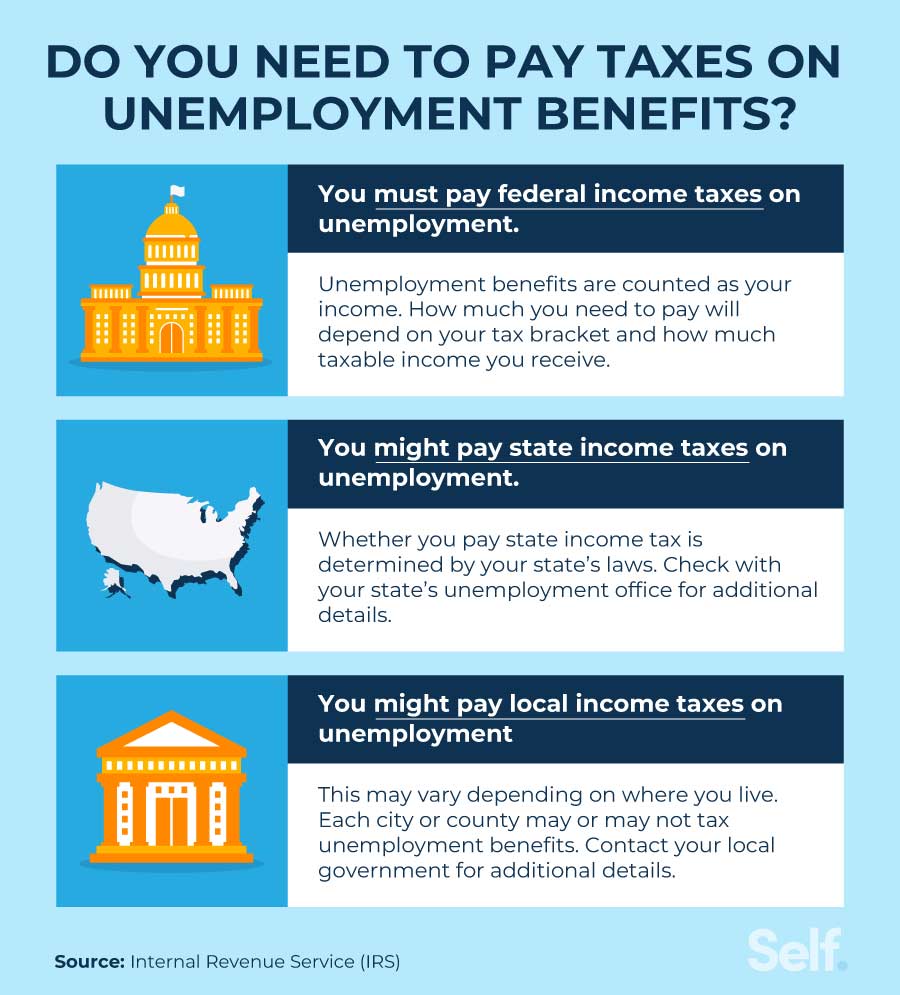
The economic realities that lead individuals to seek unemployment benefits, while often disruptive, do not negate their tax responsibilities. For those residing in California, understanding how these benefits are treated by the Internal Revenue Service (IRS) and the California Franchise Tax Board (FTB) is paramount. This means that the financial assistance designed to bridge gaps between employment is, in fact, considered taxable income. This applies to both federal and state income taxes, impacting your overall tax liability.
Understanding Unemployment Benefits in California
When you find yourself out of work in California, your initial step is typically to file a claim with the Employment Development Department (EDD). This agency oversees the administration of unemployment insurance benefits, providing a vital safety net for individuals who have lost their jobs through no fault of their own. The benefits you receive are intended to help cover essential living expenses while you search for new employment. However, it’s essential to understand that these payments are not a windfall; they are considered income by the government.
Federal Taxation of Unemployment Benefits
At the federal level, unemployment compensation received from state or federal programs is taxable income. This means you must report it on your federal income tax return. The IRS treats unemployment benefits similarly to wages earned from employment, though they are typically not subject to Social Security and Medicare taxes. When you receive your unemployment payments, you will likely receive Form 1099-G, “Certain Government Payments,” from the EDD. This form details the total amount of unemployment benefits you received during the tax year and will be sent to both you and the IRS.
It’s crucial to review the information on Form 1099-G carefully. If there are any discrepancies, you should contact the EDD immediately to ensure accuracy. The amount reported on this form will be the figure you use when calculating your federal tax liability. You have a choice when it comes to how you pay taxes on your unemployment benefits: you can either have federal income tax withheld from each benefit payment, or you can make estimated tax payments throughout the year. If you choose not to have tax withheld, you will be responsible for paying any tax due when you file your annual tax return. Failing to account for this income could lead to penalties and interest charges.
California State Taxation of Unemployment Benefits
Just as the federal government views unemployment benefits as taxable income, so does the state of California. The California Franchise Tax Board (FTB) requires residents to report unemployment compensation as income on their state tax returns. This means that the same benefits you report to the IRS must also be reported to the FTB. The EDD also issues Form 1099-G, which includes information relevant to your state tax obligations.
The tax rate applied to your unemployment benefits in California will depend on your total income for the year, including any other sources of income you may have. Since California has a progressive income tax system, higher earners generally pay a higher percentage of their income in taxes. Therefore, the impact of taxing unemployment benefits can vary significantly from one individual to another. Similar to federal taxes, you can elect to have state income tax withheld from your unemployment payments. This option can help avoid a large tax bill when you file your return and can be particularly beneficial if you are concerned about your ability to pay at year-end. To elect withholding, you typically need to complete a specific form provided by the EDD.
Planning for Tax Obligations on Unemployment
The realization that unemployment benefits are taxable can be a concern for many. However, with careful planning, you can mitigate any potential financial strain. Understanding the implications and taking proactive steps will ensure you are prepared when tax season arrives, allowing you to focus on your job search and future career prospects, perhaps even planning that much-needed family trip or a relaxing stay at a resort.
Withholding Options for Unemployment Benefits
One of the most effective ways to manage the tax burden of unemployment benefits is to opt for tax withholding. As mentioned, both federal and state taxes can be withheld directly from your weekly or bi-weekly payments. This is a proactive approach that ensures you are paying taxes as you receive the income, rather than facing a lump sum due at tax time. To initiate withholding, you will need to actively choose this option when you file your initial claim or at any point during your claim period. The EDD provides the necessary forms and instructions for electing to have taxes withheld.
For federal withholding, you can typically choose a percentage or a flat amount to be deducted. For California state withholding, you will specify a percentage of your benefit payment to be sent to the FTB. Carefully consider what percentage is appropriate based on your expected total income for the year. If you’re unsure, it’s often advisable to err on the side of withholding a slightly higher amount to avoid underpayment penalties. Consulting with a tax professional can help you determine the optimal withholding strategy based on your individual circumstances.
Reporting Unemployment Income on Your Tax Return
When tax season approaches, you will need to accurately report your unemployment compensation on your federal and state income tax returns. As noted, the EDD will mail you Form 1099-G, which summarizes the total unemployment benefits paid to you during the calendar year. This form will have specific boxes indicating the amount of unemployment compensation and any withheld taxes.
On your federal return, unemployment compensation is generally reported on Schedule 1 (Form 1040), Additional Income and Adjustments to Income, in the section for unemployment compensation. You will then transfer this amount to your main Form 1040. For your California state return, unemployment compensation is typically reported as “Other Income” on Schedule CA (540), California Adjustments – Residents. Your tax software or tax preparer will guide you through the specific lines for reporting this income. It is crucial to use the figures from your Form 1099-G to ensure your tax return is accurate and complete.
Special Considerations and Potential Exemptions
While the general rule in California is that unemployment benefits are taxable, there might be specific situations or programs that have different tax treatments. It’s always wise to be aware of these nuances, especially if you are receiving benefits from various sources or have unique financial circumstances.
Other Types of Government Payments
It is important to distinguish unemployment compensation from other types of government payments. For instance, certain disaster relief payments or specific benefits intended for hardship may be treated differently for tax purposes. The key differentiator is often whether the payment is considered compensation for lost wages. For example, a lump sum payment from an employer as part of a severance package, while related to job loss, is typically taxed as regular wages. On the other hand, certain one-time payments related to economic stimulus efforts, like those issued during the COVID-19 pandemic, were at times declared non-taxable. However, unemployment benefits, by their very nature, are designed to replace lost wages and are therefore subject to taxation. If you receive any government payments, it’s advisable to check the specific tax treatment of each type of payment, as the taxability can vary widely. The IRS and the FTB provide guidance on various government payments, and consulting these resources or a tax professional can offer clarity.
Impact on Other Benefits and Tax Credits
Understanding the taxability of unemployment benefits is not just about calculating your tax liability; it can also affect your eligibility for or the amount of other tax credits and benefits you may receive. For example, your adjusted gross income (AGI) is a critical figure used to determine eligibility for various tax credits, such as the Earned Income Tax Credit (EITC) or credits related to education expenses. Since unemployment benefits increase your AGI, they could potentially reduce your eligibility for certain credits or lower the amount of credit you can claim.
Similarly, if you are receiving other forms of public assistance, an increase in your income due to unemployment benefits might impact your eligibility for those programs. Many social welfare programs have income limitations. Therefore, it’s essential to consider the broader financial implications beyond just income tax. This holistic view is vital for managing your finances effectively during a period of transition. Planning your budget and understanding how all your income sources interact with tax laws and benefit programs is a fundamental aspect of responsible financial management, enabling you to maintain stability and, perhaps one day, book that dream vacation to the Maldives or a charming villa in Italy.
In conclusion, while the allure of exploring new destinations or enjoying the comforts of a boutique hotel is a powerful motivator, it’s equally important to be grounded in your financial realities. In California, unemployment benefits are indeed taxable at both the federal and state levels. By understanding the reporting requirements, opting for withholding when appropriate, and considering the broader impact on your financial situation, you can navigate this aspect of unemployment with confidence, ensuring that your journey back to employment is as smooth and stress-free as possible.
LifeOutOfTheBox is a participant in the Amazon Services LLC Associates Program, an affiliate advertising program designed to provide a means for sites to earn advertising fees by advertising and linking to Amazon.com. Amazon, the Amazon logo, AmazonSupply, and the AmazonSupply logo are trademarks of Amazon.com, Inc. or its affiliates. As an Amazon Associate we earn affiliate commissions from qualifying purchases.